Cleanliness Issues: Burrs, Cut Delamination, Edge Fraying
Core Causes
Blade dullness, inconsistent cutting edge angle, mismatch between knife speed and paper feeding speed, excessive gap between upper and lower blades, excessively high/low moisture content of corrugated paper, unreasonable cutting angle along and across the corrugation direction.
Solutions
Tool Selection and Edge Grinding
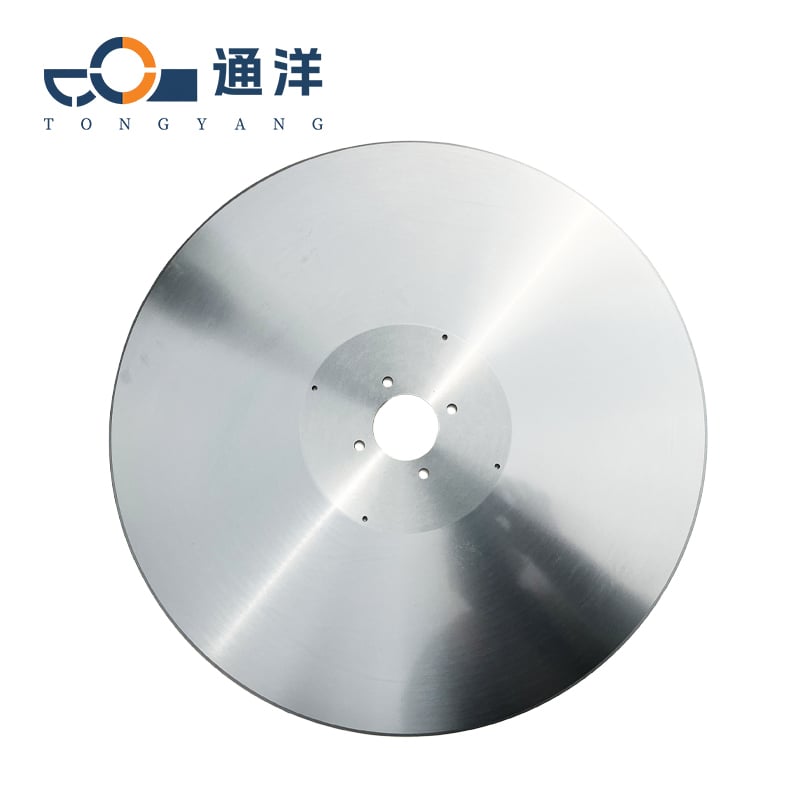
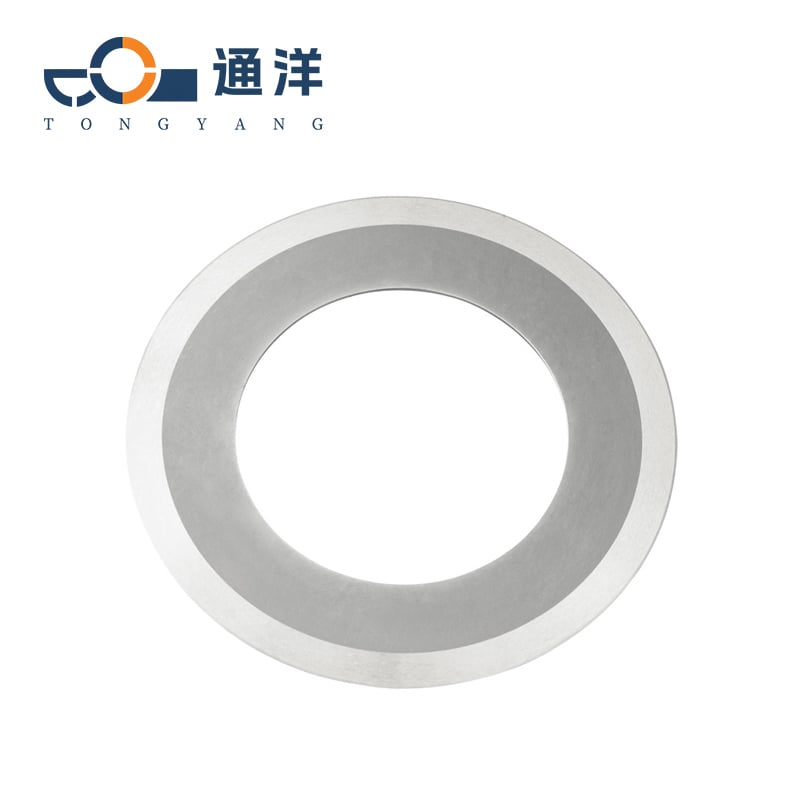
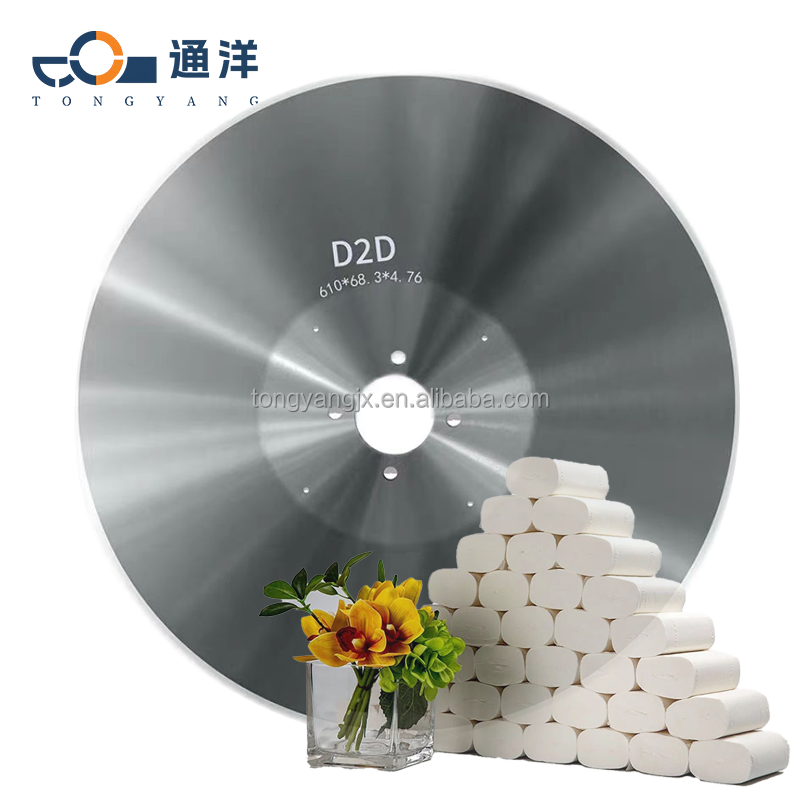
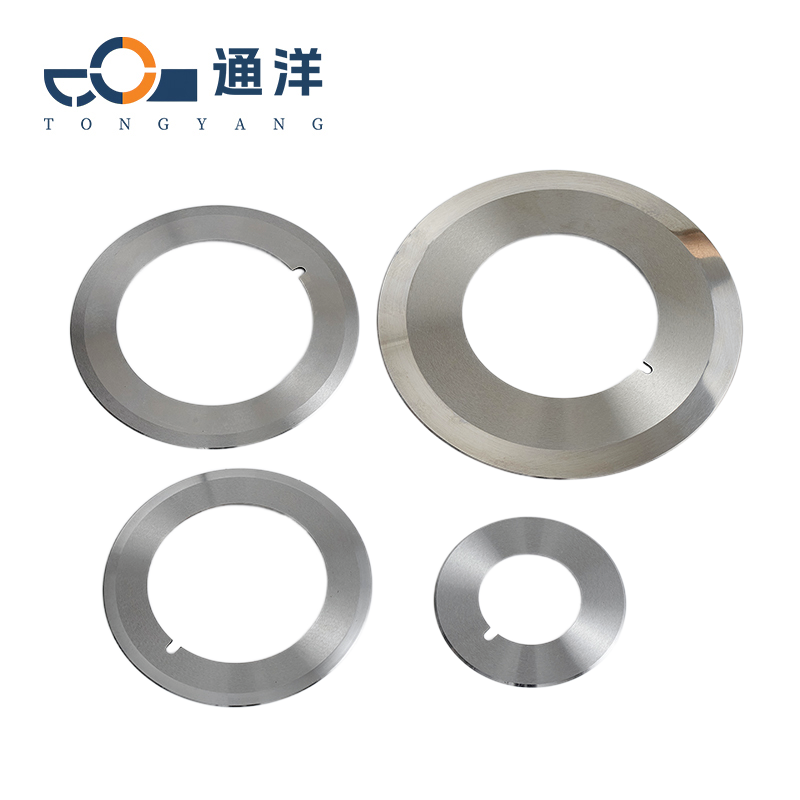
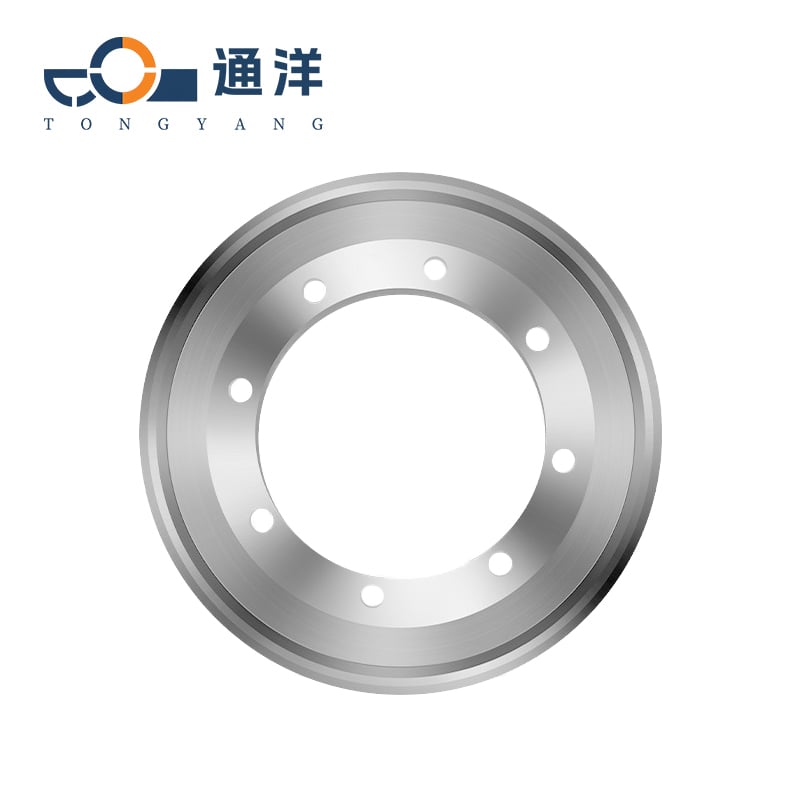
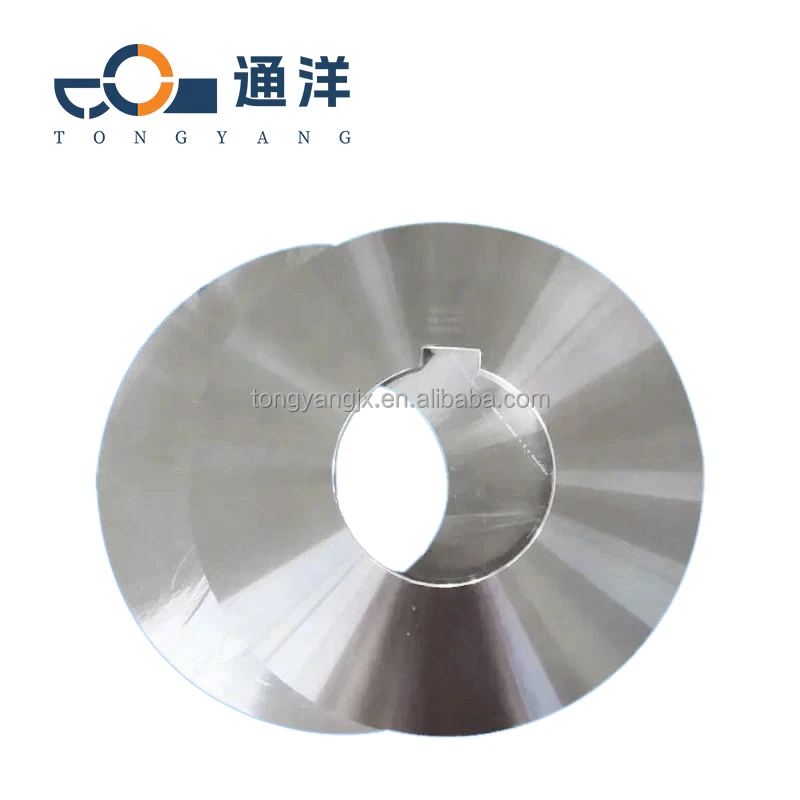
Adopt special corrugated paper circular arc slitting circular knives / straight flat knives, with mirror finish grinding on the cutting edge. The edge angle is controlled at 30°~45°; an overly sharp edge is prone to chipping, while an overly dull edge easily causes burrs and delamination.
Precise Adjustment of Knife Clearance

The clearance between upper and lower shear knives is set to 0.05~0.15 mm. Use a smaller clearance for thin corrugated paper and a larger one for 5-ply / 7-ply thick corrugated paper. Excessively large clearance will directly lead to burrs and delamination.
Speed Matching
Synchronize the linear speed of paper feeding and cutting speed to avoid tearing cuts caused by speed difference. Adopt follow-up servo tracking cutting for high-speed operation.
Moisture Content Control
Control the moisture content of corrugated paper within 8%~12%. Too dry will cause cracking and burrs; too wet will result in fiber adhesion and delamination. Keep the workshop at constant temperature and humidity to prevent moisture absorption and softening.
Cutting Direction Optimization
Give priority to cutting along the corrugation direction. Appropriately reduce the linear speed when cutting across corrugations, and install paper-pressing auxiliary rollers to prevent pulling and displacement.
Auxiliary Configuration
Equip with dust and chip suction devices and anti-static air blowing at the cutting section, to reduce secondary burrs caused by paper debris adhesion.
Structural Integrity: Corrugation collapse, flute crushing, collapse deformation
Core Causes
Excessive pressure of paper press wheels, excessively high hardness or overly wide contact surface of the lower cutting roller, excessive downward pressing depth of the cutter, overly rigid feeding pressure plate, and extrusion deformation of multi-layer corrugated board under force.
Solutions
Optimization of Paper Pressing Mechanism
Replace with soft silicone anti-slip paper press wheels, reduce the pre-pressure of the press wheels to the critical value of no deviation and no slipping, and avoid excessive compaction of corrugated flutes.
Lower Support Roller Adaptation
Adopt groove-type special rollers for corrugated board to evade corresponding flute profiles without directly squeezing the wave crests. Use rubber-covered rollers with medium hardness to prevent flute collapse caused by rigid pressure of solid steel rollers.
Cutting Depth Control
Adopt micro-shear cutting instead of deep pressure cutting. Only cut off the surface fibers without pressing down and squeezing the middle corrugated layers.
Sectional Feeding Support
Install suspended paper support frames for long-size corrugated boards to provide overhead middle support, preventing flute deformation caused by paper sagging under its own weight.
Layered Pre-pressing
Adopt multi-point light pressing for thick seven-layer corrugated board instead of overall heavy pressing, to disperse stress and prevent local crushing.
Dimensional Accuracy: Cut deviation, diagonal cut, length dimension error
Core Causes
Paper feed roller slippage, excessive guide rail gap, cutter shaft deflection, machine overall vibration, asynchronous front-rear paper feeding, loose stop plate positioning, paper stress deflection.
Solutions
Feed Transmission Calibration
The front and rear feed rollers adopt synchronous servo linkage. The roller surface is knurled for anti-slip performance. Regular cleaning of rubber dirt is required to prevent slippage. Constant tension control is applied to avoid uneven feeding speed.
Mechanical Precision Calibration
Regularly calibrate the parallelism of the cutter shaft and the clearance of linear guide rails to eliminate axial play. Secure and lock the cutter disc firmly to prevent skewed cuts caused by slight runout
Positioning Baffle Reinforcement
Install positioning locking devices on the side gauge baffles and adopt wear-resistant limit strips to prevent displacement during long-term operation. Adopt slight side pressure limiting to avoid over-clamping and positional deviation.
Cutting Program Compensation
The system is integrated with length error compensation and skew angle compensation to realize dynamic correction for high-speed paper feeding.
Eliminate Uneven Paper Surface Tension
Install a web guide device at the feeding end to balance left and right tension, preventing skewed cuts and dimensional deviation caused by unilateral pulling.
Tool Life: Excessive wear, cutting edge chipping, tooth breakage
Core Causes
Insufficient hardness of tool material, poor grinding process, excessive rigid friction due to too small blade gap, mixing of impurities and sand particles, no cooling under high speed and high temperature, and impact cutting across corrugations.
Solutions
Material Upgrade
Adopt high-speed steel, alloy inserted edge and tungsten steel special blades for corrugated paper. Featuring high hardness, wear resistance and impact resistance, the service life is increased by 3–5 times compared with ordinary carbon steel blades.
Reasonable Grinding and Impact Avoidance
Perform edge passivation treatment (micro chamfering) to prevent edge chipping of sharp cutting edges under impact; reduce the cutting speed for buffering during cross-corrugation cutting, so as to lower the instantaneous impact load on the blade edge.
Reasonable Blade Gap Reservation
Avoid rigid hard friction caused by an excessively small blade gap, which will lead to rapid wear under long-term dry friction. Recheck the gap regularly and fine-tune it timely when wear occurs.
Dust and Impurity Removal
Install brush dust removal devices at the feeding end to clean sand particles, paper scraps and hard impurities on the paper surface, preventing hard objects from damaging the blade edge.
Cooling and Lubrication
Equip air cooling / micro-spray lubrication for high-speed cutting to reduce high-temperature annealing wear of the blade edge and extend service life.
Regular Maintenance
Establish a periodic inspection system for tools. Grind the blades in a timely manner when slight wear appears, and prevent blade chipping and scrapping caused by operation with worn blades.
High-speed Stability: Whole machine vibration, paper deviation, material offset
Core Causes
Poor dynamic balance of cutter shaft, insufficient frame rigidity, bearing wear, unbalanced feed roller, high-speed resonance, uneven force on pressure roller.
Solutions
Dynamic Balance Calibration
Dynamic balance inspection must be performed on new cutter discs and after blade grinding to eliminate eccentric vibration during high-speed rotation; the cutter shaft shall be straightened regularly.
Frame and Structural Reinforcement
Reinforce the equipment frame with rib plates, adopt base counterweight for shock absorption to reduce resonance during high-speed operation; install shock absorption pads on the ground.
Transmission and Bearing Maintenance
Replace worn bearings regularly and adjust the tension of synchronous belts to avoid jitter caused by transmission clearance; keep the concentricity of all rotating shafts.
Balanced Paper Pressing Force
Symmetrically adjust the pressure of left and right paper pressing wheels to ensure uniform stress and prevent unilateral deviation; match the pressure gradient of front and rear pressing wheels for stable feeding and offset-free cutting.
High-Speed Process Adaptation
Adopt segmented speed increase under ultra-high linear speed to avoid impact from sudden start and stop; optimize the cutting timing to avoid the resonance speed range of the equipment.

 Hot News
 EN
EN