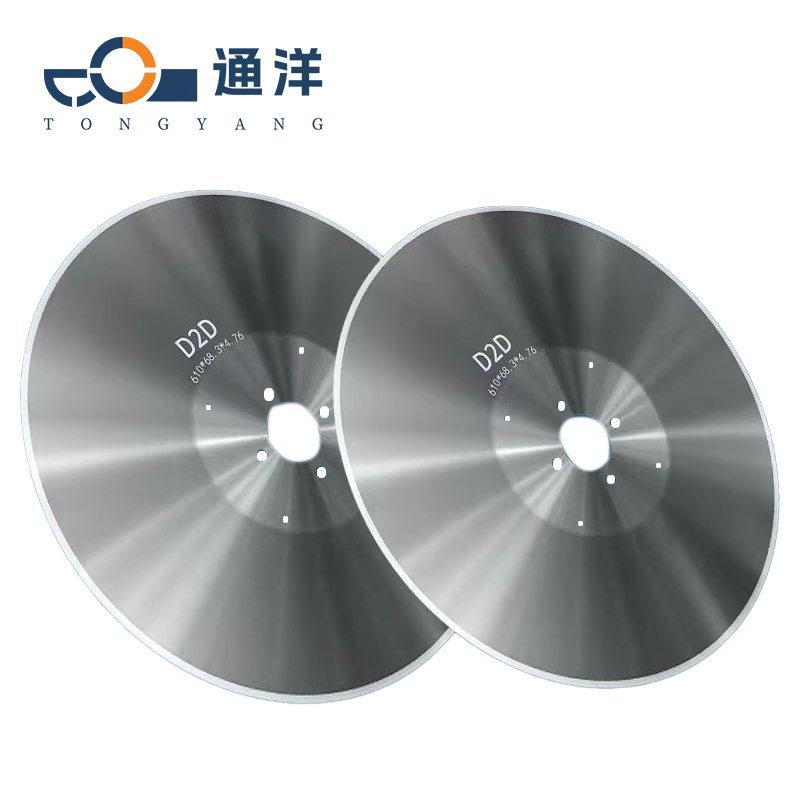
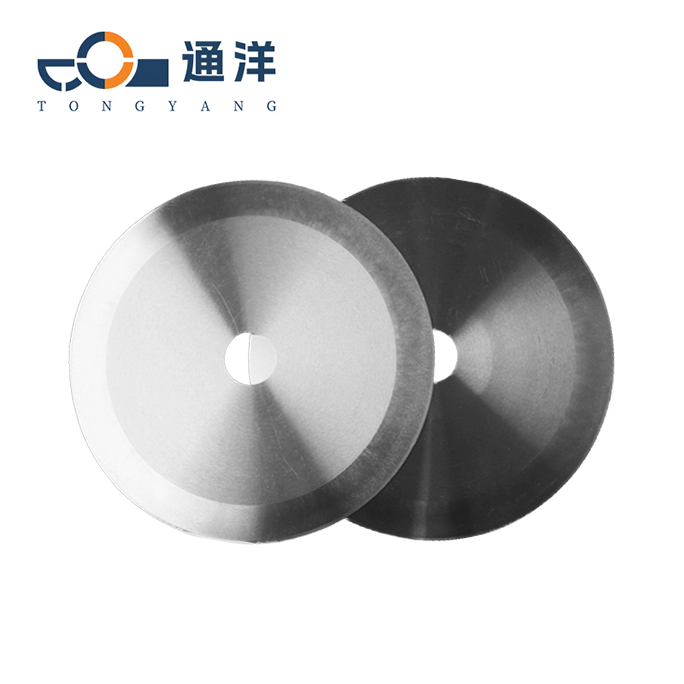
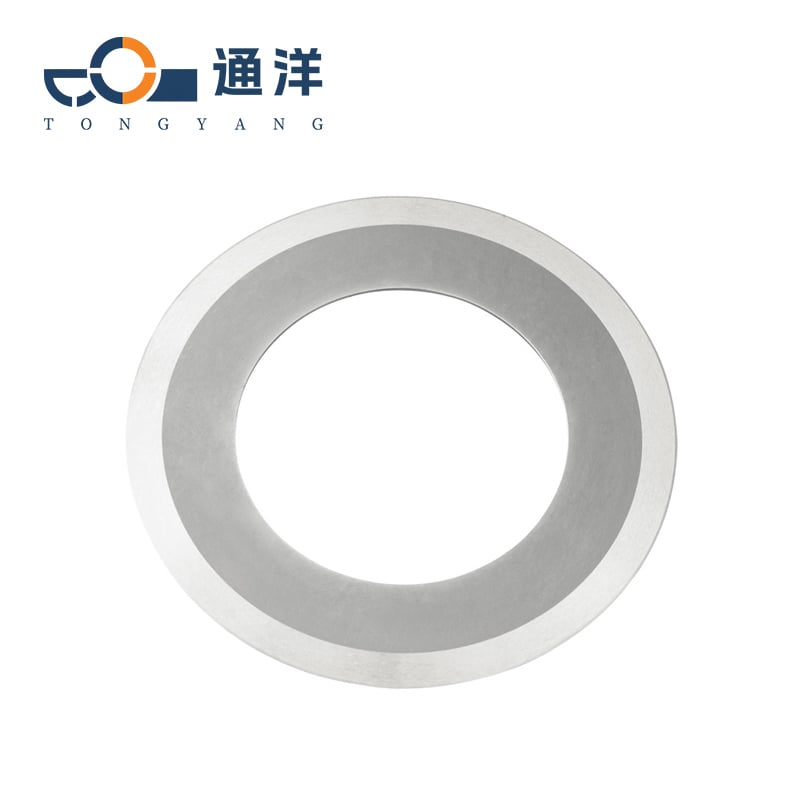
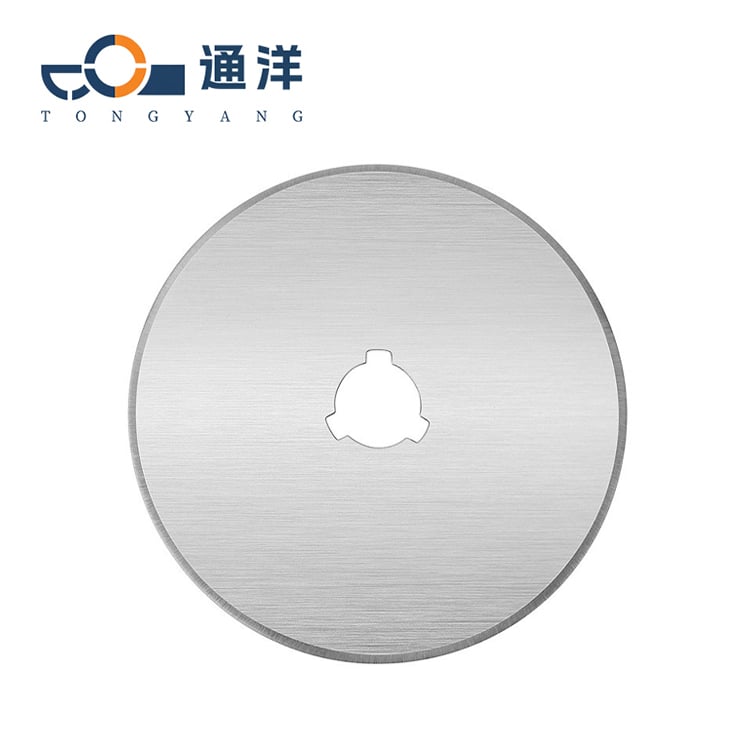
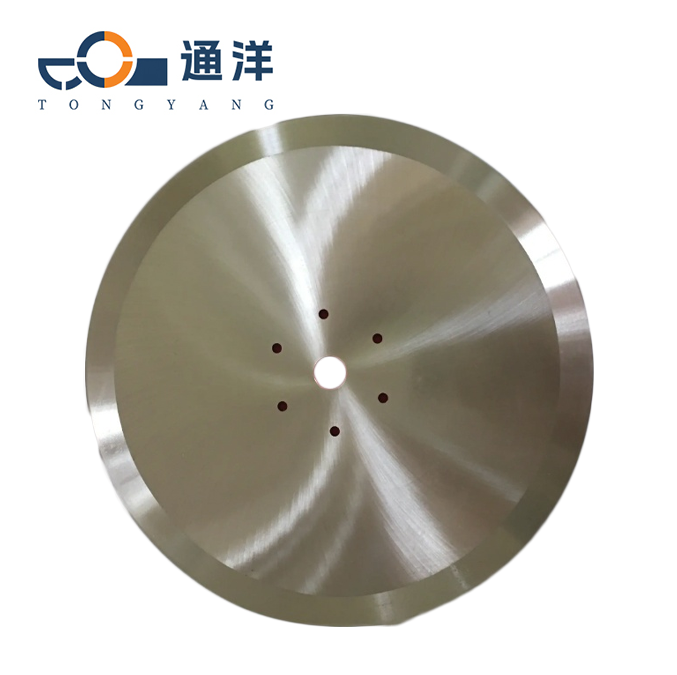
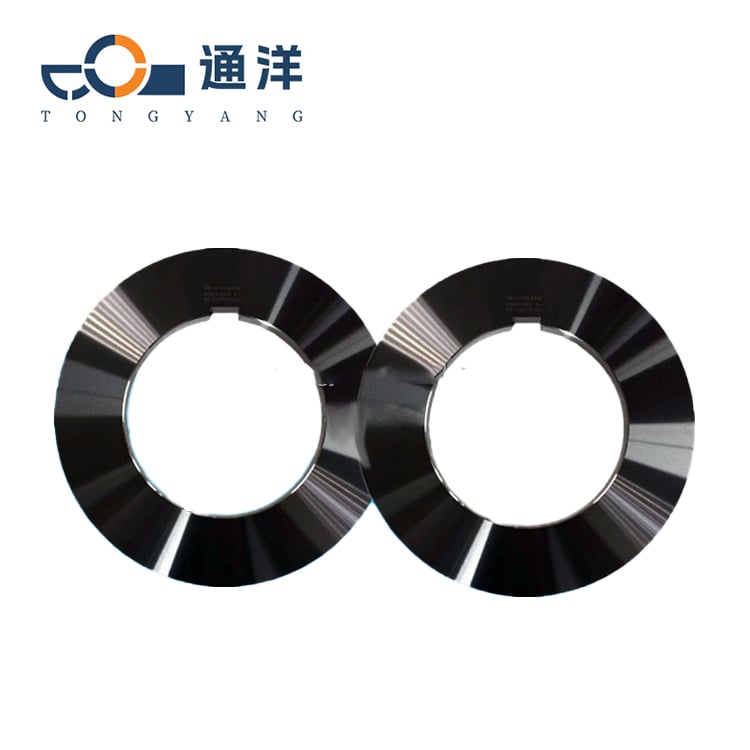
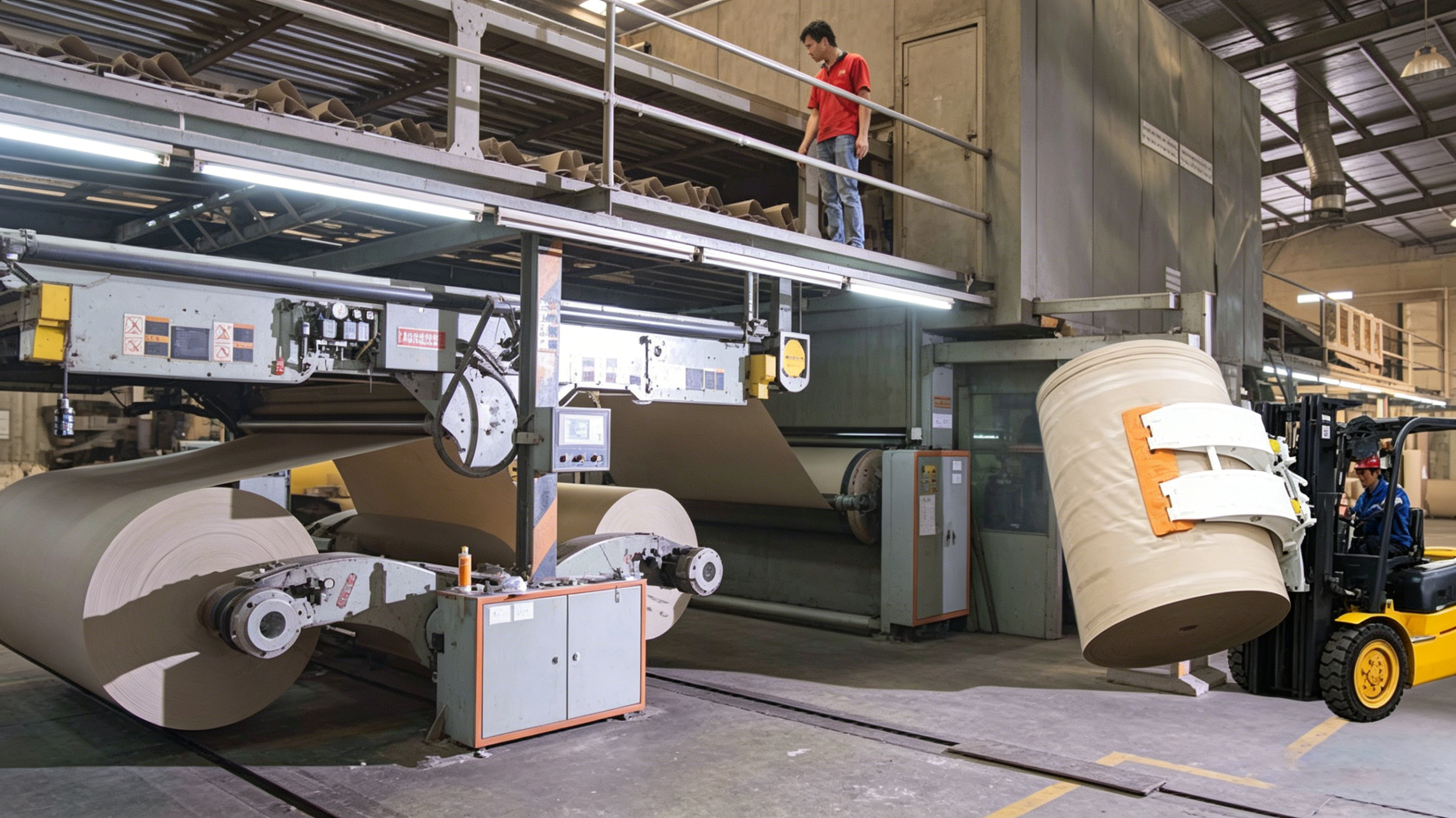
A single roll of corrugated paper weighs hundreds of kilograms and is fed onto high-speed cutting production lines, where it undergoes cutting, creasing and forming at a running speed of several hundred meters per minute.With such extreme line speed, ultra-high cutting precision is essential. Rough or cracked cutting edges will hinder stacking and transportation; even minor deviations in cuts may lead to the scrapping of the entire batch of products.
The difficulty in cutting corrugated paper lies in its three-layer composite structure, which tends to cause burrs, delamination and collapse at cutting edges. Meanwhile, it accelerates tool wear and makes it difficult to balance cutting speed and precision.

Due to the hollow structure of corrugated paper, uneven force occurs during blade cutting. Cutting perpendicular to the corrugation direction tends to crush the wave crests, causing edge collapse of the corrugated board and reducing the structural strength of finished products.
Cut edge quality defects
Poor blade sharpness or low fiber toughness causes fibers to be torn rather than cleanly cut, resulting in rough edges, burrs and paper dust.
The surface liner and corrugated core bear uneven force. During cutting or creasing, the core fractures while the surface liner lifts, leading to delamination, edge cracking and wrinkling.
Vertical cutting, excessive pressure or dull blades will flatten the corrugated structure, causing finished products to lose cushioning performance.
Improper blade gap adjustment, insufficient cutting pressure or excessive operating speed will result in incomplete partial cutting.
Blade wear
Poor blade sharpness or low fiber toughness causes fibers to be torn rather than cleanly cut, resulting in rough edges, burrs and paper dust.
The surface liner and corrugated core bear uneven force. During cutting or creasing, the core fractures while the surface liner lifts, leading to delamination, edge cracking and wrinkling.
Vertical cutting, excessive pressure or dull blades will flatten the corrugated structure, causing finished products to lose cushioning performance.
Improper blade gap adjustment, insufficient cutting pressure or excessive operating speed will result in incomplete partial cutting.
Impact of Technology and Environmental Conditions
The moisture content of corrugated paper is optimal at 10%–12%.
If too low (<8%), the paper becomes brittle and produces debris;
if too high (14%), it turns soft, sticks to the cutter and deforms easily.
Cutting along the corrugation direction features low resistance and superior cutting quality.
Cutting across the corrugation tends to cause collapse and tearing, which requires speed reduction and pressure increase.
For slitting equipment rigidity and vacuum adsorption:uneven platform and insufficient vacuum adsorption will lead to material warping and displacement, resulting in skewed cutting edges.
Summary
It is mainly manifested in five major difficulties: cut cleanliness (rough edges/delamination), structural integrity (corrugation collapse/crushing), dimensional accuracy (deviation/oblique cutting), tool service life (wear/chipping), and high-speed stability (vibration/material shifting). Comprehensive solutions shall be adopted from multiple dimensions, including tool selection, parameter matching, equipment rigidity optimization and material pretreatment.

 Hot News
 EN
EN