In the textile, garment, non-woven fabric and home textile processing industries, slitting multi-layer fabrics has long been plagued by production pain points such as frayed cut edges, loose fabric yarns, uneven cutting force and easily chipped blade teeth. Conventional manual knife holders rely on manual pressing with unstable pressure, which tends to pull thin knitted fabrics and lacks sufficient cutting force for thick denim and canvas. When paired with ordinary flat blades, an extra edge locking process is required, consuming considerable time and consumables during production.
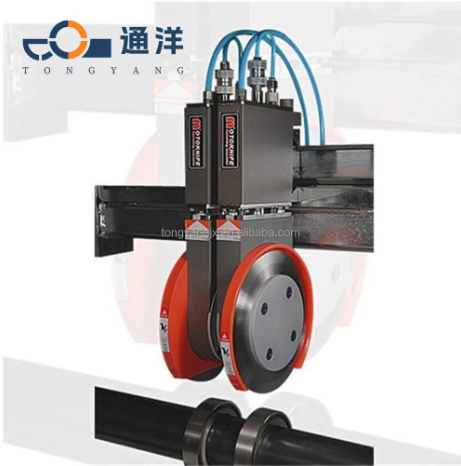
In contrast, the precision pneumatic slitting knife holder designed to work with serrated fabric cutting blades delivers consistent air pressure. It fully leverages the serrated blades’ advantage of preventing yarn fraying, making it core supporting equipment for mass fabric slitting. Below is a comprehensive analysis of this dedicated air-pressure knife assembly covering compatible specifications, matching blade materials, operating standards and application advantages.
Full specification compatibility, matches all series of serrated fabric cutting blades
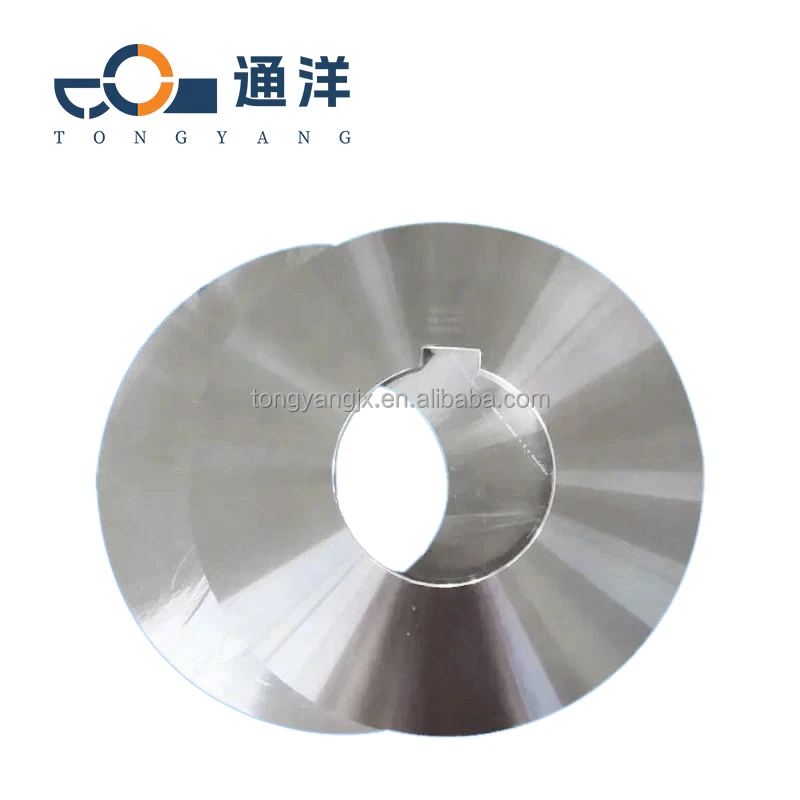
This pneumatic knife holder is tailor-made for long serrated blades and compatible with all standard-size blades widely available on the market, with a complete range of specifications covered:
1.Blade Length: 40mm, 50mm, 60mm, 80mm, 100mm, 120mm. Knife holders of corresponding lengths are optional as required, compatible with sample cutting machines, wide slitting machines and whole roll cutting equipment for home textiles.
2.Blade Thickness Compatibility: Supports installation of 2mm, 3mm and 5mm blades. The 3mm standard serrated blade is most widely used in industrial production, while the 5mm thickened blade is available for thick material processing without additional modification to the clamping space of the knife holder.
3.Universal for multiple tooth pitches: Serrated blades with 2mm fine teeth, 3mm standard teeth and 5mm coarse teeth can all be securely mounted. Fine-tooth blades are recommended for lightweight silk and knitted fabrics, while coarse-tooth blades suit thick materials such as denim, leather and non-woven fabrics. Easy switching between different blades.
4.Compatible mounting hole design: The knife holder is equipped with fixing positions at both ends and a middle fixing groove, compatible with serrated blades with holes drilled at both ends or in the middle. The hole spacing is finely adjustable, eliminating the need for custom non-standard blades.

Matching Scheme of Blade Materials to Extend the Overall Cutting Service Life of Knife Holders
The stable pressing performance of the pneumatic knife holder can be maximized when matched with serrated blades of corresponding materials. Matching schemes for different processing scenarios are listed as follows:
1.High-carbon Steel SK5/SK8 Blades: Suitable for sampling equipment in small and medium-sized garment factories with high cost performance. They are resistant to edge curling under uniform pneumatic pressure and ideal for daily cutting of common fabrics such as cotton and linen.
2.HSS High-Speed Steel Blades: The first choice for mass industrial processing. They feature heat resistance and impact resistance. When cutting multi-layer thick materials and leather under continuous heavy pneumatic pressure, the blades are not prone to tempering loss and tooth chipping, with greatly improved wear resistance.
3.Stainless Steel Serrated Blades: Specially designed for processing damp and washable home textile fabrics. The sealed clamping structure of the knife holder reduces water vapor corrosion. The blades are rust-proof and prevent rust stains from contaminating cut fabrics.
4.Alloy Tool Steel Blades: Matched for large wide-width slitting production lines with balanced hardness and toughness. Combined with constant pneumatic pressure, they support long continuous operation without frequent shutdowns for sharpening.
Standardized Operating Specifications for Installation, Sharpening and Maintenance
The pneumatic knife holder features powerful clamping force. The blade installation and routine maintenance directly determine cutting quality and blade service life, and this complete set of standardized procedures is suitable for serrated blades.
Blade Installation Steps :Thoroughly clear fabric debris and oil stains inside the knife holder first. Place the serrated blade into the clamping groove with the serrations facing outward. Align the fixing holes and fasten the screws evenly in a diagonal sequence. Do not fully tighten screws on one side at a time, which will cause the long blade to twist and deform under stress. After securing the blade, push it gently for inspection; the installation is qualified if there is no wobbling or warping
Professional Sharpening Operation :Once the tips of the serrated blade become dull, problems such as fabric pulling and severe fraying of cutting edges will occur, so regular sharpening maintenance is required. Use a diamond sharpening stone or dedicated machine sharpener matched with the equipment to grind the tooth tips evenly along the angle of serrations, ensuring all cutting teeth are equally sharp. Do not grind with ordinary coarse grinding wheels, as this will easily lead to tooth tip damage and chipping
Daily Maintenance of Equipment and Blades :After daily production, remove the blade and clear oil stains and fiber residues on the knife holder and blade surface. Wipe them dry, apply anti-rust oil before storage.
Cutting hard materials such as metal and hard plastic is strictly prohibited during cutting operations. Contact between hard objects and serrations will directly crack the cutting teeth and damage the clamping surface of the blade and knife holder.
When the machine will be out of service for a long time, loosen the clamping screws of the knife holder to release pressure, preventing the elastic parts of the knife holder from aging due to long-term compression
Core Advantages of Pneumatic Knife Holders with Serrated Blades
Constant air pressure for consistent cutting without fabric pulling:
Unlike manual knife holders that deliver inconsistent pressure, the pneumatic structure maintains stable clamping force. Thin knit fabrics and chiffon avoid stretching or deformation during cutting, while multi-layer denim and canvas can be fully cut through in one pass. Combined with serrated cutting edges, the cut edges naturally form a serrated texture that locks fabric fibers together, eliminating the need for edge overlocking.
 Hot News
Copyright © 2026 Ma 'anshan Tongyang Machinery Equipment Co., Ltd. All rights reserved. Privacy policy
 EN
EN