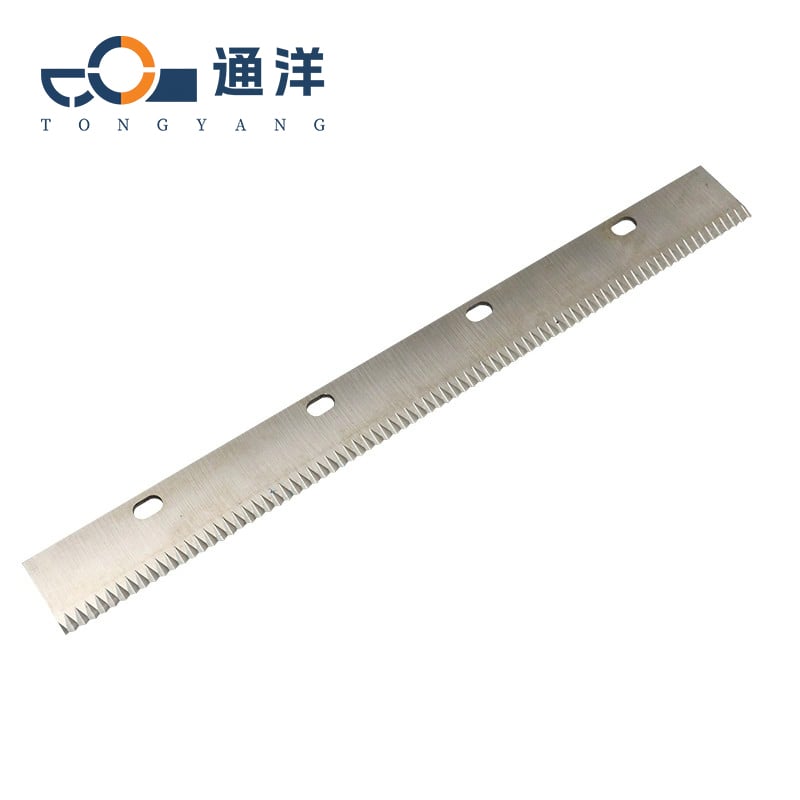
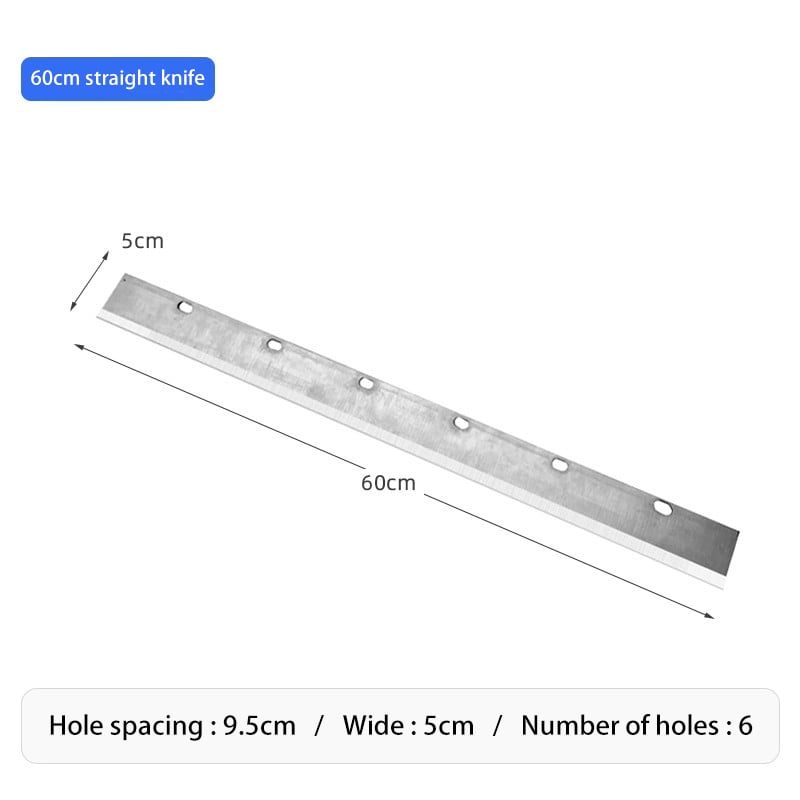
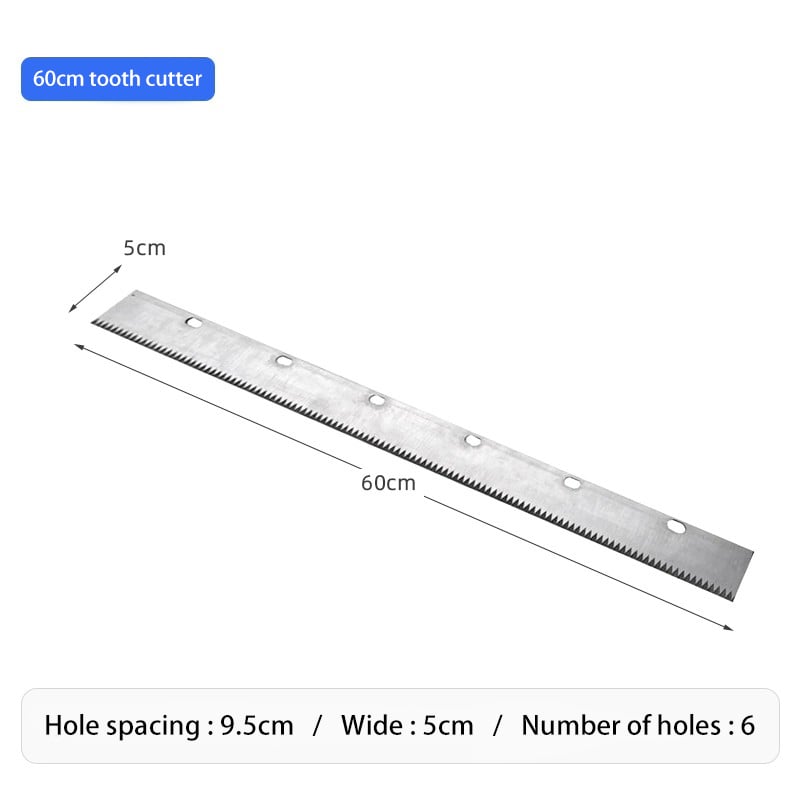
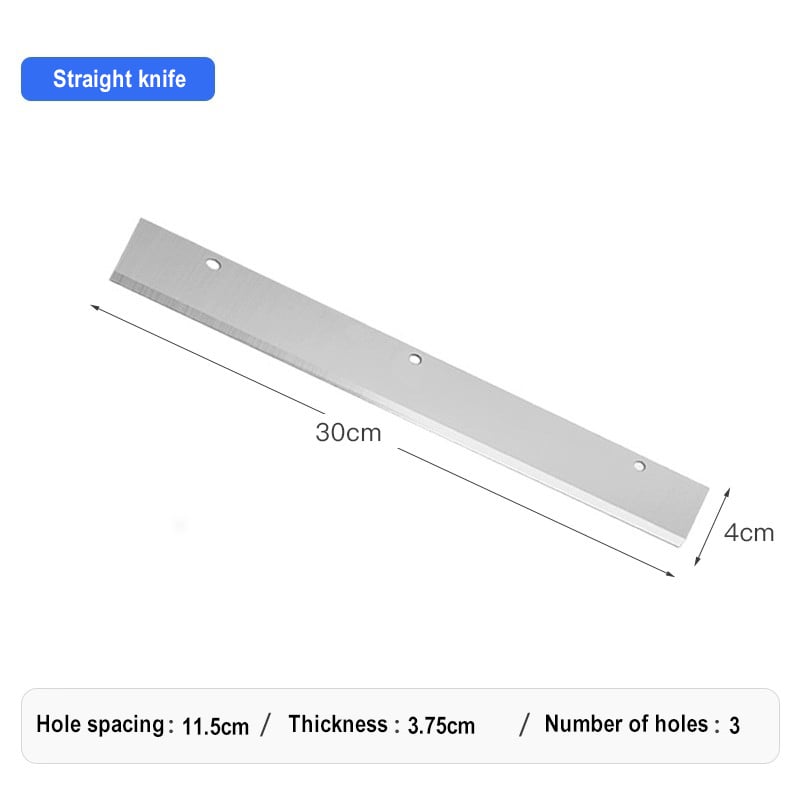
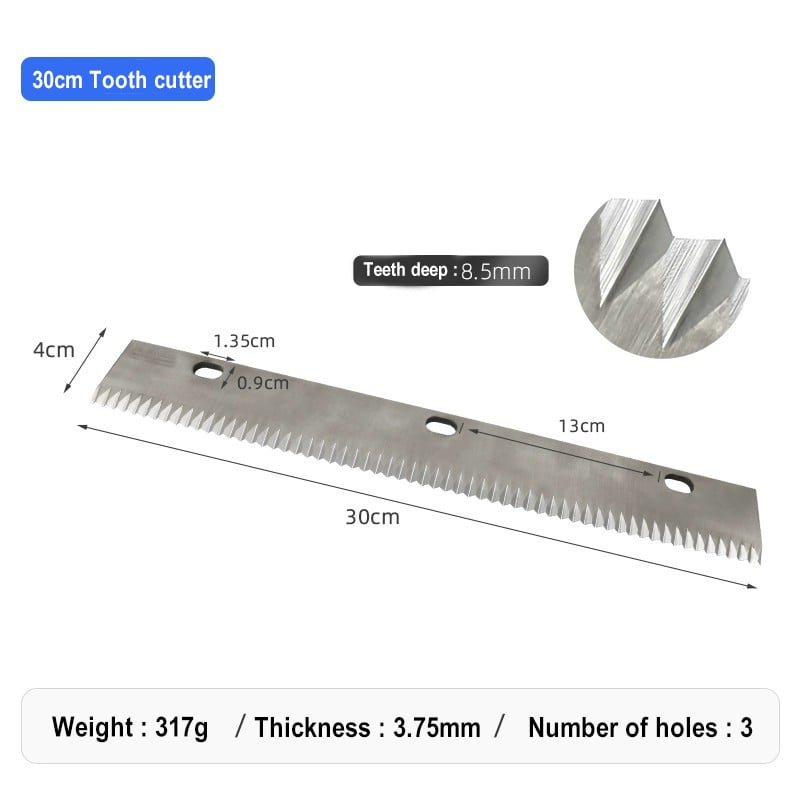
Fabric cutting machine blades feature two types of cutting edges: serrated edges and straight edges. Different edges are suitable for different application scenarios.
Core Types and Shapes
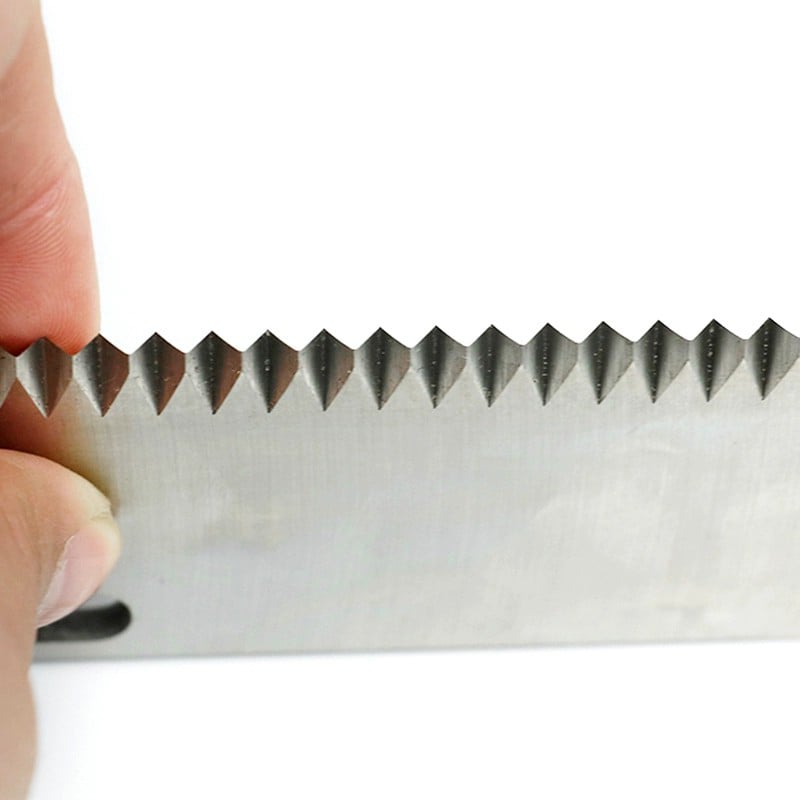
Blades with serrated cutting edges produce zigzag fabric edges upon cutting, effectively preventing fraying and eliminating overlocking requirements. They are widely used for cutting apparel, home textile and leather materials.
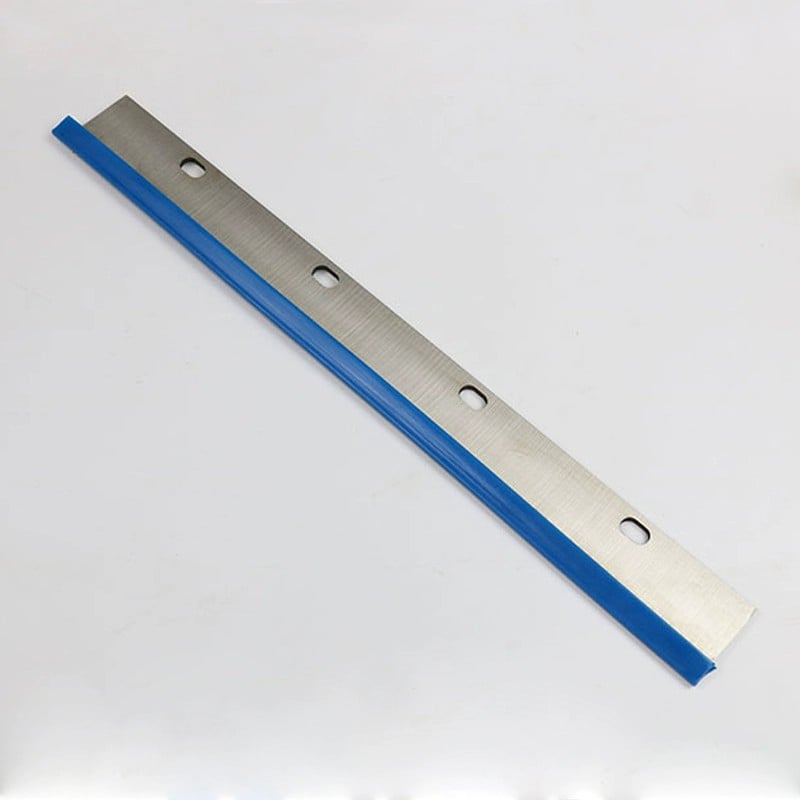
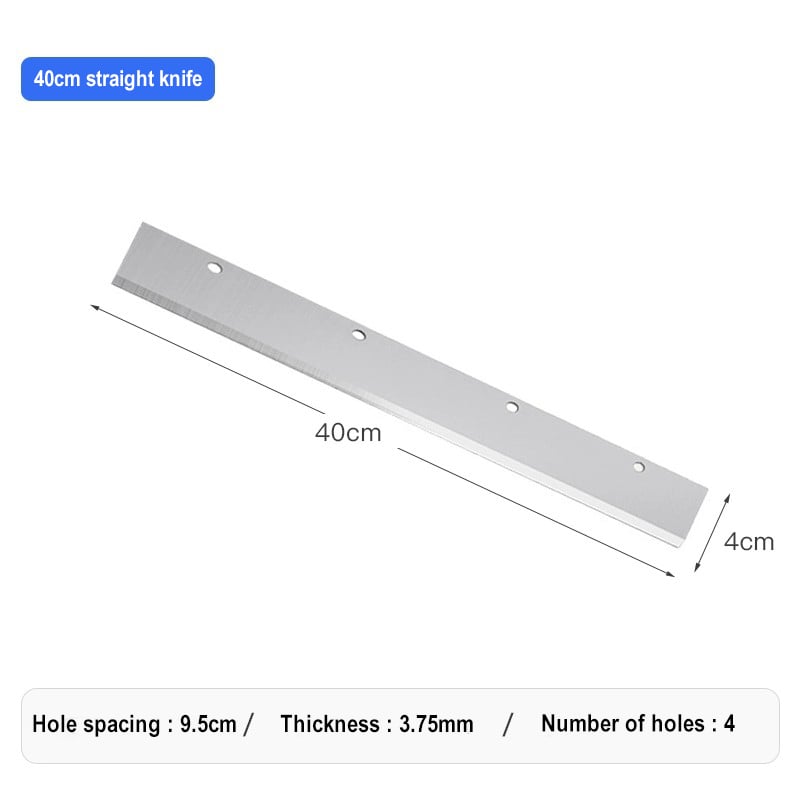
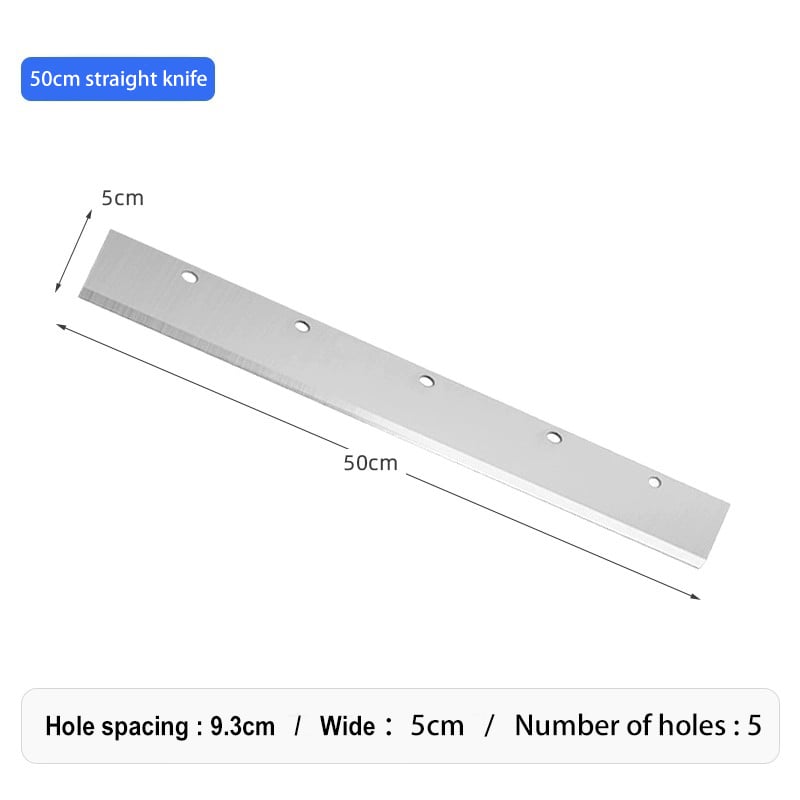
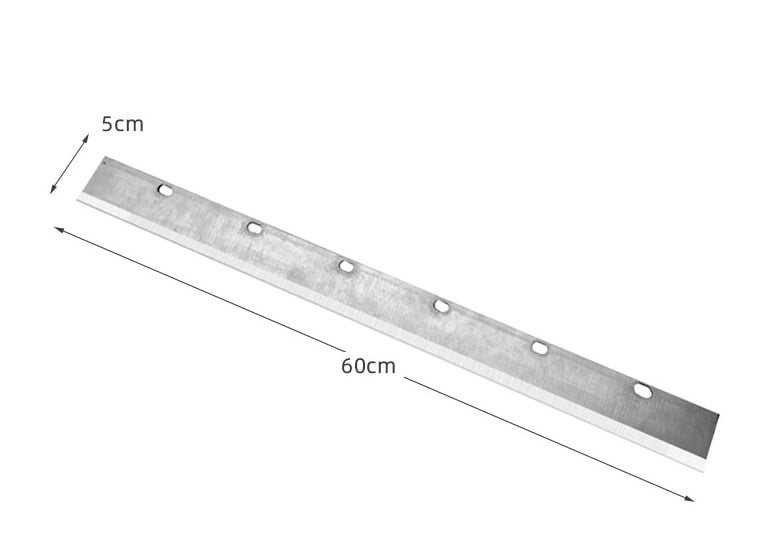
Straight flat-edge long blades fit manual and electric fabric cutting machines, with lengths ranging from 400 mm to 1200 mm; sizes of 400 mm, 500 mm and 600 mm are the most common.
Common Specifications
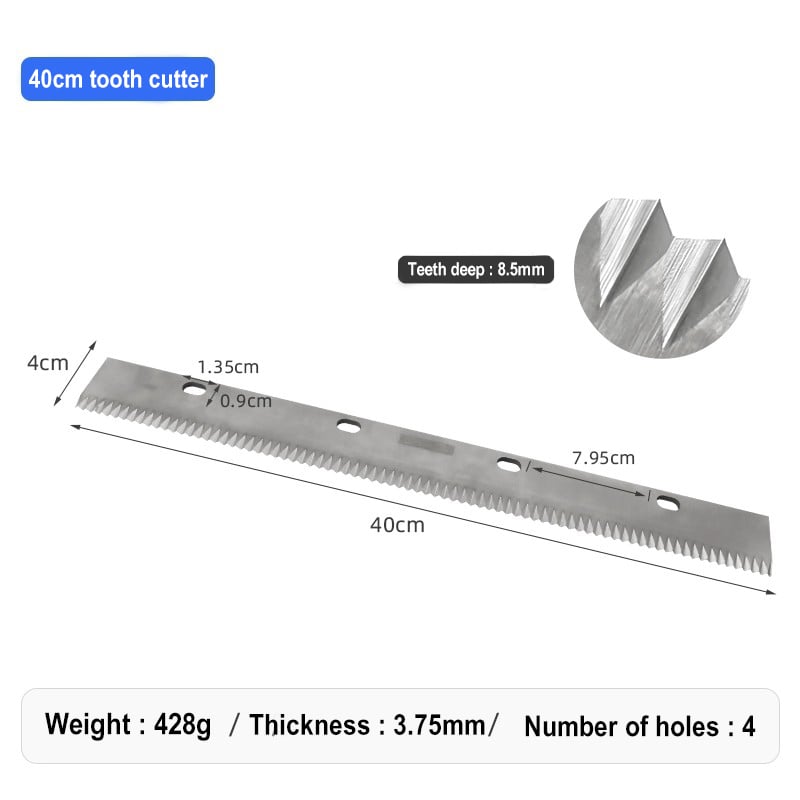
Length: 400mm (40cm), 500mm (50cm), 600mm (60cm), 800mm, 1000mm, 1200mm
Thickness: 2mm, 3mm, 5mm (3mm is commonly used for industrial applications)
Pitch: 2mm (fine tooth), 3mm (standard tooth), 5mm (coarse tooth)
Mounting Holes: Fixing holes at both ends or in the middle; hole spacing customized to match relevant machines
Material And Performance
High Carbon Steel (SK5/SK8): Cost-effective with hardness of HRC58–62. Sharp and wear-resistant, suitable for general fabrics and paper cutting.
High-Speed Steel (HSS): Good heat resistance and toughness, hardness HRC62–65, ideal for thick materials, leather and multi-layer cutting.
Stainless Steel: Rust-proof and applicable for humid working environments, with slightly lower hardness, mainly for thin lightweight fabrics.
Alloy Tool Steel: Containing chromium, molybdenum and vanadium, balanced hardness and toughness, long service life, widely adopted for industrial-grade blades.
Application Scenarios And Advantages
Anti-fraying: Serrated cut disperses fabric fibers to prevent edge unraveling and reduce overlocking procedures.
High efficiency: One-step forming cutting, ideal for bulk sampling, garment cutting and home textile processing.
Decorative property: Serrated edges can serve as finished lace for cloth art and accessory production
Key Points for Installation & Maintenance

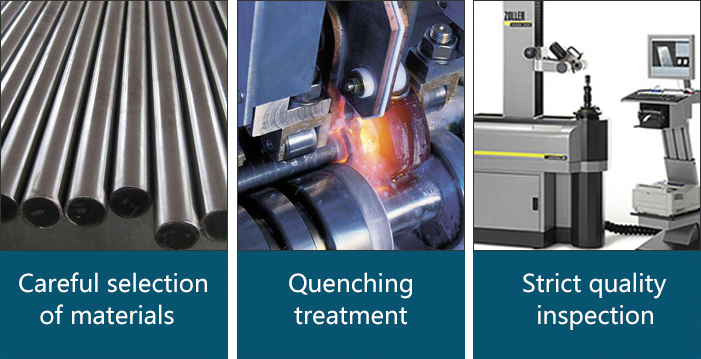
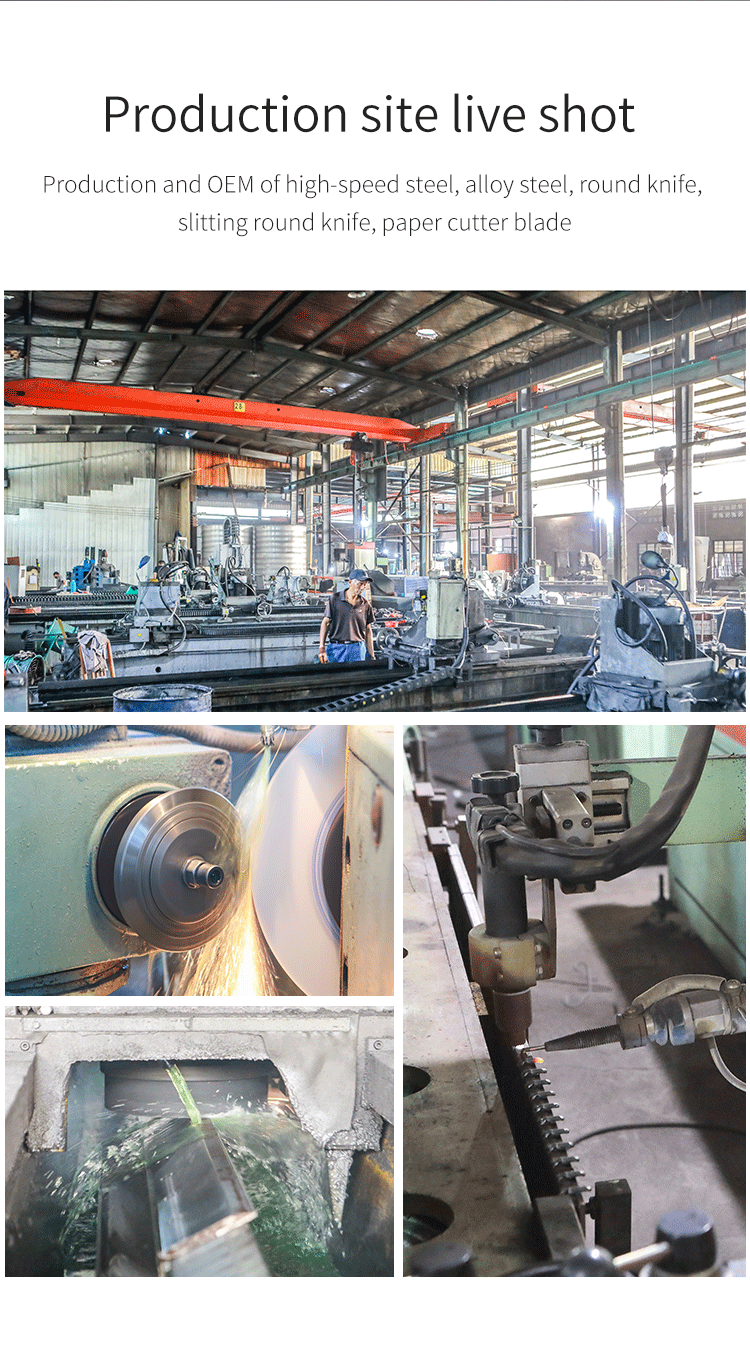
From material selection, production to quality inspection, we strictly follow the Standard Operating Procedure (SOP). In the material selection process, we have in-depth cooperation with top suppliers in the industry and carefully select high-purity and high-performance raw materials such as high-quality steel and cemented carbide to ensure that every industrial blade has excellent hardness, wear resistance, and red hardness from the source. During the production process, we use numerically controlled precision machining equipment and cutting edge manufacturing processes, implementing precision requirements throughout every single procedure. Whether it is the edge grinding of the blade, heat treatment strengthening, or the shaping of the overall structure, we strive for perfection. In the quality inspection stage, we adopt a multi-dimensional inspection system, covering dozens of strict indicators such as hardness testing, sharpness inspection, wear resistance simulation, and dimensional accuracy calibration. Through the dual verification of professional instruments and manual rechecking, we prevent any defective products from entering the market.
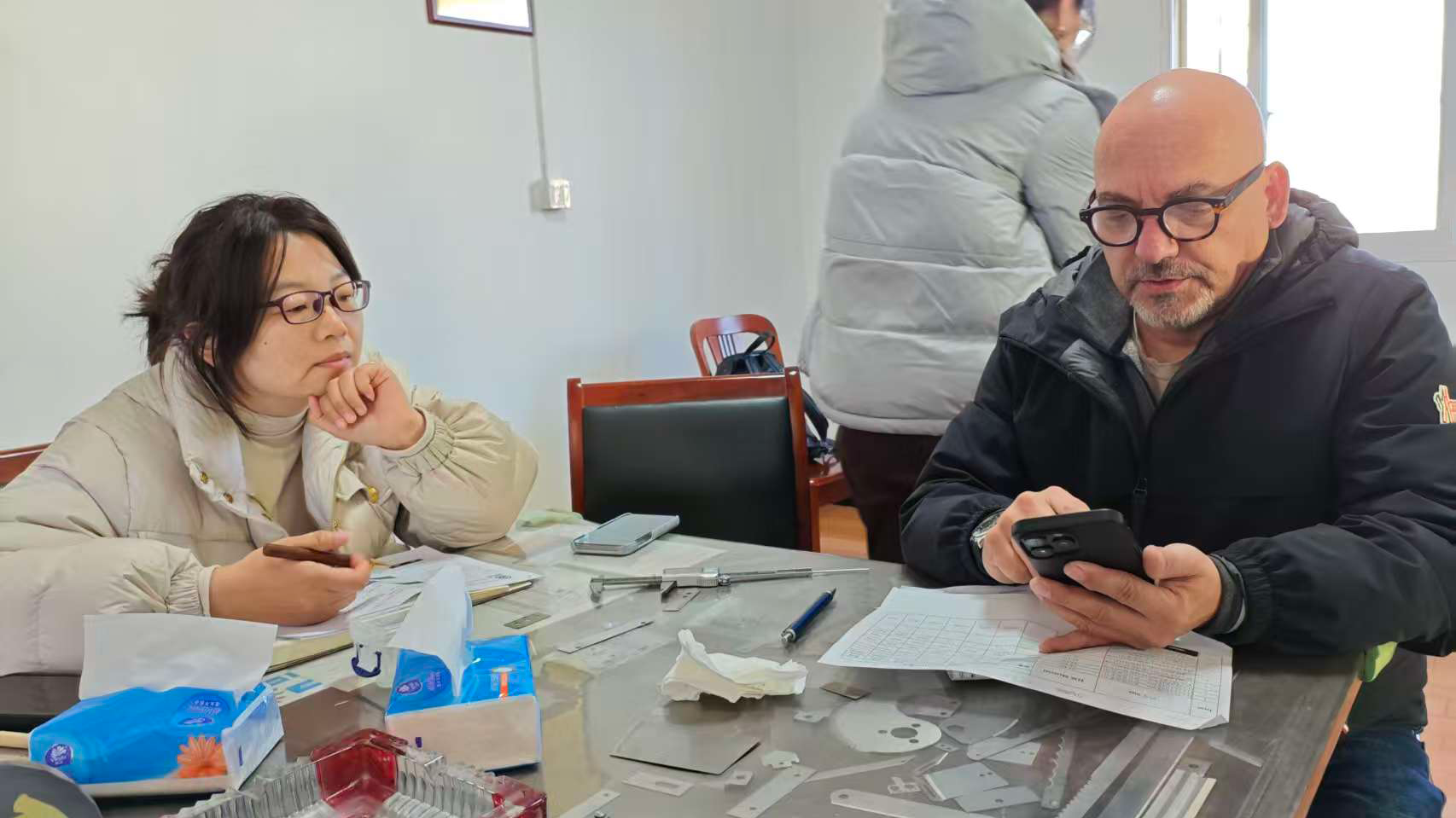
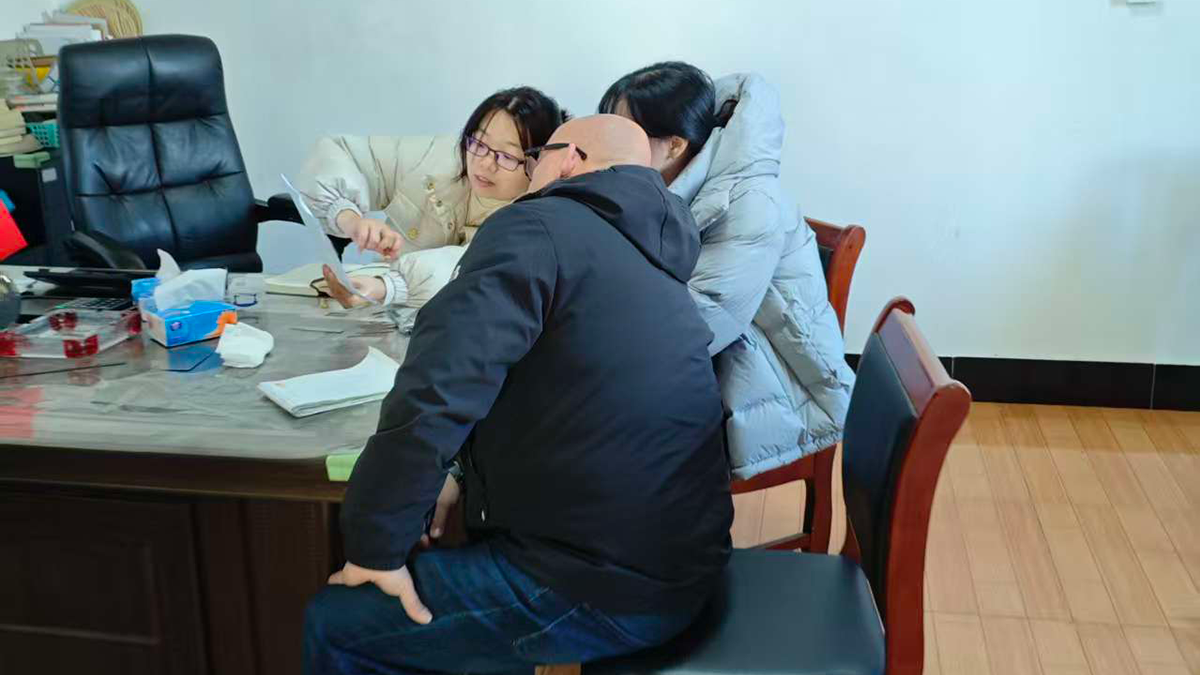
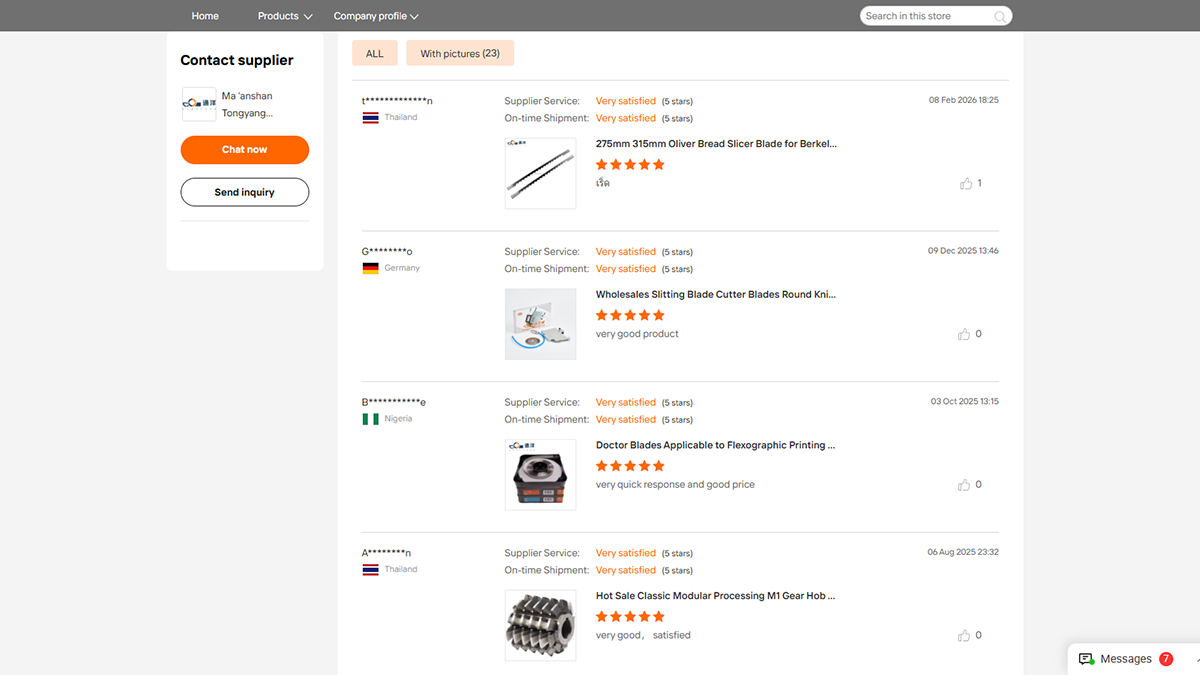
Customers Feedback

Copyright © 2026 Ma 'anshan Tongyang Machinery Equipment Co., Ltd. All rights reserved. Privacy policy
 EN
EN
