Thin Blade Rotary Machine - Precision Cutting Solutions for Industrial Applications

All Categories

Get a Free Quote

Our representative will contact you soon.
Email
WhatsApp
Name
Company Name
Message
0/1000

thin blade rotary machine

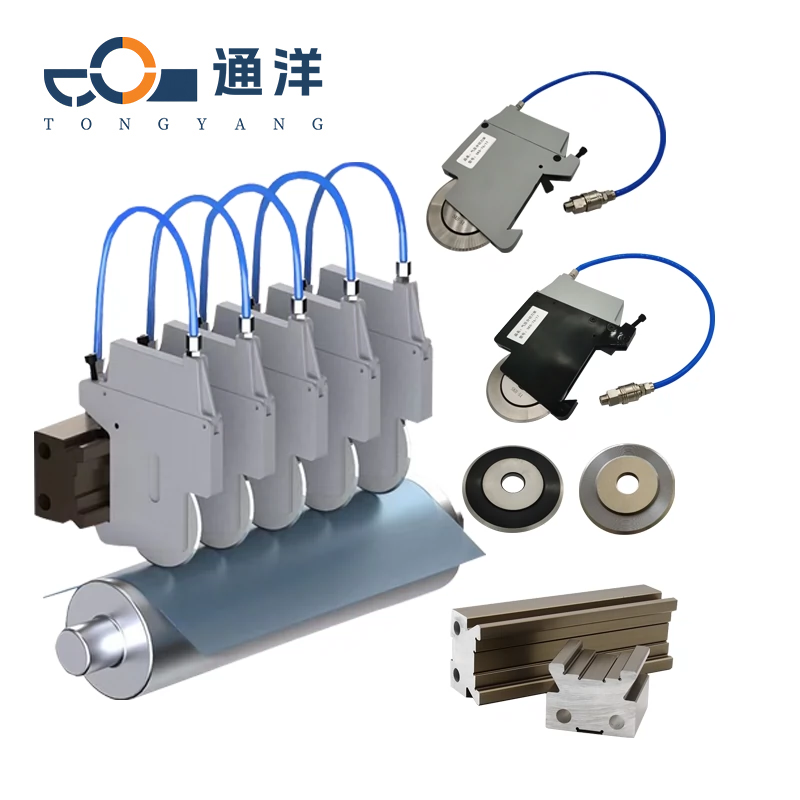
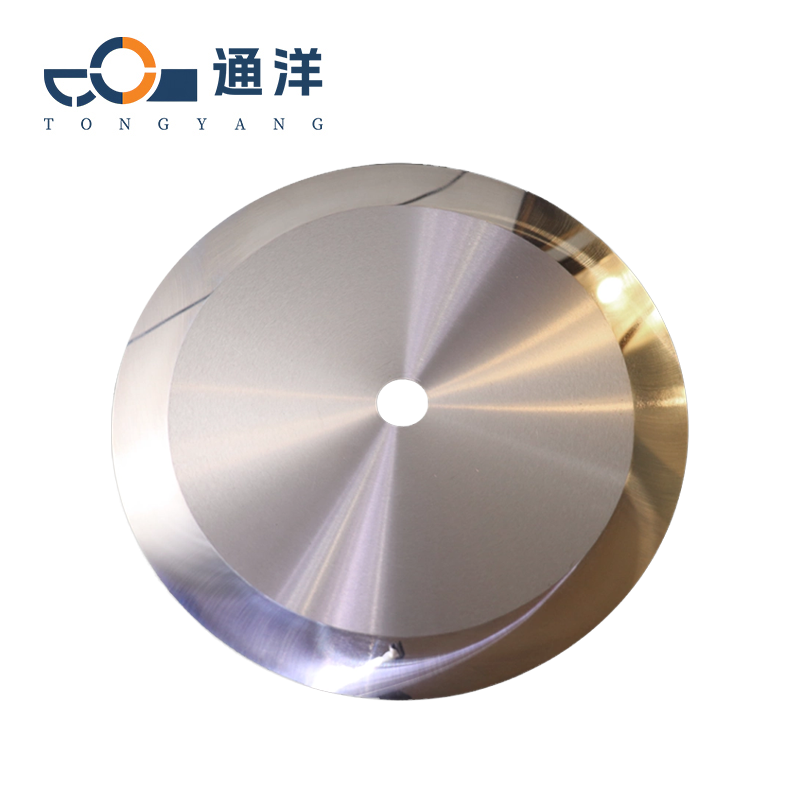
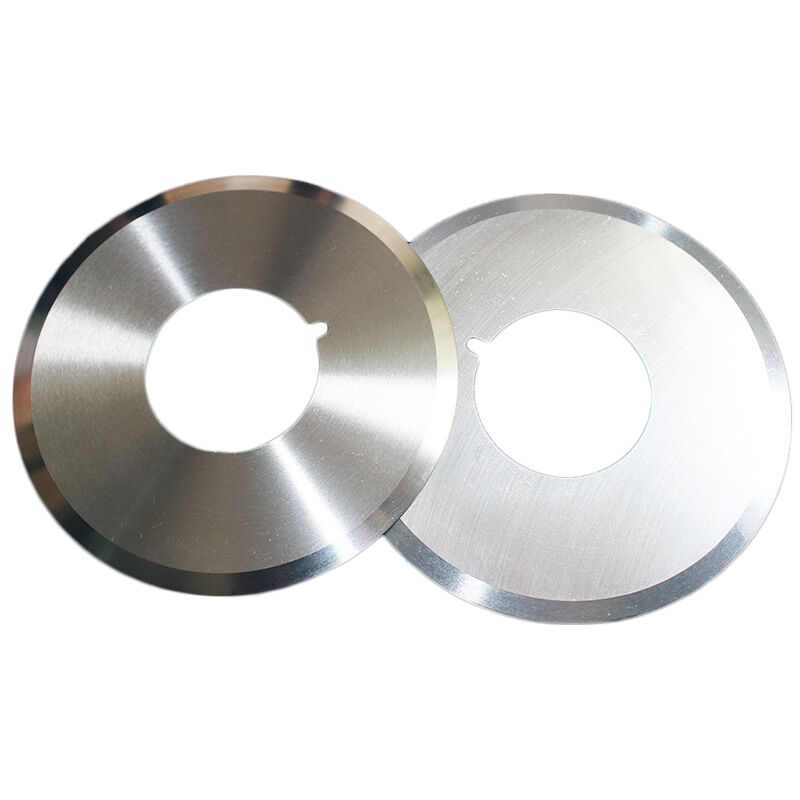
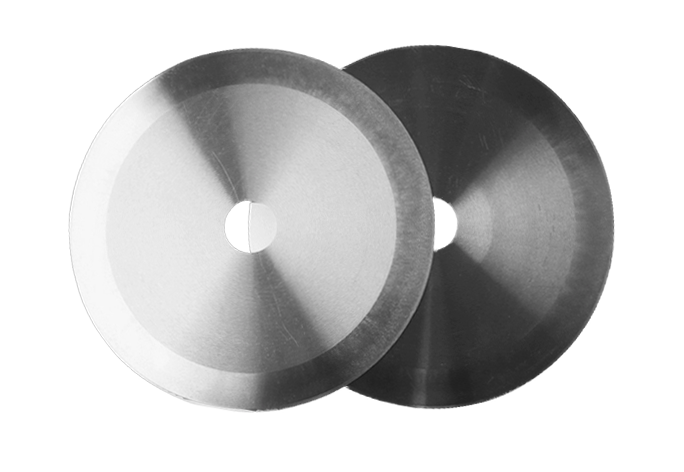
The thin blade rotary machine represents a sophisticated cutting solution engineered for precision slicing operations across diverse industrial sectors. This advanced equipment utilizes ultra-thin circular blades mounted on a rotating mechanism to deliver accurate, clean cuts through various materials with minimal waste generation. The thin blade rotary machine operates through a motorized system that spins specialized cutting blades at controlled speeds, enabling operators to achieve consistent results across high-volume production environments. Its primary functions encompass slicing, portioning, and sectioning materials ranging from food products to industrial components with exceptional accuracy. The technological architecture of this machinery incorporates variable speed controls, adjustable blade positioning systems, and automated feeding mechanisms that enhance operational efficiency. Modern iterations feature digital interfaces that allow operators to program cutting specifications, monitor blade performance, and track production metrics in real-time. The machine's design prioritizes material conservation by employing blades with reduced thickness, which translates to narrower cutting paths and less material loss per operation. Applications span multiple industries including food processing facilities where the thin blade rotary machine handles delicate slicing of meats, cheeses, vegetables, and baked goods. Manufacturing sectors utilize this equipment for cutting rubber components, foam materials, textiles, and composite substances that require precision sectioning. The pharmaceutical industry employs these machines for tablet scoring and capsule preparation, while packaging operations leverage their capabilities for film cutting and material sizing. Safety features integrated into contemporary models include emergency stop mechanisms, blade guards, and sensor systems that detect operator proximity. Maintenance protocols remain straightforward, with accessible blade replacement systems and self-cleaning functions that reduce downtime. The thin blade rotary machine continues evolving with innovations in blade metallurgy, drive system efficiency, and automation integration, making it an indispensable asset for operations demanding precision cutting capabilities combined with production speed and material economy.

New Products

Choosing a thin blade rotary machine delivers substantial practical benefits that directly impact your operational efficiency and bottom line. The most immediate advantage comes from material savings, as the ultra-thin blades remove significantly less material during each cut compared to conventional cutting equipment. This reduction in waste means you extract more finished products from the same quantity of raw materials, directly improving your profit margins on every production run. The precision capabilities allow you to maintain strict dimensional tolerances across thousands of cuts, ensuring product consistency that meets quality standards and reduces rejection rates. Your production speed increases substantially because these machines operate continuously with rapid cutting cycles that far exceed manual methods or older cutting technologies. The automated feeding systems eliminate the need for constant operator intervention, freeing your workforce to focus on quality control, packaging, or other value-added tasks rather than standing at a cutting station. Energy efficiency represents another practical benefit, as modern thin blade rotary machine designs consume less power than hydraulic cutters or band saw systems while delivering superior results. The reduced energy consumption translates to lower utility costs over the equipment's operational lifetime. Maintenance requirements remain minimal due to simplified mechanical designs with fewer moving parts that might fail or require adjustment. When blade replacement becomes necessary, the process takes minutes rather than hours, minimizing production interruptions and keeping your operation running smoothly. Versatility stands out as a key advantage because a single machine handles multiple cutting tasks across different materials by simply adjusting speed settings and blade selection. This flexibility eliminates the need to purchase separate specialized equipment for each material type, reducing your capital equipment investment. The clean cutting action produces finished edges that often require no additional processing, eliminating secondary finishing operations and associated labor costs. Operator training proceeds quickly because the intuitive controls and straightforward operation allow new team members to achieve proficiency within days rather than weeks. Safety improvements protect your workforce, as enclosed blade housings and automatic shutdown features prevent accidents that plague older cutting methods. The compact footprint of these machines conserves valuable floor space in your facility, allowing you to maximize production capacity within existing buildings without costly expansions. Noise levels remain lower than alternative cutting technologies, creating a more comfortable work environment and helping you meet workplace regulations. The consistent performance delivers predictable output that simplifies production planning and inventory management, allowing you to confidently commit to customer delivery schedules. Overall, the thin blade rotary machine transforms cutting operations from a bottleneck into a competitive advantage through tangible improvements in cost efficiency, product quality, and operational flexibility.

Latest News

How to Choose the Perfect Rubber Cutting Knife

25

Mar

How to Choose the Perfect Rubber Cutting Knife

In industrial manufacturing and crafting applications, selecting the right cutting tool can significantly impact productivity, precision, and safety. A rubber cutting knife serves as an essential instrument for professionals working with various rubb...
View More
Comparing Steel vs Ceramic Paper Cutting Blades

30

Mar

Comparing Steel vs Ceramic Paper Cutting Blades

When selecting the right paper cutting blade for industrial or commercial applications, the choice between steel and ceramic materials represents one of the most critical decisions affecting cut quality, operational efficiency, and long-term costs. E...
View More
Common Slitter Blades Problems and Solutions

30

Mar

Common Slitter Blades Problems and Solutions

Manufacturing operations that rely on slitter blades face a variety of challenges that can significantly impact production efficiency, material quality, and operational costs. Understanding the most common problems associated with slitter blades and ...
View More
How to Sharpen Your Circular Knife: Step-by-Step Guide

30

Apr

How to Sharpen Your Circular Knife: Step-by-Step Guide

Maintaining the sharpness of your circular knife is essential for achieving clean, precise cuts in industrial and commercial applications. Whether you work in rubber processing, textile manufacturing, paper cutting, or food production, a dull circula...
View More

Get a Free Quote

Our representative will contact you soon.
Email
WhatsApp
Name
Company Name
Message
0/1000

thin blade rotary machine

Unmatched Precision Engineering for Superior Cut Quality

Unmatched Precision Engineering for Superior Cut Quality

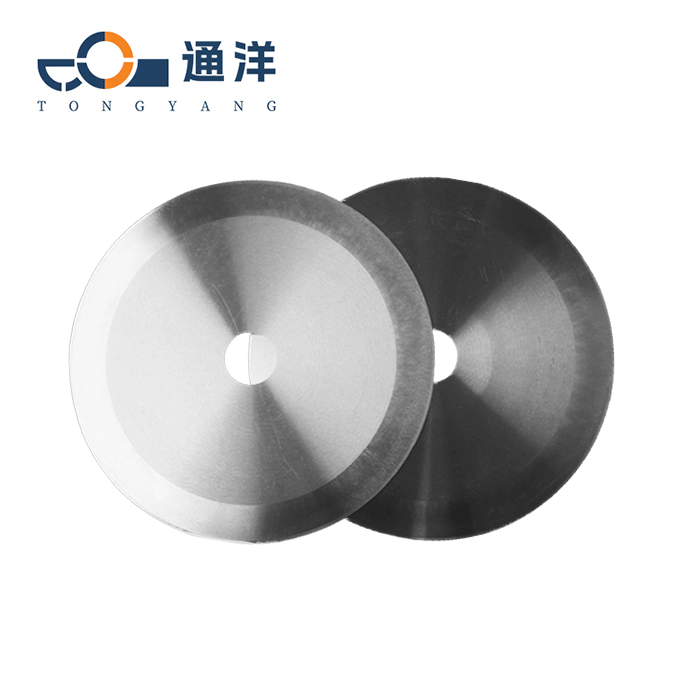
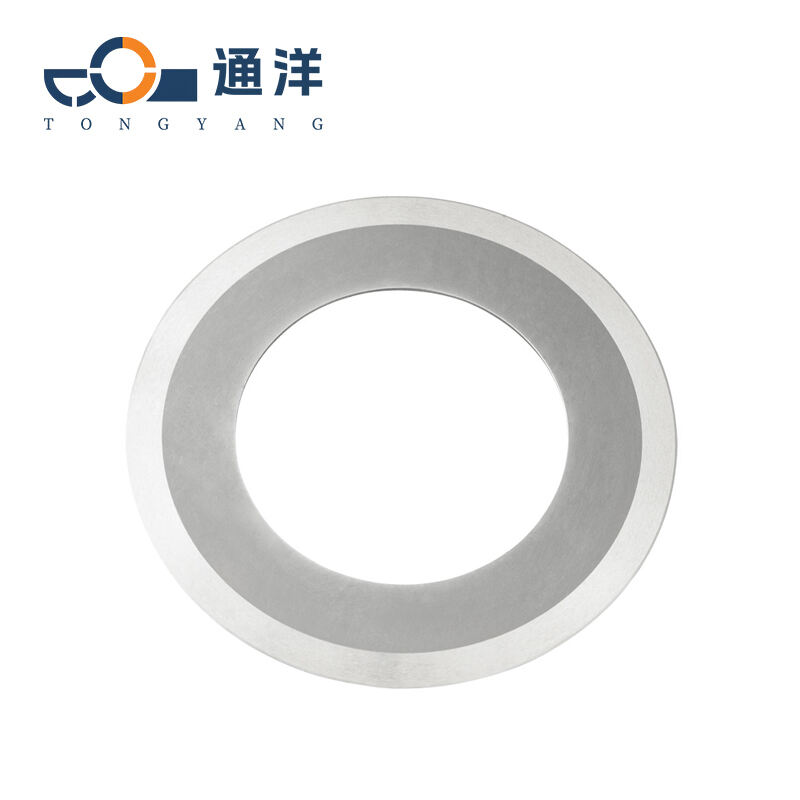
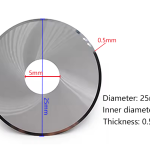
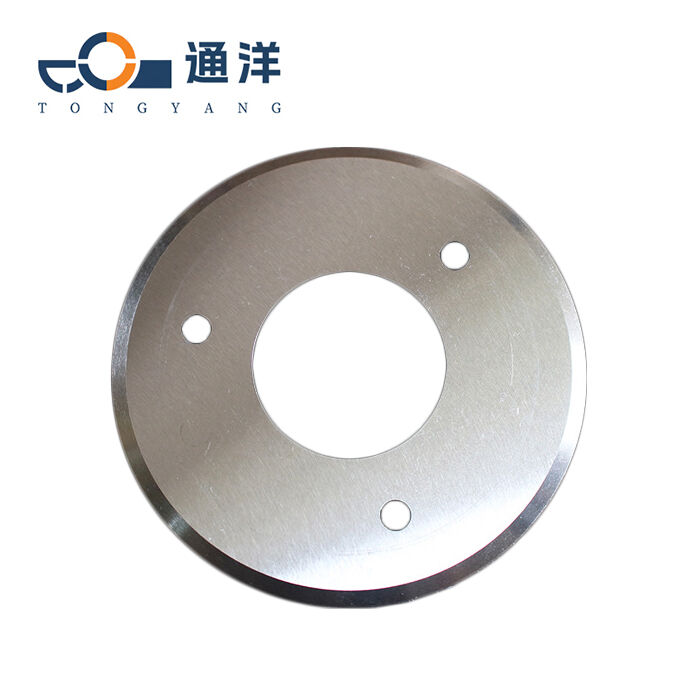
The thin blade rotary machine establishes new standards in cutting precision through its sophisticated engineering approach that addresses the fundamental challenges of material sectioning. At the core of this precision capability lies the blade design itself, manufactured from specialized alloy steels that undergo heat treatment processes to achieve optimal hardness while maintaining flexibility. These blades measure remarkably thin, often between 0.5 and 3 millimeters in thickness, yet possess the structural integrity to withstand high rotational speeds without deflection or vibration. The thinness directly correlates to cutting accuracy because narrower blades create smaller kerfs, the technical term for the width of material removed during cutting. This minimal material removal proves critical when working with expensive raw materials where every millimeter of waste represents lost revenue. The rotary mechanism supporting the blade incorporates precision bearings that eliminate wobble and maintain perfect blade alignment throughout extended operation periods. Advanced models feature computer-controlled positioning systems that adjust blade height and angle with micrometer-level accuracy, enabling operators to program exact cutting specifications for complex jobs. The machine's frame construction utilizes rigid materials and vibration-dampening designs that prevent operational stresses from compromising cut quality. Temperature management systems prevent blade overheating that could cause expansion and dimensional changes affecting precision. Operators benefit from visual alignment aids and digital readouts that confirm proper setup before production begins. The consistent cutting quality delivered by the thin blade rotary machine eliminates the variation common with manual cutting methods or less sophisticated equipment. This consistency proves invaluable for applications requiring interchangeable parts or portions that must meet strict specifications. Food processors appreciate how uniform slices ensure even cooking times and attractive presentation, while manufacturers value the tight tolerances that allow components to fit together without adjustment. The precision extends beyond dimensional accuracy to include edge quality, as the sharp blades and optimal cutting speeds produce smooth surfaces free from tears, crushing, or deformation. This clean cutting action preserves the structural integrity of materials, particularly important when working with layered composites, delicate food products, or materials prone to fraying. Quality control becomes simpler because the predictable results reduce the need for extensive inspection procedures, and the reduced variation means fewer rejected pieces. Ultimately, the precision engineering embodied in the thin blade rotary machine translates to tangible business value through higher yields, better product quality, and enhanced customer satisfaction with consistently excellent results.
Advanced Automation Integration for Maximum Productivity

Advanced Automation Integration for Maximum Productivity

Modern thin blade rotary machine models incorporate sophisticated automation technologies that transform cutting operations from labor-intensive manual processes into streamlined, high-output production systems. The automation begins with programmable logic controllers that allow operators to input complete cutting sequences including material dimensions, slice thicknesses, cutting speeds, and production quantities. Once programmed, the machine executes these instructions with unwavering consistency, producing identical results across thousands of cycles without the fatigue or variability inherent in human operation. Automated material feeding systems represent a crucial productivity enhancement, using conveyor mechanisms, pneumatic pushers, or robotic arms to position raw materials precisely at the cutting zone. These feeding systems synchronize with blade rotation and cutting cycles to maintain optimal production flow without manual intervention. Sensors monitor material presence and positioning, automatically adjusting feed rates to prevent jams or misalignment that could compromise cut quality or damage equipment. The integration of vision systems in premium models adds another dimension to automation capabilities, using cameras and image processing software to identify material characteristics, detect defects, and optimize cutting patterns for maximum yield. These intelligent systems can automatically adjust cutting paths to work around imperfections or adapt to natural variations in raw material dimensions. Stacking and sorting automation extends productivity benefits downstream from the cutting operation itself, with mechanical systems that organize finished pieces according to programmable criteria such as size, weight, or destination. This automated handling eliminates manual sorting labor and reduces the risk of mix-ups that could result in shipping errors. Data collection and analysis capabilities built into automated thin blade rotary machine systems provide valuable insights into production performance. The equipment continuously monitors metrics including cycle times, blade wear rates, material consumption, and output quantities, presenting this information through user-friendly dashboards. Managers can identify efficiency opportunities, predict maintenance needs before failures occur, and make data-driven decisions about production scheduling and resource allocation. Remote monitoring capabilities allow supervisors to check equipment status from anywhere via network connections, receiving alerts about operational issues or maintenance requirements without physically visiting the production floor. Integration with enterprise resource planning systems enables the thin blade rotary machine to communicate with broader manufacturing management software, automatically updating inventory records, triggering reorder points for raw materials, and providing production data that feeds into business analytics. The automation reduces labor costs substantially by allowing a single operator to oversee multiple machines or manage an entire cutting department that previously required several workers. More importantly, automation eliminates the physical strain associated with repetitive cutting tasks, improving workplace ergonomics and reducing injury risks. The combination of speed, consistency, and intelligence delivered through automation integration makes the thin blade rotary machine a cornerstone of modern efficient manufacturing operations.

Exceptional Versatility Across Multiple Industries and Materials

Exceptional Versatility Across Multiple Industries and Materials

The thin blade rotary machine distinguishes itself through remarkable versatility that allows a single piece of equipment to address diverse cutting challenges across numerous industries and material types. This adaptability stems from thoughtful engineering that accommodates different blade configurations, adjustable operational parameters, and modular accessories that expand functional capabilities. The machine accepts various blade diameters, thicknesses, and tooth configurations, enabling operators to optimize cutting performance for specific materials. Smooth-edge blades excel at slicing soft or delicate substances that might tear with serrated edges, while toothed blades power through denser materials requiring aggressive cutting action. Quick-change blade mounting systems allow switching between different blade types in minutes, facilitating rapid transitions between production runs involving different materials. Speed adjustment capabilities prove essential for versatility, as different materials require specific cutting velocities to achieve optimal results. Soft materials like foam or fresh produce cut best at lower speeds that prevent compression or smearing, while harder substances including certain plastics or cured rubber demand higher speeds to generate sufficient cutting force. The thin blade rotary machine accommodates this range through variable-speed drive systems controlled via simple interface adjustments. Temperature considerations factor into versatility as well, with some models offering blade cooling systems for applications involving materials that generate heat during cutting or substances that must remain cold to maintain proper consistency. Food processing operations particularly benefit from this temperature control when working with products like frozen meats or temperature-sensitive confections. The size range handled by these machines spans from small precision components measuring just centimeters to large industrial materials exceeding meter dimensions, achieved through adjustable table heights, expandable work surfaces, and scalable feeding mechanisms. Industries ranging from bakeries to automotive parts manufacturers find practical applications for this equipment. Bakery operations use the thin blade rotary machine for slicing bread loaves with consistent thickness, portioning cakes into uniform servings, and cutting pastry dough into precise shapes. Meat processing facilities depend on these machines for creating deli slices with exact specifications, portioning steaks to target weights, and preparing uniform pieces for further processing. Cheese manufacturers achieve the thin, consistent slices demanded by consumers and food service customers. Beyond food applications, textile operations cut fabric layers simultaneously with accuracy that ensures pattern pieces match perfectly during assembly. Foam fabricators slice cushioning materials, insulation products, and packaging components to custom dimensions. Rubber manufacturers section belting, gaskets, and industrial components with the precision required for proper mechanical function. Packaging converters use these machines to cut films, papers, and flexible materials into specific sizes. The medical device industry employs thin blade rotary machine technology for cutting specialized foams, preparing bandaging materials, and sectioning components used in prosthetics and orthopedic devices. This cross-industry versatility means businesses can consolidate multiple cutting operations around a single machine platform, simplifying equipment maintenance, operator training, and spare parts inventory while reducing overall capital investment compared to purchasing specialized equipment for each material type.

Get a Free Quote

Our representative will contact you soon.
Email
WhatsApp
Name
Company Name
Message
0/1000
Newsletter
Please Leave A Message With Us