 EN
EN

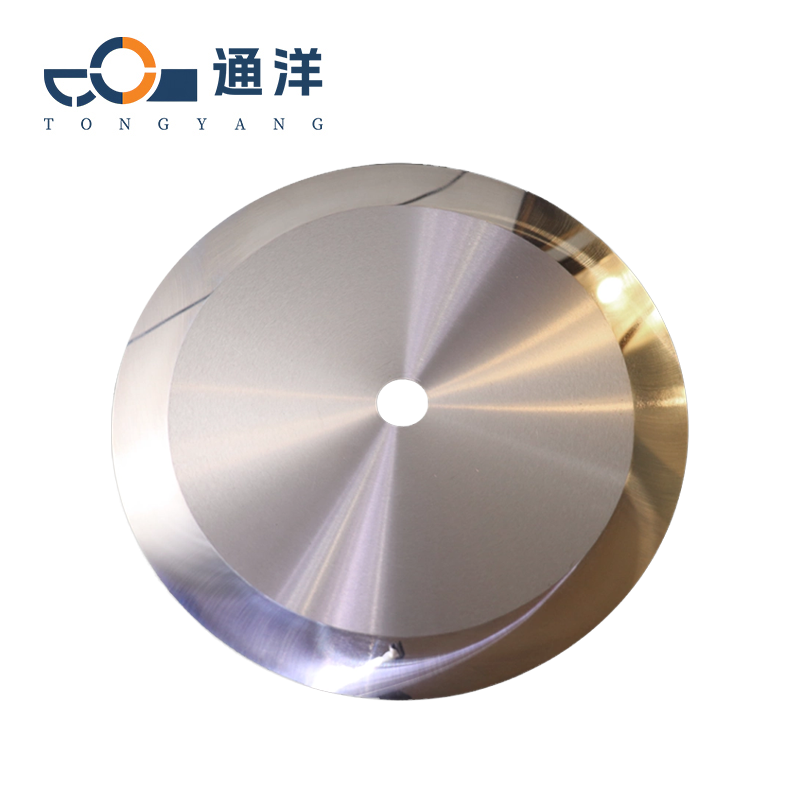
When selecting the right paper cutting blade for industrial or commercial applications, the choice between steel and ceramic materials represents one of the most critical decisions affecting cut quality, operational efficiency, and long-term costs. Each paper cutting blade material offers distinct advantages and limitations that directly impact performance across different cutting environments, paper types, and production volumes.
Steel and ceramic paper cutting blades serve the same fundamental purpose but achieve cutting performance through fundamentally different material properties and design characteristics. Understanding these differences enables informed decision-making that aligns blade selection with specific operational requirements, budget constraints, and performance expectations in professional cutting environments.
Steel Paper Cutting Blade Characteristics and Performance
Material Composition and Hardness Properties
Steel paper cutting blades utilize various steel alloys designed to achieve optimal hardness, sharpness retention, and durability for paper cutting applications. High-carbon steel formulations typically provide hardness ratings between 58-62 HRC, offering excellent edge retention while maintaining sufficient toughness to resist chipping under normal cutting conditions. Tool steel variants incorporate chromium and other alloying elements to enhance corrosion resistance and wear characteristics.
The manufacturing process for steel paper cutting blades involves precision grinding, heat treatment, and edge honing to achieve consistent cutting geometry and surface finish. Advanced steel paper cutting blade designs feature specialized coatings such as titanium nitride or diamond-like carbon to reduce friction, extend blade life, and improve cut quality across various paper substrates.
Cutting Performance and Versatility
Steel paper cutting blades demonstrate exceptional versatility across diverse paper types, thicknesses, and cutting conditions. The inherent toughness of steel allows these blades to handle challenging materials including coated papers, cardboard, laminated substrates, and multi-layer assemblies without compromising edge integrity. Steel blades maintain consistent cutting performance through temperature variations and can withstand occasional contact with foreign objects.
The flexibility of steel paper cutting blade materials enables manufacturers to optimize blade geometry for specific applications, creating specialized profiles for straight cuts, perforating, scoring, or trimming operations. Steel blades readily accommodate resharpening processes, allowing operators to restore cutting performance multiple times throughout the blade's service life, significantly reducing per-cut operating costs.
Maintenance Requirements and Service Life
Steel paper cutting blades require regular maintenance including cleaning, inspection, and periodic resharpening to maintain optimal performance. The frequency of maintenance depends on cutting volume, paper characteristics, and operating conditions, but typically steel blades can be resharpened 5-10 times before replacement becomes necessary. Proper maintenance protocols significantly extend blade service life and ensure consistent cut quality.
Environmental factors such as humidity and paper dust accumulation can affect steel paper cutting blade performance, requiring attention to blade storage conditions and regular cleaning procedures. However, steel's inherent durability and repairability make these blades particularly suitable for high-volume operations where maintenance infrastructure and skilled technicians are available.
Ceramic Paper Cutting Blade Properties and Applications
Advanced Material Technology and Hardness
Ceramic paper cutting blades utilize advanced oxide ceramics, typically zirconia or alumina-based formulations, engineered to achieve exceptional hardness ratings often exceeding 80 HRC. This extreme hardness translates to superior edge retention and extended cutting life compared to traditional steel alternatives. The molecular structure of ceramic materials provides inherent chemical inertness, eliminating concerns about corrosion or chemical interaction with paper coatings or adhesives.
Manufacturing ceramic paper cutting blades involves sophisticated powder metallurgy processes including pressing, sintering, and precision grinding to achieve tight dimensional tolerances and consistent material properties. The resulting blade exhibits uniform grain structure and predictable performance characteristics that remain stable across extended operating periods.
Cutting Precision and Edge Retention
The exceptional hardness of ceramic paper cutting blades enables remarkably sharp cutting edges that maintain their geometry significantly longer than steel alternatives. This characteristic proves particularly valuable for applications requiring precise cuts, minimal paper distortion, or consistent edge quality across large production runs. Ceramic blades excel in clean-room environments and applications where metallic contamination must be avoided.
Ceramic paper cutting blade technology delivers consistent performance across various paper substrates without the gradual degradation typical of steel blades. The material's resistance to wear ensures that cut quality remains uniform from initial installation through the end of blade life, eliminating the need to adjust cutting parameters to compensate for blade dulling.
Limitations and Application Considerations
Despite superior hardness and edge retention, ceramic paper cutting blades exhibit brittleness that limits their application in certain cutting environments. Impact loads, lateral forces, or contact with hard objects can cause chipping or fracture that immediately compromises blade performance. This characteristic requires careful handling procedures and may restrict use in applications where occasional contact with foreign objects is unavoidable.
The brittleness of ceramic materials also prevents resharpening, making ceramic paper cutting blades essentially disposable items. While the extended service life often justifies the higher initial cost, operations requiring frequent blade changes or those with limited budgets may find steel alternatives more economical despite shorter individual blade life.
Performance Comparison Across Key Operating Parameters
Cut Quality and Consistency Metrics
Cut quality comparison between steel and ceramic paper cutting blades reveals distinct performance characteristics that vary by application requirements. Ceramic blades consistently deliver superior edge quality with minimal paper fiber disturbance, making them ideal for high-visibility applications such as packaging materials, photographic papers, or decorative substrates. The extremely sharp ceramic edge produces clean cuts with reduced burring and minimal compression of paper fibers.
Steel paper cutting blades provide excellent cut quality across broader application ranges, demonstrating superior performance when cutting through varying material thicknesses, adhesive-backed papers, or substrates containing occasional contaminants. While initial cut quality may be comparable to ceramic alternatives, steel blades experience gradual performance degradation that requires monitoring and adjustment of cutting parameters to maintain acceptable quality standards.
Operational Efficiency and Production Impact
Production efficiency considerations reveal significant differences between steel and ceramic paper cutting blade technologies. Ceramic blades eliminate downtime associated with resharpening procedures and reduce the frequency of blade replacement intervals, contributing to improved overall equipment effectiveness. The consistent performance of ceramic blades also reduces waste associated with quality variations during production runs.
Steel paper cutting blades offer operational flexibility through their ability to be resharpened and reconditioned, allowing operations to extend blade life through maintenance procedures. This characteristic proves particularly valuable for operations with variable production schedules or those seeking to minimize blade inventory requirements. The lower initial cost of steel blades also reduces capital investment requirements for establishments maintaining backup blade inventories.
Economic Analysis and Total Cost of Ownership
Initial Investment and Replacement Costs
The economic comparison between steel and ceramic paper cutting blades extends beyond simple purchase price considerations to encompass total cost of ownership over typical operating periods. Ceramic blades typically command premium pricing, often 3-5 times the cost of comparable steel alternatives, but this investment must be evaluated against extended service life and reduced maintenance requirements.
Steel paper cutting blade economics benefit from lower initial costs and the ability to extend service life through resharpening procedures. However, the total cost calculation must include resharpening expenses, downtime costs, and the labor required for maintenance procedures. High-volume operations often find that ceramic blade premium pricing becomes justified through reduced handling requirements and improved production consistency.
Long-term Value Considerations
Long-term value analysis requires consideration of indirect costs including quality consistency, waste reduction, and operational simplicity. Ceramic paper cutting blades typically deliver 5-10 times the cutting life of steel alternatives, potentially offsetting higher initial costs through reduced replacement frequency and associated handling costs. The elimination of resharpening requirements also simplifies inventory management and reduces skilled labor requirements.
Steel blade economics prove most favorable in applications where cutting volumes are moderate, skilled maintenance personnel are available, and operational flexibility is prioritized over absolute cost minimization. The paper cutting blade selection decision often depends on balancing initial investment capacity against long-term operational efficiency objectives and maintenance capability within the specific operating environment.
Application-Specific Selection Guidelines
High-Volume Production Environment Recommendations
High-volume production environments typically benefit most from ceramic paper cutting blade implementation due to extended service life, consistent performance characteristics, and reduced maintenance requirements. Operations processing hundreds of thousands of cuts daily find that ceramic blade premium pricing becomes economically justified through reduced downtime, improved quality consistency, and simplified blade management procedures.
Production facilities with automated cutting systems particularly benefit from ceramic paper cutting blade technology since the extended blade life reduces the frequency of production interruptions for blade replacement. The consistent cutting performance of ceramic blades also enables tighter process control and reduced waste generation across extended production runs.
Specialty Application and Variable Production Scenarios
Operations involving specialty substrates, variable cutting requirements, or intermittent production schedules may find steel paper cutting blades more suitable despite potentially higher long-term costs. The flexibility to optimize cutting parameters, modify blade geometry, and implement resharpening procedures provides operational adaptability that ceramic alternatives cannot match.
Small-scale operations, prototype development environments, and facilities with limited capital budgets often find steel paper cutting blades provide the best balance of performance, flexibility, and economic feasibility. The lower initial investment requirement and ability to extend blade life through maintenance procedures align well with operations prioritizing operational flexibility over absolute efficiency optimization.
FAQ
How long do ceramic paper cutting blades last compared to steel blades?
Ceramic paper cutting blades typically last 5-10 times longer than steel alternatives under similar operating conditions. While steel blades may require replacement or resharpening after 50,000-100,000 cuts, ceramic blades often maintain acceptable performance through 500,000-1,000,000 cuts depending on paper type and cutting conditions. The exact service life varies significantly based on substrate characteristics, cutting speed, and operating environment.
Can ceramic paper cutting blades be resharpened like steel blades?
No, ceramic paper cutting blades cannot be resharpened due to their extreme hardness and brittleness. The advanced ceramic materials used in these blades require specialized manufacturing processes that cannot be replicated in typical resharpening operations. Once a ceramic blade becomes dull or damaged, it must be replaced entirely, making them essentially disposable cutting tools despite their extended service life.
Which paper cutting blade type performs better with coated or specialty papers?
Steel paper cutting blades generally perform better with coated, laminated, or specialty papers due to their superior toughness and ability to handle varying material properties. The flexibility of steel allows it to cut through adhesive layers, coating variations, and occasional contaminants without chipping. Ceramic blades, while providing cleaner cuts in uniform materials, may be more susceptible to damage when encountering unexpected hard spots or adhesive buildup.
What factors should determine the choice between steel and ceramic paper cutting blades?
The choice between steel and ceramic paper cutting blades should be based on production volume, cut quality requirements, maintenance capabilities, and budget considerations. High-volume operations with consistent substrates typically benefit from ceramic blades, while variable production environments or operations requiring flexibility may prefer steel alternatives. Consider total cost of ownership including initial price, replacement frequency, maintenance costs, and the value of consistent performance when making the selection decision.
Table of Contents
- Steel Paper Cutting Blade Characteristics and Performance
- Ceramic Paper Cutting Blade Properties and Applications
- Performance Comparison Across Key Operating Parameters
- Economic Analysis and Total Cost of Ownership
- Application-Specific Selection Guidelines
-
FAQ
- How long do ceramic paper cutting blades last compared to steel blades?
- Can ceramic paper cutting blades be resharpened like steel blades?
- Which paper cutting blade type performs better with coated or specialty papers?
- What factors should determine the choice between steel and ceramic paper cutting blades?