 EN
EN

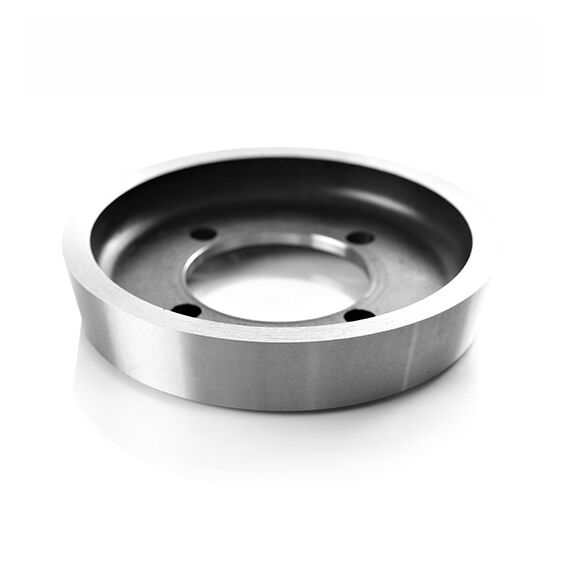
Professional leather crafters and industrial manufacturers understand that selecting the right leather cutting blade determines the quality and efficiency of their finished products. Whether you work with delicate lambskin or heavy-duty cowhide, the precision of your cuts directly impacts material waste, production speed, and overall craftsmanship. A high-quality leather cutting blade ensures clean edges, reduces fraying, and maintains consistency across large production runs. The leather industry has evolved significantly, demanding specialized cutting solutions that can handle various leather types, thicknesses, and applications with remarkable accuracy.
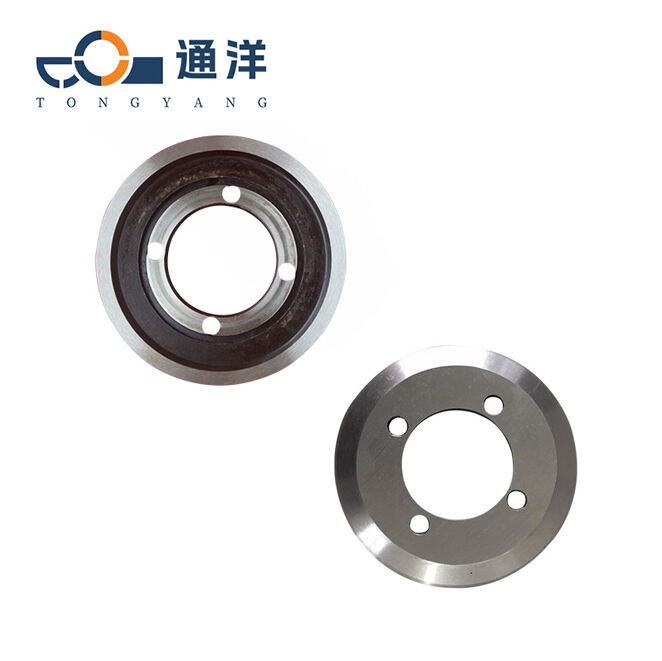
Understanding Leather Cutting Blade Technology
Blade Material Composition and Performance
The foundation of any effective leather cutting blade lies in its material composition and manufacturing process. Premium steel alloys, particularly high-carbon steel and tool steel varieties, provide the optimal balance of hardness, flexibility, and edge retention necessary for consistent leather processing. These materials undergo specialized heat treatment processes that enhance their molecular structure, resulting in blades that maintain their sharpness longer and resist chipping under demanding industrial conditions. The metallurgical properties of these advanced alloys allow for precise tempering, creating cutting edges that can slice through leather with minimal pressure while maintaining their geometry over extended use periods.
Modern leather cutting blade manufacturing incorporates advanced coating technologies that further enhance performance characteristics. Titanium nitride coatings, ceramic treatments, and specialized polymer applications reduce friction between the blade and leather surface, preventing material buildup and ensuring smoother cuts. These coatings also provide corrosion resistance, which is particularly important when working with treated leathers that may contain chemicals or oils that could otherwise degrade standard blade materials. The result is a cutting tool that delivers consistent performance across various leather types while requiring less frequent replacement and maintenance.
Cutting Edge Geometry and Design Principles
The geometry of a leather cutting blade significantly influences its cutting performance, with factors such as bevel angle, edge thickness, and blade profile determining how effectively it penetrates and separates leather fibers. Optimal bevel angles for leather cutting typically range between fifteen and twenty-five degrees, providing the ideal compromise between sharpness and durability. Thinner edges penetrate more easily but may be more susceptible to chipping, while thicker edges offer greater durability but require more cutting force. Professional leather workers must consider these trade-offs when selecting blades for specific applications.
Advanced blade designs incorporate multiple geometric features to enhance cutting performance across different leather working scenarios. Hollow ground edges provide exceptional sharpness for precision work, while flat ground edges offer superior durability for high-volume cutting operations. Some specialized leather cutting blade designs feature compound bevels that combine different angles to optimize both initial penetration and sustained cutting performance. These sophisticated geometries require precision manufacturing techniques and quality control processes that ensure consistent performance from blade to blade.
Industrial Applications and Leather Types
Automotive and Upholstery Applications
The automotive industry represents one of the largest consumers of specialized leather cutting blade technology, where precision and consistency are paramount for interior components and seating applications. Automotive leather processing requires blades capable of handling thick, treated hides while maintaining tight tolerances for pattern matching and seam alignment. These applications demand cutting tools that can operate continuously in high-volume production environments while delivering consistent results across thousands of cuts per day. The leather cutting blade used in automotive applications must also accommodate the specific characteristics of automotive-grade leather, which often includes protective coatings and specialized treatments that can affect cutting performance.
Upholstery manufacturing presents unique challenges that require specialized leather cutting blade solutions designed for various leather weights and textures. From delicate furniture leather to heavy-duty commercial upholstery materials, these applications require cutting tools that can adapt to different material properties while maintaining clean, precise edges. The cutting process must minimize material waste, which is particularly important given the high cost of quality upholstery leather. Professional upholsterers rely on precision-engineered cutting tools that can handle complex curved cuts and intricate patterns while preserving the natural grain and texture of the leather surface.
Fashion and Accessory Manufacturing
Fashion leather goods manufacturing demands cutting precision that exceeds most other leather working applications, with tolerances measured in fractions of millimeters for high-end products. Luxury handbag production, shoe manufacturing, and leather accessory creation require leather cutting blade technology that can handle exotic leathers, delicate finishes, and complex geometric shapes without compromising material integrity. These applications often involve cutting multiple layers simultaneously while maintaining perfect edge alignment and preventing delamination between bonded materials.
The fashion industry's emphasis on sustainability has created new demands for leather cutting blade technology that maximizes material utilization and minimizes waste. Advanced nesting software and precision cutting systems work in conjunction with high-performance blades to optimize pattern placement and reduce scrap material. This approach not only improves profitability but also supports environmental sustainability goals by making more efficient use of natural leather resources. Fashion manufacturers increasingly seek cutting solutions that can handle both traditional leather materials and innovative sustainable alternatives while maintaining the quality standards expected in luxury goods production.
Blade Selection Criteria and Performance Factors
Material Thickness and Cutting Requirements
Selecting the appropriate leather cutting blade requires careful consideration of the material thickness and specific cutting requirements of each application. Thin leather materials, typically ranging from one to three millimeters in thickness, require sharp, precise blades with minimal cutting force to prevent stretching or distortion during the cutting process. These applications benefit from blades with acute edge angles and fine surface finishes that can penetrate cleanly without tearing the material fibers. Conversely, thick leather materials exceeding five millimeters in thickness require more robust cutting tools with greater structural strength and optimized edge geometries that can handle the increased cutting forces without deflection or failure.
The cutting speed requirements of different leather working operations also influence blade selection criteria, with high-speed automated cutting systems demanding specialized blade designs that maintain their cutting performance under rapid cycling conditions. These applications require careful attention to blade balance, vibration resistance, and thermal stability to prevent performance degradation during extended operation periods. Manual cutting operations, while typically operating at lower speeds, may require blades with enhanced ergonomic features and tactile feedback characteristics that allow operators to maintain precise control throughout the cutting process.
Durability and Maintenance Considerations
The operational lifespan of a leather cutting blade depends on numerous factors including material properties, cutting conditions, and maintenance practices employed throughout its service life. High-quality blades manufactured from premium steel alloys and featuring advanced surface treatments typically provide extended service life compared to standard cutting tools, resulting in lower overall operating costs despite higher initial investment requirements. Professional leather workers must balance the initial blade cost against expected service life and performance characteristics to determine the most economical cutting solution for their specific applications.
Proper maintenance procedures significantly extend leather cutting blade service life and maintain optimal cutting performance throughout the blade's operational period. Regular cleaning to remove leather residue and accumulated debris prevents material buildup that can degrade cutting performance and cause premature wear. Appropriate storage conditions, including controlled humidity and temperature environments, help prevent corrosion and maintain blade sharpness between use periods. Professional sharpening services using specialized equipment and techniques can restore blade performance when properly maintained cutting tools begin to show signs of wear, often extending their useful life considerably beyond what would be possible with field sharpening methods.
Advanced Cutting Technologies and Innovations
Automated Cutting System Integration
Modern leather processing facilities increasingly rely on automated cutting systems that integrate advanced leather cutting blade technology with computer-controlled positioning and cutting mechanisms. These sophisticated systems can process complex cutting patterns with exceptional accuracy while maintaining consistent blade pressure and cutting speed throughout the operation. The integration of precision-engineered cutting tools with automated systems enables leather manufacturers to achieve production rates and quality levels that would be impossible with manual cutting methods, while also reducing labor costs and improving workplace safety.
Computer-aided design and manufacturing systems work in conjunction with automated cutting equipment to optimize material utilization and minimize waste generation. These systems can analyze leather characteristics, including grain direction, natural markings, and quality variations, to automatically adjust cutting parameters and blade selection for optimal results. Advanced sensors monitor cutting performance in real-time, automatically adjusting blade pressure, cutting speed, and tool path to maintain consistent quality across varying material conditions. This level of automation and control requires cutting tools specifically designed to interface with automated systems while maintaining the precision and reliability demanded by modern manufacturing environments.
Specialized Coating and Surface Treatments
Recent advances in surface engineering have produced leather cutting blade coatings that significantly enhance cutting performance and extend service life under demanding industrial conditions. Diamond-like carbon coatings provide exceptional hardness and wear resistance while maintaining low friction characteristics that prevent material buildup during cutting operations. These advanced coatings can extend blade life by several times compared to uncoated alternatives while also improving cut quality and reducing maintenance requirements. The development of these specialized treatments represents a significant advancement in leather cutting blade technology that directly benefits manufacturers through reduced operating costs and improved product quality.
Nano-structured surface treatments represent the latest frontier in leather cutting blade technology, offering unprecedented control over surface properties and cutting performance characteristics. These advanced treatments can be tailored to specific leather types and cutting applications, providing optimal performance across a wide range of operating conditions. Research into self-lubricating surface treatments and adaptive coating technologies promises to further enhance cutting performance while reducing environmental impact through decreased use of cutting lubricants and extended blade service life.
Quality Assessment and Performance Testing
Cutting Performance Evaluation Methods
Professional evaluation of leather cutting blade performance requires standardized testing procedures that accurately assess cutting quality, durability, and consistency under controlled conditions. Cut quality assessment involves detailed examination of edge characteristics, including smoothness, straightness, and freedom from tearing or fraying that could compromise finished product appearance. These evaluations typically employ high-magnification optical inspection systems that can detect microscopic defects and variations that might not be visible during normal operation but could impact final product quality in critical applications.
Durability testing protocols simulate extended operating conditions to predict blade service life and identify potential failure modes before they occur in production environments. These tests subject cutting tools to accelerated wear conditions while monitoring performance degradation and identifying the point at which blade replacement becomes necessary. Force measurement systems track changes in cutting force requirements throughout the blade service life, providing valuable data for optimizing cutting parameters and scheduling maintenance activities. This scientific approach to performance evaluation enables manufacturers to make informed decisions about blade selection and replacement scheduling that optimize both quality and operating costs.
Industry Standards and Certification Requirements
The leather industry has developed comprehensive standards and certification requirements that govern leather cutting blade performance and safety characteristics for various applications. These standards address material specifications, dimensional tolerances, hardness requirements, and safety features that ensure cutting tools meet the demanding requirements of professional leather working operations. Compliance with industry standards provides assurance that cutting tools will perform reliably under specified conditions while meeting safety requirements that protect operators and equipment from potential hazards associated with high-performance cutting operations.
International certification programs provide independent verification of leather cutting blade performance and quality characteristics, offering manufacturers and end users confidence in their cutting tool selections. These certification processes involve rigorous testing procedures conducted by accredited testing laboratories that evaluate cutting performance, durability, safety features, and manufacturing quality according to established industry standards. Certified cutting tools typically command premium prices but provide assurance of consistent performance and reliability that can be particularly valuable in high-volume production environments where cutting tool failure could result in significant production disruptions and associated costs.
Cost-Benefit Analysis and Investment Considerations
Total Cost of Ownership Calculations
Evaluating the true cost-effectiveness of different leather cutting blade options requires comprehensive analysis that extends beyond initial purchase price to include all costs associated with blade ownership and operation throughout its service life. Total cost of ownership calculations must account for factors including blade purchase price, installation costs, maintenance requirements, sharpening services, replacement frequency, and productivity impacts associated with blade changes and performance variations. This holistic approach to cost analysis often reveals that higher-performance cutting tools with greater initial costs provide superior value through extended service life, improved cutting quality, and reduced maintenance requirements.
Productivity considerations play a crucial role in determining the optimal leather cutting blade selection for specific applications, with faster cutting speeds and improved cut quality directly translating to increased production capacity and reduced labor costs. High-performance cutting tools that maintain their sharpness longer require fewer interruptions for blade changes and adjustments, allowing production operations to maintain consistent output levels throughout extended operating periods. The value of this improved productivity can often justify significant investments in premium cutting tool technology, particularly in high-volume production environments where small improvements in efficiency can generate substantial cost savings.
Return on Investment Projections
Professional leather manufacturers can calculate meaningful return on investment projections for advanced leather cutting blade technology by quantifying the operational improvements and cost savings generated by superior cutting performance. These calculations typically consider factors including reduced material waste through improved cutting precision, decreased labor costs due to faster cutting speeds, reduced maintenance expenses, and improved product quality that can command premium pricing. Accurate ROI projections require detailed analysis of current cutting operations and realistic assessment of the improvements that can be achieved through upgraded cutting technology.
Long-term investment planning for cutting tool technology should also consider the evolving demands of the leather industry and the potential for new applications that may require enhanced cutting capabilities. Investing in advanced cutting technology that exceeds current requirements may provide competitive advantages as market demands evolve and new opportunities emerge. Forward-thinking manufacturers often find that investments in superior cutting technology enable them to pursue higher-value applications and markets that would not be accessible with conventional cutting tools, generating returns that extend far beyond simple cost savings from improved operational efficiency.
FAQ
How often should leather cutting blades be replaced in industrial applications
The replacement frequency for leather cutting blades in industrial applications depends on several factors including cutting volume, leather types processed, and blade quality. High-volume operations processing standard leather thicknesses typically require blade replacement every 8-12 hours of continuous operation, while premium blades in optimized cutting systems may maintain acceptable performance for 24-48 hours. Monitoring cut quality and cutting force requirements provides the most reliable indication of when blade replacement becomes necessary, as these parameters deteriorate before visible blade damage occurs.
What blade geometry works best for cutting thick leather materials
Thick leather materials typically require blades with specific geometric characteristics including increased blade thickness for structural strength, optimized bevel angles between 20-25 degrees for effective penetration, and reinforced blade tips to prevent breakage under high cutting forces. Flat ground edges generally perform better than hollow ground edges for thick materials, as they provide greater structural support and resist deflection during cutting operations. The blade length should also be sufficient to completely penetrate the material thickness while maintaining proper cutting angles throughout the cut.
Can specialized coatings improve leather cutting blade performance significantly
Specialized coatings can dramatically improve leather cutting blade performance by reducing friction, preventing material buildup, and extending blade service life. Titanium nitride and diamond-like carbon coatings typically increase blade life by 300-500% compared to uncoated alternatives while also improving cut quality through reduced friction and heat generation. These coatings are particularly beneficial when cutting treated leathers or materials with adhesive backing that tend to accumulate on blade surfaces, as the non-stick properties prevent buildup that would otherwise degrade cutting performance.
What safety considerations are important when selecting leather cutting blades
Safety considerations for leather cutting blade selection include proper blade mounting and retention systems that prevent blade ejection during operation, appropriate blade guards and safety devices that protect operators from accidental contact, and blade designs that minimize the risk of breakage under normal operating conditions. Blades should also feature proper marking and identification systems that clearly indicate cutting direction and mounting orientation to prevent installation errors that could compromise safety or performance. Regular inspection procedures should be established to identify potential safety hazards before they result in accidents or injuries.
Table of Contents
- Understanding Leather Cutting Blade Technology
- Industrial Applications and Leather Types
- Blade Selection Criteria and Performance Factors
- Advanced Cutting Technologies and Innovations
- Quality Assessment and Performance Testing
- Cost-Benefit Analysis and Investment Considerations
-
FAQ
- How often should leather cutting blades be replaced in industrial applications
- What blade geometry works best for cutting thick leather materials
- Can specialized coatings improve leather cutting blade performance significantly
- What safety considerations are important when selecting leather cutting blades