 EN
EN

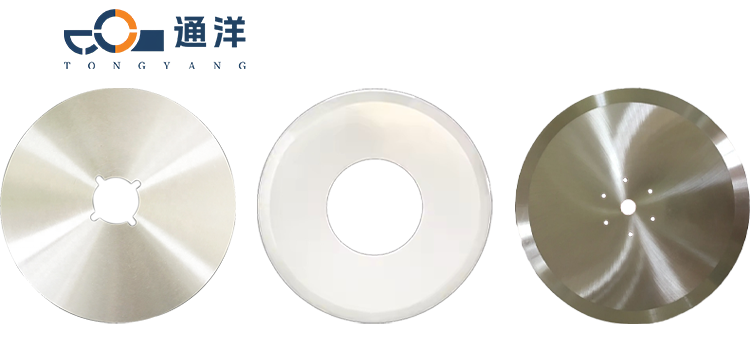
A well-maintained circular knife is essential for achieving precise cuts and maximizing operational efficiency in industrial applications. Whether used in food processing, textile manufacturing, or rubber cutting operations, proper maintenance of your circular knife can significantly extend its lifespan and ensure consistent performance. Understanding the fundamentals of circular knife care not only reduces replacement costs but also minimizes downtime and improves overall productivity. Professional operators recognize that preventive maintenance is far more cost-effective than reactive repairs or premature blade replacement.
Industrial cutting operations demand precision and reliability from every component, making circular knife maintenance a critical aspect of equipment management. The circular design of these specialized cutting tools requires specific care techniques that differ from traditional straight-edge blades. Factors such as material composition, cutting frequency, and environmental conditions all influence the maintenance requirements for your circular knife setup. By implementing structured maintenance protocols, operators can achieve optimal cutting performance while minimizing operational disruptions and equipment failures.
Understanding Circular Knife Construction and Materials
Steel Composition and Hardness Factors
The effectiveness of any circular knife depends heavily on its steel composition and heat treatment processes. High-carbon steel variants offer exceptional edge retention but require careful handling to prevent chipping or cracking. Stainless steel options provide superior corrosion resistance, making them ideal for food-grade applications where hygiene standards are paramount. Tool steel compositions balance durability with sharpness retention, offering versatility across multiple cutting applications. Understanding your circular knife's material properties enables you to select appropriate maintenance techniques and cleaning solutions.
Hardness ratings typically range from 58 to 64 HRC for industrial circular knife applications, with harder materials maintaining sharpness longer but requiring more careful handling during maintenance procedures. The tempering process affects how the blade responds to sharpening and impacts its overall durability under repeated use. Modern manufacturing techniques have improved consistency in hardness distribution across the circular knife edge, resulting in more predictable wear patterns and maintenance schedules.
Edge Geometry and Cutting Angle Considerations
The cutting angle of a circular knife directly influences its performance characteristics and maintenance requirements. Acute angles provide sharper cuts but may require more frequent sharpening due to increased wear rates. Obtuse angles offer greater durability but may sacrifice some cutting precision depending on the application. Most industrial circular knife designs incorporate compound bevels that balance sharpness with edge stability, requiring specialized sharpening techniques to maintain optimal geometry.
Edge geometry also affects how the circular knife interacts with different materials during cutting operations. Softer materials may cause edge rolling, while harder substrates can lead to micro-chipping along the cutting surface. Understanding these interactions helps operators adjust their maintenance schedules based on actual usage patterns rather than arbitrary time intervals. Proper documentation of cutting applications enables more accurate prediction of when maintenance interventions will be necessary.
Essential Cleaning Protocols for Circular Knives
Immediate Post-Use Cleaning Procedures
Immediate cleaning after each use session prevents material buildup and reduces the risk of corrosion on your circular knife surface. Residual materials can create chemical reactions that damage the blade edge or cause uneven wear patterns during subsequent cutting operations. Using appropriate solvents and cleaning agents removes both organic and synthetic residues without compromising the blade's metallurgical properties. Temperature considerations during cleaning are crucial, as extreme heat or cold can affect the tempering of the circular knife steel.
Establishing standardized cleaning procedures ensures consistency across different operators and shifts, reducing the likelihood of maintenance-related issues. Documentation of cleaning activities helps identify patterns in contamination or wear that may indicate problems with cutting parameters or environmental conditions. Regular inspection during cleaning provides opportunities to detect early signs of damage or wear before they become significant performance issues.
Deep Cleaning and Decontamination Methods
Periodic deep cleaning removes accumulated contaminants that standard cleaning procedures may not address adequately. Ultrasonic cleaning systems can effectively remove microscopic particles from the circular knife surface without mechanical abrasion that might damage the cutting edge. Chemical decontamination processes must be carefully selected to avoid adverse reactions with the blade material or any protective coatings applied during manufacturing.
Deep cleaning schedules should align with production requirements and regulatory compliance needs, particularly in food processing or pharmaceutical applications where contamination control is critical. The frequency of deep cleaning depends on operating conditions, material types being processed, and environmental factors such as humidity and temperature fluctuations. Proper documentation of deep cleaning activities supports quality assurance programs and helps optimize maintenance intervals based on actual performance data.
Proper Sharpening Techniques and Equipment
Selecting Appropriate Sharpening Methods
Professional sharpening of a circular knife requires specialized equipment and techniques that differ significantly from conventional blade sharpening approaches. Belt grinding systems provide consistent results for circular knife maintenance, allowing precise control over removal rates and surface finish quality. Diamond wheel sharpening offers excellent precision but requires careful setup to avoid overheating the blade material. Water-cooled systems prevent thermal damage during the sharpening process, preserving the original heat treatment characteristics of the circular knife steel.
The choice of sharpening method depends on factors such as blade size, material composition, and required precision levels for specific applications. Automated sharpening systems can provide consistent results across multiple circular knife units, but require initial setup and periodic calibration to maintain accuracy. Manual sharpening allows greater flexibility for addressing specific wear patterns or damage but demands higher skill levels from maintenance personnel.
Maintaining Proper Cutting Angles
Consistent cutting angles are essential for optimal circular knife performance and longevity. Angle measurement tools and fixtures ensure repeatability across multiple sharpening sessions, preventing gradual geometry changes that can affect cutting quality. Primary and secondary bevel angles must be maintained within specified tolerances to preserve the intended cutting characteristics of the circular knife design. Deviation from optimal angles can increase cutting forces, accelerate wear rates, and compromise the quality of finished products.
Modern sharpening equipment often incorporates angle control systems that automatically maintain proper geometry throughout the sharpening process. These systems reduce operator variability and ensure consistent results regardless of individual skill levels. Regular calibration of angle control systems prevents drift in cutting geometry over time, maintaining the precision required for demanding industrial applications.
Storage and Environmental Protection
Optimal Storage Conditions
Proper storage significantly impacts the longevity and performance of circular knife systems. Environmental factors such as humidity, temperature fluctuations, and atmospheric contaminants can accelerate corrosion or cause dimensional changes in blade materials. Climate-controlled storage areas maintain stable conditions that prevent degradation during periods of non-use. Protective coatings or rust preventives provide additional protection against corrosion, particularly in high-humidity environments or extended storage periods.
Storage fixtures should support the circular knife properly to prevent distortion or edge damage during handling. Magnetic holders or specialized racks keep blades organized while protecting cutting edges from accidental contact or impact damage. Inventory management systems track storage duration and rotation schedules to ensure that circular knife units are used before extended storage periods compromise their condition.
Handling and Transportation Protocols
Safe handling procedures protect both personnel and equipment during circular knife maintenance and installation activities. Proper lifting techniques and specialized handling tools prevent accidental damage to cutting edges or blade surfaces. Transportation containers should provide adequate cushioning and protection against shock or vibration that could affect blade geometry or create stress concentrations in the material.
Training programs for maintenance personnel emphasize safety procedures and proper handling techniques specific to circular knife systems. Documentation of handling procedures ensures consistency across different personnel and helps identify potential improvement opportunities. Regular safety audits validate that handling protocols remain effective and appropriate for current operational conditions.
Performance Monitoring and Inspection Protocols
Regular Inspection Schedules
Systematic inspection programs enable early detection of wear patterns or damage that could compromise circular knife performance. Visual inspections identify obvious issues such as nicks, chips, or excessive wear along the cutting edge. Dimensional measurements track changes in blade geometry over time, providing data for predictive maintenance scheduling. Microscopic examination reveals surface conditions and wear mechanisms that may not be apparent through visual inspection alone.
Inspection frequency should align with operational intensity and criticality of the cutting application. High-volume operations may require daily inspections, while lower-intensity applications might need only weekly or monthly assessments. Documentation of inspection results creates historical records that support trend analysis and continuous improvement initiatives. Standardized inspection forms ensure consistency across different operators and facilitate data analysis for maintenance optimization.
Performance Metrics and Documentation
Quantitative performance metrics provide objective measures of circular knife condition and effectiveness. Cutting quality assessments track dimensional accuracy, surface finish, and edge cleanliness in processed materials. Force measurements during cutting operations can indicate changes in blade sharpness or cutting efficiency over time. Production throughput data helps correlate circular knife condition with operational performance, supporting cost-benefit analyses for maintenance investments.
Digital documentation systems capture inspection results, maintenance activities, and performance data in formats that support analysis and reporting. Trend analysis identifies patterns in wear rates or failure modes that may indicate opportunities for process improvements or alternative maintenance approaches. Regular review of performance data with operations and management teams ensures that maintenance strategies remain aligned with business objectives and operational requirements.
FAQ
How often should I sharpen my circular knife
The sharpening frequency for a circular knife depends on several factors including usage intensity, material being cut, and required precision levels. High-volume operations processing abrasive materials may require daily sharpening, while lighter applications might need sharpening only weekly or monthly. Monitor cutting quality and force requirements to determine optimal sharpening intervals rather than relying solely on time-based schedules. Proper maintenance records help establish patterns and optimize sharpening frequency for specific applications.
What cleaning solutions are safe for circular knife maintenance
Safe cleaning solutions for circular knife maintenance depend on the blade material and contamination types encountered. Mild alkaline cleaners effectively remove organic residues without damaging most steel compositions. Avoid chlorinated solvents or strong acids that can cause pitting or corrosion on the blade surface. Always rinse thoroughly with clean water after chemical cleaning and apply appropriate rust preventives before storage. Consult manufacturer recommendations for specific cleaning protocols compatible with your circular knife materials.
Can I repair minor chips or nicks in my circular knife
Minor chips or nicks in a circular knife can often be repaired through careful grinding or filing techniques, but the extent of damage determines feasibility. Small surface irregularities may be removed during normal sharpening procedures without significant impact on blade geometry. Larger defects might require professional restoration services to maintain proper cutting angles and edge quality. Evaluate repair costs against replacement expenses to determine the most economical approach for addressing damage.
What storage temperature is best for circular knife longevity
Optimal storage temperature for circular knife longevity typically ranges from 60-75°F with relative humidity below 50% to minimize corrosion risks. Avoid extreme temperature fluctuations that can cause thermal stress or condensation formation on blade surfaces. Climate-controlled environments provide the most consistent conditions for long-term storage. Apply appropriate protective coatings before storage in less controlled environments where temperature and humidity variations are unavoidable.