 EN
EN

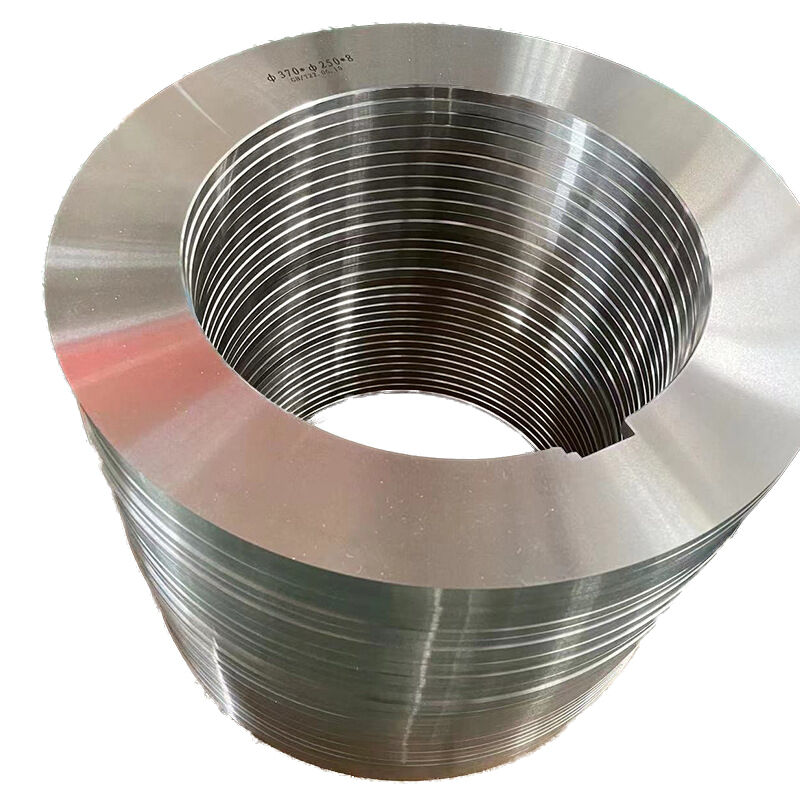
The industrial landscape of 2025 continues to demand precision and efficiency in metal fabrication processes. Whether you're involved in automotive manufacturing, aerospace production, or general metalworking operations, selecting the right metal cutting blade can significantly impact your productivity and bottom line. Today's advanced cutting technologies have revolutionized how manufacturers approach metal processing, with innovations in blade materials, coatings, and geometries delivering unprecedented performance levels. Understanding which brands consistently deliver superior results helps procurement teams make informed decisions that drive operational excellence.
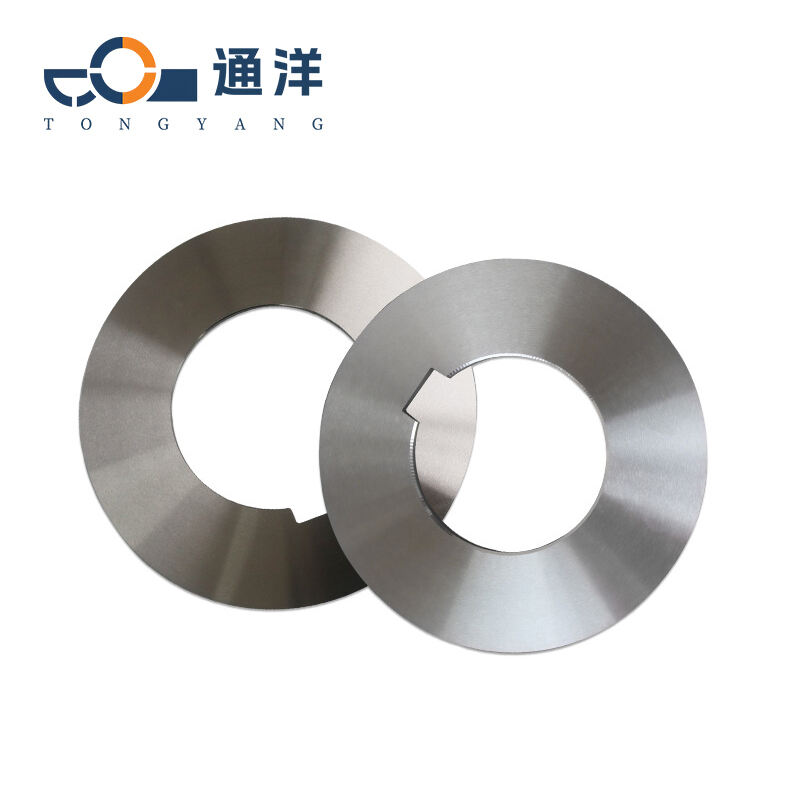
Leading Manufacturers in Metal Cutting Technology
Established European Brands
European manufacturers have long dominated the premium metal cutting blade market through decades of engineering excellence and continuous innovation. German companies like Leitz and Freud have established themselves as industry benchmarks, producing high-performance blades that excel in demanding applications. Their carbide-tipped and solid carbide metal cutting blade options consistently deliver exceptional edge retention and cutting precision. Swedish manufacturer Sandvik represents another pinnacle of cutting tool technology, with their advanced metallurgy and coating technologies setting standards throughout the industry.
These European brands invest heavily in research and development, resulting in cutting-edge solutions that address modern manufacturing challenges. Their quality control processes ensure consistent performance across production batches, which is crucial for manufacturers requiring predictable results. The premium pricing of European brands reflects their superior materials, advanced manufacturing processes, and extensive testing protocols that guarantee reliability in critical applications.
Japanese Precision Engineering
Japanese manufacturers bring their renowned precision engineering expertise to metal cutting blade production, creating tools that excel in accuracy and surface finish quality. Companies like Kanefusa and Amana Tool have developed specialized geometries and coating technologies specifically optimized for various metal alloys. Their approach emphasizes achieving superior cut quality while maintaining extended tool life, making them particularly valuable for high-precision applications.
The Japanese philosophy of continuous improvement drives these manufacturers to constantly refine their products based on real-world feedback from industrial users. This results in metal cutting blade designs that incorporate subtle but significant improvements in chip evacuation, heat dissipation, and cutting efficiency. Their attention to detail in manufacturing processes ensures minimal dimensional variation, which is essential for automated production systems requiring consistent performance.
American Innovation in Cutting Solutions
Technology-Driven Manufacturing
American manufacturers have carved out their niche by focusing on innovative technologies and customizable solutions that address specific industry requirements. Companies like Lenox and Starrett leverage advanced computer modeling and simulation to optimize blade geometries for maximum performance in targeted applications. Their research facilities continuously explore new carbide grades, coating materials, and edge treatments to enhance metal cutting blade performance across diverse operating conditions.
The American approach often emphasizes practical problem-solving, developing solutions that address real-world challenges faced by manufacturers. This includes creating specialized metal cutting blade variants for specific alloys, thicknesses, and cutting speeds. Their strong relationships with end-users enable rapid feedback loops that drive product development, resulting in tools that deliver measurable improvements in productivity and cost-effectiveness.
Value-Oriented Solutions
Several American brands focus on delivering excellent value propositions without compromising performance standards. These manufacturers understand that not every application requires premium-priced solutions, and they develop metal cutting blade options that provide reliable performance at competitive price points. Their efficient manufacturing processes and strategic sourcing enable them to offer quality products that meet budget constraints while maintaining acceptable performance levels.
This value-oriented approach has made American brands particularly popular among small to medium-sized manufacturers who need reliable cutting performance without the premium costs associated with top-tier European brands. Their product lines often include both standard and specialized options, allowing users to select the appropriate performance level for their specific applications and budget requirements.
Emerging Asian Manufacturers
Chinese Quality Evolution
The Chinese manufacturing sector has undergone remarkable transformation in metal cutting blade production, with several companies now producing tools that rival established international brands in performance and reliability. Modern Chinese manufacturers have invested heavily in advanced production equipment, quality control systems, and technical expertise to elevate their products beyond previous perceptions of inferior quality. Leading Chinese brands now offer metal cutting blade options that deliver excellent performance at highly competitive pricing.
These manufacturers have achieved significant improvements through strategic partnerships with international technology providers and aggressive investment in research and development capabilities. Their ability to combine advanced manufacturing techniques with cost-effective production methods enables them to offer compelling alternatives to established brands. Quality certifications and rigorous testing protocols now ensure their products meet international standards for performance and reliability.
Korean Technical Excellence
Korean manufacturers have established themselves as serious competitors in the metal cutting blade market through their focus on technical innovation and manufacturing precision. Companies like Korloy and TaeguTec apply advanced materials science and precision manufacturing techniques to create cutting tools that excel in demanding applications. Their metal cutting blade designs often incorporate proprietary coating technologies and optimized geometries that deliver superior performance characteristics.
The Korean approach emphasizes systematic product development based on extensive testing and analysis of cutting performance under various conditions. This methodical approach results in metal cutting blade options that consistently deliver predictable results across different materials and operating parameters. Their growing reputation for quality and innovation has earned them increasing acceptance among manufacturers seeking reliable alternatives to traditional suppliers.
Specialized Applications and Niche Brands
Aerospace Industry Requirements
Aerospace applications demand metal cutting blade solutions that meet extremely stringent requirements for precision, surface finish, and material integrity. Specialized manufacturers like Harvey Tool and Garr Tool focus exclusively on creating cutting solutions for demanding aerospace applications. Their products undergo extensive testing and validation to ensure they meet the rigorous standards required for aircraft components and space systems.
These specialized brands understand the unique challenges of machining aerospace alloys like titanium, Inconel, and advanced composites. Their metal cutting blade designs incorporate features specifically optimized for these materials, including specialized coatings, optimized rake angles, and advanced chip evacuation systems. The premium pricing of aerospace-grade cutting tools reflects the extensive development work and quality assurance processes required to meet industry certification standards.
Automotive Manufacturing Solutions
The automotive industry requires metal cutting blade solutions that can handle high-volume production while maintaining consistent quality standards. Manufacturers like Seco and Iscar have developed specialized product lines specifically designed for automotive applications. Their tools excel in cutting common automotive materials including various steel grades, aluminum alloys, and cast iron components used throughout vehicle manufacturing.
Automotive-focused brands emphasize tool life optimization and cost per part reduction, recognizing that manufacturers in this sector operate under intense cost pressures. Their metal cutting blade designs incorporate features that maximize productivity while minimizing tooling costs over extended production runs. Advanced coating technologies and optimized geometries enable these tools to maintain cutting performance through thousands of parts before requiring replacement.
Performance Evaluation Criteria
Cutting Speed and Feed Rates
Evaluating metal cutting blade performance requires understanding how different brands perform under various cutting parameters. Top-performing brands consistently deliver stable cutting action across wide ranges of speeds and feed rates, enabling manufacturers to optimize their processes for maximum productivity. Advanced blade designs incorporate features that minimize vibration and chatter while maintaining dimensional accuracy throughout extended cutting operations.
The ability to operate at higher cutting speeds without sacrificing tool life represents a key differentiator among premium brands. Superior metal cutting blade designs achieve this through optimized heat dissipation, advanced coating technologies, and precision manufacturing that ensures consistent performance characteristics. These capabilities translate directly into improved productivity and reduced per-part manufacturing costs for end users.
Tool Life and Reliability
Tool life consistency represents perhaps the most critical performance metric for industrial users evaluating different metal cutting blade brands. Leading manufacturers achieve superior tool life through advanced materials engineering, optimized heat treatment processes, and precision manufacturing techniques that ensure consistent performance across production batches. Predictable tool life enables manufacturers to implement efficient tool management systems and minimize unexpected downtime.
Reliability encompasses not only tool life but also consistent cutting performance throughout the blade's operational lifetime. Premium brands maintain their cutting characteristics with minimal degradation, ensuring that parts produced at the end of tool life meet the same quality standards as those produced with new tools. This consistency is particularly important for automated production systems where tool performance variation can impact overall system efficiency.
Cost-Benefit Analysis
Total Cost of Ownership
Understanding the true cost-effectiveness of different metal cutting blade brands requires analysis beyond initial purchase price. Total cost of ownership includes factors such as tool life, cutting speed capabilities, maintenance requirements, and the cost of any quality issues resulting from poor tool performance. Premium brands often deliver lower total costs despite higher initial prices through superior performance and longer service life.
Manufacturers must also consider indirect costs such as machine downtime for tool changes, inspection time for quality verification, and potential rework costs resulting from substandard cutting performance. High-quality metal cutting blade options from established brands typically minimize these indirect costs through reliable performance and predictable tool life characteristics. This makes them particularly cost-effective for high-volume production applications where downtime costs are significant.
Application-Specific Value
Different applications may favor different brands based on specific performance requirements and cost constraints. High-precision applications may justify premium pricing for brands that deliver superior surface finish and dimensional accuracy. Conversely, applications with less stringent quality requirements may achieve optimal cost-effectiveness with mid-tier brands that provide adequate performance at lower prices.
The key to maximizing value lies in matching blade capabilities to application requirements without over-specifying. Understanding each brand's strengths and optimal applications enables manufacturers to select the most cost-effective metal cutting blade solution for each specific use case. This targeted approach ensures optimal performance while controlling tooling costs across diverse manufacturing operations.
Future Trends and Developments
Advanced Coating Technologies
The metal cutting blade industry continues evolving through advanced coating technologies that enhance performance and extend tool life. Diamond-like carbon coatings, advanced PVD treatments, and nano-structured surface modifications represent the cutting edge of coating technology. These innovations enable metal cutting blade manufacturers to achieve previously impossible combinations of hardness, toughness, and chemical resistance.
Leading brands invest heavily in coating research and development, recognizing that surface treatments often determine tool performance more than base materials. Future coating technologies promise even greater improvements in heat resistance, wear resistance, and friction reduction. These advances will enable metal cutting blade designs that operate at higher speeds and feeds while delivering extended tool life across challenging applications.
Smart Tool Integration
The integration of smart technologies into metal cutting blade systems represents an emerging trend that will reshape the industry. Sensor-embedded tools can monitor cutting conditions, detect wear patterns, and optimize performance parameters in real-time. This technology enables predictive maintenance strategies that minimize downtime while maximizing tool utilization efficiency.
Advanced brands are developing metal cutting blade systems that communicate with machine controls to automatically adjust cutting parameters based on real-time feedback. This integration promises to revolutionize manufacturing efficiency by enabling fully automated optimization of cutting processes. Such systems will particularly benefit high-volume production environments where marginal improvements in efficiency translate into significant cost savings.
FAQ
What factors should I consider when selecting a metal cutting blade brand
When selecting a metal cutting blade brand, consider your specific application requirements including material types, thickness ranges, required surface finish quality, and production volumes. Evaluate each brand's track record in similar applications and consider total cost of ownership rather than just initial purchase price. Factor in tool life expectations, cutting speed capabilities, and the availability of technical support from the manufacturer.
How do premium brands justify their higher pricing compared to budget alternatives
Premium metal cutting blade brands justify higher pricing through superior materials, advanced manufacturing processes, and extensive research and development investments. They typically deliver longer tool life, higher cutting speeds, better surface finishes, and more consistent performance. These advantages often result in lower total cost of ownership despite higher initial costs, particularly in high-volume production environments where tool performance directly impacts productivity.
Are Chinese manufacturers now competitive with established European and American brands
Leading Chinese metal cutting blade manufacturers have made significant quality improvements and now offer competitive alternatives to established Western brands. While premium European and American brands may still lead in cutting-edge applications, quality Chinese manufacturers provide excellent value propositions for many standard applications. The key is selecting reputable Chinese brands with proper certifications and proven track records rather than assuming all Chinese products are inferior.
What emerging technologies will impact metal cutting blade performance in the coming years
Emerging technologies including advanced coating materials, smart tool integration, and additive manufacturing techniques will significantly impact metal cutting blade performance. Nano-structured coatings promise enhanced wear resistance and reduced friction, while sensor integration enables real-time performance monitoring and optimization. Additive manufacturing may enable complex internal geometries that improve chip evacuation and heat dissipation in future metal cutting blade designs.
Table of Contents
- Leading Manufacturers in Metal Cutting Technology
- American Innovation in Cutting Solutions
- Emerging Asian Manufacturers
- Specialized Applications and Niche Brands
- Performance Evaluation Criteria
- Cost-Benefit Analysis
- Future Trends and Developments
-
FAQ
- What factors should I consider when selecting a metal cutting blade brand
- How do premium brands justify their higher pricing compared to budget alternatives
- Are Chinese manufacturers now competitive with established European and American brands
- What emerging technologies will impact metal cutting blade performance in the coming years