 EN
EN

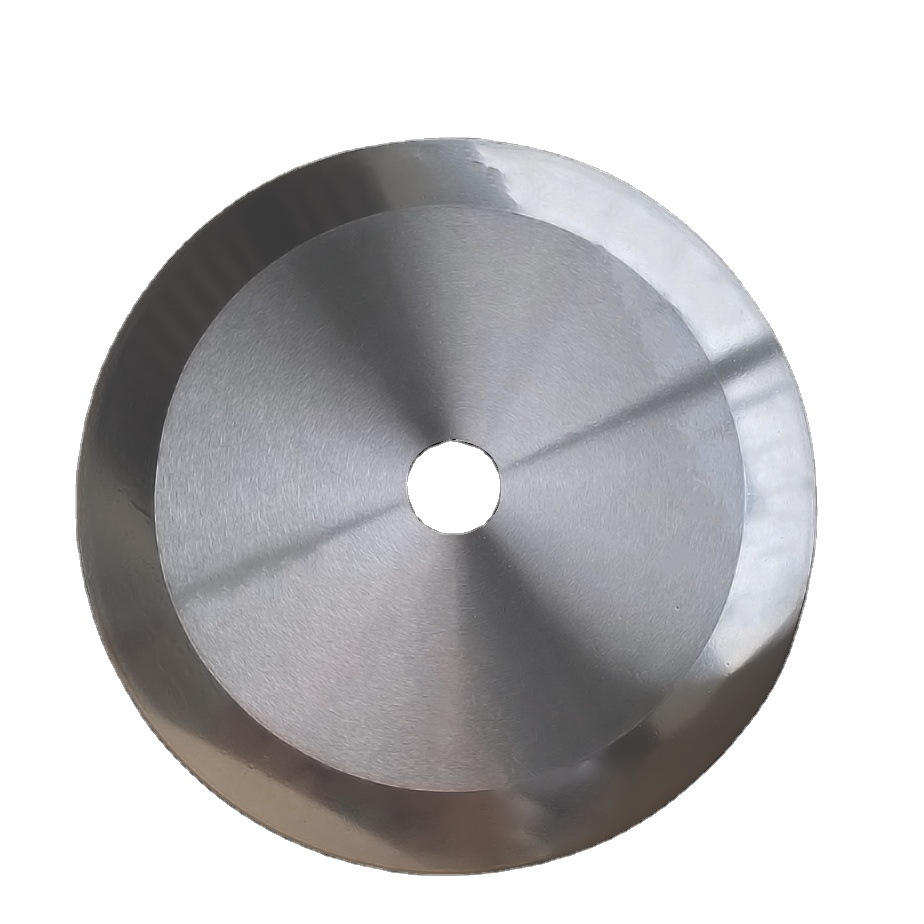
Modern print shops require precision equipment to deliver professional results, and selecting the right paper cutting blade makes the difference between clean cuts and ragged edges. Industrial paper cutting operations demand blades that maintain sharpness through thousands of cuts while providing consistent performance across various paper weights and textures. The quality of your paper cutting blade directly impacts production efficiency, waste reduction, and client satisfaction in commercial printing environments.
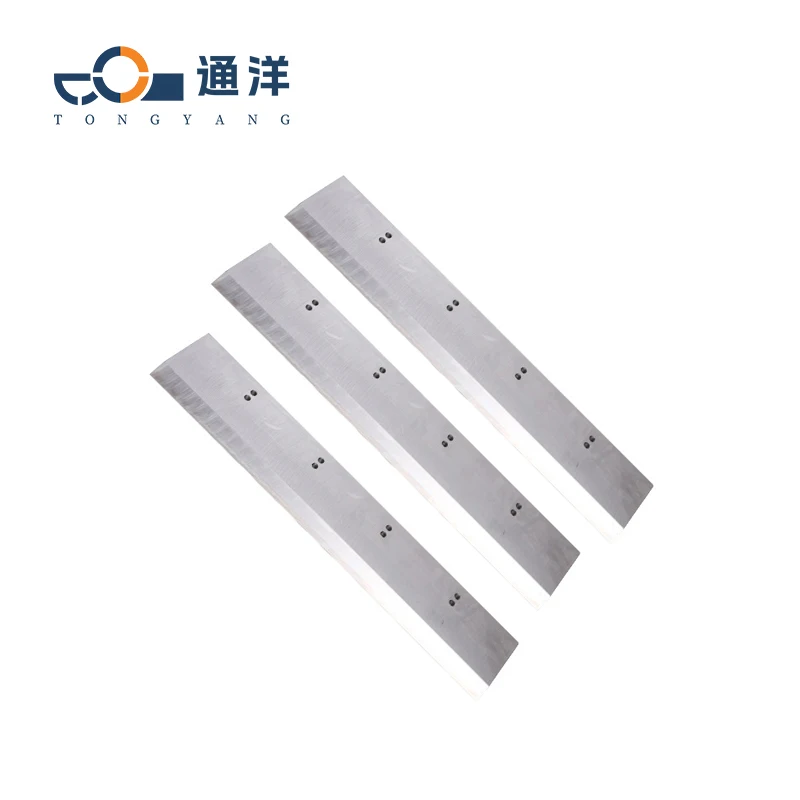
Professional print shops invest considerable resources in finding the optimal paper cutting blade solution that balances durability, precision, and cost-effectiveness. Each blade type offers distinct advantages depending on your specific cutting requirements, paper stocks, and production volume. Understanding these differences enables print shop operators to make informed decisions that maximize both cutting quality and operational efficiency.
Essential Characteristics of High-Performance Paper Cutting Blades
Material Composition and Hardness
Premium paper cutting blade materials typically feature high-carbon steel or tungsten carbide construction, engineered to maintain sharp edges through extended use cycles. The hardness rating, measured on the Rockwell scale, determines how well a paper cutting blade resists dulling when processing different paper grades. Higher hardness ratings generally provide longer blade life but may become more brittle under extreme cutting conditions.
Steel composition affects not only durability but also the smoothness of cuts through various paper densities. Quality manufacturers employ specialized heat treatment processes to optimize the molecular structure of their paper cutting blade products. This treatment enhances edge retention while maintaining sufficient flexibility to prevent chipping or cracking during high-volume operations.
Edge Geometry and Cutting Angles
The cutting angle of a paper cutting blade significantly influences both cut quality and blade longevity across different applications. Acute angles provide cleaner cuts through thin papers but may dull more quickly when processing heavier cardstock materials. Conversely, obtuse angles offer greater durability but may produce slightly rougher edge finishes on delicate papers.
Edge geometry also encompasses the bevel design, which affects how the paper cutting blade interacts with the material during the cutting process. Single-bevel designs excel in applications requiring precise, straight cuts, while double-bevel configurations provide more balanced performance across varied paper types. Understanding these geometric principles helps print shop operators select the most appropriate paper cutting blade for their specific requirements.
Top-Rated Industrial Paper Cutting Blade Options
Heavy-Duty Guillotine Blades
Industrial guillotine systems require robust paper cutting blade options capable of handling large stacks while maintaining cut precision. These blades typically feature extended lengths and reinforced mounting systems to accommodate high-pressure cutting operations. The best guillotine paper cutting blade designs incorporate stress-relief features that prevent warping under repeated heavy loads.
Quality guillotine blades often include specialized coatings that reduce friction and prevent paper adhesive buildup during cutting operations. These coatings extend blade life while ensuring consistent cut quality throughout the blade's service interval. Professional print shops frequently choose guillotine paper cutting blade options with replaceable edge sections to minimize downtime and maintenance costs.
Rotary Cutting Blade Systems
Rotary paper cutting blade configurations excel in continuous cutting applications where speed and consistency are paramount. These systems utilize circular blade designs that distribute wear more evenly compared to straight-edge alternatives. The rotary paper cutting blade approach reduces cutting force requirements while maintaining excellent edge quality across extended production runs.
Modern rotary systems often incorporate adjustable blade pressure settings that optimize cutting performance for different paper characteristics. This flexibility allows operators to fine-tune their paper cutting blade setup for maximum efficiency with various substrates. The continuous motion of rotary blades also generates less heat compared to guillotine systems, reducing the risk of paper scorching during high-speed operations.
Performance Optimization Strategies
Blade Maintenance and Sharpening
Proper maintenance extends paper cutting blade life while ensuring consistent cut quality throughout the service interval. Regular inspection schedules help identify early signs of blade dulling or damage before they impact production quality. Professional sharpening services can restore paper cutting blade performance to near-original specifications when performed correctly.
Maintenance protocols should include proper cleaning procedures to remove paper dust and adhesive residue that accumulate during normal operations. These contaminants can accelerate blade wear and compromise cut quality if not addressed regularly. Some paper cutting blade manufacturers provide specialized cleaning solutions designed specifically for their products.
Cutting Parameters and Setup
Optimizing cutting parameters maximizes both paper cutting blade life and cut quality across different applications. Cutting speed, pressure, and hold-down force all influence blade performance and longevity. Slower cutting speeds generally produce cleaner edges but may reduce overall productivity in high-volume environments.
Proper blade alignment ensures even wear distribution and prevents premature failure of paper cutting blade components. Misaligned blades create uneven cutting forces that can result in poor cut quality and accelerated wear patterns. Regular calibration procedures help maintain optimal blade positioning throughout the service interval.
Cost-Effectiveness and ROI Considerations
Initial Investment vs Long-term Value
While premium paper cutting blade options typically require higher initial investments, their extended service life often provides superior long-term value compared to budget alternatives. Quality blades maintain sharpness longer, reducing replacement frequency and associated downtime costs. Print shops should evaluate total cost of ownership rather than focusing solely on initial paper cutting blade purchase prices.
Professional-grade blades also deliver more consistent cut quality throughout their service life, reducing waste from improperly cut materials. This consistency becomes particularly valuable in high-volume commercial printing environments where material costs represent significant operational expenses. The improved efficiency of quality paper cutting blade products often justifies their premium pricing through reduced labor and material costs.
Production Efficiency Impact
Superior paper cutting blade performance directly translates to increased production efficiency through faster cutting speeds and reduced setup times. Sharp blades require less cutting force, enabling higher throughput while reducing operator fatigue. The consistency of quality blades also minimizes the need for manual touch-up work on cut edges.
Reduced blade change frequency means less production downtime and lower labor costs associated with maintenance activities. Quality paper cutting blade options often provide service life indicators or wear monitoring systems that help operators schedule maintenance during planned downtime periods. This proactive approach minimizes unexpected production interruptions and maintains consistent output quality.
Safety Considerations and Best Practices
Operator Safety Protocols
Working with industrial paper cutting blade equipment requires strict adherence to safety protocols to prevent injuries and ensure safe operation. Proper training ensures operators understand the hazards associated with sharp blade handling and equipment operation. Safety guards and emergency stop systems provide additional protection during paper cutting blade operations.
Personal protective equipment, including cut-resistant gloves and safety glasses, provides essential protection during blade installation and maintenance procedures. Regular safety training updates help maintain awareness of best practices and emerging safety technologies. Documentation of safety procedures ensures consistent application across all shifts and operators.
Equipment Safety Features
Modern paper cutting blade systems incorporate numerous safety features designed to protect operators while maintaining productive operation. Light curtains and pressure-sensitive safety mats provide automatic shutdown capabilities when operators enter dangerous zones. These safety systems integrate with the paper cutting blade control systems to ensure immediate response to potential hazards.
Blade guards and enclosed cutting chambers prevent accidental contact with sharp edges during operation. Quality paper cutting blade manufacturers design their products with safety considerations integrated throughout the development process. Regular inspection and testing of safety systems ensures continued protection for operators and equipment.
Future Trends in Paper Cutting Technology
Advanced Blade Materials
Emerging material technologies promise to deliver next-generation paper cutting blade performance through innovative alloy compositions and surface treatments. Ceramic-enhanced cutting edges provide exceptional hardness while maintaining resistance to chipping and cracking. These advanced materials enable thinner blade profiles that reduce cutting forces while improving edge retention.
Nanotechnology coatings offer enhanced surface properties that reduce friction and prevent material adhesion on paper cutting blade surfaces. These coatings can be engineered to provide specific performance characteristics tailored to different cutting applications. Research continues into self-sharpening blade technologies that could dramatically extend service intervals.
Smart Blade Monitoring Systems
Integration of sensor technology enables real-time monitoring of paper cutting blade performance and wear conditions. These systems provide operators with detailed information about blade sharpness, cutting force requirements, and optimal replacement timing. Predictive maintenance capabilities help prevent unexpected blade failures that could disrupt production schedules.
Wireless connectivity allows paper cutting blade monitoring systems to integrate with broader facility management platforms. This integration enables centralized tracking of blade performance across multiple cutting stations and provides valuable data for optimizing maintenance schedules. Machine learning algorithms can analyze cutting patterns to predict optimal blade replacement intervals for specific applications.
FAQ
How often should industrial paper cutting blades be replaced?
Replacement frequency depends on several factors including cutting volume, paper types processed, and blade quality. High-quality paper cutting blade options typically provide service life indicators or performance monitoring to help determine optimal replacement timing. Generally, blades should be replaced when cut quality begins to deteriorate or cutting force requirements increase significantly.
What factors determine the best paper cutting blade for specific applications?
Key selection factors include paper types and weights processed, cutting volume requirements, desired cut quality, and budget considerations. The specific paper cutting blade geometry and material composition should match your primary applications. Consulting with blade manufacturers or industry experts can help identify the most suitable options for your specific requirements.
Can paper cutting blades be sharpened multiple times?
Most industrial paper cutting blade products can be professionally sharpened several times before replacement becomes necessary. The number of possible sharpenings depends on the original blade thickness, material quality, and sharpening technique used. Proper sharpening by qualified technicians can restore blade performance to near-original specifications while extending overall service life.
What safety precautions are essential when handling paper cutting blades?
Essential safety measures include wearing appropriate personal protective equipment, following lockout/tagout procedures during maintenance, and ensuring proper training for all operators. Paper cutting blade handling requires careful attention to sharp edges and proper storage procedures. Regular safety training and equipment inspection help maintain safe working conditions throughout the facility.