 EN
EN

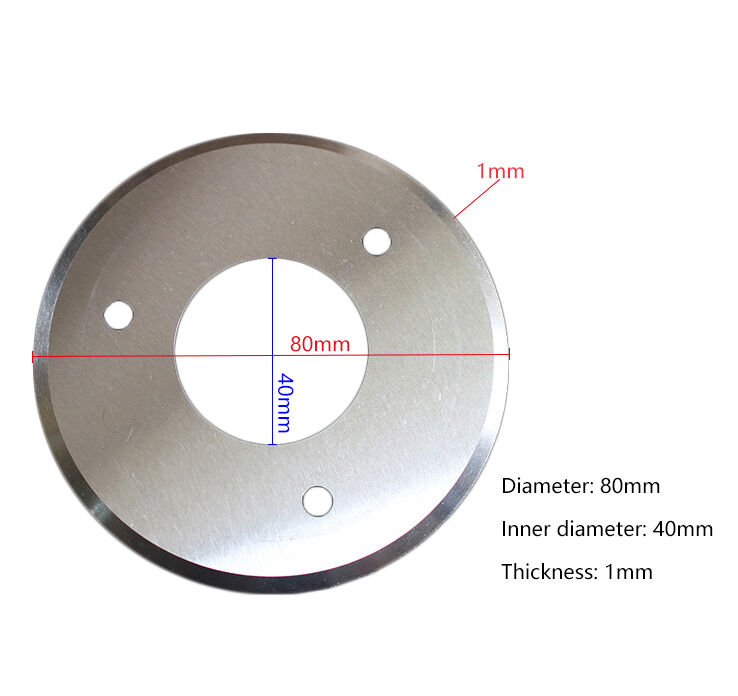
Industrial cutting operations rely heavily on precision equipment, and slitter blades represent one of the most critical components in manufacturing environments. These specialized cutting tools require careful attention and systematic maintenance to deliver consistent performance while maximizing operational efficiency. Understanding proper maintenance protocols can significantly extend the service life of your cutting equipment and reduce unexpected downtime costs.
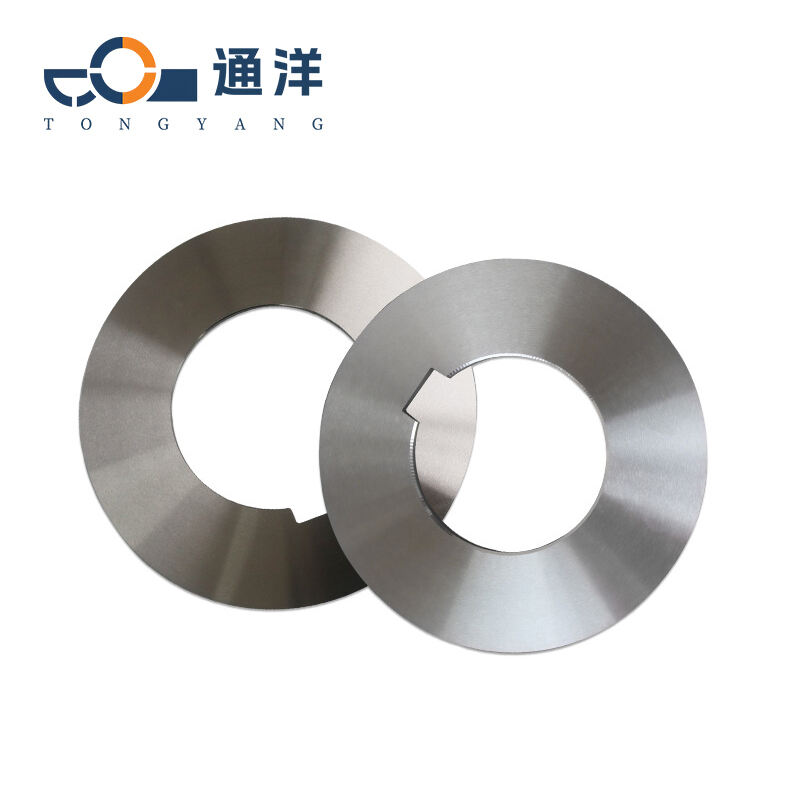
Understanding Slitter Blade Fundamentals
Construction and Material Properties
Modern slitter blades are manufactured using high-grade steel alloys specifically engineered for durability and cutting precision. The material composition directly impacts blade longevity and performance characteristics under various operating conditions. Quality slitter blades undergo specialized heat treatment processes that enhance their hardness while maintaining flexibility necessary for consistent cutting operations.
The geometric design of slitter blades incorporates precise angles and edge configurations optimized for specific material types. Understanding these design elements helps operators make informed decisions about maintenance timing and replacement schedules. Proper material selection ensures that slitter blades maintain their cutting effectiveness throughout extended production runs.
Operating Environment Impact
Environmental factors significantly influence the maintenance requirements for slitter blades in industrial settings. Temperature fluctuations, humidity levels, and exposure to corrosive substances can accelerate wear patterns and necessitate more frequent maintenance intervals. Monitoring these conditions helps establish appropriate preventive maintenance schedules.
Dust accumulation and debris buildup around cutting areas create additional challenges for maintaining optimal blade performance. Regular cleaning protocols and environmental controls minimize these adverse effects while preserving the cutting edge integrity of slitter blades throughout their operational lifespan.
Essential Cleaning and Inspection Procedures
Daily Cleaning Protocols
Establishing consistent daily cleaning routines forms the foundation of effective slitter blade maintenance programs. Removing accumulated debris and material residue prevents buildup that can compromise cutting precision and accelerate blade wear. Proper cleaning techniques involve using appropriate solvents and tools that remove contaminants without damaging blade surfaces.
The cleaning process should focus on both visible surfaces and hidden areas where debris commonly accumulates during normal operations. Thorough cleaning extends beyond the cutting edge to include mounting hardware and surrounding components that influence overall system performance. Regular cleaning protocols help identify potential issues before they develop into costly problems.
Visual Inspection Techniques
Systematic visual inspections provide early warning indicators of developing issues with slitter blades before they impact production quality. Trained operators can identify signs of excessive wear, edge chipping, or material buildup that require immediate attention. Documentation of inspection findings creates valuable maintenance history data for future reference.
Inspection procedures should include examination of blade edges, mounting surfaces, and alignment indicators using appropriate magnification tools when necessary. Identifying wear patterns helps determine optimal replacement timing while maintaining consistent cutting quality standards throughout production cycles.
Proper Storage and Handling Methods
Storage Environment Requirements
Correct storage conditions play a crucial role in maintaining slitter blade integrity during periods of non-use. Climate-controlled environments with stable temperature and humidity levels prevent corrosion and material degradation that can compromise blade performance. Proper storage facilities should provide protection from contaminants while allowing easy access for inventory management.
Organizational systems that prevent blade contact and potential damage during storage contribute significantly to extended service life. Individual blade packaging or protective sleeves maintain edge sharpness while preventing accidental damage from handling or environmental exposure. Proper storage practices represent a cost-effective investment in blade longevity.
Safe Handling Procedures
Implementing standardized handling procedures reduces the risk of damage during transportation and installation of slitter blades. Proper lifting techniques and support methods prevent bending or distortion that can affect cutting performance. Training personnel in correct handling methods ensures consistent application of safety protocols across all operational shifts.
Using appropriate tools and equipment for blade installation and removal minimizes the potential for damage while maintaining worker safety standards. Specialized handling tools designed for slitter blades provide secure grip and controlled positioning during maintenance operations. Investment in proper handling equipment pays dividends through reduced blade replacement costs and improved safety performance.
Sharpening and Edge Maintenance
Sharpening Frequency Determination
Establishing optimal sharpening intervals requires careful analysis of production requirements, material characteristics, and cutting quality standards. Regular monitoring of cutting performance indicators helps determine when sharpening services become necessary to maintain acceptable quality levels. Proactive sharpening schedules prevent excessive wear that can compromise blade geometry and cutting effectiveness.
Material thickness, hardness, and abrasive properties influence the rate of edge wear on slitter blades during normal operations. Understanding these relationships enables operators to predict maintenance requirements and schedule sharpening services during planned downtime periods. Proper timing of sharpening operations maximizes blade utilization while maintaining consistent cutting quality.
Professional Sharpening Services
Professional sharpening services utilize specialized equipment and expertise to restore slitter blade cutting edges to original specifications. Precision grinding techniques ensure consistent edge geometry while maintaining proper blade balance and dimensional accuracy. Professional services often provide additional benefits such as blade inspection and reconditioning that extend overall service life.
Selecting qualified sharpening service providers requires evaluation of their equipment capabilities, quality control procedures, and industry experience with similar blade types. Establishing relationships with reliable service providers ensures consistent quality and turnaround times that support production scheduling requirements. Professional sharpening represents a cost-effective alternative to premature blade replacement in many applications.
Alignment and Installation Best Practices
Precision Installation Techniques
Proper installation procedures ensure that slitter blades operate within design parameters while minimizing unnecessary stress and wear. Precision alignment tools and measurement devices help achieve optimal positioning that maximizes cutting performance and blade longevity. Careful attention to installation details prevents premature failure and maintains consistent product quality.
Torque specifications and mounting procedures must be followed precisely to ensure secure blade attachment without over-stressing mounting hardware. Proper installation techniques also include verification of clearances and operating parameters before returning equipment to production service. These procedures help prevent damage and ensure optimal performance from newly installed slitter blades.
Alignment Monitoring Systems
Regular monitoring of blade alignment ensures continued optimal performance throughout the operational cycle. Measurement tools and techniques that detect minute alignment changes help prevent quality issues and extend blade service life. Systematic monitoring programs provide early warning of developing problems that could affect production output.
Documentation of alignment measurements creates valuable trend data that supports predictive maintenance programs. Understanding normal alignment variations helps distinguish between acceptable operating conditions and situations requiring corrective action. Proactive alignment monitoring contributes significantly to overall equipment effectiveness and blade longevity.
Troubleshooting Common Issues
Identifying Wear Patterns
Understanding common wear patterns helps operators diagnose underlying issues that affect slitter blade performance. Uneven wear typically indicates alignment problems, excessive loading, or improper operating conditions that require correction. Early identification of abnormal wear patterns enables corrective action before significant damage occurs.
Documenting wear patterns and associated operating conditions creates valuable diagnostic information for future reference. This data helps identify trends and develop improved maintenance strategies that address root causes rather than symptoms. Systematic analysis of wear patterns contributes to continuous improvement in blade maintenance programs.
Performance Optimization Strategies
Optimizing slitter blade performance involves careful evaluation of operating parameters and adjustment of conditions to minimize wear while maintaining quality standards. Understanding the relationship between cutting speed, feed rates, and material properties helps establish optimal operating windows. Fine-tuning these parameters can significantly extend blade service life.
Regular performance monitoring using measurable indicators helps identify opportunities for improvement in blade utilization. Tracking cutting quality, production rates, and maintenance intervals provides data for optimizing overall system performance. Continuous monitoring supports data-driven decisions that improve both productivity and blade longevity.
FAQ
How often should slitter blades be inspected for wear
Inspection frequency depends on production volume, material characteristics, and quality requirements, but daily visual inspections are recommended for high-volume operations. More detailed inspections should be conducted weekly or after specific production milestones. Establishing consistent inspection schedules helps identify issues before they impact production quality or require emergency blade replacement.
What are the signs that slitter blades need immediate replacement
Critical replacement indicators include visible edge chipping, excessive burr formation on cut materials, increased cutting force requirements, and dimensional variations in finished products. Any signs of cracking or structural damage require immediate blade replacement to prevent equipment damage or safety hazards. Quality degradation beyond acceptable limits also necessitates prompt blade replacement.
Can slitter blades be sharpened multiple times before replacement
Quality slitter blades can typically undergo multiple sharpening cycles before replacement becomes necessary, with the exact number depending on blade material, operating conditions, and sharpening quality. Professional sharpening services can often restore blades to near-original performance levels several times. However, each sharpening reduces blade thickness, eventually requiring replacement when minimum dimensions are reached.
What storage conditions are most important for maintaining blade quality
Optimal storage conditions include stable temperature and humidity levels, protection from contaminants, and prevention of blade contact that could cause damage. Clean, dry environments with controlled access help maintain slitter blade integrity during storage periods. Proper packaging and organizational systems prevent corrosion and accidental damage while ensuring easy inventory management and blade identification.