 EN
EN

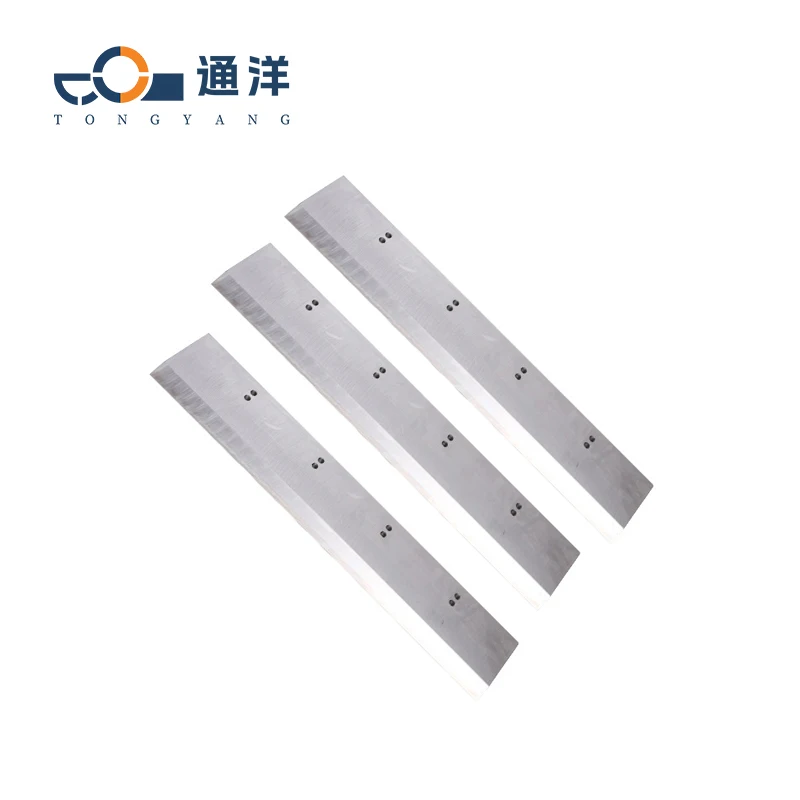
Proper maintenance of your paper cutting blade is essential for achieving consistent, clean cuts while maximizing the lifespan of your equipment. Whether you're operating a commercial printing facility, running a small craft business, or managing an office environment, understanding how to care for your paper cutting blade can significantly impact both productivity and cost-effectiveness. Regular maintenance not only extends blade life but also ensures superior cutting quality, reduces downtime, and prevents costly replacements that can disrupt your workflow.
Understanding Paper Cutting Blade Components and Materials
Blade Steel Composition and Performance Characteristics
The foundation of effective paper cutting blade maintenance begins with understanding the materials used in blade construction. High-quality paper cutting blade systems typically utilize premium steel alloys that offer optimal hardness and edge retention properties. Carbon steel blades provide excellent sharpness and are relatively easy to maintain, while stainless steel options offer superior corrosion resistance in humid environments. The blade's metallurgical composition directly affects how it responds to maintenance procedures and determines the appropriate care techniques.
Modern paper cutting blade manufacturing incorporates advanced heat treatment processes that create specific hardness zones throughout the blade structure. The cutting edge maintains maximum hardness for superior performance, while the blade body retains enough flexibility to prevent brittle failure under stress. Understanding these characteristics helps operators select appropriate maintenance tools and techniques that preserve the blade's engineered properties throughout its service life.
Cutting Edge Geometry and Design Features
The geometric design of your paper cutting blade significantly influences both cutting performance and maintenance requirements. Single-bevel blades offer excellent cutting efficiency but require specific sharpening angles to maintain optimal performance. Double-bevel configurations provide more versatile cutting capabilities and tend to be more forgiving during maintenance procedures. The blade's primary and secondary bevels work together to create the final cutting edge, and maintaining the correct angular relationships is crucial for consistent results.
Blade thickness and profile also affect maintenance strategies, as thinner blades require more delicate handling during cleaning and sharpening procedures. The relief angle behind the cutting edge determines how smoothly the paper cutting blade moves through material stacks, and maintaining proper geometry prevents binding and excessive wear. Professional blade manufacturers engineer specific relief patterns that must be preserved during maintenance to ensure continued performance.
Essential Daily Maintenance Procedures
Cleaning Protocols for Optimal Performance
Daily cleaning represents the most critical aspect of paper cutting blade maintenance, as accumulated debris and adhesive residues can severely compromise cutting quality. Begin each maintenance session by removing the blade from the cutting machine following manufacturer safety procedures. Use compressed air to remove loose paper fibers and dust particles from the blade surface, paying particular attention to the cutting edge and relief areas where debris tends to accumulate.
For adhesive residue removal, apply appropriate solvents using lint-free cloths, working from the blade spine toward the cutting edge to avoid damage. Avoid harsh chemicals that might affect the blade's surface finish or protective coatings. After solvent cleaning, thoroughly dry the paper cutting blade and apply a light coating of protective oil to prevent corrosion. This daily routine takes only minutes but dramatically extends blade life and maintains cutting precision.
Inspection and Early Problem Detection
Visual inspection forms an integral part of daily paper cutting blade maintenance, allowing operators to identify potential issues before they become serious problems. Examine the cutting edge under adequate lighting, looking for chips, nicks, or areas of excessive wear that might compromise performance. Small imperfections caught early can often be corrected with minor maintenance procedures, while neglected problems may require complete blade replacement.
Check blade alignment within the cutting machine, ensuring proper positioning relative to the cutting bed and backstop. Misalignment causes uneven wear patterns and reduces cutting quality, often indicating worn mounting hardware or improper installation. Document any observations in maintenance logs to track wear patterns and predict when major maintenance or replacement will be necessary. This proactive approach helps prevent unexpected failures during critical production periods.
Advanced Sharpening Techniques and Best Practices
Professional Sharpening Methods
Professional sharpening represents the most effective method for restoring paper cutting blade performance when daily maintenance is no longer sufficient. Experienced blade technicians use precision grinding equipment that maintains exact bevel angles while removing minimal material from the blade. This process requires specialized knowledge of blade geometry and steel properties to achieve optimal results without compromising blade integrity or reducing service life.
The sharpening process typically involves multiple stages, beginning with coarse grinding to establish proper geometry, followed by progressively finer grits to achieve the desired edge finish. Professional paper cutting blade services often include blade inspection, geometry correction, and surface refinishing that restores like-new performance characteristics. Many facilities establish relationships with professional sharpening services to ensure consistent blade maintenance quality.
In-House Sharpening Considerations
While professional sharpening delivers superior results, some facilities choose to perform basic sharpening procedures in-house using appropriate equipment and training. Handheld sharpening systems designed specifically for paper cutting blade maintenance can provide acceptable results when used correctly. These systems typically include angle guides and abrasive stones calibrated for paper cutting applications.
Success with in-house sharpening requires proper training, quality equipment, and strict adherence to manufacturer specifications. Operators must understand blade geometry, maintain consistent angles throughout the sharpening process, and recognize when professional service is necessary. Many blade manufacturers offer training programs that teach proper sharpening techniques while emphasizing safety procedures and quality control measures.
Storage and Environmental Considerations
Proper Storage Conditions
Proper storage plays a crucial role in paper cutting blade longevity, particularly for facilities that maintain spare blades or rotate cutting equipment seasonally. Store blades in clean, dry environments with stable temperatures to prevent corrosion and thermal stress. Blade storage systems should protect cutting edges from contact with other surfaces while allowing easy access for inventory management and inspection procedures.
Individual blade protection using appropriate covers or sheaths prevents accidental damage during handling and storage. Avoid storing blades in areas with high humidity, chemical vapors, or temperature fluctuations that might affect steel properties or promote corrosion. Properly stored paper cutting blade inventory maintains peak performance characteristics and provides reliable backup when primary blades require maintenance or replacement.
Environmental Factors Affecting Blade Performance
Operating environment significantly influences paper cutting blade maintenance requirements and service life expectations. High-humidity conditions accelerate corrosion processes, particularly on exposed steel surfaces, requiring more frequent cleaning and protective treatments. Dusty environments increase debris accumulation rates, necessitating more aggressive daily cleaning procedures to maintain cutting quality.
Temperature variations affect both blade materials and cutting performance, as thermal expansion and contraction can influence blade geometry and mounting tolerances. Facilities operating in challenging environments should adjust maintenance schedules accordingly, increasing inspection frequency and implementing additional protective measures. Understanding these environmental impacts helps optimize paper cutting blade performance while minimizing maintenance costs.
Troubleshooting Common Blade Issues
Identifying Wear Patterns and Their Causes
Understanding common wear conditions helps operators identify potential issues that may compromise the performance of paper cutting blades. Uneven wear along the length of the blade often indicates misalignment of the equipment, improper blade installation, or worn mechanical components that require inspection and repair; edge chipping typically results from cutting incompatible materials, excessive cutting force, or contact between the blade and hard surfaces during operation.
Premature dulling might indicate improper cutting techniques, inadequate blade support, or contaminated paper stock containing abrasive particles. By analyzing wear patterns systematically, operators can identify root causes and implement corrective measures that prevent recurring problems. This diagnostic approach extends blade life while improving overall cutting system reliability and performance.
Performance Degradation Solutions
When paper cutting blade performance begins to decline despite regular maintenance, systematic troubleshooting helps identify appropriate corrective actions. Poor cut quality might result from blade dullness, improper machine adjustments, or contaminated cutting surfaces that require attention. Increased cutting forces often indicate blade wear, material changes, or machine wear that affects cutting dynamics.
Addressing performance issues promptly prevents additional damage and maintains productivity levels. Simple adjustments like blade repositioning or machine calibration might restore acceptable performance, while more serious problems may require professional blade service or equipment repair. Maintaining detailed performance records helps identify trends and predict when intervention will be necessary.
Cost-Effective Maintenance Scheduling
Developing Maintenance Intervals
Establishing appropriate maintenance intervals balances blade performance requirements with operational costs and productivity considerations. High-volume operations typically require more frequent maintenance cycles, while lighter-duty applications might extend intervals without compromising results. Paper cutting blade manufacturers often provide recommended maintenance schedules based on typical usage patterns and operating conditions.
Usage tracking helps refine maintenance schedules based on actual operating experience rather than generic recommendations. Monitor cut quantities, material types, and operating conditions to develop facility-specific maintenance protocols that optimize blade life while ensuring consistent performance. Regular schedule evaluation allows adjustments based on changing operational requirements or equipment modifications.
Budget Planning and Cost Control
Effective paper cutting blade maintenance requires realistic budget planning that accounts for routine maintenance costs, periodic sharpening services, and eventual blade replacement. Preventive maintenance typically costs significantly less than emergency replacements or repairs resulting from neglected blade care. Establishing maintenance reserves helps facilities manage costs while ensuring adequate resources for proper blade care.
Volume purchasing agreements with blade suppliers often provide cost advantages while ensuring consistent blade quality and availability. Many suppliers offer maintenance support services, training programs, and technical assistance that add value beyond simple product supply. Building strong supplier relationships helps facilities access expertise while managing blade-related costs effectively.
FAQ
How often should I clean my paper cutting blade
Daily cleaning is recommended for most paper cutting blade applications, particularly in commercial or high-volume environments. Remove debris and adhesive residues at the end of each operating day to prevent buildup that can affect cutting quality. Light-duty applications might extend cleaning intervals to weekly schedules, but regular inspection should continue daily to identify potential issues early.
What are the signs that my paper cutting blade needs professional sharpening
Several indicators suggest that your paper cutting blade requires professional attention, including increased cutting force requirements, poor cut quality with ragged edges, visible chips or nicks on the cutting edge, and uneven wear patterns. If daily maintenance and basic care procedures no longer restore acceptable performance, professional sharpening or blade replacement is typically necessary.
Can I sharpen my paper cutting blade myself
While basic sharpening is possible with appropriate equipment and training, professional services typically deliver superior results with longer-lasting performance. In-house sharpening requires understanding blade geometry, maintaining proper angles, and using quality equipment designed for paper cutting applications. Many facilities find that professional services provide better value when considering time, equipment costs, and result quality.
How do I know when to replace rather than maintain my paper cutting blade
Blade replacement becomes necessary when maintenance costs exceed replacement value, when the blade has lost significant material through repeated sharpening, or when structural damage like cracks or severe chips compromise safety and performance. Professional blade services can evaluate blade condition and recommend whether continued maintenance or replacement provides better value for specific applications.