 EN
EN

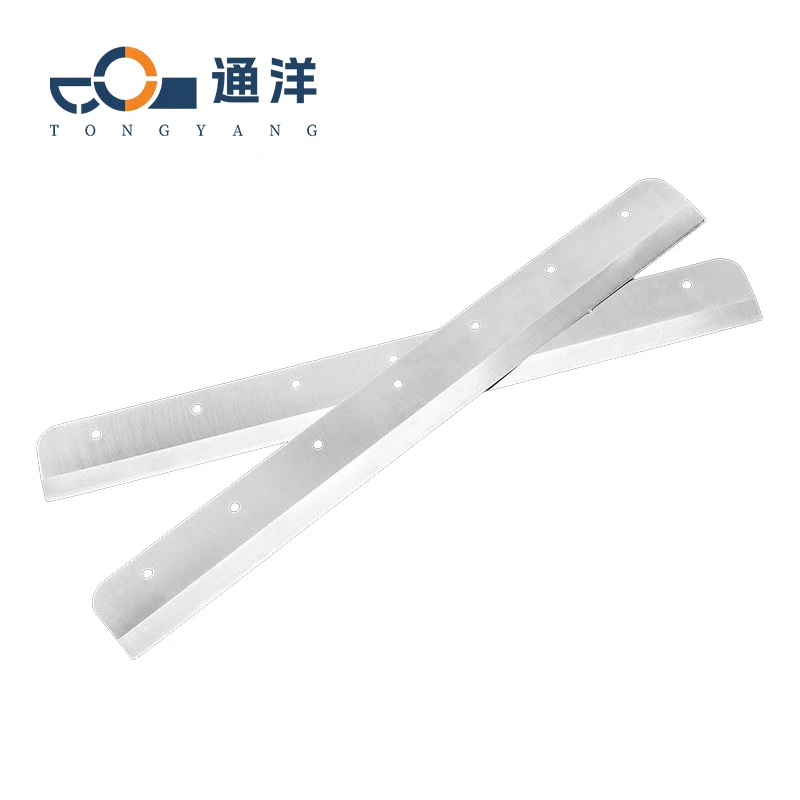
Selecting the appropriate paper cutting blade is a critical decision that directly impacts the quality, efficiency, and cost-effectiveness of your paper processing operations. Whether you manage a commercial printing facility, operate a packaging business, or run a craft production line, understanding the nuances of paper cutting blade selection can significantly enhance your operational performance. The right paper cutting blade ensures clean cuts, reduces waste, minimizes downtime, and maximizes the lifespan of your cutting equipment.
The paper cutting industry has evolved tremendously over the past decades, with technological advancements leading to more sophisticated blade designs and materials. Modern paper cutting blade technology incorporates advanced metallurgy, precision engineering, and specialized coatings to deliver superior performance across diverse applications. From high-volume commercial operations to precision craft cutting, each application demands specific blade characteristics that align with the intended use case.
Understanding the fundamental principles of paper cutting blade selection requires knowledge of material properties, cutting mechanics, and operational requirements. The interaction between blade geometry, paper characteristics, and cutting forces determines the overall effectiveness of the cutting process. Professional operators recognize that investing in the right paper cutting blade translates to improved productivity, reduced operational costs, and enhanced product quality.
Understanding Paper Cutting Blade Materials and Construction
High-Carbon Steel Compositions
High-carbon steel represents the foundation of premium paper cutting blade manufacturing, offering exceptional hardness and edge retention properties. The carbon content in these alloys typically ranges from 0.8% to 1.5%, providing the optimal balance between hardness and toughness required for consistent cutting performance. Advanced heat treatment processes transform the steel structure, creating fine carbide particles that contribute to the blade's cutting efficiency and durability.
The manufacturing process for high-carbon steel paper cutting blade involves precise temperature control during heating and cooling cycles. This metallurgical precision ensures uniform grain structure throughout the blade material, eliminating weak points that could lead to premature failure or inconsistent cutting performance. Professional-grade blades undergo multiple tempering cycles to achieve the desired hardness levels while maintaining sufficient toughness to withstand operational stresses.
Surface treatments applied to high-carbon steel paper cutting blade enhance performance characteristics beyond the base material properties. These treatments may include chrome plating, titanium nitride coating, or specialized polymer applications that reduce friction and improve corrosion resistance. The selection of appropriate surface treatments depends on the specific paper types and cutting conditions encountered in the application.
Tungsten Carbide Technology
Tungsten carbide represents the pinnacle of paper cutting blade technology, delivering unmatched hardness and wear resistance for demanding applications. These blades incorporate tungsten carbide particles either as integral components of the blade material or as applied coatings on high-quality steel substrates. The exceptional hardness of tungsten carbide, measuring between 87-92 HRA on the Rockwell scale, enables extended cutting life and consistent performance across high-volume operations.
The manufacturing of tungsten carbide paper cutting blade requires specialized equipment and precise control of particle size distribution and bonding agents. Advanced sintering processes create homogeneous material structures that maximize the benefits of tungsten carbide while maintaining adequate toughness for paper cutting applications. The resulting blades demonstrate superior edge retention and resistance to abrasive wear, particularly important when processing coated papers or materials with mineral fillers.
Cost considerations for tungsten carbide paper cutting blade reflect the premium material costs and specialized manufacturing requirements. However, the extended service life and reduced downtime associated with these blades often justify the initial investment for high-volume operations. Professional users calculate the total cost of ownership, including blade costs, replacement frequency, and productivity impacts, to determine the economic viability of tungsten carbide solutions.
Blade Geometry and Cutting Mechanics
Edge Angle Optimization
The edge angle of a paper cutting blade fundamentally determines its cutting characteristics, influencing factors such as cutting force requirements, edge sharpness retention, and suitability for different paper types. Acute edge angles, typically ranging from 18 to 22 degrees, provide exceptional sharpness and clean cuts but may sacrifice durability in high-volume applications. These angles work particularly well for thin papers and applications where cut quality takes precedence over blade longevity.
Steeper edge angles, generally between 25 to 30 degrees, offer enhanced durability and resistance to edge damage while maintaining adequate cutting performance for most paper types. This geometry represents the optimal compromise for general-purpose paper cutting blade applications, balancing sharpness with practical longevity considerations. The increased edge strength associated with steeper angles reduces the likelihood of chipping or microcracking during operation.
Specialized applications may require custom edge geometries that optimize performance for specific paper characteristics or cutting conditions. Double-bevel designs, asymmetric angles, and micro-serrated edges represent advanced geometries that address particular challenges in paper cutting blade applications. Professional blade manufacturers often provide custom grinding services to achieve optimal edge geometries for specialized requirements.
Blade Thickness and Rigidity
Blade thickness directly impacts the rigidity and cutting performance of a paper cutting blade, with thicker blades providing enhanced stability during cutting operations. Standard blade thicknesses range from 1.0mm to 3.0mm, with the optimal thickness depending on the cutting machine design, paper stack height, and precision requirements. Thicker blades resist deflection under cutting loads, maintaining straight cuts and reducing the tendency for blade wandering.
The relationship between blade thickness and cutting quality becomes particularly important when processing thick paper stacks or dense materials. Insufficient blade rigidity can result in uneven cuts, with the bottom sheets receiving different cutting forces than the top sheets. A properly specified paper cutting blade thickness ensures uniform cutting pressure distribution across the entire stack height, delivering consistent results throughout the cutting operation.
Machine compatibility considerations limit the range of acceptable blade thicknesses for specific cutting equipment. Most industrial paper cutters accommodate standard thickness ranges, but precision equipment may require exact thickness specifications to maintain proper clearances and cutting geometry. Blade manufacturers typically provide detailed compatibility information to ensure proper fitment and performance.
Application-Specific Selection Criteria
Commercial Printing Operations
Commercial printing facilities demand paper cutting blade solutions that deliver consistent performance across diverse paper types, weights, and coating specifications. The high-volume nature of commercial printing requires blades that maintain sharpness over extended production runs while accommodating frequent size changes and material variations. Premium paper cutting blade options for commercial printing typically feature advanced steel alloys and specialized heat treatments that optimize edge retention and cutting consistency.
The variety of paper stocks encountered in commercial printing environments challenges paper cutting blade performance in multiple ways. Coated papers introduce abrasive particles that accelerate blade wear, while uncoated stocks may cause fiber buildup along the cutting edge. Synthetic substrates and specialty materials require specific blade geometries and materials to achieve acceptable cutting quality without premature blade failure.
Productivity considerations in commercial printing operations often favor paper cutting blade solutions that minimize changeover time and maintenance requirements. Quick-change blade mounting systems, standardized blade dimensions, and predictable wear patterns enable efficient production scheduling and inventory management. Professional printing operations typically establish blade replacement schedules based on production volumes and quality requirements.
Packaging and Converting Industries
Packaging and converting operations present unique challenges for paper cutting blade selection, often involving heavy paperboard, corrugated materials, and multi-layer constructions. These applications require blades with enhanced strength and durability to withstand the increased cutting forces associated with thick, dense materials. The paper cutting blade specifications for packaging applications typically emphasize edge strength and resistance to impact damage over ultimate sharpness.
The converting industry's focus on cost-effective production drives demand for paper cutting blade solutions that maximize material yield and minimize waste. Sharp, precise cuts reduce trim waste and improve the efficiency of downstream processes such as folding, gluing, and assembly. Blade selection decisions in converting operations must balance initial blade costs with the economic impact of cutting quality on overall production efficiency.
Specialized converting applications may require custom paper cutting blade solutions designed for specific material combinations or cutting patterns. Perforating blades, scoring blades, and combination cutting tools address the diverse requirements of modern converting operations. These specialized tools often incorporate multiple cutting elements or complex geometries that optimize performance for specific converting processes.
Maintenance and Optimization Strategies
Sharpening and Reconditioning
Professional sharpening services play a crucial role in maximizing the service life and performance of paper cutting blade investments. Proper sharpening techniques restore cutting edges while maintaining the original blade geometry and material properties. Advanced sharpening equipment uses precision grinding wheels and controlled environments to achieve consistent results across multiple sharpening cycles.
The frequency of paper cutting blade sharpening depends on usage patterns, material types, and quality requirements. High-volume operations may require sharpening schedules based on production counts or time intervals, while specialty applications might trigger sharpening based on cut quality observations. Establishing clear sharpening criteria helps maintain consistent cutting performance and prevents quality issues associated with dull blades.
Economic considerations for paper cutting blade sharpening include the cost of sharpening services, blade transportation, and production downtime during blade replacement. Many operations maintain multiple blade sets to enable continuous production while blades undergo sharpening. The total number of successful sharpening cycles varies with blade material and application severity, but quality blades typically support 5-10 sharpening cycles before replacement becomes necessary.
Storage and Handling Best Practices
Proper storage and handling procedures significantly impact the performance and lifespan of paper cutting blade investments. Blades should be stored in clean, dry environments that prevent corrosion and contamination. Protective packaging or blade storage systems prevent edge damage during storage and handling, maintaining the precision geometry established during manufacturing.
Handling procedures for paper cutting blade installation and removal require appropriate tools and techniques to prevent injury and blade damage. Magnetic handling tools, blade clamps, and protective equipment ensure safe blade manipulation while maintaining edge integrity. Training programs for equipment operators should emphasize proper blade handling procedures and safety protocols.
Environmental factors in the workplace can impact paper cutting blade performance and longevity. Temperature fluctuations, humidity levels, and airborne contaminants may affect blade materials and cutting performance. Climate-controlled storage areas and regular cleaning procedures help maintain optimal blade conditions and performance consistency.
FAQ
How often should I replace my paper cutting blade
The replacement frequency for a paper cutting blade depends on several factors including usage volume, paper types, and quality requirements. Commercial operations typically replace blades every 50,000 to 200,000 cuts, while craft applications may achieve much longer blade life. Monitor cut quality indicators such as edge roughness, fiber pullout, or increased cutting force to determine optimal replacement timing. Establishing a replacement schedule based on production counts or quality assessments helps maintain consistent results.
What blade material works best for coated papers
Coated papers require paper cutting blade materials that resist abrasive wear caused by mineral fillers and coating particles. Tungsten carbide blades or high-carbon steel blades with specialized coatings perform best in these applications. The abrasive nature of coated papers accelerates normal wear patterns, making premium blade materials a worthwhile investment for high-volume coated paper processing. Consider blades with enhanced edge treatments specifically designed for abrasive cutting conditions.
Can I sharpen paper cutting blades myself
While basic blade maintenance is possible with proper equipment and training, professional sharpening services typically deliver superior results for paper cutting blade reconditioning. Precision grinding equipment, controlled environments, and experienced technicians ensure consistent blade geometry and optimal cutting performance. Attempting DIY sharpening without appropriate equipment may damage blade geometry and reduce performance. For high-value blades or critical applications, professional sharpening services provide the best return on investment.
How do I choose the right blade thickness
Paper cutting blade thickness selection depends on your cutting machine specifications, paper stack height, and precision requirements. Thicker blades provide enhanced rigidity for heavy-duty applications but may not fit all machine designs. Consult your equipment manufacturer's recommendations and consider the maximum paper stack height you typically process. Standard thicknesses range from 1.0mm to 3.0mm, with most commercial applications using blades between 1.5mm and 2.5mm thickness.