 EN
EN

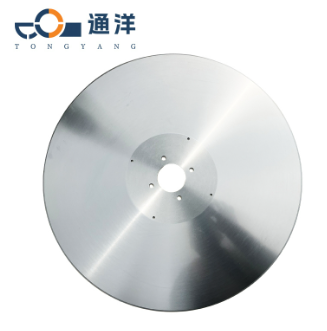
Proper maintenance of industrial cutting tools is crucial for sustained performance and operational efficiency in manufacturing environments. A round cutting knife serves as the backbone of numerous industrial applications, from rubber processing to textile manufacturing, demanding meticulous care to maintain its cutting precision. Understanding the fundamental principles of round cutting knife maintenance ensures optimal blade performance, extends tool lifespan, and reduces costly downtime in production facilities. Professional maintenance practices not only preserve the blade's sharp edge but also enhance workplace safety by preventing unexpected tool failures.
Understanding Round Cutting Knife Components
Blade Structure and Materials
The construction of a round cutting knife involves carefully selected materials engineered for specific cutting applications. High-carbon steel represents the most common material choice for round cutting knife manufacturing due to its exceptional edge retention properties and resistance to deformation under pressure. Modern round cutting knife designs incorporate advanced metallurgy techniques, including differential hardening processes that create varying hardness levels across the blade profile. This sophisticated approach ensures the cutting edge maintains maximum sharpness while the blade body provides necessary flexibility during operation.
Understanding the relationship between blade thickness, diameter, and cutting performance helps maintenance professionals develop effective care strategies. The blade's geometry directly influences its cutting characteristics, with thinner profiles offering superior precision for delicate materials while thicker designs provide enhanced durability for heavy-duty applications. Surface treatments such as chrome plating or specialized coatings may be applied to round cutting knife surfaces to improve corrosion resistance and reduce friction during cutting operations.
Critical Wear Points and Stress Areas
Identifying critical wear points on a round cutting knife enables proactive maintenance interventions before significant damage occurs. The cutting edge experiences the highest stress concentration during operation, making it the primary focus for regular inspection and maintenance activities. Heat generation from continuous cutting operations can lead to microscopic changes in blade metallurgy, potentially affecting the round cutting knife's performance characteristics over time.
Stress concentration points typically develop at blade mounting interfaces where mechanical fasteners create localized pressure zones. These areas require careful monitoring for signs of fatigue cracking or deformation that could compromise the round cutting knife's structural integrity. Environmental factors such as temperature fluctuations and chemical exposure can accelerate wear patterns, necessitating adjusted maintenance schedules based on operational conditions.
Essential Cleaning and Preparation Procedures
Pre-Maintenance Safety Protocols
Establishing comprehensive safety protocols before beginning round cutting knife maintenance protects personnel from injury and ensures proper handling procedures. Complete machine shutdown and lockout procedures must be implemented before accessing cutting equipment, with verification that all moving components have come to a complete stop. Personal protective equipment requirements include cut-resistant gloves, safety glasses, and protective clothing appropriate for the specific maintenance environment.
Workspace preparation involves clearing the maintenance area of unnecessary tools and materials while ensuring adequate lighting for detailed inspection work. The round cutting knife removal process requires specialized tools designed to safely handle sharp-edged components without causing damage to the blade or surrounding equipment. Documentation of blade condition before maintenance begins provides valuable reference information for tracking wear patterns and maintenance effectiveness over time.
Cleaning Techniques and Solutions
Effective cleaning removes accumulated debris, cutting residue, and contaminants that can interfere with round cutting knife performance. Solvent selection depends on the specific materials being cut and any accumulated deposits on the blade surface. Gentle cleaning solutions prevent chemical damage to blade coatings while effectively removing stubborn residues that mechanical cleaning alone cannot eliminate.
Ultrasonic cleaning systems provide thorough contaminant removal from complex blade geometries without mechanical scrubbing that might damage delicate edge profiles. The round cutting knife cleaning process should progress from gentle methods to more aggressive techniques only when necessary, preserving blade surface integrity throughout the procedure. Complete drying after cleaning prevents corrosion initiation and ensures proper adhesion of any protective treatments applied during maintenance.
Sharpening and Edge Restoration Methods
Professional Sharpening Techniques
Professional sharpening of a round cutting knife requires specialized equipment and expertise to maintain precise blade geometry while restoring cutting performance. Diamond grinding wheels offer superior material removal control and surface finish quality compared to conventional abrasives. The sharpening process must maintain the original blade profile to ensure proper fit and function within the cutting equipment, requiring careful attention to angle consistency and surface smoothness.
Temperature control during sharpening prevents heat-related damage that can alter the round cutting knife's metallurgical properties and reduce its service life. Progressive grit sequences from coarse to fine abrasives create optimal edge geometry while minimizing material removal. Quality sharpening operations include final polishing steps that eliminate microscopic irregularities and create the smooth surface finish necessary for optimal cutting performance.
Edge Quality Assessment
Systematic edge quality assessment ensures that sharpened round cutting knife blades meet performance specifications before returning to service. Visual inspection under magnification reveals edge defects such as chips, nicks, or irregular geometry that could affect cutting quality. Tactile testing methods, when performed safely, can detect edge sharpness and smoothness characteristics that influence cutting performance.
Measurement techniques using specialized gauges verify that blade dimensions remain within acceptable tolerances after sharpening operations. The round cutting knife edge profile must conform to original specifications to ensure proper interaction with cut materials and maintain consistent cutting results. Documentation of edge quality assessments provides valuable data for optimizing maintenance intervals and procedures.
Storage and Handling Best Practices
Proper Storage Environment
Optimal storage conditions preserve round cutting knife quality between maintenance intervals and prevent environmental damage during periods of non-use. Climate-controlled environments minimize temperature and humidity fluctuations that can cause thermal stress and promote corrosion formation. Storage containers should provide physical protection while allowing air circulation to prevent moisture accumulation around stored blades.
Protective coatings or wrapping materials create barriers against atmospheric contaminants and accidental contact that could damage blade edges. The storage system must prevent blade-to-blade contact that can cause edge damage through vibration or movement. Inventory management procedures ensure proper rotation of round cutting knife stock and prevent extended storage periods that could lead to deterioration.
Handling Procedures and Safety
Established handling procedures protect both personnel and equipment while maintaining round cutting knife condition throughout its service life. Lifting and transport methods must account for blade weight and sharp edges, requiring appropriate equipment and training for safe manipulation. Personnel handling procedures include specific techniques for grasping, moving, and positioning blades without compromising safety or blade condition.
Installation and removal procedures require systematic approaches that prevent damage to both the round cutting knife and associated equipment. Proper torque specifications for mounting hardware ensure secure blade installation without inducing stress concentrations that could lead to premature failure. Regular training updates keep maintenance personnel informed of evolving best practices and safety requirements for round cutting knife handling.
Preventive Maintenance Scheduling
Inspection Frequency and Criteria
Establishing appropriate inspection intervals for round cutting knife maintenance balances operational efficiency with blade longevity considerations. High-production environments may require daily visual inspections combined with more detailed weekly assessments to identify developing issues before they affect production quality. Inspection criteria should include specific measurable parameters such as edge condition, mounting hardware integrity, and overall blade appearance.
Documentation systems track inspection results and maintenance actions to identify patterns that may indicate opportunities for improved procedures or extended service intervals. The round cutting knife inspection process should include both visual and tactile assessments where safety permits, providing comprehensive evaluation of blade condition. Environmental factors and production demands may necessitate adjusted inspection schedules tailored to specific operational requirements.
Maintenance Records and Documentation
Comprehensive maintenance documentation provides essential data for optimizing round cutting knife performance and predicting future maintenance requirements. Record-keeping systems should capture blade identification, maintenance dates, procedures performed, and observed conditions before and after maintenance activities. This information enables trend analysis that can reveal opportunities for improved maintenance practices or identification of problematic blade batches.
Digital documentation systems offer advantages in data organization, search capabilities, and integration with other maintenance management systems. Regular review of maintenance records helps identify patterns in round cutting knife performance and guides decisions regarding replacement versus continued maintenance of individual blades. Standardized documentation formats ensure consistency and completeness of maintenance records across different personnel and time periods.
FAQ
How often should a round cutting knife be sharpened during normal industrial use
Sharpening frequency for a round cutting knife depends on several factors including material being cut, cutting volume, and blade quality. Generally, high-volume operations may require sharpening every 2-4 weeks, while moderate use applications might extend this to 6-8 weeks. Regular inspection of cutting quality and edge condition provides the most reliable indicator of when sharpening becomes necessary, as operating conditions vary significantly between applications.
What are the signs that indicate a round cutting knife needs immediate replacement
Critical replacement indicators for a round cutting knife include visible cracks in the blade body, excessive edge wear that cannot be restored through sharpening, and dimensional changes that affect proper mounting. Additionally, if the blade exhibits recurring performance problems despite proper maintenance, or if the cost of continued maintenance exceeds replacement cost, immediate replacement becomes economically justified. Safety concerns such as loose mounting or structural integrity issues always warrant immediate replacement.
Can environmental conditions affect round cutting knife maintenance requirements
Environmental factors significantly impact round cutting knife maintenance schedules and procedures. High humidity environments accelerate corrosion formation, requiring more frequent cleaning and protective coating applications. Temperature extremes can affect blade metallurgy and mounting hardware performance, potentially necessitating adjusted maintenance intervals. Chemical exposure from cutting certain materials or atmospheric contaminants may require specialized cleaning procedures and more frequent blade replacement to maintain optimal performance.
What safety precautions are essential when performing round cutting knife maintenance
Essential safety precautions include complete machine lockout during maintenance, use of appropriate personal protective equipment, and proper handling techniques for sharp-edged tools. Maintenance personnel should receive specific training on round cutting knife handling procedures and emergency response protocols. Work areas must be properly illuminated and free from distractions, with first aid equipment readily accessible. Never attempt maintenance on moving equipment, and always verify complete shutdown before beginning any maintenance activities on cutting systems.
Table of Contents
- Understanding Round Cutting Knife Components
- Essential Cleaning and Preparation Procedures
- Sharpening and Edge Restoration Methods
- Storage and Handling Best Practices
- Preventive Maintenance Scheduling
-
FAQ
- How often should a round cutting knife be sharpened during normal industrial use
- What are the signs that indicate a round cutting knife needs immediate replacement
- Can environmental conditions affect round cutting knife maintenance requirements
- What safety precautions are essential when performing round cutting knife maintenance