 EN
EN

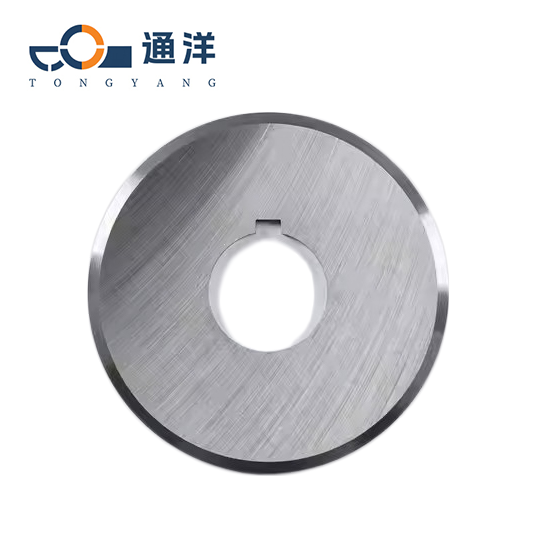
Industrial cutting operations demand precision and reliability, especially when working with materials that require clean, consistent cuts. A round cutting knife stands as one of the most versatile tools in manufacturing environments, offering exceptional performance across various applications. These specialized cutting implements excel in operations where traditional straight blades fall short, providing superior control and efficiency. Understanding the proper techniques and best practices for using a round cutting knife can significantly impact your production quality and operational costs. Professional operators who master these tools often see improvements in material waste reduction and cutting speed enhancement.
Essential Safety Protocols for Round Cutting Operations
Personal Protection Equipment Requirements
Safety must remain the top priority when operating any cutting equipment, and the round cutting knife requires specific protective measures. Workers should wear cut-resistant gloves rated for the appropriate protection level, ensuring hands remain secure during blade handling and material positioning. Eye protection becomes critical when working with materials that may produce debris or particles during the cutting process. Steel-toed footwear provides necessary protection against dropped materials or equipment, while fitted clothing prevents entanglement with moving parts.
Proper ventilation systems should be in place when cutting materials that generate dust or fumes. The round cutting knife often produces fine particles that can become airborne, requiring adequate air circulation or extraction systems. Regular safety training ensures all operators understand the specific risks associated with circular cutting motions and blade exposure. Emergency procedures must be clearly established and practiced, including immediate response protocols for accidents or equipment malfunctions.
Workspace Organization and Hazard Management
A well-organized workspace significantly reduces accident risks when using a round cutting knife in industrial applications. Clear work surfaces prevent material shifting during cutting operations, while adequate lighting ensures operators can maintain visual contact with the blade path. Tool storage areas should keep blades secure and easily accessible, preventing damage from improper handling or storage conditions. Regular housekeeping removes accumulated debris that could interfere with cutting operations or create slip hazards.
Establishing designated cutting zones helps maintain safety standards by controlling access and ensuring proper equipment positioning. Warning signs and barriers alert other workers to active cutting operations, preventing unexpected interruptions that could lead to accidents. The round cutting knife requires specific clearance areas to accommodate the full range of cutting motions, ensuring operators have sufficient space for safe maneuvering.
Optimal Blade Selection and Maintenance Strategies
Material-Specific Blade Characteristics
Different materials require specific blade characteristics to achieve optimal cutting performance with a round cutting knife. Rubber compounds demand blades with specific edge angles and hardness levels to prevent tearing or irregular cuts. Metal cutting applications require harder blade materials with precise edge geometry to maintain sharpness under high-stress conditions. Composite materials often need specialized coatings or treatments to prevent blade wear and ensure consistent cutting quality.
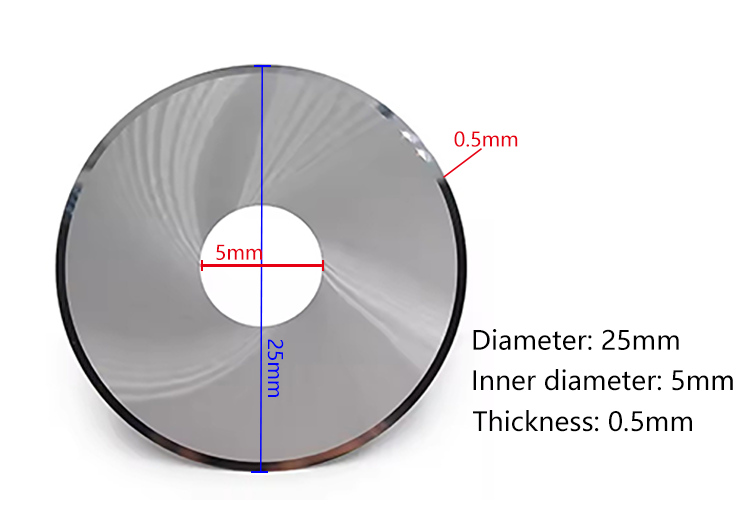
Blade diameter selection impacts both cutting capacity and precision levels achievable in various applications. Larger diameter blades provide increased cutting depth but may sacrifice precision in tight radius applications. The round cutting knife blade thickness must match the material density and cutting speed requirements to prevent deflection or vibration issues. Understanding these relationships helps operators select the most appropriate blade configuration for specific applications.
Preventive Maintenance Schedules
Regular maintenance extends blade life and ensures consistent cutting performance throughout production cycles. Daily inspections should check for edge damage, wear patterns, and proper blade mounting to prevent unexpected failures during operation. Cleaning protocols remove accumulated material buildup that can affect cutting quality and increase wear rates on the round cutting knife components. Lubrication schedules maintain smooth operation of rotating components and reduce friction-related wear.
Sharpening intervals depend on material types, cutting volumes, and performance requirements specific to each application. Professional sharpening services ensure proper edge geometry maintenance that preserves the original blade specifications. Storage conditions protect unused blades from environmental damage, including moisture exposure and temperature fluctuations that can affect blade properties. Documentation of maintenance activities helps identify patterns and optimize replacement schedules for cost-effective operations.
Advanced Cutting Techniques and Speed Optimization
Feed Rate and Speed Coordination
Achieving optimal cutting results requires careful coordination between material feed rates and blade speed when operating a round cutting knife system. Higher speeds generally improve cutting quality by reducing material displacement, but excessive speeds can cause blade wear or material overheating. Material thickness directly influences the maximum achievable feed rate, with thicker materials requiring slower advancement to maintain cut quality. Understanding the relationship between these variables allows operators to maximize productivity while maintaining quality standards.
Different materials respond differently to speed variations, requiring operators to adjust parameters based on material characteristics. Soft materials may require lower speeds to prevent tearing, while harder materials benefit from higher speeds to achieve clean cuts. The round cutting knife performance can be optimized by monitoring cut quality indicators such as edge smoothness and dimensional accuracy. Real-time adjustments based on these observations help maintain consistent results throughout production runs.
Precision Control Methods
Achieving precise cuts with a round cutting knife requires attention to multiple factors that influence cutting accuracy. Guide systems help maintain consistent blade paths and prevent material wandering during cutting operations. Proper material clamping ensures stability throughout the cutting process, preventing movement that could compromise dimensional accuracy. Temperature control becomes important when cutting materials sensitive to heat generation from blade friction.
Measuring and verification procedures should be implemented to monitor cutting accuracy and identify any deviation from specifications. Regular calibration of positioning systems ensures the round cutting knife maintains proper alignment throughout its operational range. Quality control checkpoints help identify potential issues before they affect production output, allowing for corrective actions that maintain consistent results.
Troubleshooting Common Performance Issues
Cut Quality Problems and Solutions
Poor cut quality often indicates issues with blade condition, operating parameters, or material handling procedures. Rough or torn edges typically result from dull blades or inappropriate cutting speeds for the material being processed. Dimensional variations may indicate problems with material positioning, guide system alignment, or excessive blade wear. The round cutting knife may produce inconsistent results when operating parameters fall outside optimal ranges for specific material types.
Systematic diagnosis helps identify the root cause of quality issues and guides appropriate corrective actions. Visual inspection of cut edges provides immediate feedback about blade condition and cutting parameter effectiveness. Measuring tools help quantify dimensional variations and track quality trends over time. Documentation of problem occurrences and solutions builds knowledge that helps prevent future issues.
Equipment Performance Optimization
Monitoring equipment performance indicators helps maintain optimal operation of round cutting knife systems throughout their service life. Vibration levels indicate bearing condition and blade balance, with increases suggesting the need for maintenance attention. Power consumption patterns can reveal changes in cutting resistance that may indicate blade wear or material variations. Temperature monitoring prevents overheating that could damage blades or affect material properties.
Performance data collection enables predictive maintenance strategies that minimize unplanned downtime and extend equipment life. Trend analysis helps identify gradual changes that might not be immediately apparent during daily operations. The round cutting knife system benefits from regular performance reviews that optimize operating parameters based on actual usage patterns and results.
Cost-Effective Implementation Strategies
Economic Blade Management
Effective blade management significantly impacts the overall cost of operating a round cutting knife system in industrial applications. Tracking blade usage helps establish accurate replacement schedules based on actual performance data rather than arbitrary time intervals. Bulk purchasing strategies can reduce per-unit blade costs while ensuring adequate inventory for continuous operations. Reconditioning programs may extend blade life for certain applications, providing cost savings over new blade purchases.
Inventory management systems prevent excessive stockholding while ensuring availability when needed for production requirements. Supplier relationships should focus on quality consistency and delivery reliability to minimize production disruptions. The round cutting knife replacement strategy should balance cost considerations with performance requirements to achieve optimal value. Regular cost analysis helps identify opportunities for efficiency improvements and expense reduction.
Training and Skill Development
Investing in operator training pays significant dividends through improved safety, quality, and efficiency in round cutting knife operations. Comprehensive training programs should cover safety procedures, equipment operation, troubleshooting, and maintenance requirements. Hands-on practice under supervision helps develop the skills necessary for optimal tool utilization and problem-solving capabilities. Continuing education keeps operators current with new techniques and technology developments in cutting applications.
Cross-training multiple operators ensures continuity of operations and provides backup capability during absences or high-demand periods. Skills assessment helps identify areas where additional training may be beneficial for individual operators. The round cutting knife requires specific techniques that benefit from experienced guidance and practical application. Building internal expertise reduces dependence on external support and enables more responsive problem-solving capabilities.
FAQ
What factors determine the optimal blade diameter for a round cutting knife
Blade diameter selection depends primarily on material thickness, cutting depth requirements, and precision needs for your specific application. Larger diameters provide greater cutting capacity but may reduce precision in tight-radius cuts, while smaller diameters offer better control but limited cutting depth. Consider your workspace constraints and the range of materials you process when selecting the appropriate diameter for your round cutting knife system.
How frequently should I replace or sharpen the blade
Replacement frequency varies significantly based on material types, cutting volume, and performance standards for your application. Monitor cut quality indicators such as edge roughness, dimensional accuracy, and cutting force requirements to determine when blade service is needed. Generally, preventive replacement before quality degradation occurs provides better results than waiting for obvious performance decline. A typical round cutting knife blade may require service every few hundred to several thousand cuts, depending on operating conditions.
What safety precautions are most critical during operation
Essential safety measures include wearing appropriate cut-resistant gloves, eye protection, and maintaining proper workspace organization to prevent accidents. Ensure adequate training on blade handling procedures and emergency response protocols before operating any cutting equipment. Keep work areas clean and well-lit, establish clear cutting zones, and never attempt to clear jams or debris while the blade is in motion. Regular safety reviews help maintain awareness and prevent complacency in round cutting knife operations.
How can I minimize material waste during cutting operations
Minimize waste through careful material layout planning, precise measurements, and optimal cutting sequence design that maximizes material utilization. Maintain sharp blades to ensure clean cuts without material damage that could result in rejected parts. Proper machine setup and calibration prevent dimensional errors that could render cut pieces unusable. The round cutting knife performs best when operating parameters are optimized for each specific material type, reducing the likelihood of cutting errors and material waste.