 EN
EN

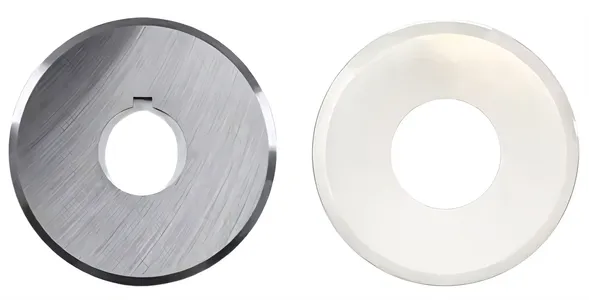
High-volume paper cutting operations demand precision, consistency, and reliability at every cut. The quality of your paper cutting blade directly influences production speed, material waste, and final product appearance. When operators work with substandard paper cutting blade options, they encounter torn edges, rough burrs, and frequent blade replacements that disrupt workflow and inflate operational costs. Understanding the critical role that a superior paper cutting blade plays in your facility sets the foundation for making informed equipment decisions.
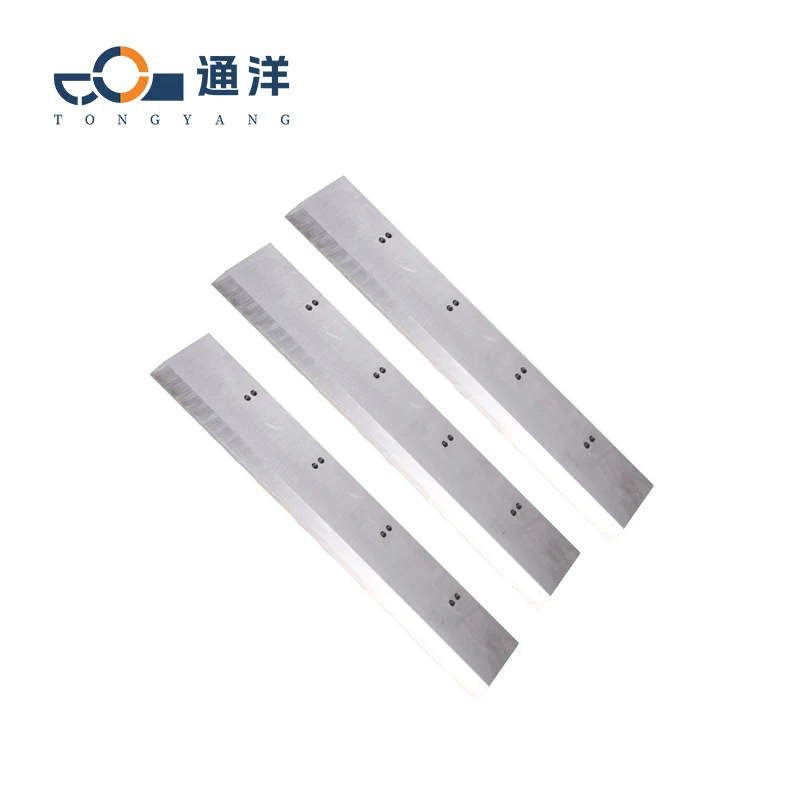
Selecting the right paper cutting blade is not merely a purchasing decision—it is a strategic investment in operational excellence. Facilities processing thousands of sheets daily require a paper cutting blade engineered to maintain edge sharpness, withstand extended use, and deliver consistently clean cuts without material defects. The best paper cutting blade solutions combine advanced materials, precision manufacturing, and design features that address the specific challenges of high-volume environments.
Understanding Paper Cutting Blade Performance Characteristics
Edge Geometry and Material Composition
A high-performance paper cutting blade depends on precise edge geometry and durable material composition. Industrial-grade paper cutting blade products are typically manufactured from hardened stainless steel or specialized alloy blends that resist corrosion and maintain sharp edges through thousands of cuts. The blade edge angle, thickness, and surface finish directly determine how cleanly the blade separates paper fibers. A properly engineered paper cutting blade produces a shear action that minimizes fiber tearing, resulting in smooth edges that require no secondary finishing.
The material science behind premium paper cutting blade construction involves heat treatment processes that optimize hardness and toughness balance. Blades that are too brittle fracture under stress, while overly soft paper cutting blade products dull rapidly. High-volume operations require a paper cutting blade that maintains optimal hardness throughout extended production runs, preserving cut quality even as materials accumulate microdamage.
Blade Maintenance and Longevity Factors
Operational lifespan directly correlates with blade maintenance protocols. A well-maintained paper cutting blade consistently outperforms poorly maintained alternatives, even when both start with identical specifications. Regular cleaning prevents paper dust, adhesive residue, and moisture from accumulating on the cutting surface. These contaminants dull the paper cutting blade edge prematurely and increase friction during cuts, which generates heat that can warp the blade or damage paper stock.
Storage conditions significantly impact paper cutting blade performance. Temperature fluctuations and humidity variations cause subtle dimensional changes that affect cutting precision. Facilities that implement climate-controlled blade storage and systematic inspection schedules extract maximum value from their paper cutting blade investments. Operators should establish replacement schedules based on performance monitoring rather than calendar intervals alone.
Eliminating Tears and Burrs Through Blade Selection
Root Causes of Cutting Defects
Tears and burrs emerge when cutting conditions mismatch blade capabilities. A dull paper cutting blade tears fibers instead of severing them cleanly, while insufficient cutting force or misaligned blade positioning creates ragged edges. Understanding these mechanisms allows operators to diagnose whether defects stem from blade quality, maintenance, equipment setup, or material properties. Low-quality paper cutting blade options often feature inconsistent edge geometry that produces variable results across different batches or storage conditions.
The paper cutting blade edge radius—the microscopic curvature at the very tip—dramatically influences tear versus burr production. A properly honed paper cutting blade maintains a radius between 0.5 and 2 microns, achieving a shear cut that cleanly separates fibers. Degraded or incorrectly manufactured paper cutting blade products develop excessive edge radius, causing plastic deformation and fiber pulling. High-volume operations processing specialty papers, coated stocks, or sensitive materials require premium paper cutting blade solutions with tighter tolerance specifications.
Preventive Strategies and Best Practices
Investing in superior paper cutting blade technology represents preventive maintenance at the source. A high-quality paper cutting blade reduces operator adjustments, minimizes downtime, and preserves material integrity across production runs. Facilities implementing premium paper cutting blade standards typically report 15–30 percent reductions in scrap rates compared to baseline operations using generic alternatives. The paper cutting blade becomes a productivity enabler rather than a consumable liability.
Pairing quality paper cutting blade selection with systematic equipment calibration yields compounding benefits. Operators should verify blade alignment, cutting force settings, and feed mechanisms before processing critical jobs. A premium paper cutting blade paired with misaligned equipment underperforms, while a basic paper cutting blade properly maintained on well-tuned machinery may seem adequate temporarily. Best practice dictates aligning both equipment condition and paper cutting blade quality to establish sustainable cutting performance.
Paper Cutting Blade Selection for Diverse Material Requirements
Application-Specific Blade Specifications
Different material types demand tailored paper cutting blade solutions. Standard office papers require less demanding blade specifications than specialty materials including cardstock, synthetic papers, or laminated stocks. High-volume operations processing variable material types benefit from modular paper cutting blade systems allowing quick changeovers between blade configurations. A specialized paper cutting blade engineered for your primary material type outperforms multipurpose alternatives that compromise performance across diverse applications.
Material thickness variation impacts paper cutting blade performance significantly. Fine papers cut cleanly with minimal blade pressure, while heavier cardstocks require greater cutting force and enhanced blade rigidity. Facilities handling mixed material weights need paper cutting blade solutions offering consistent performance across the thickness range. Advanced blade designs incorporate reinforcing structures that maintain edge alignment under variable loads.
Volume and Speed Considerations
True high-volume operations process thousands of cuts daily, creating thermal and mechanical stresses that distinguish performance requirements from moderate-use environments. A paper cutting blade rated for high-speed cutting maintains acceptable performance even at elevated temperatures generated by friction and rapid feed rates. Industrial-grade paper cutting blade products incorporate advanced materials and manufacturing processes specifically addressing these thermal challenges.
Cutting speed directly correlates with blade wear acceleration. High-speed cutting generates microscopic material removal at the blade edge, degrading sharpness faster than low-speed operations. Premium paper cutting blade technology compensates through enhanced material durability and optimized edge geometry that maintains performance even under accelerated wear conditions. Facilities operating near maximum speed specifications require the most advanced paper cutting blade solutions available.
FAQ
What makes a quality paper cutting blade different from basic alternatives?
Premium paper cutting blade products feature superior material composition, precision heat treatment, and tighter manufacturing tolerances compared to basic options. A quality paper cutting blade maintains consistent edge geometry, resists dulling, and produces clean cuts throughout extended production runs. The difference manifests as reduced scrap rates, fewer equipment adjustments, and lower total cost of ownership despite higher initial investment.
How often should paper cutting blade equipment be serviced in high-volume operations?
Service intervals depend on cutting volume, material type, and cutting speed. Most high-volume facilities benefit from monthly inspection and quarterly professional maintenance of paper cutting blade systems. Daily operator cleaning and edge monitoring help identify wear before defects impact production. A paper cutting blade replacement schedule balances cost minimization with quality assurance by monitoring actual performance rather than relying solely on calendar-based replacement.
Can premium paper cutting blade selection reduce operational costs despite higher purchase prices?
Yes, premium paper cutting blade investment typically reduces total operational expenses through extended blade life, lower scrap rates, reduced downtime, and decreased maintenance requirements. A paper cutting blade that lasts 2–3 times longer than budget alternatives compensates for higher per-unit cost, while eliminating material waste and production interruptions compounds the financial benefit. Detailed cost analysis comparing total cost of ownership rather than purchase price alone demonstrates the economic advantage of quality paper cutting blade solutions.