 EN
EN

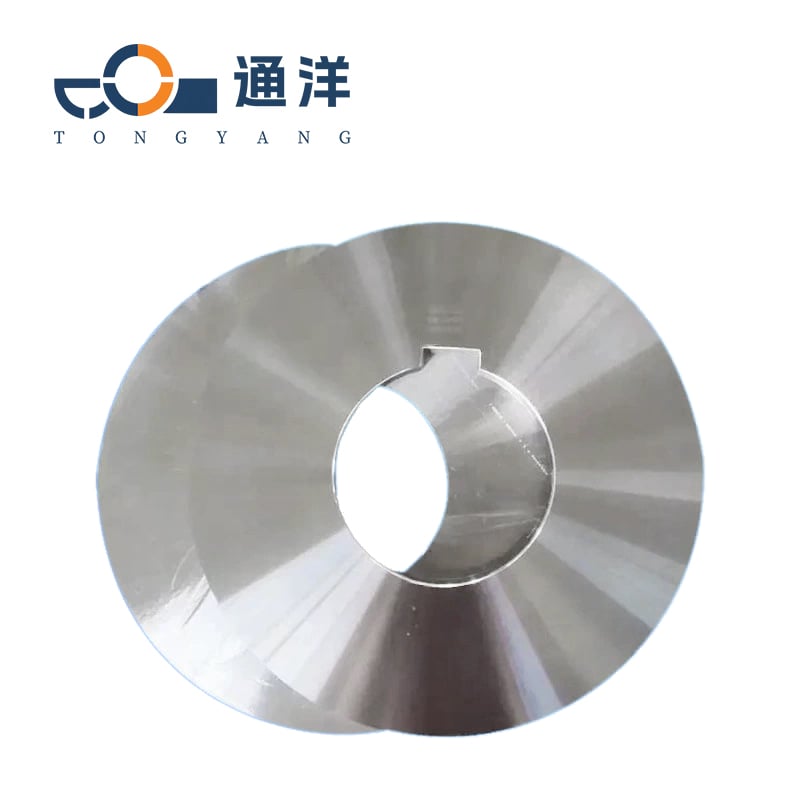
Selecting the appropriate metal cutting blade is one of the most critical decisions in manufacturing and metalworking operations. A metal cutting blade determines not only the quality of your finished product but also the efficiency of your production process and the overall cost-effectiveness of your operation. Whether you are working with precision sheet metal, structural steel, or specialized alloys, the right metal cutting blade can significantly reduce waste, improve cut quality, and extend tool life. Understanding the nuances of metal cutting blade selection ensures that your facility operates at peak performance while maintaining safety and consistency across all cutting tasks.
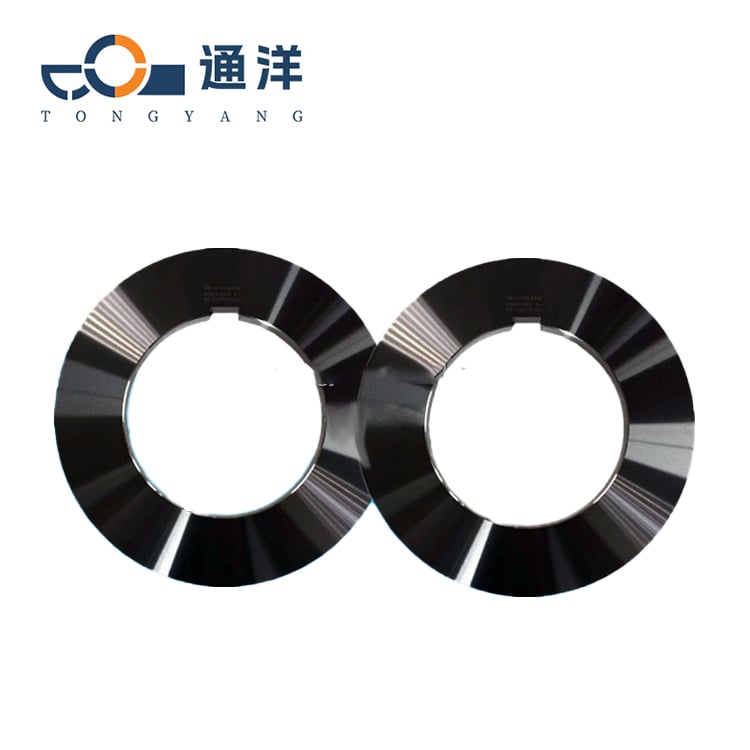
The process of choosing a metal cutting blade involves evaluating multiple technical parameters, application requirements, and material characteristics. Every metal cutting blade is engineered with specific cutting speeds, feed rates, and material compatibility in mind. Your choice affects not only immediate production outcomes but also long-term operational efficiency. This guide walks you through the essential factors that differentiate metal cutting blade options and helps you make informed decisions aligned with your facility's unique needs and constraints.
Understanding Metal Cutting Blade Types and Applications
Different Metal Cutting Blade Designs for Varied Tasks
A metal cutting blade comes in several distinct designs, each optimized for specific cutting scenarios and material types. Straight-edge metal cutting blade designs are commonly used for general-purpose slitting and cross-cutting operations where precision and consistent edge quality are essential. Segmented or notched metal cutting blade configurations provide improved chip evacuation and reduced cutting forces, making them ideal for high-speed operations and tougher alloys. Carbide-tipped metal cutting blade variants deliver exceptional hardness and heat resistance, extending tool life significantly when processing abrasive or difficult-to-machine materials. Diamond-coated metal cutting blade options represent the premium tier, offering unmatched durability and edge retention for the most demanding industrial applications.
Application-Specific Requirements for Metal Cutting Blade Selection
Every industrial facility has unique requirements that demand tailored metal cutting blade solutions. High-precision automotive suppliers require metal cutting blade products that maintain tolerances within microns across thousands of cuts. Food processing equipment manufacturers need metal cutting blade materials that resist corrosion and comply with sanitation standards. Structural steel fabricators demand metal cutting blade strength capable of handling thick, tough materials without deflection or chatter. HVAC ductwork producers benefit from metal cutting blade configurations that deliver clean edges and minimal burring on aluminum and galvanized steel. Understanding how your specific application stresses a metal cutting blade is the foundation of intelligent selection.
Material Composition and Performance Characteristics
Metal Cutting Blade Material Grades and Their Impact
The material composition of a metal cutting blade directly influences its cutting speed, tool life, heat resistance, and cost per cut. High-speed steel metal cutting blade options offer good toughness and moderate cost, making them suitable for general-purpose work and lower-production-volume scenarios. Tungsten carbide metal cutting blade materials provide superior hardness and heat resistance, enabling dramatically higher cutting speeds and longer intervals between blade replacements. Cobalt-enhanced metal cutting blade formulations balance toughness and hardness, performing well in interrupted cuts and variable feed conditions. Each metal cutting blade material grade represents a trade-off between initial investment, expected tool life, cutting speed capability, and workpiece material compatibility.
Coating Technologies and Surface Treatments
Modern metal cutting blade manufacturing incorporates advanced coating technologies that enhance performance and extend service life. Titanium nitride coatings on a metal cutting blade reduce friction, lower cutting temperatures, and improve edge retention by up to forty percent compared to uncoated options. Aluminum oxide coatings offer excellent thermal stability, making them particularly valuable for metal cutting blade applications involving sustained high-speed cuts. Diamond coatings represent the ultimate metal cutting blade surface treatment, providing extreme hardness and wear resistance for maximum tool life in abrasive material processing. The selection of coating technology for your metal cutting blade depends on your material type, cutting speeds, and tool replacement budget.
Optimizing Blade Selection for Production Efficiency
Matching Blade Specifications to Your Operating Parameters
Selecting a metal cutting blade that aligns with your equipment's capabilities and your production parameters is essential for optimal results. Blade thickness directly affects deflection resistance and cut quality; thicker metal cutting blade options resist chatter and vibration but require more powerful equipment and generate higher cutting forces. Blade diameter must match your slitting head or cutting apparatus and accommodate your maximum material thickness. Cutting speed compatibility is critical; pushing a metal cutting blade beyond its rated speed causes premature wear and potential failure, while operating below recommended speeds wastes the blade's potential and increases cost per cut. Reviewing your equipment specifications, material feed rates, and desired cycle times ensures that your selected metal cutting blade performs predictably and economically.
Minimizing Waste and Maximizing Tool Life
A properly selected metal cutting blade minimizes material waste, reduces production interruptions, and optimizes your total cost of ownership. Dull metal cutting blade replacement timing directly impacts cut quality and dimensional consistency; waiting too long creates burrs, distortion, and scrap material. Selecting a premium metal cutting blade with superior edge retention may cost more upfront but generates fewer cutting interruptions and maintains tighter tolerances across longer production runs. Implementing a preventive blade replacement schedule based on cut count rather than calendar time ensures consistent output quality and prevents unexpected downtime. Tracking your actual metal cutting blade performance metrics—tool life, cuts per blade, scrap rates, and production speed—provides data for continuous optimization of your blade selection strategy.
FAQ
How do I know if my metal cutting blade is suitable for my application?
Evaluate your metal cutting blade suitability by comparing the blade's material composition, thickness, diameter, and rated cutting speed against your specific material type, equipment capacity, and production volume. Consult the blade manufacturer's technical specifications and compatibility charts, and consider conducting trial cuts with candidate metal cutting blade options to assess cut quality, edge sharpness retention, and dimensional accuracy. Communication with your blade supplier regarding your exact application parameters enables them to recommend the most appropriate metal cutting blade for your situation.
What factors determine the cost-effectiveness of a metal cutting blade?
The true cost-effectiveness of a metal cutting blade encompasses blade purchase price, tool life in number of cuts, scrap rate reduction, production speed capability, and labor time for blade changes. A higher-quality metal cutting blade may have a greater initial cost but deliver significantly lower cost per cut through extended tool life and reduced waste. Calculate your total cost of ownership by dividing the blade price by the realistic number of usable cuts it provides before replacement becomes necessary. For high-volume production, investing in premium metal cutting blade options with superior edge retention typically yields better economics than cheaper alternatives that dull quickly.
Can I use the same metal cutting blade for different material types?
While some metal cutting blade designs offer acceptable versatility across a range of materials, optimal performance requires matching the blade to your specific material properties. A metal cutting blade designed for soft aluminum will perform poorly on hardened steel, potentially causing rapid dulling and poor cut quality. Conversely, a metal cutting blade optimized for tough stainless steel may be unnecessarily expensive and slow when cutting soft copper or brass. For facilities processing diverse materials, maintaining dedicated metal cutting blade inventory for each major material type ensures reliable quality and efficient tool utilization across all production scenarios.