 EN
EN

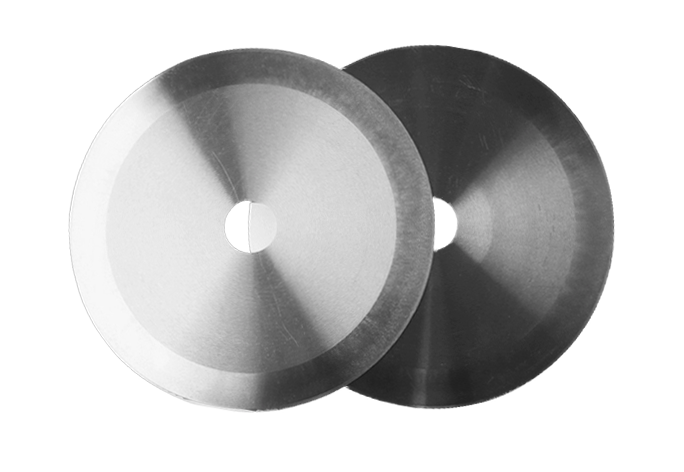
Maintaining the sharpness of your circular knife is essential for achieving clean, precise cuts in industrial and commercial applications. Whether you work in rubber processing, textile manufacturing, paper cutting, or food production, a dull circular knife reduces efficiency, increases material waste, and poses safety risks. Understanding how to properly sharpen your circular knife ensures optimal performance, extends blade life, and maintains consistent cutting quality across your production processes. This comprehensive guide walks you through the essential methods, tools, and techniques required to restore and maintain the cutting edge of your circular knife with professional results.
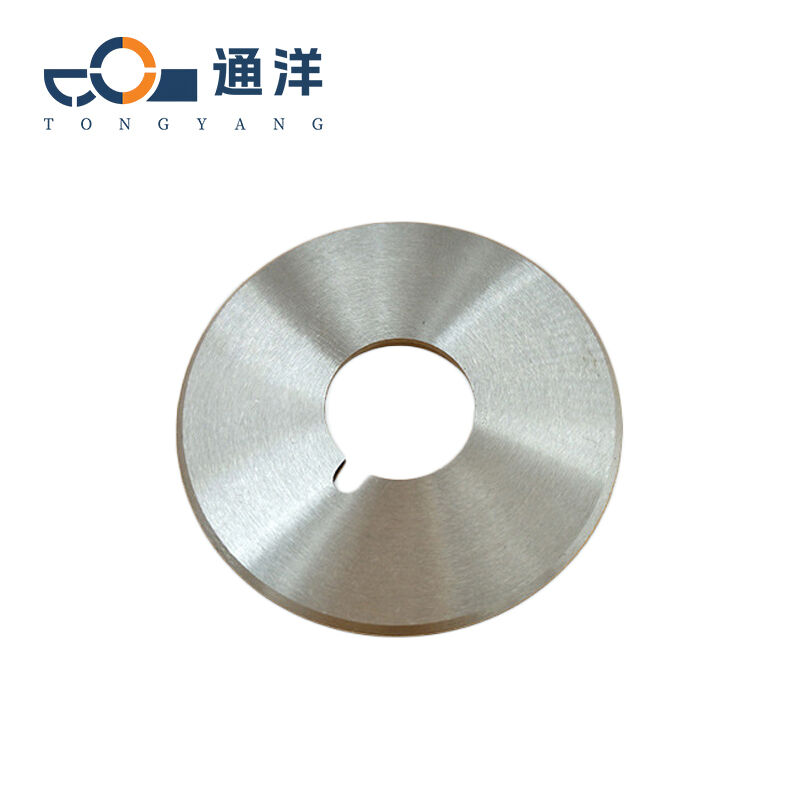
The sharpening process for a circular knife differs significantly from conventional straight blade maintenance due to its unique geometry and rotational cutting action. Industrial circular knives require specialized approaches that preserve the blade's circular profile while creating a uniform cutting edge around the entire circumference. Whether you choose manual sharpening methods or invest in mechanical sharpening systems, following proper procedures prevents uneven wear patterns, maintains blade balance, and ensures the knife continues to deliver precise cuts without causing premature equipment wear or material damage in your production environment.
Understanding Circular Knife Sharpening Fundamentals
The Geometry and Cutting Edge Structure
The circular knife features a continuous curved cutting edge that requires consistent bevel angles throughout its entire circumference. Unlike straight blades, the circular geometry means that sharpening must maintain uniform material removal around the complete perimeter to prevent wobble or vibration during operation. The bevel angle typically ranges between fifteen and thirty degrees depending on the application, with softer materials requiring sharper angles and harder materials benefiting from more obtuse angles that provide greater edge durability. Understanding this fundamental geometry helps you approach the sharpening process with the right expectations and techniques.
Most industrial circular knives incorporate either a single-bevel or double-bevel edge configuration. Single-bevel designs concentrate the cutting angle on one side of the blade, creating an extremely sharp edge ideal for clean cuts in materials like rubber, fabric, and foam. Double-bevel configurations distribute the cutting angle across both faces, providing greater structural stability and edge retention when processing tougher materials or when the knife encounters occasional hard spots. Recognizing which bevel configuration your circular knife uses determines the sharpening approach you should employ.
Signs That Your Circular Knife Needs Sharpening
Detecting the right time to sharpen your circular knife prevents quality problems before they affect production output. The most obvious indicator is increased cutting resistance, where the motor draws more current or the material feeds less smoothly through the cutting station. Visual inspection may reveal a rounded or microscopically chipped edge rather than a crisp, reflective cutting line. When examining cut materials, look for ragged edges, increased dust or debris generation, compression marks along the cut line, or inconsistent cut depth across the material width.
Another critical sign involves listening to operational sounds during cutting. A sharp circular knife produces a clean, consistent cutting sound, while a dull blade often generates increased noise, vibration, or chattering as it struggles to penetrate the material. Material jamming, increased heat generation at the cutting zone, or visible smoke during operation all indicate that the cutting edge has deteriorated beyond acceptable limits. Establishing a regular inspection schedule based on production volume helps you identify sharpening needs before they impact product quality or create safety hazards in your facility.
Safety Considerations Before Beginning
Before attempting any sharpening procedure on your circular knife, disconnect power sources completely and verify that all energy isolation protocols are followed according to your facility's lockout-tagout procedures. Remove the circular knife from its mounting assembly following manufacturer specifications, taking care to document blade orientation, shim configurations, and torque settings for proper reinstallation. Wear cut-resistant gloves rated for handling sharp industrial blades, along with safety glasses to protect against metal particles that may be released during the sharpening process.
Inspect the circular knife thoroughly for cracks, chips, or structural damage before proceeding with sharpening. Any blade showing signs of fatigue cracks, missing sections, or warping should be replaced rather than sharpened, as these conditions compromise blade integrity and create serious safety risks during operation. Clean the blade surface completely using appropriate solvents to remove cutting residue, adhesives, or coating buildup that could interfere with accurate sharpening or damage abrasive materials. Proper preparation establishes safe working conditions and ensures that your sharpening efforts produce professional results.
Manual Sharpening Methods for Circular Knives
Using Sharpening Stones for Small Diameter Blades
For circular knives with diameters under two hundred millimeters, manual sharpening using quality abrasive stones provides excellent control and precision. Begin with a medium-grit stone in the four hundred to six hundred range to remove visible edge wear and establish the proper bevel angle. Secure the circular knife in a padded vise or specialized blade holder that supports the blade without causing distortion. Apply light machine oil or water to the stone surface depending on stone type, then maintain consistent contact angle as you work the stone along the blade's edge using smooth, even strokes.
The key to successful manual sharpening involves maintaining the original bevel angle while applying uniform pressure around the entire circumference. Work in small sections, typically thirty to forty-five degree segments, rotating the circular knife incrementally to ensure complete coverage. After establishing the cutting edge with the medium stone, progress to a fine-grit stone in the one thousand to fifteen hundred range to refine the edge and remove any burrs created during initial grinding. Finish with a leather strop loaded with polishing compound to achieve a razor-sharp, polished edge that delivers superior cutting performance.
File-Based Sharpening Techniques
Industrial mill files provide an alternative manual sharpening method particularly suited for larger circular knives or field sharpening situations where abrasive stones are impractical. Select a fine-cut mill file with smooth, consistent teeth that won't gouge or create irregular patterns on the blade surface. Position the circular knife securely and work the file across the bevel surface using controlled, single-direction strokes that follow the existing edge geometry. Avoid back-and-forth sawing motions that can round over the edge or create inconsistent bevel angles.
File sharpening requires developing a feel for proper pressure and angle maintenance, as excessive force can remove too much material or alter the blade's profile. Make ten to fifteen passes in one section before rotating to the next, maintaining consistent stroke count around the entire perimeter to ensure uniform sharpening. Check your progress frequently by examining the edge under good lighting or using a magnifying glass to verify that you're creating a consistent, burr-free cutting surface. While file sharpening demands more physical effort than other methods, it offers excellent portability and requires minimal equipment investment.
Hand-Held Rotary Tool Applications
Variable-speed rotary tools equipped with appropriate grinding or polishing attachments enable controlled manual sharpening for circular knives in workshop environments. Mount fine-grit grinding stones, diamond-coated bits, or specialized knife-sharpening attachments to your rotary tool, selecting abrasive specifications appropriate for your blade material. Set the tool to moderate speeds between ten thousand and fifteen thousand rotations per minute to prevent overheating the blade edge, which can affect heat treatment and reduce hardness.
Position the circular knife in a stable holder and apply the rotating abrasive to the bevel surface using light, sweeping motions that follow the curve of the blade. Keep the tool moving continuously to prevent localized heating or groove formation, and work in well-ventilated areas to avoid inhaling metal particles. The primary advantage of rotary tool sharpening lies in its ability to quickly address localized damage or restore heavily dulled edges, though it requires steady hands and practice to achieve results comparable to traditional stone methods. Always finish rotary tool sharpening with manual honing using fine stones to remove any roughness and perfect the cutting edge.
Mechanical Sharpening Systems and Equipment
Benchtop Knife Sharpening Machines
Dedicated benchtop sharpening machines designed for circular knives offer the most consistent and efficient sharpening solution for facilities that process multiple blades regularly. These systems typically feature precision-ground grinding wheels, adjustable angle guides, and blade rotation mechanisms that ensure uniform material removal around the complete circumference. Quality machines incorporate coolant delivery systems that prevent heat buildup during grinding, preserving the blade's hardness and preventing temper loss that would compromise edge retention.
Operating a benchtop circular knife sharpener involves mounting the blade in the machine's chuck or holding fixture, setting the appropriate bevel angle using the machine's adjustment controls, and engaging the grinding cycle. Modern machines often include digital readouts for precise angle setting and automated rotation systems that advance the blade incrementally for uniform sharpening. The grinding wheel specification must match your blade material, with aluminum oxide wheels suitable for standard carbon steel circular knives and diamond or cubic boron nitride wheels required for carbide-tipped or high-speed steel variants. Regular dressing of grinding wheels maintains their cutting efficiency and prevents glazing that reduces sharpening effectiveness.
CNC-Controlled Sharpening Solutions
Advanced manufacturing facilities increasingly adopt computer numerically controlled sharpening systems that deliver micron-level precision and perfect repeatability. These sophisticated machines program exact blade profiles, bevel angles, and edge geometries into their control systems, then execute automated sharpening cycles that produce identical results across multiple circular knives. CNC sharpening eliminates human variation, ensures consistent quality, and maintains detailed records of each blade's sharpening history for quality management and predictive maintenance programs.
While CNC sharpening equipment represents a significant capital investment, the benefits include dramatically reduced setup time, elimination of operator skill requirements for routine sharpening, and the ability to recreate complex edge profiles that would be impossible to maintain manually. These systems typically integrate vision systems that scan blade condition before sharpening, calculate optimal material removal, and verify final edge quality upon completion. For operations running high-value production or maintaining large blade inventories, CNC sharpening technology delivers rapid return on investment through reduced downtime, extended blade life, and improved cut quality consistency.
Outsourced Professional Sharpening Services
Many facilities choose to partner with specialized sharpening service providers rather than investing in in-house equipment and training. Professional sharpening services maintain industrial-grade machinery, employ experienced technicians, and often provide blade inspection reports that document edge condition, material loss, and remaining service life. This approach proves particularly economical for smaller operations, facilities with diverse blade types, or situations where blade usage doesn't justify dedicated sharpening equipment.
When selecting a sharpening service, evaluate their experience with your specific circular knife type, turnaround time capabilities, and quality certification standards. Reputable services provide detailed specifications for sharpening parameters, maintain traceability for each blade processed, and offer guarantees on their work. Establishing a rotation schedule where fresh-sharpened blades arrive before current blades reach critical dullness prevents production interruptions. While outsourcing adds logistics complexity and recurring costs, it ensures professional-quality results without the overhead of maintaining specialized equipment and expertise internally.
Optimizing Edge Retention and Maintenance Practices
Post-Sharpening Edge Treatment and Preparation
After completing the sharpening process, proper edge treatment maximizes the performance and longevity of your circular knife. Begin by thoroughly cleaning the blade to remove all grinding residue, metal particles, and coolant using appropriate solvents and lint-free cloths. Inspect the edge carefully under magnification to verify uniform sharpness, absence of micro-chips or burrs, and consistent bevel geometry. Any imperfections detected at this stage should be addressed before reinstallation.
Apply a thin coat of corrosion-inhibiting oil to the blade surfaces, particularly if the circular knife will be stored before use or if your operating environment includes moisture or corrosive atmospheres. Some applications benefit from specialized edge coatings that reduce friction and prevent material adhesion during cutting operations. Document the sharpening date, method used, and any observations about blade condition in your maintenance records, establishing baseline data for tracking blade performance over multiple sharpening cycles. This systematic approach to post-sharpening treatment ensures your circular knife enters service in optimal condition.
Installation Techniques That Preserve Sharpness
Reinstalling your freshly sharpened circular knife requires careful attention to prevent edge damage and ensure proper operational alignment. Clean all mounting surfaces, arbors, and flanges to remove debris that could cause runout or vibration. Install shims and spacers exactly as documented during removal, maintaining precise blade positioning relative to guide plates and material feed systems. Apply appropriate torque to mounting hardware using calibrated tools, following manufacturer specifications to secure the blade without causing distortion.
During initial startup after sharpening, run the circular knife at reduced speed without material contact for several minutes to verify smooth operation and absence of vibration or unusual sounds. Introduce material gradually, monitoring cut quality and making minor adjustments to blade height, guide clearances, or feed rates as needed to optimize performance. Avoid forcing material through the cut zone, as excessive pressure during the break-in period can prematurely dull the fresh edge. These careful installation and startup procedures protect your sharpening investment and establish optimal cutting conditions.
Operational Practices That Extend Sharpening Intervals
Implementing smart operational practices significantly extends the time between sharpening cycles, reducing maintenance costs and maximizing blade utilization. Maintain consistent material feed rates that match your circular knife's design specifications, avoiding both excessive speed that creates friction and heat, and too-slow feeding that causes repeated contact and accelerated wear. Ensure guide systems and backup rolls are properly adjusted to support material without deflecting it into the blade edge at improper angles.
Monitor and control material characteristics that affect blade wear, including moisture content, temperature, and contamination with abrasive particles. Screen incoming materials when possible to remove metal staples, embedded grit, or other foreign objects that can chip or dull the cutting edge. Maintain optimal tension in continuous web materials to prevent slack that causes the material to fold or bunch against the blade. Regular inspection of all machine components ensures that worn bearings, misaligned guides, or damaged backup systems don't create conditions that accelerate blade dulling. By controlling these operational variables, many facilities double or triple the productive life between sharpenings.
Troubleshooting Common Sharpening Problems
Addressing Uneven Edge Formation
Uneven sharpening represents one of the most common problems encountered when working with circular knives, manifesting as sections of the blade that cut better than others or visible variation in edge geometry around the circumference. This condition typically results from inconsistent pressure during manual sharpening, improper blade rotation in mechanical systems, or worn abrasive materials that cut irregularly. To correct uneven edges, begin by identifying the specific sections that deviate from proper geometry using careful visual inspection and test cuts.
Remediation requires selective material removal from high spots while preserving properly sharpened sections. Mark problem areas with a layout marker and focus sharpening efforts specifically on those zones, checking progress frequently to avoid overcorrection. For mechanically sharpened blades showing uneven wear patterns, investigate machine alignment, grinding wheel condition, and blade holding fixtures for mechanical problems causing the irregularity. In severe cases, complete edge regrinding may be necessary to establish a new baseline geometry, though this removes significant material and reduces remaining blade life. Prevention through proper technique and equipment maintenance proves far more economical than repeatedly correcting uneven sharpening.
Preventing and Removing Edge Burrs
Burrs form along the cutting edge during sharpening when metal displaced by the abrasive action curls over rather than being cleanly removed. While microscopic burrs are normal during intermediate sharpening stages, any burr remaining on the finished edge will immediately fold over during cutting, creating the perception of a dull blade despite recent sharpening. Preventing burr formation requires using appropriately fine abrasives for finish passes, maintaining proper technique that doesn't round over the edge apex, and supporting the blade adequately during sharpening.
When burrs do form, remove them through careful honing using very fine abrasive stones or strops. Work from the non-beveled side of the circular knife using extremely light pressure, allowing the abrasive to cut away the raised metal without creating new burrs on the opposite face. Alternate between faces with progressively lighter pressure until the edge feels uniformly sharp without any catches or rough spots detectable by careful finger testing. Leather strops loaded with fine polishing compound provide ideal final burr removal, creating a polished edge that cuts cleanly without material adhesion. Understanding burr mechanics and developing proper removal techniques separates amateur sharpening from professional-quality results.
Correcting Heat Damage and Temper Loss
Excessive heat during sharpening can destroy the hardness of a circular knife's cutting edge, creating soft spots that dull rapidly during use. Heat damage typically appears as blue, purple, or straw-colored discoloration along the edge, indicating that metal temperature exceeded critical thresholds during grinding. Once temper is lost, the affected area will not hold an edge regardless of sharpening quality, necessitating significant material removal to restore proper hardness or, in severe cases, complete blade replacement.
Preventing heat damage requires adequate cooling during mechanical sharpening, using sharp abrasives that cut efficiently without friction buildup, and limiting material removal rates to allow heat dissipation. When manual sharpening, work in short intervals allowing the blade to cool between sessions, and never continue sharpening if the blade becomes too hot to touch comfortably. If heat discoloration appears during sharpening, stop immediately and allow complete cooling before assessing damage extent. Minor discoloration confined to a very thin surface layer may be removed by additional light grinding with adequate cooling, but deeper temper loss requires grinding back beyond the affected zone. This material removal permanently reduces blade diameter and service life, emphasizing the critical importance of heat control during all sharpening operations.
FAQ
How often should I sharpen my circular knife?
Sharpening frequency depends on material type, production volume, and cut quality requirements. Light-duty applications cutting soft materials may require sharpening every two to four weeks, while heavy industrial use or abrasive materials may necessitate weekly or even daily sharpening. Monitor cut quality closely and establish a schedule based on observable performance decline rather than arbitrary time intervals. Maintaining detailed records of production volume between sharpenings helps establish optimal maintenance intervals specific to your operation.
Can I sharpen a circular knife that has carbide inserts or coatings?
Carbide-tipped circular knives require diamond or cubic boron nitride abrasives and specialized sharpening techniques beyond standard methods. Most facilities with carbide blades utilize professional sharpening services equipped with appropriate machinery rather than attempting in-house sharpening. Coated blades must be evaluated individually, as some coatings tolerate sharpening while others are designed for single-use applications and should be replaced when dull. Always consult manufacturer specifications before attempting to sharpen specialty circular knife designs.
What is the minimum diameter for a circular knife before replacement becomes necessary?
Most circular knife manufacturers specify minimum usable diameter based on structural integrity and machine compatibility considerations. Typical reduction limits range from ten to twenty percent of original diameter, though specific applications may impose tighter restrictions. Track blade diameter after each sharpening and retire blades before reaching minimum specifications to prevent catastrophic failure. Consider economic factors as well, since heavily reduced blades may cost more in frequent sharpening and reduced performance than replacement with new inventory.
Why does my circular knife seem dull immediately after sharpening?
Several factors can create the perception of immediate dullness following sharpening. Incomplete burr removal leaves fragile metal that folds over on first contact with material. Improper bevel angle for your specific application creates an edge that lacks necessary strength or keenness. Heat damage during sharpening may have softened the edge despite apparent sharpness. Installation problems including excessive runout, misalignment with guides, or contamination on mounting surfaces can also cause poor cutting performance unrelated to actual edge condition. Systematic evaluation of each possibility identifies the root cause and appropriate corrective action.