 EN
EN

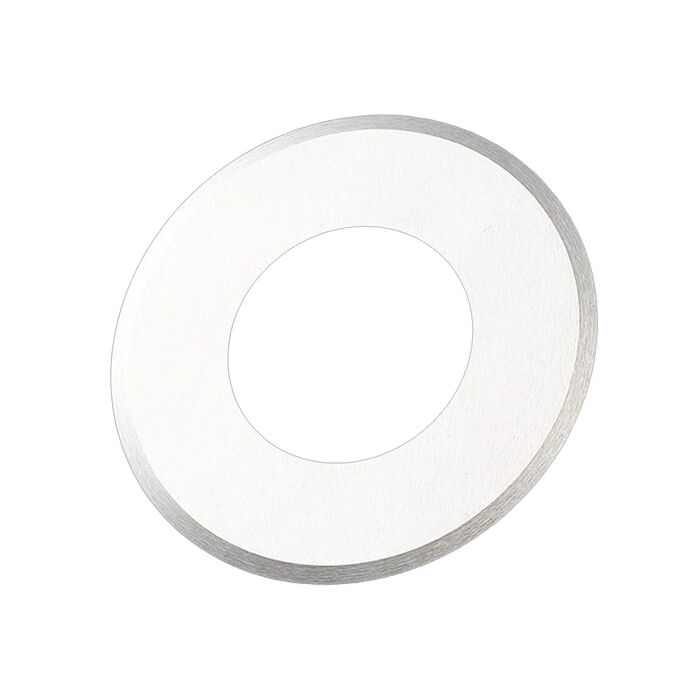
Selecting the right circular knife for fabric cutting represents one of the most critical decisions in textile manufacturing and processing operations. The precision, efficiency, and quality of your fabric cutting directly impacts production costs, material waste, and final product quality. Understanding the key factors that distinguish high-performance circular knife solutions from standard options enables manufacturers to optimize their cutting processes and achieve superior results across diverse fabric types and production volumes.
The fabric cutting industry demands circular knife solutions that deliver consistent performance while maintaining edge retention across extended production runs. Whether processing delicate silk fabrics or heavy-duty industrial textiles, the choice of circular knife technology determines cutting accuracy, operational efficiency, and long-term cost effectiveness. This comprehensive analysis examines the essential selection criteria, material considerations, and performance factors that guide informed circular knife procurement decisions for fabric cutting applications.
Understanding Circular Knife Design Fundamentals
Blade Geometry and Cutting Mechanics
The geometry of a circular knife fundamentally determines its cutting performance characteristics in fabric applications. Blade diameter, thickness, and edge angle work together to create the cutting action that separates fabric fibers cleanly without causing fraying or distortion. Larger diameter circular knife designs provide greater cutting capacity and improved heat dissipation during continuous operation, making them ideal for high-volume production environments where sustained performance is essential.
Edge angle selection for circular knife applications requires careful consideration of fabric type and cutting requirements. Acute edge angles deliver superior sharpness for delicate fabrics but may sacrifice durability in heavy-duty applications. Conversely, more obtuse angles provide enhanced edge retention when cutting thicker or abrasive materials. The optimal circular knife geometry balances sharpness with durability to match specific fabric cutting demands.
Blade thickness directly influences cutting precision and operational stability. Thinner circular knife designs offer reduced cutting force requirements and improved flexibility for curved cutting paths, while thicker blades provide enhanced rigidity for straight-line cutting operations. Understanding these geometric relationships enables manufacturers to select circular knife specifications that optimize performance for their specific fabric cutting applications and production requirements.
Material Science and Steel Selection
The steel composition of a circular knife determines its fundamental performance characteristics including hardness, toughness, corrosion resistance, and edge retention capabilities. High-carbon steel grades provide exceptional hardness and sharp edge potential, making them suitable for precision fabric cutting where clean edges are paramount. However, these materials may require more frequent maintenance and careful handling to prevent chipping or premature wear.
Stainless steel circular knife options offer superior corrosion resistance and reduced maintenance requirements, particularly valuable in humid production environments or when cutting treated fabrics that may contain chemicals or dyes. While stainless steel formulations may not achieve the extreme hardness of high-carbon alternatives, modern metallurgy has produced stainless grades that deliver excellent cutting performance with enhanced durability and reliability.
Tool steel compositions represent another category of circular knife materials, engineered to provide balanced performance across multiple criteria. These specialized alloys combine high hardness with improved toughness, offering extended service life in demanding fabric cutting applications. The selection between different steel types should align with production volume, fabric characteristics, and maintenance capabilities within the manufacturing operation.
Performance Factors and Application Requirements
Cutting Speed and Production Efficiency
The operational speed of circular knife systems directly impacts production throughput and manufacturing efficiency. High-speed fabric cutting operations require circular knife designs that maintain edge sharpness and dimensional stability under increased rotational forces and elevated operating temperatures. Advanced circular knife materials and heat treatment processes enable sustained high-speed operation without compromising cutting quality or blade life.
Production efficiency considerations extend beyond raw cutting speed to include factors such as setup time, blade changeover frequency, and maintenance requirements. A circular knife that maintains consistent performance over extended production runs reduces downtime and labor costs associated with frequent blade changes. This operational reliability becomes increasingly important in high-volume manufacturing environments where production continuity directly impacts profitability.
The relationship between cutting speed and fabric quality requires careful optimization for each application. While faster cutting speeds increase productivity, they may also generate heat that can damage temperature-sensitive fabrics or cause edge fusion in synthetic materials. Selecting a circular knife system that balances speed with thermal management ensures optimal results across diverse fabric types and production requirements.
Edge Retention and Service Life
Edge retention characteristics determine the operational lifespan of a circular knife and directly impact long-term cost effectiveness. Superior edge retention reduces the frequency of blade sharpening or replacement, minimizing production interruptions and maintenance costs. The ability of a circular knife to maintain sharpness through thousands of cutting cycles depends on material selection, heat treatment processes, and coating technologies applied during manufacturing.
Service life evaluation requires consideration of both gradual wear patterns and potential failure modes. A high-quality circular knife should demonstrate predictable wear characteristics that allow for planned maintenance scheduling. Sudden edge failure or chipping can result in production stoppages and potentially damage fabric materials, making reliability a critical selection criterion for industrial applications.
The economic impact of edge retention extends beyond blade costs to include labor, downtime, and quality considerations. A circular knife that maintains cutting performance for extended periods reduces the total cost of ownership while improving production consistency. This economic advantage often justifies the higher initial investment in premium circular knife solutions for high-volume fabric cutting operations.
Fabric-Specific Selection Criteria
Natural Fiber Considerations
Natural fiber fabrics present unique challenges for circular knife selection due to their varied density, texture, and cutting characteristics. Cotton fabrics require circular knife designs that can cleanly sever individual fibers without causing excessive fraying or thread pulling. The cutting action must be sharp enough to avoid fiber compression while maintaining sufficient durability to handle the abrasive nature of cotton processing.
Silk and other delicate natural fibers demand extremely sharp circular knife edges to prevent snagging or thread damage during cutting. These materials are often processed at lower speeds to maintain cut quality, requiring circular knife solutions that perform effectively at reduced operational velocities. The selection process must prioritize edge sharpness and precision over maximum cutting speed for these premium fabric applications.
Wool fabrics introduce additional complexity due to their natural elasticity and tendency to compress under cutting forces. A circular knife designed for wool processing must incorporate features that accommodate fabric movement while maintaining consistent cut depth and edge quality. The blade geometry and cutting angle become particularly important for achieving clean edges in elastic natural fiber materials.
Synthetic Material Requirements
Synthetic fabrics often require different circular knife characteristics compared to natural fibers due to their manufactured structure and chemical composition. Polyester and nylon fabrics may generate heat during cutting, requiring circular knife designs with enhanced heat dissipation properties to prevent edge fusion or melting. The blade material must resist thermal degradation while maintaining cutting effectiveness at elevated temperatures.
The tendency of synthetic materials to create static buildup during cutting operations influences circular knife selection and system design. Anti-static treatments or conductive blade materials may be necessary to prevent fabric attraction to the cutting surface, which can compromise cutting accuracy and operator safety. These considerations become increasingly important in high-speed production environments where static buildup can accumulate rapidly.
Coated or laminated synthetic fabrics present additional challenges for circular knife applications due to their multi-layer construction and varied material properties. The cutting system must penetrate different layers cleanly without delamination or edge sealing, requiring precise blade geometry and controlled cutting forces. Selection criteria must account for the most demanding layer within the fabric construction to ensure consistent performance across the entire material thickness.
Operational Integration and System Compatibility
Machine Compatibility and Mounting Systems
The integration of circular knife systems into existing fabric cutting equipment requires careful attention to mounting specifications and mechanical compatibility. Standard mounting systems provide interchangeability between different circular knife suppliers, while proprietary designs may offer enhanced performance at the cost of reduced flexibility. The selection process must balance performance optimization with operational convenience and supply chain considerations.
Bearing systems and rotational support mechanisms directly influence circular knife performance and service life. High-precision bearings reduce vibration and maintain cutting accuracy, while robust support structures prevent blade deflection under cutting loads. The quality of these supporting components often determines the overall system performance more significantly than the circular knife itself, emphasizing the importance of comprehensive system evaluation.
Drive system compatibility affects both installation requirements and operational flexibility. Direct drive systems offer precise speed control and reduced maintenance requirements, while belt-driven configurations provide greater flexibility in machine layout and power transmission. The circular knife selection must align with existing drive capabilities while considering future expansion or modification requirements within the production facility.
Maintenance and Service Considerations
Maintenance requirements for circular knife systems significantly impact operational costs and production scheduling. Blade sharpening frequency, replacement procedures, and preventive maintenance tasks must be integrated into production planning to minimize disruption. Circular knife designs that facilitate easy removal and installation reduce maintenance time and associated labor costs while improving overall equipment effectiveness.
Service support availability influences the long-term viability of circular knife selections, particularly for specialized or custom applications. Suppliers who provide comprehensive technical support, training programs, and rapid replacement part availability offer significant operational advantages. The evaluation process should include assessment of supplier capabilities and geographic service coverage to ensure adequate support throughout the equipment lifecycle.
Sharpening and reconditioning services extend the useful life of circular knife systems while maintaining optimal cutting performance. Professional sharpening services can often restore blade geometry and edge quality to near-original specifications, providing cost-effective alternative to replacement. The availability and quality of these services should be considered during the initial selection process to optimize long-term operational costs.
FAQ
What diameter circular knife is best for fabric cutting applications?
The optimal circular knife diameter depends on your specific cutting requirements and machine capabilities. Larger diameter blades (8-12 inches) provide better heat dissipation and longer service life for high-volume production, while smaller diameters (4-6 inches) offer greater precision and maneuverability for detailed cutting work. Consider your typical fabric thickness, cutting speed requirements, and available machine power when selecting diameter specifications.
How often should circular knives be sharpened or replaced in fabric cutting operations?
Sharpening frequency varies based on fabric type, cutting volume, and blade quality, but typically ranges from every 8-16 hours of operation for high-volume production. Natural fibers generally cause faster blade dulling than synthetic materials. Monitor cut quality indicators such as fraying, rough edges, or increased cutting force to determine optimal maintenance intervals. Premium circular knife materials may extend service intervals significantly compared to standard options.
What safety considerations are important when selecting circular knives for fabric cutting?
Safety features should include proper blade guards, emergency stops, and operator training on handling procedures. Select circular knife systems with enclosed cutting areas to prevent accidental contact and incorporate safety interlocks that prevent operation when guards are removed. Blade changing procedures should be designed to minimize direct handling of sharp edges, and all operators should receive comprehensive training on safe operation and maintenance practices.
Can the same circular knife be used for different types of fabrics?
While versatile circular knife designs can handle multiple fabric types, optimal performance often requires blade selection matched to primary application requirements. General-purpose circular knives work adequately across various materials but may not deliver the precision required for specialty fabrics or high-volume production. For operations processing diverse fabric types, consider maintaining separate optimized blades for different material categories or investing in quick-change systems that facilitate rapid blade switching.
Table of Contents
- Understanding Circular Knife Design Fundamentals
- Performance Factors and Application Requirements
- Fabric-Specific Selection Criteria
- Operational Integration and System Compatibility
-
FAQ
- What diameter circular knife is best for fabric cutting applications?
- How often should circular knives be sharpened or replaced in fabric cutting operations?
- What safety considerations are important when selecting circular knives for fabric cutting?
- Can the same circular knife be used for different types of fabrics?