 EN
EN

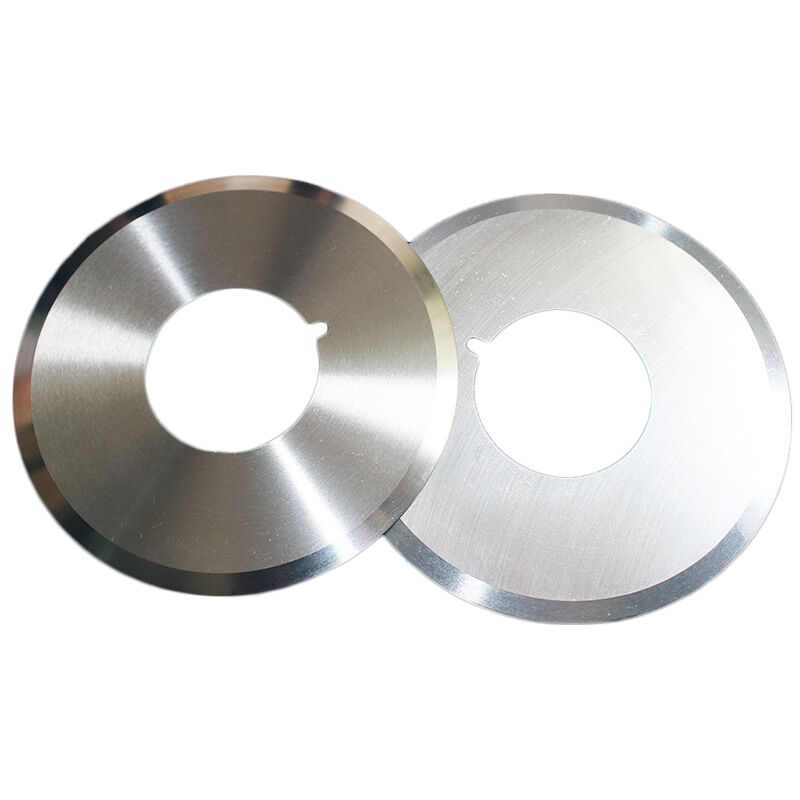
Manufacturing operations that rely on slitter blades face a variety of challenges that can significantly impact production efficiency, material quality, and operational costs. Understanding the most common problems associated with slitter blades and implementing effective solutions is crucial for maintaining optimal cutting performance and minimizing downtime. These issues range from premature blade wear and inconsistent cutting quality to alignment problems and material buildup, each requiring specific diagnostic approaches and corrective measures.
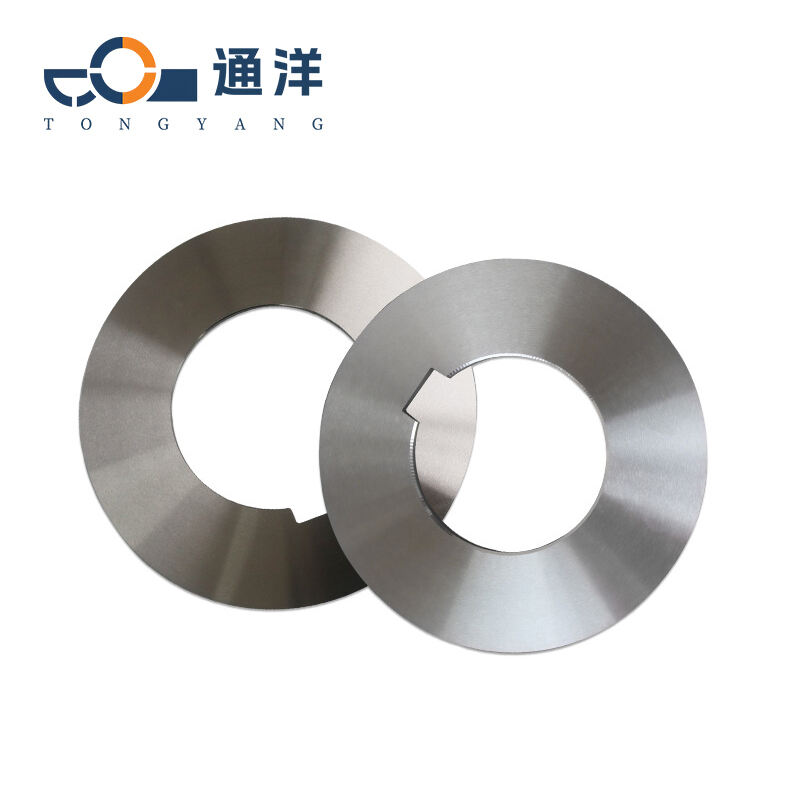
The complexity of modern slitting operations demands a comprehensive understanding of blade performance characteristics and failure modes. Operators and maintenance teams must recognize early warning signs, implement preventive measures, and apply targeted solutions to address specific blade-related issues. This systematic approach to problem identification and resolution helps ensure consistent material processing quality while extending blade life and reducing replacement costs across various industrial applications.
Blade Wear and Edge Degradation Issues
Premature Blade Dulling and Solutions
Premature dulling of slitter blades represents one of the most frequent and costly problems in material processing operations. This issue manifests as reduced cutting sharpness, increased cutting forces, and deteriorating edge quality that occurs well before the expected blade service life. The primary causes include incorrect blade selection for specific materials, inappropriate cutting speeds, inadequate lubrication, and excessive cutting loads that exceed the blade's design parameters.
Addressing premature blade dulling requires a multifaceted approach that begins with proper blade specification and material compatibility assessment. Operators should verify that the blade material, hardness, and edge geometry match the specific requirements of the materials being processed. Implementing optimal cutting parameters, including appropriate feed rates and blade speeds, helps maintain edge integrity while reducing thermal stress on the cutting edge.
Regular application of suitable cutting lubricants or coolants significantly extends blade life by reducing friction and heat generation during the cutting process. Additionally, maintaining proper blade tension and alignment prevents uneven wear patterns that contribute to premature edge degradation. Establishing a systematic blade inspection schedule allows operators to identify early signs of dulling and implement corrective measures before significant quality issues develop.
Uneven Wear Patterns and Corrective Actions
Uneven wear patterns on slitter blades create inconsistent cutting performance and can lead to material defects, increased waste, and reduced production efficiency. These patterns typically result from misalignment issues, improper blade mounting, uneven material thickness, or variations in material hardness across the cutting width. Identifying and correcting these wear patterns requires careful analysis of both the blade condition and the mechanical systems supporting the slitting operation.
Corrective actions for uneven wear begin with comprehensive alignment verification using precision measurement tools to ensure proper blade positioning and parallelism. Operators should inspect blade mounting systems for wear, looseness, or damage that could contribute to irregular blade positioning during operation. Material handling systems require evaluation to identify sources of thickness variation or feeding irregularities that create uneven loading conditions on the blade edge.
Implementing systematic blade rotation schedules helps distribute wear more evenly across the cutting edge, extending overall blade life and maintaining consistent cutting quality. Regular monitoring of cutting forces and vibration levels provides early indication of developing wear patterns, allowing for proactive adjustments to cutting parameters or blade positioning before significant quality issues occur.
Cutting Quality and Precision Problems
Inconsistent Edge Quality and Surface Finish
Inconsistent edge quality and poor surface finish represent critical problems that directly impact product quality and customer satisfaction in slitter blade applications. These issues manifest as rough or ragged cut edges, variations in surface texture, and dimensional inconsistencies that can render finished products unsuitable for their intended applications. The root causes often include blade condition deterioration, improper cutting parameters, material property variations, and mechanical system instabilities.
Resolving edge quality problems requires systematic evaluation of multiple factors affecting the cutting process. Blade sharpness and edge geometry must be assessed to ensure optimal cutting conditions, with dull or damaged slitter blades replaced immediately to restore cutting performance. Cutting speed optimization involves finding the ideal balance between production throughput and edge quality, as excessive speeds can generate heat and vibration that degrade surface finish.
Material handling systems require careful adjustment to maintain consistent feeding pressure and material support throughout the cutting operation. Implementing proper blade clearances and gap settings ensures clean material separation without excessive deformation or tearing. Regular calibration of cutting pressure controls and feed mechanisms helps maintain consistent cutting conditions that produce uniform edge quality across all processed materials.
Dimensional Accuracy and Tolerance Issues
Dimensional accuracy problems in slitter blade operations result in products that fail to meet specified tolerances, leading to increased waste, rework costs, and potential customer complaints. These issues typically stem from blade deflection under cutting loads, thermal expansion effects, machine wear, or inadequate process control systems. Maintaining tight dimensional tolerances requires comprehensive attention to mechanical precision, thermal management, and process monitoring throughout the cutting operation.
Solutions for dimensional accuracy problems begin with rigorous machine maintenance programs that address wear in critical components such as bearings, guides, and positioning systems. Blade mounting systems require regular inspection and adjustment to ensure proper blade rigidity and resistance to deflection during cutting operations. Thermal management systems, including adequate cooling and temperature monitoring, help minimize dimensional variations caused by thermal expansion of both the blade and processed materials.
Implementation of statistical process control methods allows operators to monitor dimensional variations in real-time and make proactive adjustments to maintain product quality within specified tolerances. Regular calibration of measurement systems and cutting position controls ensures continued accuracy over extended production runs, while systematic documentation of process parameters enables rapid identification and correction of developing accuracy problems.
Mechanical and Operational Challenges
Blade Alignment and Positioning Difficulties
Blade alignment and positioning problems significantly impact the performance and longevity of slitter blades while creating potential safety hazards and quality issues in material processing operations. Misalignment manifests as uneven blade wear, increased cutting forces, excessive vibration, and poor cut quality that can compromise both product specifications and operational efficiency. These problems often result from mechanical wear in positioning systems, inadequate mounting hardware, or improper setup procedures during blade installation.
Addressing alignment issues requires systematic evaluation of all mechanical components involved in blade positioning and support. Precision measurement tools, including dial indicators and laser alignment systems, enable accurate assessment of blade position relative to material feed paths and cutting requirements. Regular inspection of mounting hardware, including bolts, clamps, and positioning pins, helps identify wear or damage that could compromise blade stability during operation.
Establishing standardized alignment procedures and documentation ensures consistent blade positioning across different operators and production shifts. Implementation of regular alignment verification schedules, combined with systematic recording of alignment measurements, provides data for predictive maintenance programs and helps identify developing mechanical problems before they impact production quality or blade life.
Vibration and Stability Problems
Excessive vibration and stability problems in slitter blade systems create multiple operational challenges, including accelerated blade wear, poor cut quality, increased noise levels, and potential safety concerns for operators and equipment. These issues typically arise from inadequate machine rigidity, improper blade tensioning, unbalanced rotating components, or resonance conditions that amplify normal operational vibrations beyond acceptable limits.
Resolving vibration problems requires comprehensive analysis of both mechanical and operational factors contributing to system instability. Machine foundation and structural integrity must be evaluated to ensure adequate rigidity and vibration damping characteristics. Blade tensioning systems require careful adjustment to provide optimal blade stiffness without creating excessive stress that could lead to premature failure or increased vibration transmission.
Balancing of rotating components, including blade assemblies and drive systems, helps minimize vibration generation at the source. Implementation of vibration monitoring systems enables continuous assessment of system stability and provides early warning of developing problems. Regular maintenance of bearings, drive components, and other moving parts helps prevent wear-related vibration increases that can compromise cutting performance and blade life.
Material-Related Processing Issues
Material Buildup and Contamination Problems
Material buildup and contamination on slitter blades create significant operational challenges that affect cutting performance, product quality, and blade longevity. These problems occur when processed materials adhere to blade surfaces, accumulate debris in cutting areas, or introduce foreign contaminants that interfere with normal cutting operations. Common manifestations include reduced cutting efficiency, poor edge quality, increased cutting forces, and accelerated blade wear due to abrasive contamination.
Prevention of material buildup requires careful attention to material properties, cutting conditions, and blade maintenance procedures. Selection of appropriate blade coatings or surface treatments can reduce material adhesion tendencies, particularly when processing sticky or resinous materials. Optimization of cutting parameters, including speed and feed rates, helps minimize heat generation that can cause material softening and increased adhesion to blade surfaces.
Regular cleaning protocols using appropriate solvents and cleaning methods help remove accumulated materials before they significantly impact cutting performance. Implementation of effective material handling systems that minimize contamination introduction, combined with proper storage and handling of slitter blades, reduces exposure to foreign materials that can cause premature wear or cutting quality problems.
Heat Generation and Thermal Management
Excessive heat generation during slitter blade operations creates multiple problems, including thermal damage to processed materials, accelerated blade wear, dimensional instability, and potential safety hazards from hot surfaces or thermal expansion effects. Heat buildup typically results from inappropriate cutting speeds, inadequate lubrication, dull blade conditions, or excessive cutting forces that generate friction beyond the system's thermal management capacity.
Effective thermal management strategies begin with optimization of cutting parameters to minimize heat generation while maintaining required production rates. Proper selection and application of cutting fluids or lubricants significantly reduces friction and heat buildup during the cutting process. Coolant delivery systems require regular maintenance to ensure adequate flow rates and coverage of critical cutting areas where heat generation is most intense.
Implementation of temperature monitoring systems provides real-time feedback on thermal conditions and enables proactive adjustments to prevent overheating problems. Regular assessment of blade sharpness and replacement of dull blades helps minimize cutting forces and associated heat generation. Proper ventilation and cooling systems in the cutting area help dissipate generated heat and maintain acceptable operating temperatures for both equipment and operators.
Maintenance and Lifecycle Management
Preventive Maintenance Strategies
Effective preventive maintenance strategies for slitter blades significantly extend blade life, reduce unplanned downtime, and maintain consistent cutting performance throughout the blade service period. These strategies encompass regular inspection schedules, systematic blade condition monitoring, proactive replacement programs, and comprehensive documentation of blade performance data. Implementation of structured maintenance approaches helps identify potential problems before they impact production quality or create safety hazards.
Preventive maintenance programs begin with establishment of regular inspection intervals based on production volume, material characteristics, and historical blade performance data. Visual inspections focus on edge condition, wear patterns, surface contamination, and mounting hardware integrity. Systematic measurement of blade dimensions and cutting performance parameters provides objective data for tracking blade condition over time and predicting optimal replacement timing.
Documentation of maintenance activities, blade performance metrics, and failure modes creates valuable databases for optimizing maintenance schedules and identifying recurring problems. Training programs for maintenance personnel ensure consistent application of inspection procedures and proper handling techniques that prevent damage during maintenance activities. Regular review of maintenance data enables continuous improvement of preventive programs and helps optimize blade selection for specific applications.
Proper Storage and Handling Procedures
Proper storage and handling procedures for slitter blades are essential for maintaining blade quality, preventing damage, and ensuring optimal performance when blades are installed in production equipment. Inadequate storage conditions can lead to corrosion, edge damage, contamination, or dimensional changes that compromise cutting performance and reduce blade life. Establishing systematic storage and handling protocols protects blade investment and ensures consistent availability of quality cutting tools.
Storage environments for slitter blades require control of humidity, temperature, and contamination to prevent deterioration during storage periods. Protective packaging and blade guards help prevent edge damage during handling and transportation. Systematic inventory management ensures proper rotation of blade stock and prevents extended storage periods that could lead to quality degradation.
Handling procedures must emphasize proper lifting techniques, edge protection, and contamination prevention to maintain blade condition from storage through installation. Training programs for personnel involved in blade handling ensure consistent application of safety procedures and prevent damage that could compromise blade performance. Regular inspection of stored blades helps identify any deterioration problems and ensures that only quality blades enter production service.
FAQ
How often should slitter blades be inspected for wear and damage?
Slitter blades should be inspected at the beginning of each production shift for visible damage or excessive wear, with more detailed inspections conducted weekly or after processing predetermined material volumes. The inspection frequency depends on material type, cutting conditions, and production requirements, but daily visual checks help identify problems before they significantly impact quality or safety.
What are the most common causes of premature slitter blade failure?
The most common causes of premature slitter blade failure include improper blade selection for specific materials, inadequate lubrication or cooling, excessive cutting speeds or feeds, misalignment problems, and contamination from foreign materials. Poor storage conditions, incorrect installation procedures, and inadequate maintenance practices also contribute significantly to early blade failure.
How can operators identify when slitter blades need replacement?
Operators should monitor several key indicators including increased cutting forces, deteriorating edge quality, visible blade wear or damage, excessive vibration, and dimensional accuracy problems. Changes in surface finish quality, increased material waste, and unusual noise levels during cutting operations also signal the need for blade evaluation and potential replacement.
What maintenance practices help extend slitter blade life?
Key maintenance practices that extend slitter blade life include regular cleaning to remove material buildup, proper lubrication of cutting areas, systematic alignment verification, appropriate cutting parameter optimization, and timely replacement of worn mounting hardware. Maintaining clean storage conditions, implementing proper handling procedures, and conducting regular performance monitoring also contribute significantly to extended blade life.