Application-Specific Design and Universal Compatibility Features
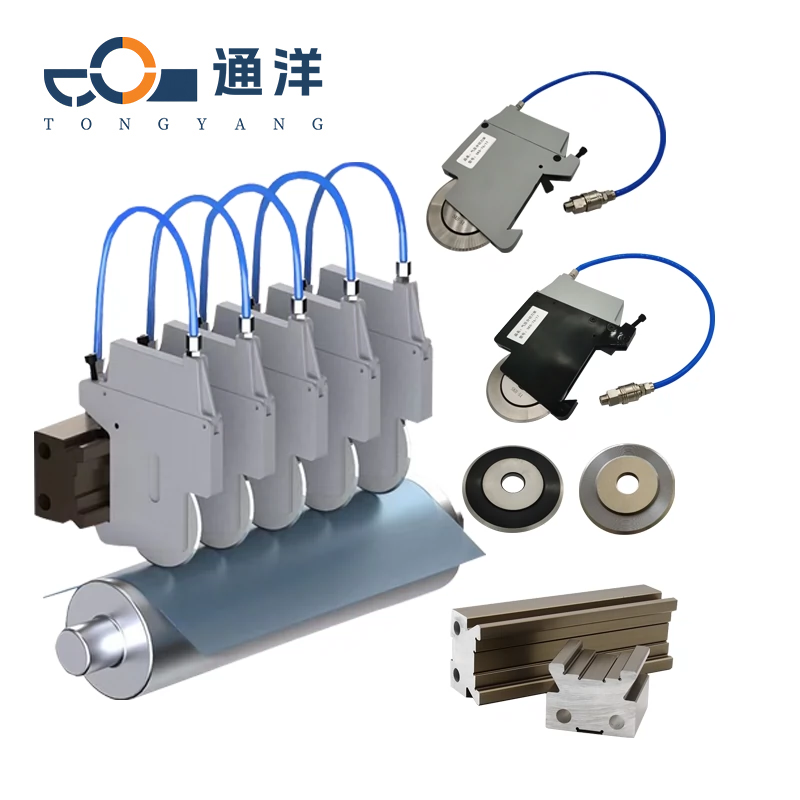
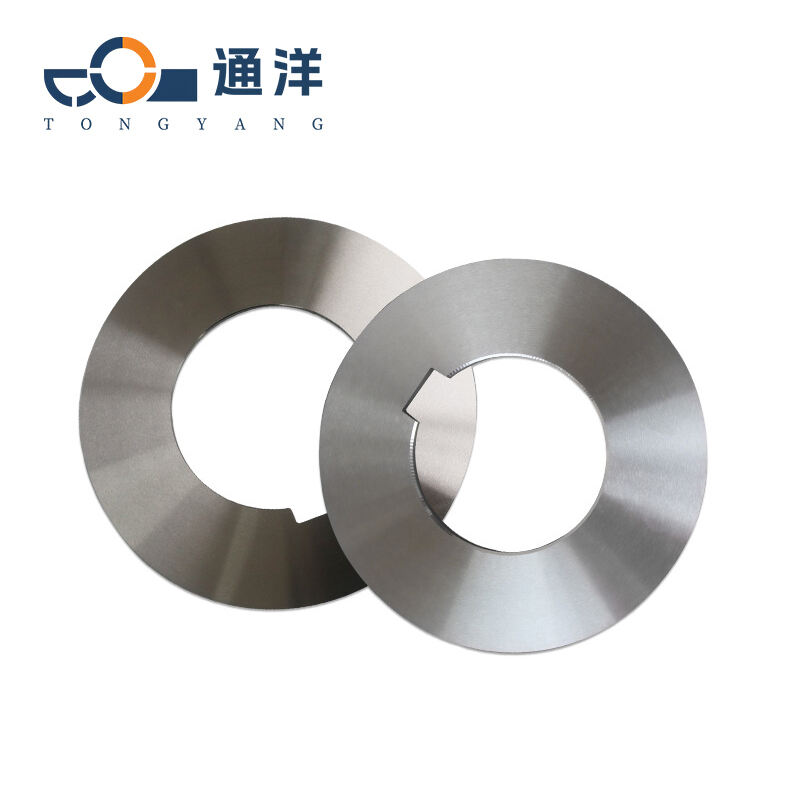
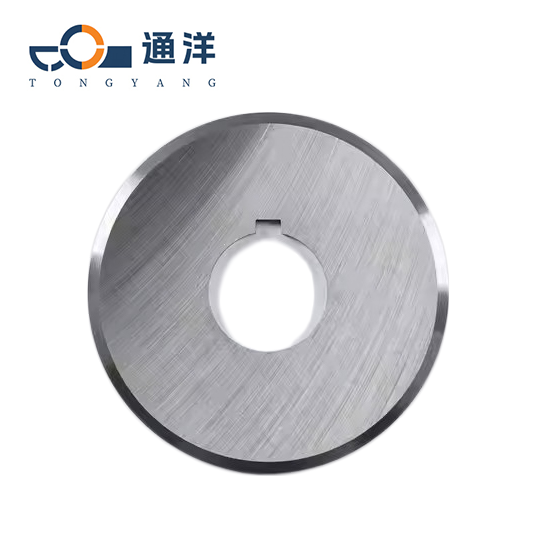
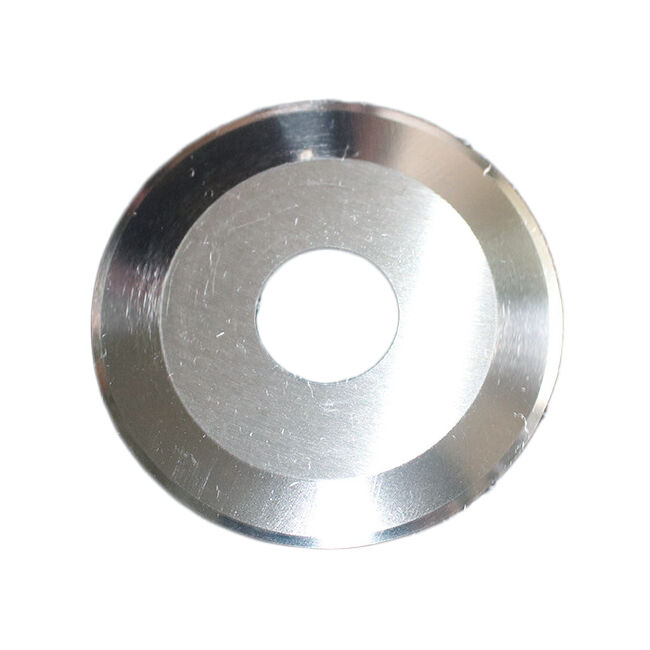
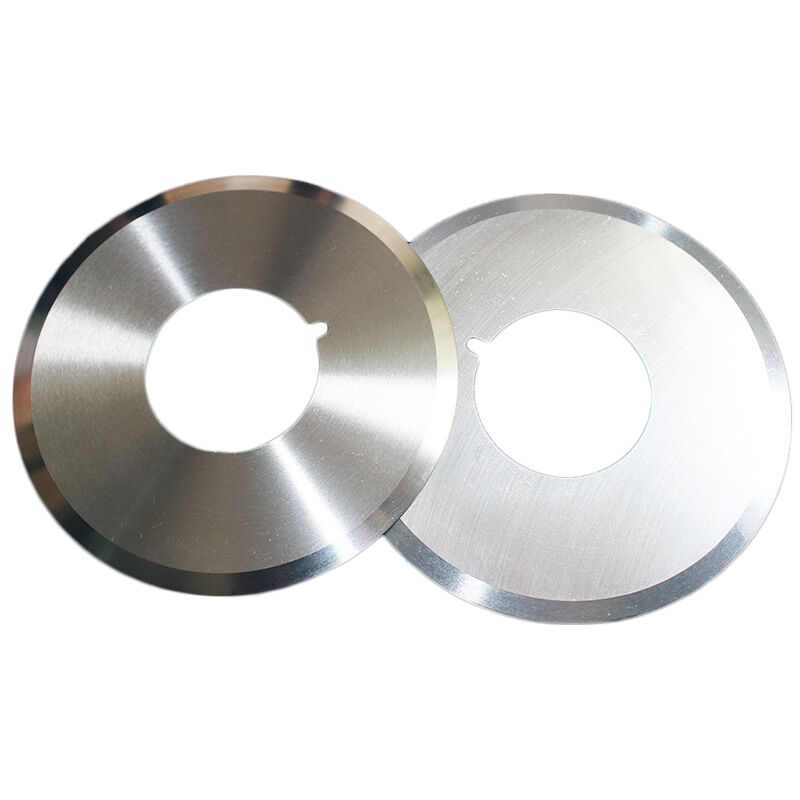
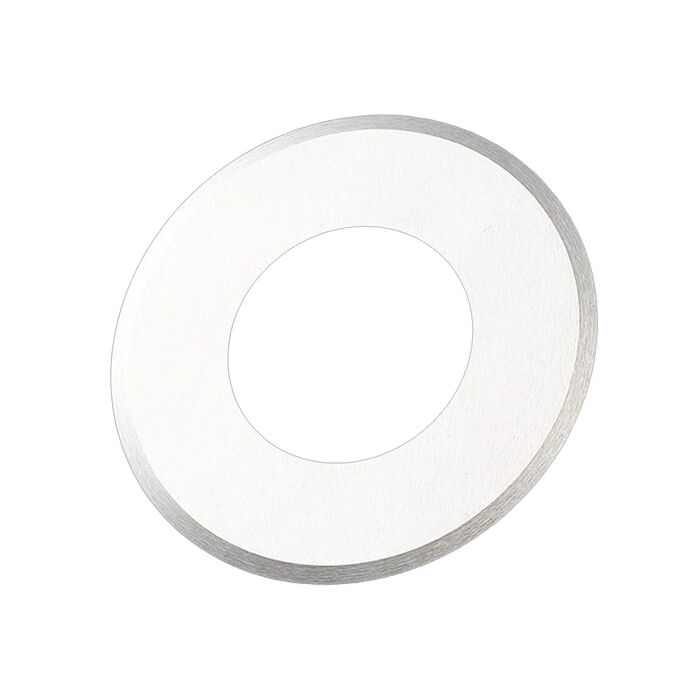
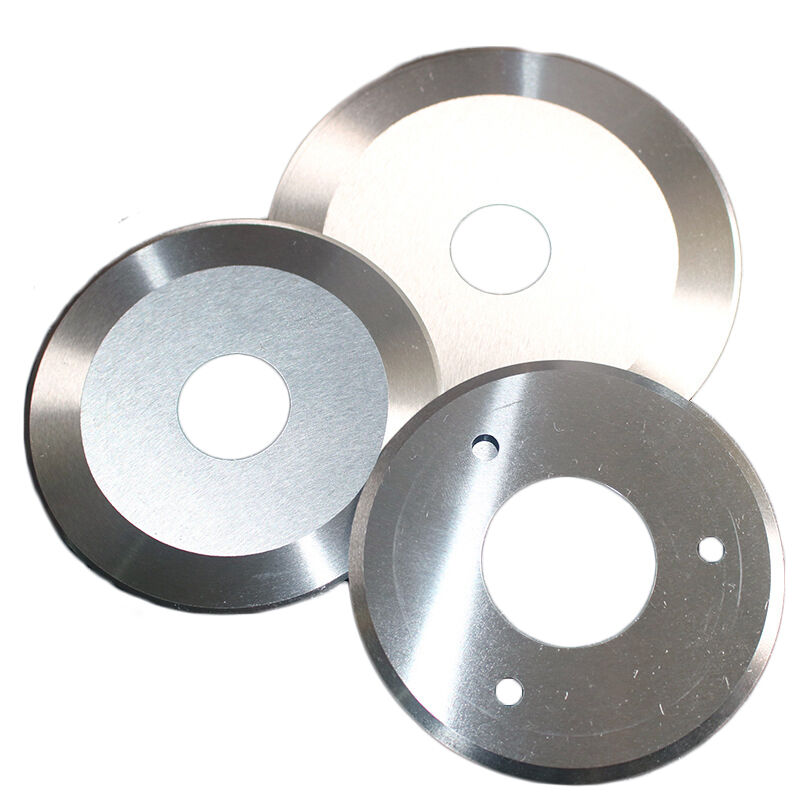
Modern paper slitting blades incorporate thoughtful design elements that address the practical challenges of diverse production environments while ensuring compatibility with various slitting machine configurations. Manufacturers engineer these blades with specific application requirements in mind, creating products optimized for particular paper types, production speeds, and cutting methodologies. Blades designed for high-speed operations feature enhanced dimensional stability to resist deflection under centrifugal forces, while those intended for heavy materials incorporate reinforced geometries that withstand higher cutting pressures without deformation. The mounting interface represents a critical design consideration, with manufacturers offering blade configurations compatible with different slitting system architectures including rotary shear cutting, crush cutting, and razor blade slitting methods. Precision-machined mounting bores and keyways ensure accurate blade positioning and secure attachment to drive shafts, preventing the vibration or runout that degrades cut quality. Many paper slitting blades feature standardized dimensions that allow them to retrofit existing equipment from various manufacturers, giving you flexibility to upgrade blade quality without replacing entire slitting systems. This interchangeability protects your equipment investment while allowing you to access performance improvements through blade selection alone. Designers consider the complete cutting system when developing blade geometry, ensuring proper interaction with anvil rolls, mating blades, or other system components for optimal cutting action. The blade thickness, diameter, and edge configuration work together to minimize cutting forces while maximizing edge life across your specific production parameters. Some specialized paper slitting blades incorporate unique features such as serrated edges for specific materials, through-hardened construction for extreme durability, or segmented designs that allow partial blade replacement for economical maintenance. Width specifications accommodate different slitting widths and trim requirements, ensuring you can achieve your desired product dimensions accurately. The universal compatibility features built into quality paper slitting blades simplify your purchasing decisions and inventory management by reducing the number of specialized blade types required to support diverse production requirements. Surface treatments and coatings can be customized based on the papers you process most frequently, whether you need enhanced release properties for adhesive-coated stocks or improved corrosion resistance for humid environments. This application-specific design philosophy ensures you receive blades engineered to excel in your particular production scenarios rather than generic tools that compromise performance across all applications. The result is cutting performance that precisely matches your operational needs, delivering maximum efficiency and product quality from your paper slitting operations.
 EN
EN