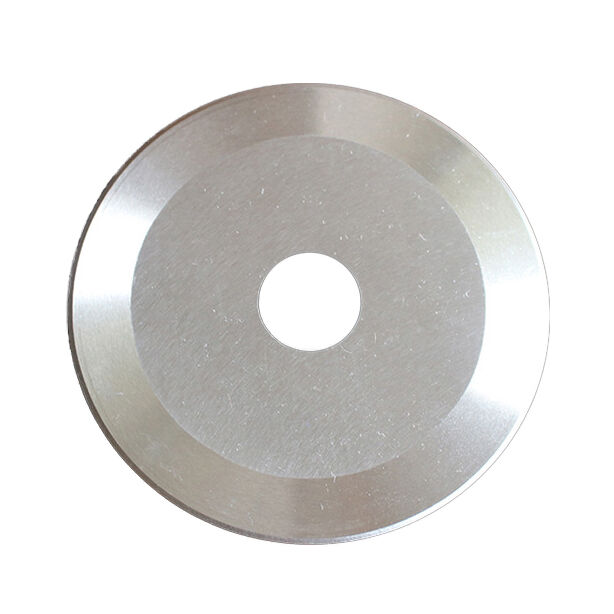
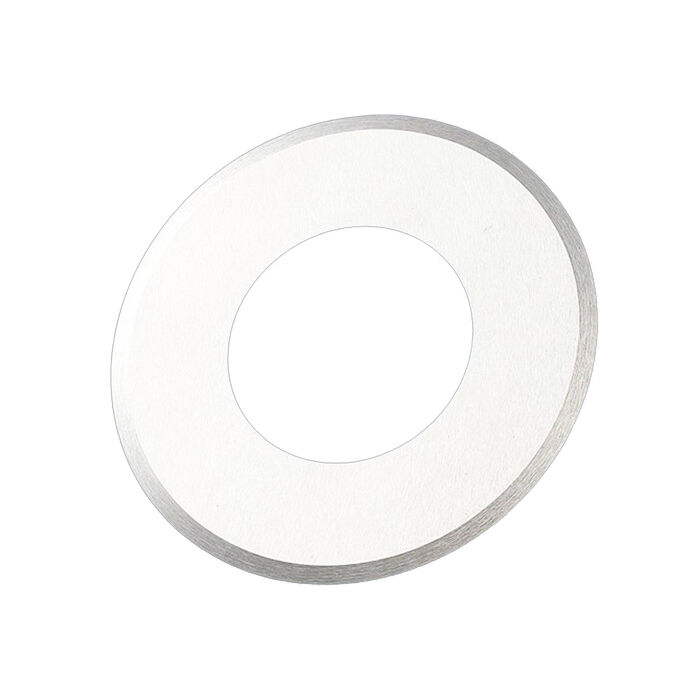
thin blade machine
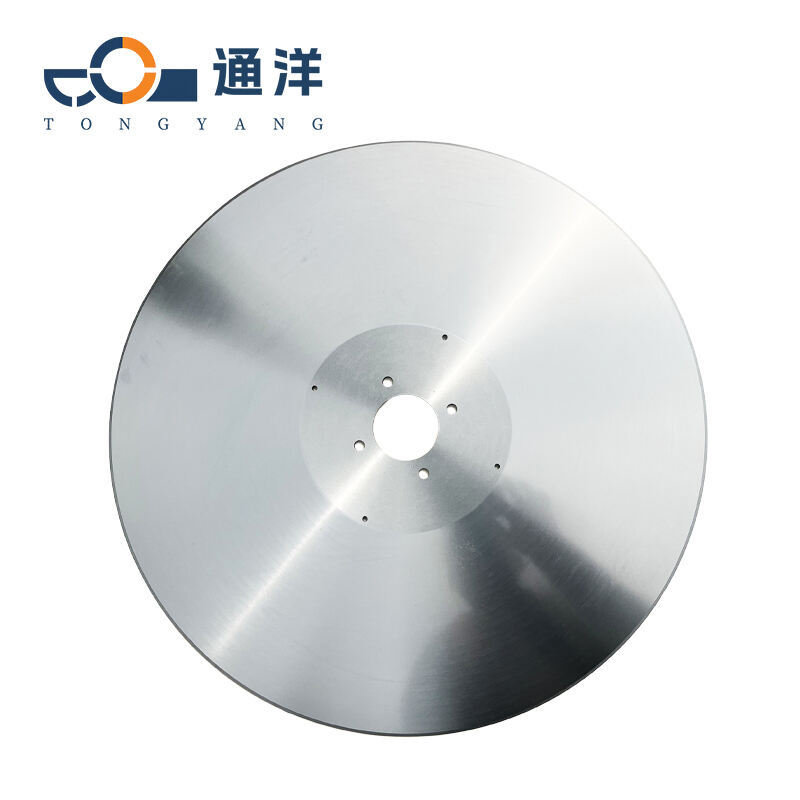
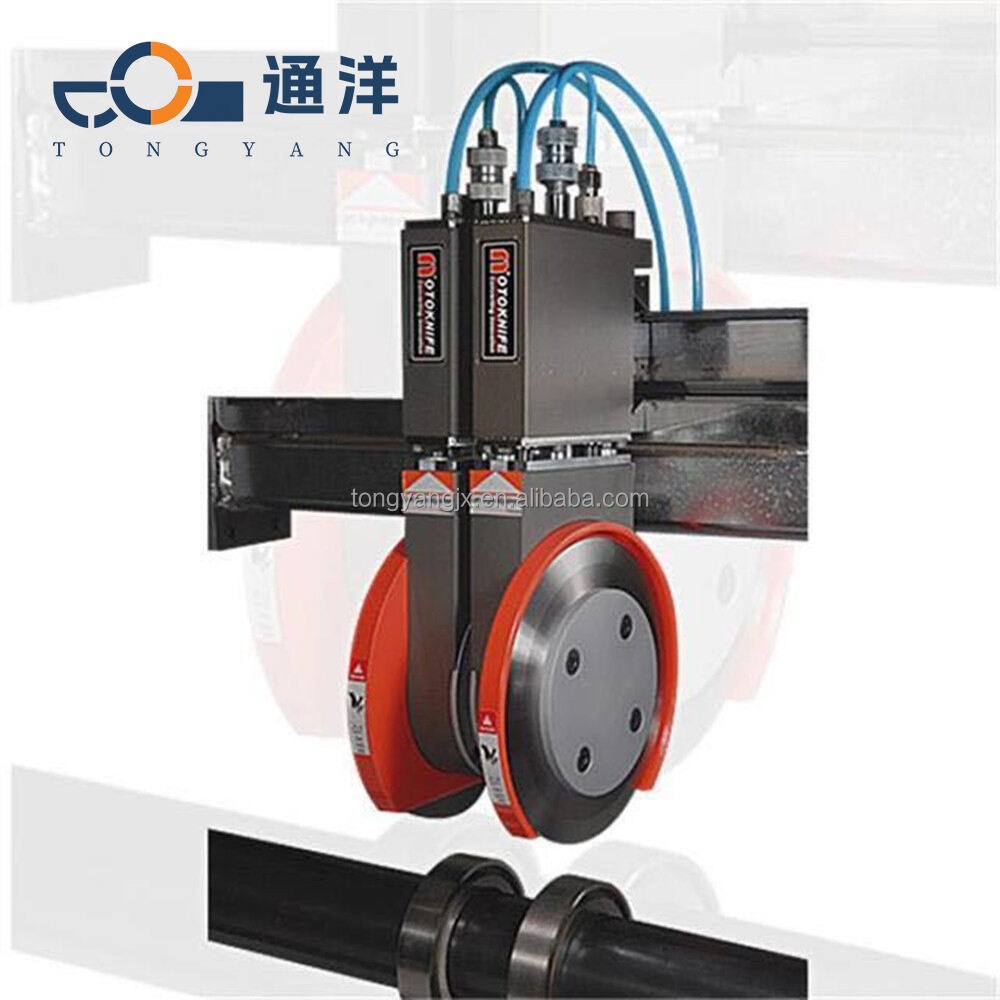
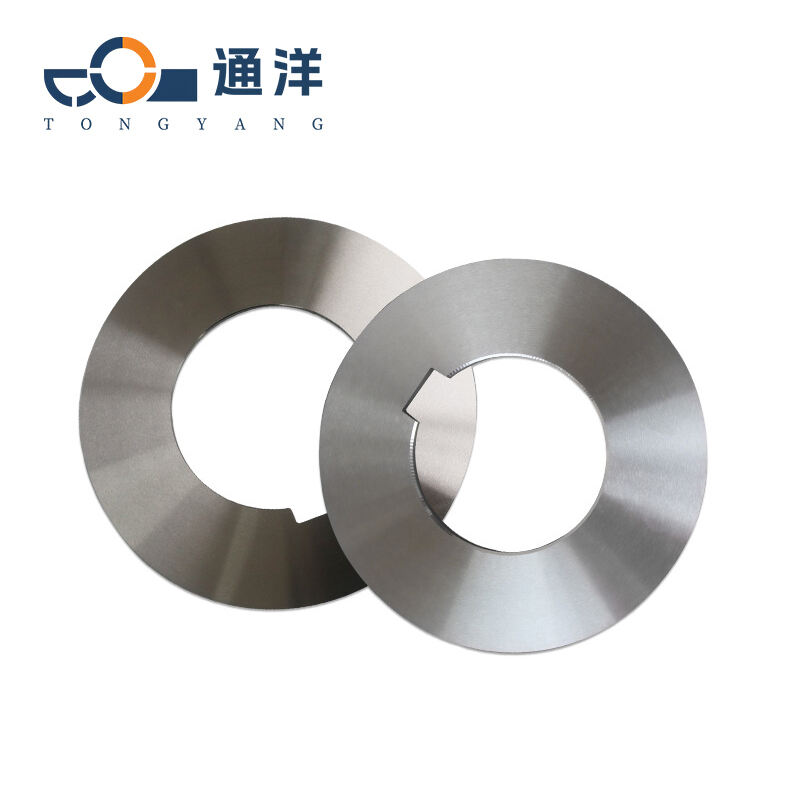
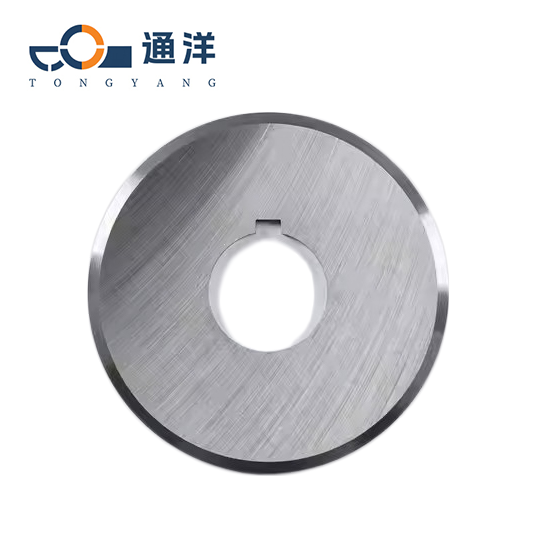
The thin blade machine represents a cutting-edge solution in precision slicing technology, designed to deliver exceptional performance across various industrial applications. This sophisticated equipment utilizes ultra-thin cutting blades to achieve remarkably precise cuts with minimal material waste, making it an invaluable asset for manufacturers seeking efficiency and accuracy. The thin blade machine operates through advanced mechanical systems that maintain blade stability while executing high-speed cutting operations, ensuring consistent results throughout extended production runs. At its core, the thin blade machine functions by guiding materials through a razor-sharp blade that can be as thin as a fraction of a millimeter, depending on the specific model and application requirements. The main functions include precise dimensional cutting, high-volume material processing, and automated feeding systems that enhance productivity. Technological features incorporate servo-driven mechanisms for exact blade positioning, computerized control panels that allow operators to program complex cutting patterns, and safety sensors that protect both workers and equipment. The machine's frame construction uses reinforced materials to eliminate vibrations that could compromise cutting accuracy, while cooling systems prevent blade overheating during intensive operations. Applications for the thin blade machine span numerous industries, including electronics manufacturing where circuit boards require precise separation, food processing facilities that demand hygienic and accurate portioning, textile production for fabric cutting, composite material fabrication in aerospace and automotive sectors, and packaging industries where clean edges are essential. The versatility of the thin blade machine makes it suitable for processing materials ranging from soft foams and rubbers to harder substances like metals, ceramics, and reinforced plastics. Modern thin blade machine models feature digital interfaces that simplify operation and reduce training time, while diagnostic systems monitor performance metrics to predict maintenance needs before failures occur. The integration of these technological advancements positions the thin blade machine as a critical component in contemporary manufacturing environments where precision, speed, and reliability determine competitive advantage.
 EN
EN