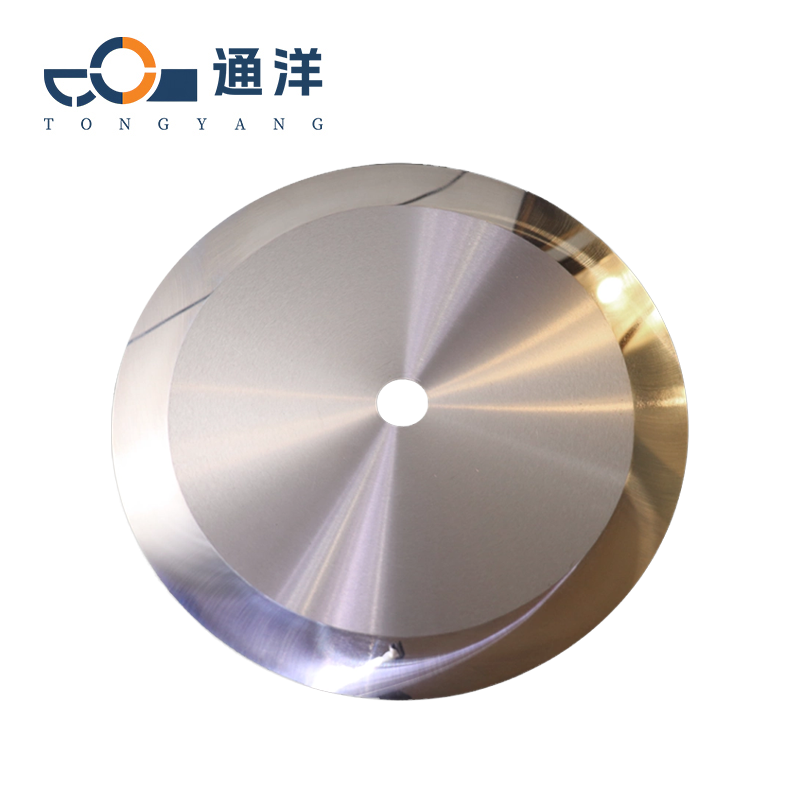
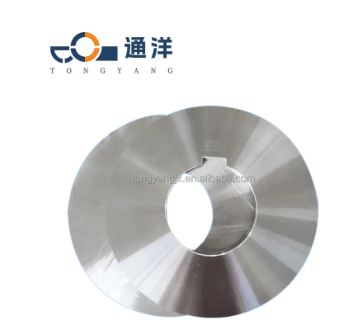
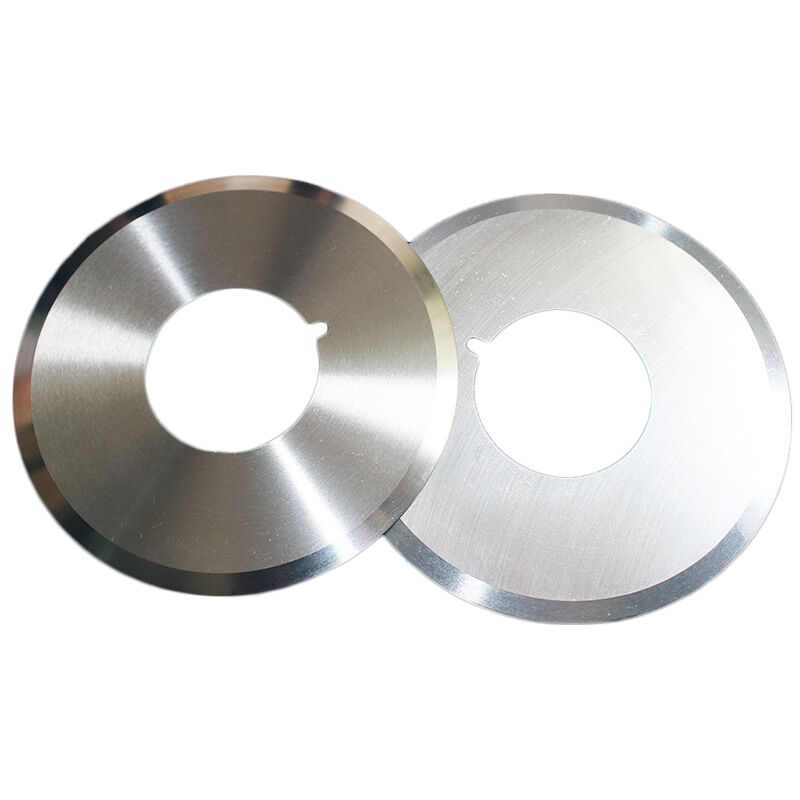
Premium Circular Slitters - Precision Material Cutting Solutions for Industrial Applications

All Categories

Get a Free Quote

Our representative will contact you soon.
Email
WhatsApp
Name
Company Name
Message
0/1000

circular slitters

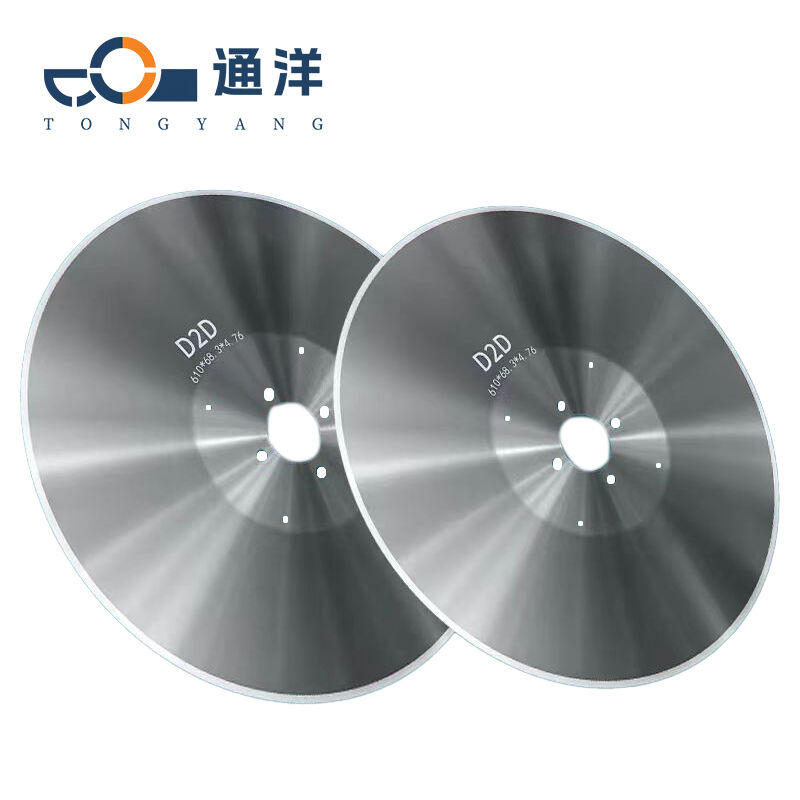
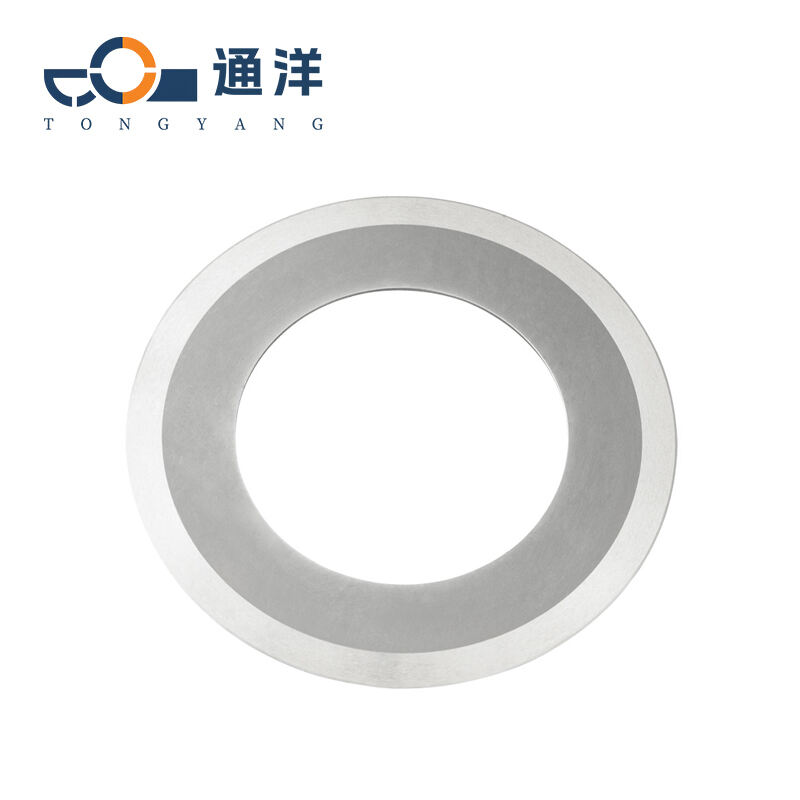
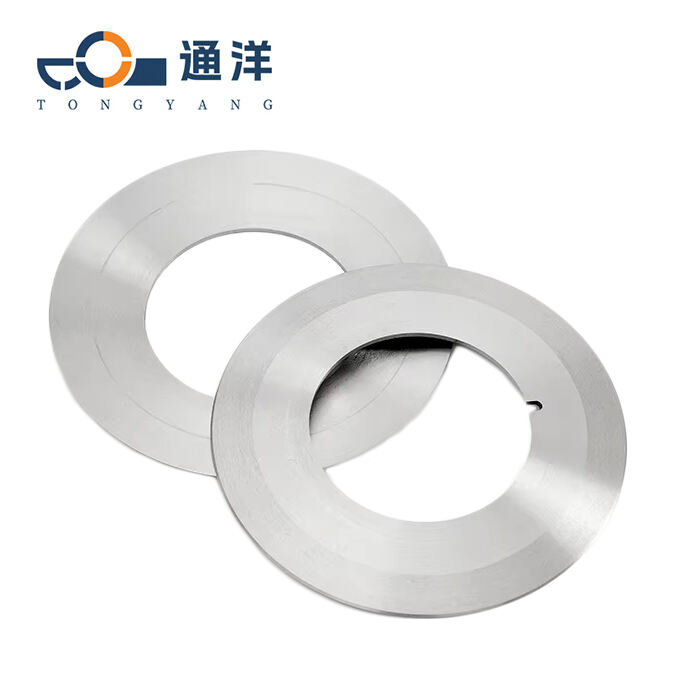
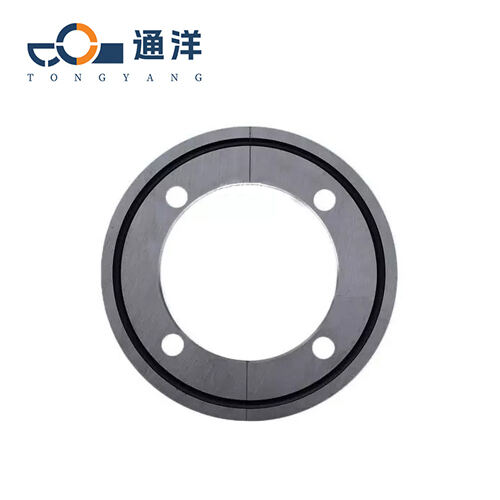
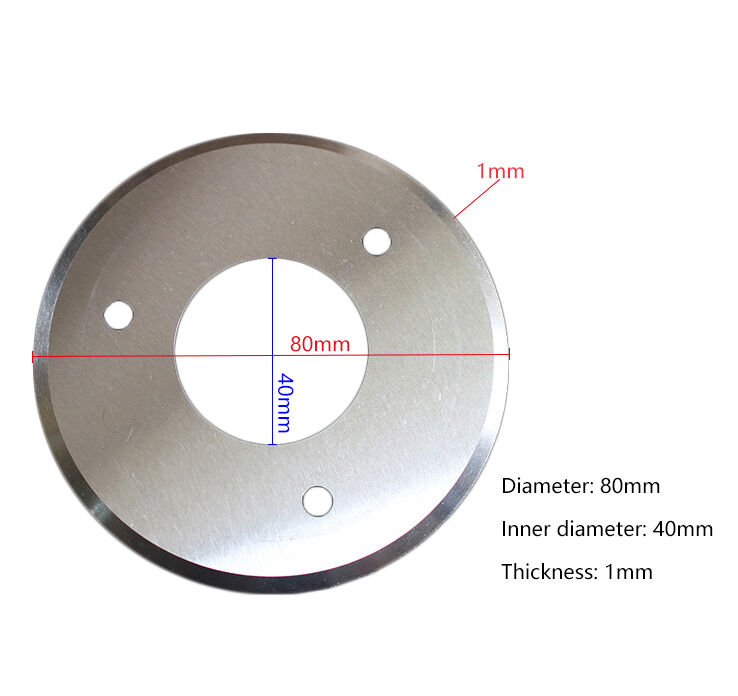
Circular slitters represent essential industrial equipment designed to cut wide rolls of material into narrower, more manageable strips with exceptional precision and efficiency. These sophisticated machines utilize sharp circular blades mounted on rotating shafts to perform continuous slitting operations on various materials including paper, film, foil, textiles, nonwovens, and flexible packaging substrates. The fundamental operation involves unwinding a master roll, passing the material through precisely positioned circular blades, and rewinding the slit strips onto individual cores simultaneously. Modern circular slitters incorporate advanced tension control systems, automated positioning mechanisms, and computerized monitoring interfaces that enable operators to achieve consistent quality across production runs. The technology features servo-driven motors that maintain optimal speed synchronization between unwinding, slitting, and rewinding stations, ensuring dimensional accuracy throughout the process. Circular slitters accommodate various blade configurations including shear cutting, crush cutting, and razor slitting methods, allowing manufacturers to select the most appropriate technique based on material characteristics and desired edge quality. These versatile machines handle roll widths ranging from compact desktop models processing materials under twenty inches to industrial-scale systems capable of slitting materials exceeding one hundred inches in width. Production speeds vary significantly depending on material type and thickness, with contemporary circular slitters achieving linear speeds exceeding two thousand feet per minute for thin films and lighter substrates. The equipment finds extensive applications across converting industries, flexible packaging production facilities, label manufacturing operations, textile processing plants, and specialty materials conversion environments. Circular slitters deliver critical functionality for businesses requiring precise width control, minimal material waste, and high-volume output capabilities. The integration of programmable logic controllers and human-machine interfaces enables operators to store multiple job recipes, facilitating rapid changeovers between different slitting specifications and reducing downtime between production batches significantly.

New Product Recommendations

Investing in circular slitters delivers substantial operational benefits that directly impact your bottom line and competitive positioning in the marketplace. The precision cutting capabilities ensure every strip meets exact width specifications, eliminating costly variations that lead to rejection rates and customer complaints. This accuracy translates into reduced material waste, allowing you to maximize yield from expensive raw materials and improve profit margins on every production run. The high-speed operation of circular slitters dramatically increases throughput compared to manual cutting methods or slower alternative technologies, enabling you to fulfill larger orders within tighter deadlines and accept more business without expanding facility footprint. Automated tension control systems maintain consistent material handling throughout the slitting process, preventing stretching, wrinkling, or other defects that compromise product quality and necessitate expensive rework. The versatility to process diverse materials with simple blade configuration changes means one machine serves multiple production requirements, eliminating the need to purchase separate equipment for different substrates and reducing capital expenditure significantly. Modern circular slitters feature user-friendly touchscreen interfaces that simplify operator training, allowing production staff to achieve proficiency quickly and reducing the learning curve associated with complex industrial machinery. Quick-change blade systems and tool-free adjustments minimize downtime during product changeovers, keeping your production lines running efficiently and maximizing equipment utilization rates throughout shifts. The robust construction and quality components used in circular slitters ensure reliable long-term operation with minimal maintenance requirements, protecting your investment and avoiding unexpected breakdowns that disrupt production schedules. Energy-efficient drive systems and optimized mechanical designs reduce power consumption compared to older cutting technologies, lowering operating costs and supporting sustainability initiatives. Precise rewind tension control produces tightly wound, uniform rolls that stack efficiently, store safely, and unwind smoothly during subsequent processing or end-use applications, enhancing customer satisfaction. The clean, burr-free edges produced by properly maintained circular slitters eliminate secondary trimming operations, streamlining workflow and reducing labor costs. Safety features including blade guards, emergency stops, and interlocked access panels protect operators from injury while meeting workplace safety regulations. Scalable configurations allow you to start with basic models and upgrade with advanced features as production demands grow, providing a flexible investment path that adapts to business evolution. The compact footprint of many circular slitters maximizes valuable floor space utilization, leaving room for additional equipment or inventory storage within existing facilities.

Practical Tips

How to Extend Your Film Slitting Blade Lifespan

25

Mar

How to Extend Your Film Slitting Blade Lifespan

Manufacturing operations that rely on precise film cutting know that blade performance directly impacts production efficiency and product quality. A well-maintained film slitting blade can significantly reduce downtime, minimize material waste, and e...
View More
Maximizing ROI with Quality Corrugated Cardboard Cutting Blade

25

Mar

Maximizing ROI with Quality Corrugated Cardboard Cutting Blade

In today's competitive packaging industry, maximizing return on investment requires strategic investments in high-quality equipment and tools. The efficiency of your corrugated cardboard production line directly impacts your bottom line, and selectin...
View More
Comparing Steel vs Ceramic Paper Cutting Blades

30

Mar

Comparing Steel vs Ceramic Paper Cutting Blades

When selecting the right paper cutting blade for industrial or commercial applications, the choice between steel and ceramic materials represents one of the most critical decisions affecting cut quality, operational efficiency, and long-term costs. E...
View More
Metal Cutting Blade Maintenance: Essential Tips

30

Apr

Metal Cutting Blade Maintenance: Essential Tips

Metal cutting blades are critical components in industrial manufacturing environments, directly influencing productivity, cut quality, and operational safety. Whether deployed in metal slitting machines, shearing operations, or precision cutting appl...
View More

Get a Free Quote

Our representative will contact you soon.
Email
WhatsApp
Name
Company Name
Message
0/1000

circular slitters

Advanced Precision Control Systems for Consistent Quality Output

Advanced Precision Control Systems for Consistent Quality Output

The heart of modern circular slitters lies in their sophisticated precision control systems that govern every aspect of the cutting process to deliver unmatched consistency and quality. These advanced systems employ multiple servo motors working in perfect synchronization to maintain precise tension across unwinding, slitting, and rewinding zones, preventing the material distortion that plagued earlier generation equipment. Real-time tension sensors continuously monitor material stress levels, automatically adjusting motor speeds to compensate for variations in roll diameter, material elasticity, or ambient conditions that might otherwise cause quality fluctuations. The computerized positioning systems enable blade placement accuracy within thousandths of an inch, ensuring each strip matches specified widths exactly regardless of where it appears across the material web. This level of precision proves particularly valuable when producing narrow strips for specialized applications where even minor deviations cause functional problems or aesthetic issues in finished products. Operators benefit from intuitive touchscreen interfaces that display all critical parameters simultaneously, allowing quick identification of any deviations from optimal settings and facilitating immediate corrective action before defects accumulate. The recipe management functionality built into these control systems allows storage of unlimited job specifications, each containing blade positions, tension settings, speed parameters, and quality checkpoints specific to particular materials and customer requirements. When switching between production runs, operators simply recall the appropriate recipe, and the circular slitters automatically configure all settings, eliminating manual calculations and reducing changeover time from hours to minutes. This automation also removes human error from the setup process, ensuring consistent results regardless of which operator runs the equipment or which shift handles production. The data logging capabilities embedded in advanced control systems create comprehensive production records documenting every aspect of each job, providing traceability for quality audits and valuable insights for process optimization initiatives. Predictive maintenance algorithms analyze vibration patterns, temperature fluctuations, and performance metrics to identify potential mechanical issues before they cause breakdowns, allowing scheduled maintenance during planned downtime rather than emergency repairs that halt production unexpectedly. The integration capabilities of modern control systems enable seamless communication with enterprise resource planning software, manufacturing execution systems, and quality management platforms, creating unified digital ecosystems that enhance visibility across entire operations and support data-driven decision making at all organizational levels.
Versatile Material Handling Capabilities Across Diverse Substrates

Versatile Material Handling Capabilities Across Diverse Substrates

Circular slitters distinguish themselves through remarkable versatility in handling an extensive range of materials with varying physical properties, thicknesses, and performance characteristics. The equipment processes delicate tissue papers requiring gentle handling to prevent tearing alongside robust industrial textiles demanding substantial cutting force, demonstrating adaptability that few alternative technologies match. Film materials ranging from thin polyethylene stretch wrap to thick polyester substrates pass through circular slitters with equal effectiveness, as blade geometry and cutting methods adjust to accommodate specific material behaviors. Foil products including aluminum, copper, and specialty metallic materials achieve clean edges without the work hardening or burr formation common with other cutting approaches, preserving material properties essential for subsequent manufacturing steps or end-use performance. Nonwoven fabrics used in hygiene products, medical applications, and filtration systems maintain fiber integrity and edge stability when processed through properly configured circular slitters, avoiding the fraying and delamination issues that compromise product functionality. Pressure-sensitive adhesive materials including labels, tapes, and graphic films require specialized handling to prevent adhesive contamination of cutting components, and circular slitters incorporate features specifically designed to manage these challenging substrates effectively. Laminated structures combining multiple material layers present complex cutting scenarios where blade selection and cutting parameters must preserve adhesive bonds while achieving clean separation, a balance that experienced circular slitters manage through refined mechanical design and operator adjustability. The thickness range capability extends from gossamer films measuring mere microns to heavy industrial materials exceeding several millimeters, with robust machine frames and powerful drive systems providing the rigidity and force necessary for challenging applications. Elastic materials that stretch during processing receive special accommodation through dancer rollers and pneumatic tension control systems that maintain consistent material presentation to cutting blades while preventing permanent deformation. Temperature-sensitive substrates benefit from cooling systems and controlled cutting speeds that prevent heat buildup capable of causing melting, distortion, or property degradation during slitting operations. Abrasive materials that quickly dull conventional cutting tools operate successfully with carbide or ceramic blade options that maintain sharp edges through extended production runs, reducing blade change frequency and associated downtime. The quick-change blade cartridge systems found in advanced circular slitters enable rapid reconfiguration between material types without extensive mechanical disassembly, supporting mixed production environments where substrate variety changes frequently throughout operating shifts and maintaining operational efficiency across diverse job portfolios.
Superior Edge Quality and Waste Reduction for Maximum Efficiency

Superior Edge Quality and Waste Reduction for Maximum Efficiency

The exceptional edge quality produced by circular slitters directly impacts both product performance and economic efficiency throughout manufacturing operations and subsequent product lifecycles. Clean, straight edges without ragged fibers, irregular contours, or adhesive smearing ensure strips feed smoothly through downstream processing equipment including printing presses, coating stations, and packaging machinery, preventing jams and disruptions that reduce overall equipment effectiveness. Burr-free edges on metallic foils and films eliminate safety hazards during handling and prevent electrical shorting in electronic applications where conductive materials require pristine edge conditions for reliable performance. The precise dimensional control inherent in circular slitters minimizes trim waste along material edges, allowing maximum utilization of expensive raw materials and reducing disposal costs associated with scrap removal. Optimized blade overlap settings and expert slit positioning enable manufacturers to nest multiple strips efficiently across web widths, often recovering additional saleable strips compared to less precise cutting methods that require larger safety margins between adjacent cuts. The consistent strip widths produced by circular slitters eliminate downstream sorting operations and reduce rejection rates during quality inspections, streamlining workflow and reducing labor costs throughout production chains. Tightly controlled edge geometry prevents unraveling and edge lifting during storage, maintaining roll integrity through extended warehousing periods and rough transportation conditions that challenge products with inferior edge characteristics. End users benefit from superior edge quality through improved performance in application environments where strip edges interact with guides, rollers, or other materials, reducing equipment wear and extending service intervals for machinery utilizing slit products. The minimal dust generation during cutting operations keeps production environments cleaner and reduces contamination risks for sensitive products in industries including food packaging, pharmaceuticals, and electronics where particulate control maintains critical importance. Advanced blade maintenance practices including regular sharpening, proper alignment verification, and timely replacement schedules ensure circular slitters maintain optimal edge quality throughout equipment lifecycles, protecting quality standards and preventing gradual degradation that erodes competitive advantages. The relationship between cutting parameters and edge characteristics receives careful optimization during job setup procedures, with experienced operators fine-tuning blade pressure, cutting speed, and material tension to achieve ideal results for specific substrate combinations. Automated quality monitoring systems integrated into modern circular slitters detect edge defects in real-time, triggering immediate alerts that enable corrective action before significant quantities of defective material accumulate, minimizing waste and protecting customer relationships through consistent quality delivery.

Get a Free Quote

Our representative will contact you soon.
Email
WhatsApp
Name
Company Name
Message
0/1000
Newsletter
Please Leave A Message With Us