 EN
EN

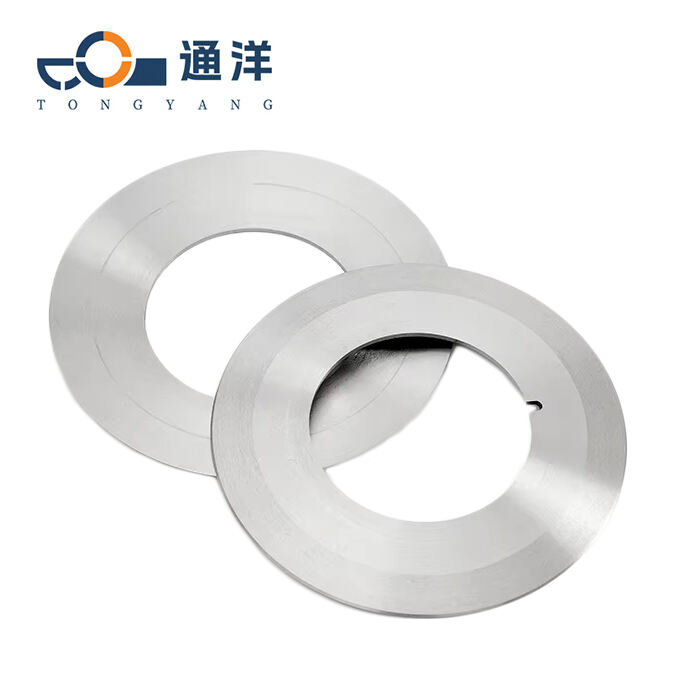
Manufacturing operations that rely on precise film cutting know that blade performance directly impacts production efficiency and product quality. A well-maintained film slitting blade can significantly reduce downtime, minimize material waste, and ensure consistent cut quality throughout extended production runs. Understanding the factors that influence blade longevity and implementing strategic maintenance practices can transform your operational costs and output reliability.
The lifespan of cutting tools in film processing applications depends on multiple interconnected variables including material composition, operating conditions, and maintenance protocols. Professional operators who master these elements typically achieve blade performance that exceeds standard expectations by substantial margins. This comprehensive approach to blade management represents a strategic investment in operational excellence that pays dividends across multiple production cycles.
Understanding Film Slitting Blade Fundamentals
Material Properties and Performance Characteristics
The metallurgical composition of your film slitting blade determines its fundamental performance characteristics including hardness, wear resistance, and edge retention capability. High-carbon steel blades offer excellent sharpness and are cost-effective for general applications, while carbide-tipped variants provide superior longevity when processing abrasive or challenging materials. Ceramic blades excel in specific applications requiring chemical resistance and ultra-sharp edges, though they demand careful handling to prevent chipping or fracture.
Edge geometry plays a crucial role in determining how effectively your blade penetrates different film materials while minimizing stress concentration. Single-bevel designs concentrate cutting force along a narrow contact area, making them ideal for clean cuts through thin films. Double-bevel configurations distribute cutting forces more evenly, reducing blade stress and extending operational life when processing thicker or more resistant materials.
Operating Environment Impact Assessment
Temperature fluctuations during operation significantly affect blade performance and longevity through thermal expansion and contraction cycles. Excessive heat generation during cutting can lead to edge deterioration, while cold conditions may make certain blade materials more brittle and prone to chipping. Maintaining optimal operating temperatures through proper machine setup and cooling systems prevents premature blade failure and ensures consistent cutting performance.
Contamination from adhesives, coatings, or environmental particles creates additional wear factors that accelerate blade degradation. Regular cleaning protocols and proper material handling prevent buildup of contaminants that can cause irregular wear patterns or edge damage. Understanding your specific operating environment allows for targeted preventive measures that significantly extend blade service life.
Optimizing Cutting Parameters for Maximum Blade Life
Speed and Feed Rate Calibration
Cutting speed optimization requires balancing productivity demands with blade preservation principles. Excessive speeds generate heat that can quickly degrade blade edges, while insufficient speeds may cause material tearing or irregular cuts that stress the blade unnecessarily. Establishing optimal speed parameters for each material type creates a foundation for consistent blade performance and extended operational life.
Feed rate adjustments complement speed optimization by controlling the amount of material processed per cutting cycle. Aggressive feed rates can overwhelm blade capacity and create excessive cutting forces, while conservative rates may not fully utilize blade capabilities. Finding the optimal balance ensures efficient material processing while maintaining blade integrity throughout extended production runs.
Pressure and Tension Management
Proper pressure application ensures clean cuts without excessive blade stress that can lead to premature wear or edge damage. Insufficient pressure results in incomplete cuts or material tearing, while excessive pressure creates unnecessary friction and heat generation. Monitoring and adjusting cutting pressure based on material characteristics and blade condition optimizes both cut quality and blade longevity.
Material tension control prevents blade deflection and ensures straight, consistent cuts throughout the slitting process. Uneven tension can cause blade wandering or irregular wear patterns that significantly reduce blade life. Implementing proper tension monitoring and adjustment systems maintains optimal cutting conditions and maximizes blade performance across various material types.
Strategic Maintenance and Care Protocols
Cleaning and Contamination Prevention
Regular cleaning removes accumulated debris and contaminants that can accelerate blade wear or cause cutting irregularities. Solvent-based cleaners effectively remove adhesive residues and organic contaminants, while mechanical cleaning methods address particle accumulation along blade edges. Establishing consistent cleaning schedules prevents contamination buildup that can significantly reduce blade performance and lifespan.
Protective storage practices prevent contamination and damage when blades are not in active use. Proper storage environments control humidity and temperature while protecting blade edges from impact or contact damage. Implementing systematic storage protocols ensures that replacement blades maintain optimal condition until installation and use.
Inspection and Monitoring Procedures
Visual inspection techniques identify early signs of blade wear or damage before they impact production quality or efficiency. Regular examination of cutting edges reveals nicks, chips, or excessive wear that indicate the need for blade replacement or maintenance. Developing standardized inspection procedures ensures consistent evaluation criteria and timely maintenance decisions.
Performance monitoring through cut quality assessment provides quantitative data about blade condition and remaining service life. Measuring cut precision, edge quality, and material waste rates creates objective criteria for maintenance scheduling. This data-driven approach optimizes blade replacement timing and prevents production disruptions from unexpected blade failure.
Advanced Blade Management Strategies
Rotation and Positioning Techniques
Strategic blade rotation maximizes utilization of available cutting edge while maintaining consistent cut quality throughout the blade service life. Rotating blade position distributes wear evenly across the cutting surface, preventing localized wear patterns that can reduce overall blade effectiveness. This technique particularly benefits operations processing materials with varying abrasiveness or thickness characteristics.
Position adjustment capabilities allow operators to compensate for normal wear progression without complete blade replacement. Incremental position changes maintain optimal cutting geometry as blade edges wear, extending useful service life significantly. Understanding proper adjustment techniques and timing ensures maximum blade utilization while maintaining production quality standards.
Material-Specific Optimization Approaches
Different film materials require tailored blade management strategies to achieve optimal performance and longevity. Abrasive materials may benefit from harder blade compositions and more frequent cleaning, while soft materials might require sharper edges and gentler cutting parameters. Developing material-specific protocols ensures that each film slitting blade application receives appropriate treatment for maximum effectiveness.
Processing sequence optimization considers material compatibility and blade wear characteristics to maximize overall productivity. Scheduling more aggressive materials early in blade life cycles allows for optimal utilization of peak blade performance, while reserving gentler materials for later in the service cycle. This strategic approach balances production requirements with blade longevity considerations.
Quality Control and Performance Optimization
Cut Quality Assessment Methods
Systematic evaluation of cut quality provides early indicators of blade condition and performance degradation. Edge roughness measurements, dimensional accuracy assessments, and visual inspection of cut surfaces reveal blade wear progression and maintenance needs. Establishing quality benchmarks ensures consistent evaluation criteria and timely maintenance interventions.
Statistical process control techniques applied to blade performance data identify trends and patterns that predict maintenance requirements. Tracking key performance indicators over time reveals optimal replacement intervals and helps identify factors that influence blade longevity. This analytical approach transforms maintenance from reactive to predictive, improving both efficiency and reliability.
Troubleshooting Common Issues
Irregular wear patterns often indicate improper operating conditions or setup problems that can be corrected to extend blade life. Uneven material feed, improper blade alignment, or incorrect cutting parameters typically manifest as distinctive wear signatures on blade edges. Identifying and correcting these underlying causes prevents premature blade replacement and improves overall system performance.
Edge chipping or premature dulling may result from material contamination, excessive cutting forces, or inappropriate blade selection for specific applications. Systematic analysis of failure modes helps identify root causes and implement corrective measures that prevent recurrence. This problem-solving approach continuously improves blade performance and extends service intervals.
Economic Impact and Cost Management
Total Cost of Ownership Analysis
Comprehensive cost analysis considers not only blade purchase price but also installation time, production downtime, and waste material costs associated with blade changes. Extended blade life reduces these indirect costs significantly, often providing savings that far exceed the initial blade investment. Understanding total ownership costs enables informed decisions about blade selection and maintenance strategies.
Productivity impact assessment quantifies the relationship between blade condition and overall system efficiency. Sharp, well-maintained blades enable higher cutting speeds and better material utilization, directly improving throughput and profitability. Calculating these productivity benefits demonstrates the value of proper blade management and justifies investment in quality maintenance practices.
Inventory Management and Planning
Strategic inventory planning ensures availability of replacement blades while minimizing carrying costs and storage requirements. Predictive maintenance data helps establish optimal inventory levels based on actual usage patterns rather than arbitrary safety stock calculations. This data-driven approach reduces inventory investment while ensuring operational continuity.
Supplier partnership development creates opportunities for improved blade performance through technical collaboration and customization. Working closely with blade manufacturers can yield specialized solutions that address specific application challenges and extend service life. These partnerships often provide access to advanced blade technologies and expert technical support that enhance overall system performance.
FAQ
What factors most significantly impact film slitting blade lifespan
Material abrasiveness, cutting speed, and maintenance quality represent the primary factors affecting blade longevity. Abrasive films containing fillers or coatings accelerate wear, while excessive cutting speeds generate heat that degrades blade edges. Consistent cleaning and proper storage practices can extend blade life by up to 40% compared to minimal maintenance approaches.
How often should film slitting blades be inspected for wear
Daily visual inspections during setup provide early detection of edge damage or excessive wear, while detailed weekly examinations should assess overall blade condition and performance trends. High-volume operations or challenging materials may require more frequent inspection intervals to prevent quality issues or production disruptions from unexpected blade failure.
Can damaged film slitting blades be restored or sharpened
Professional resharpening services can restore many blade types, particularly high-quality steel and carbide variants, extending their useful life significantly. However, blades with severe edge damage, cracks, or excessive wear may not be suitable for restoration. The cost-effectiveness of resharpening depends on blade quality, damage extent, and local service availability.
What are the warning signs that indicate immediate blade replacement
Visible edge chipping, irregular cut quality, increased cutting force requirements, or excessive material waste indicate immediate replacement needs. Additionally, unusual vibration, heating, or noise during cutting suggests blade problems that could damage equipment or compromise safety if not addressed promptly through blade replacement.