 EN
EN

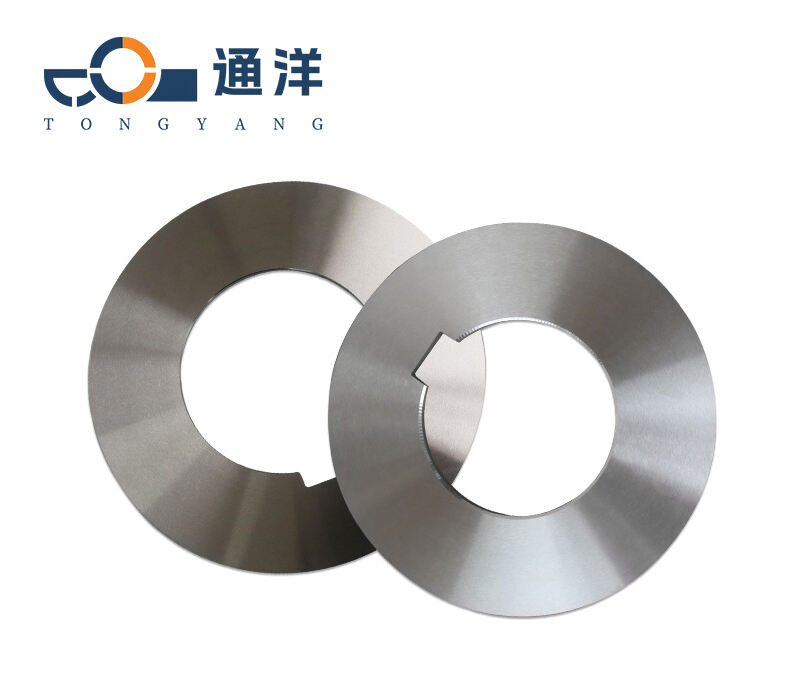
Choosing the right metal cutting blade can make the difference between a successful DIY project and a frustrating experience filled with poor cuts and damaged materials. Whether you're working on home renovations, crafting custom metalwork, or tackling automotive repairs, having the proper cutting tools is essential for achieving professional results. The market offers numerous options, each designed for specific applications and metal types, making it crucial to understand which blade will best serve your particular needs.
Modern DIY enthusiasts have access to advanced cutting technologies that were once reserved for industrial applications. From high-speed steel compositions to carbide-tipped designs, today's cutting tools deliver exceptional performance across various metal types including steel, aluminum, copper, and specialty alloys. Understanding the characteristics of different blade materials and tooth configurations will help you select the most appropriate option for your specific cutting requirements.
The investment in quality cutting equipment pays dividends through improved accuracy, reduced material waste, and enhanced safety during operation. Professional-grade blades not only deliver cleaner cuts but also maintain their sharpness longer, reducing the frequency of replacements and overall project costs. This comprehensive guide explores the top five metal cutting blade options that consistently deliver outstanding results for DIY applications.
Essential Blade Types for Metal Cutting Applications
Circular Saw Blades for Ferrous Metals
Circular metal cutting blades represent one of the most versatile options for DIY metalworking projects. These specialized blades feature carbide-tipped teeth designed to withstand the heat and friction generated when cutting through steel, iron, and other ferrous materials. The tooth geometry incorporates specific rake angles and relief cuts that efficiently remove material while minimizing heat buildup and blade wear.
High-quality circular blades typically feature between 60 to 80 teeth per blade, providing smooth cuts with minimal burr formation. The blade body construction utilizes premium steel with laser-cut expansion slots that prevent warping during extended use. Anti-vibration technology reduces noise and improves cut quality by maintaining blade stability throughout the cutting process.
When selecting a circular metal cutting blade, consider the thickness of materials you'll be cutting most frequently. Thinner materials benefit from blades with more teeth per inch, while thicker stock requires aggressive tooth patterns that can handle higher material removal rates without binding or overheating.
Reciprocating Saw Blades for Demolition Work
Reciprocating saw blades excel in demolition scenarios where precision matters less than speed and versatility. These blades feature aggressive tooth patterns with deep gullets that effectively clear debris while cutting through various metal thicknesses. The bi-metal construction combines high-speed steel cutting edges with flexible carbon steel bodies, providing durability and resistance to breakage during demanding applications.
Variable tooth spacing helps prevent binding when cutting through materials of varying density or thickness. The aggressive set of the teeth creates wide kerfs that facilitate rapid material removal, making these blades ideal for cutting through pipes, conduit, metal roofing, and structural components during renovation projects.
Professional-grade reciprocating blades incorporate advanced tooth geometries that maintain cutting efficiency even when encountering embedded nails, screws, or other foreign materials. This versatility makes them indispensable for construction and remodeling projects where unknown materials may be encountered during the cutting process.
Specialized Cutting Solutions for Precision Work
Band Saw Blades for Curved Cuts
Band saw blades offer unmatched capability for creating curved cuts and intricate shapes in metal materials. The continuous loop design eliminates the start-stop motion associated with other cutting methods, resulting in exceptionally smooth surface finishes. Variable pitch tooth patterns accommodate different material thicknesses while maintaining consistent cutting performance across the entire blade length.
Bi-metal band saw blades combine the wear resistance of high-speed steel teeth with the flexibility of carbon steel backing material. This combination allows the blade to navigate tight curves without breaking while maintaining sharp cutting edges throughout extended use periods. The electron beam welding process creates seamless joints that eliminate weak points in the blade structure.
For DIY applications requiring precision cuts in aluminum, brass, or other non-ferrous metals, fine-tooth band saw blades deliver superior results. The close tooth spacing prevents material from catching between teeth, reducing vibration and producing clean edges that often require minimal finishing work.
Abrasive Cut-Off Wheels for Heavy-Duty Applications
Abrasive cut-off wheels utilize bonded abrasive particles to grind through metal rather than cutting with traditional teeth. This approach proves particularly effective for extremely hard materials or applications where conventional metal cutting blade options would quickly dull or break. The grinding action generates significant heat, making proper cooling and safety equipment essential during operation.
Aluminum oxide wheels work well for cutting ferrous metals, while silicon carbide compositions excel with non-ferrous materials and stainless steel. The wheel thickness affects cutting speed and precision, with thinner wheels providing faster cuts but requiring more careful handling to prevent breakage during use.
Quality abrasive wheels feature reinforcement fiberglass mesh that prevents catastrophic failure during high-speed operation. The organic bonding agents release worn abrasive particles to expose fresh cutting surfaces, maintaining consistent performance throughout the wheel's service life while generating minimal sparks compared to alternative cutting methods.
Advanced Blade Technologies and Materials
Carbide-Tipped Blade Performance
Carbide-tipped blades represent the pinnacle of metal cutting blade technology for DIY applications. The tungsten carbide cutting edges maintain sharpness significantly longer than conventional high-speed steel alternatives, reducing replacement costs and downtime. The carbide tips undergo precision brazing processes that create permanent bonds capable of withstanding extreme cutting forces and temperatures.
The substrate material beneath carbide tips utilizes premium alloy steel designed to absorb vibration and maintain dimensional stability during cutting operations. Advanced tooth geometries incorporate chip breakers that control material flow and prevent workpiece damage while ensuring efficient debris removal from the cutting zone.
Modern carbide formulations include cobalt binders that enhance toughness while maintaining hardness levels necessary for cutting through hardened steels and exotic alloys. The micro-grain structure of contemporary carbide grades provides superior edge retention while resisting chipping and premature wear when encountering challenging materials.
Coating Technologies for Extended Life
Advanced coating technologies significantly enhance metal cutting blade performance through reduced friction, improved heat dissipation, and enhanced corrosion resistance. Titanium nitride coatings create ultra-hard surfaces that maintain sharpness while reducing cutting forces required to penetrate materials. The distinctive gold coloration of these coatings also serves as a visual indicator of premium blade quality.
Diamond-like carbon coatings provide exceptional lubricity that reduces heat generation during cutting operations. This technology proves particularly beneficial when working with aluminum and other materials prone to welding onto cutting edges. The reduced friction also extends blade life while improving surface finish quality on cut materials.
Multi-layer coating systems combine different materials to optimize specific performance characteristics. These sophisticated treatments may incorporate wear-resistant base layers topped with low-friction surface treatments, creating cutting tools that excel in demanding applications while maintaining cost-effectiveness for DIY users.
Selection Criteria for DIY Applications
Material Compatibility Considerations
Selecting the appropriate metal cutting blade requires careful consideration of the materials you'll be working with most frequently. Ferrous metals like steel and iron generate different cutting challenges compared to non-ferrous materials such as aluminum, copper, or brass. Understanding these differences helps ensure optimal blade performance and prevents premature wear or damage during operation.
Stainless steel presents unique cutting challenges due to its work-hardening characteristics and low thermal conductivity. Specialized blade designs incorporate modified tooth geometries and coating treatments that address these specific properties while maintaining cutting efficiency. The selection of appropriate cutting speeds and feed rates becomes critical when working with these challenging materials.
Exotic alloys used in aerospace and automotive applications require premium cutting tools designed to handle their exceptional strength and heat resistance. While DIY projects rarely involve these materials, understanding their requirements helps when selecting versatile blades capable of handling unexpected material encounters during complex projects.
Safety and Performance Optimization
Safety considerations play a crucial role in metal cutting blade selection for DIY applications. Blade guards, proper clamping systems, and appropriate cutting speeds help prevent accidents while ensuring optimal cutting performance. Understanding the relationship between blade design and safety requirements helps users make informed decisions that protect both personal safety and project quality.
Proper blade maintenance extends service life while maintaining cutting performance and safety standards. Regular inspection for damaged teeth, cracks, or excessive wear helps identify when replacement becomes necessary. Proper storage techniques prevent damage from moisture, temperature fluctuations, and physical impacts that could compromise blade integrity.
Quality cutting fluids and lubricants reduce heat generation while improving surface finish quality and extending blade life. Water-soluble coolants work well for most applications, while specialized cutting oils provide superior performance when working with difficult-to-machine materials or when maximum surface quality is required.
FAQ
What factors determine the best metal cutting blade for specific projects
The best blade selection depends on material type, thickness, desired cut quality, and cutting equipment being used. Ferrous metals require different tooth geometries compared to non-ferrous materials, while thicker sections need more aggressive cutting action than thin sheets. Consider your primary applications and select blades optimized for those specific requirements rather than trying to find one universal solution.
How long should a quality metal cutting blade last in DIY applications
Blade life varies significantly based on material hardness, cutting parameters, and maintenance practices. High-quality carbide-tipped blades may cut hundreds of linear feet in aluminum or mild steel before requiring replacement, while abrasive wheels typically handle 15-20 cuts in structural steel before wearing out. Proper lubrication and appropriate cutting speeds can double or triple expected blade life.
Can the same blade cut different types of metals effectively
While some premium blades handle multiple material types reasonably well, specialized blades typically deliver superior results for specific applications. Bi-metal reciprocating saw blades work adequately across various metals, but dedicated aluminum-cutting blades will always outperform universal options when working primarily with non-ferrous materials. Consider your project mix when deciding between versatile and specialized options.
What safety precautions are essential when using metal cutting blades
Essential safety measures include wearing appropriate eye protection, ensuring secure workpiece clamping, using proper blade guards, and maintaining appropriate cutting speeds. Never exceed manufacturer-recommended RPM limits, and always inspect blades for damage before use. Proper ventilation helps manage metal dust and fumes, while appropriate hearing protection prevents damage from prolonged exposure to cutting noise.