 EN
EN

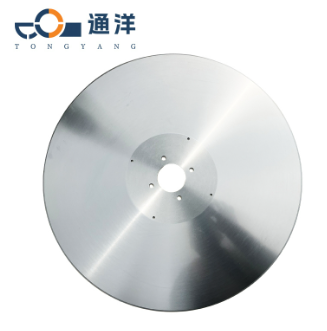
Industrial cutting operations rely heavily on precision tools that deliver consistent results across diverse manufacturing environments. The circular knife stands as one of the most versatile and essential cutting implements in modern industrial applications, providing superior performance in materials ranging from textiles and rubber to paper and plastics. These specialized cutting tools have revolutionized production processes by offering enhanced efficiency, reduced waste, and improved product quality across multiple industries.
Manufacturing facilities worldwide have integrated circular knife technology into their production lines to achieve precise cuts with minimal material distortion. The unique design characteristics of these tools enable continuous cutting motions that significantly reduce processing time while maintaining exceptional cut quality. Industries such as automotive, packaging, food processing, and textile manufacturing have experienced substantial productivity improvements through the strategic implementation of circular knife systems.
The engineering behind circular knife design incorporates advanced metallurgy and precision manufacturing techniques to create tools capable of withstanding demanding industrial environments. Modern circular knife applications extend far beyond traditional cutting operations, encompassing specialized tasks such as perforating, scoring, and slitting various materials with remarkable accuracy and repeatability.
Manufacturing Applications and Industry Integration
Textile and Fabric Processing
Textile manufacturing represents one of the largest application areas for circular knife technology, where precision cutting directly impacts product quality and production efficiency. Modern textile facilities utilize circular knife systems for cutting synthetic fabrics, natural fibers, and composite materials with consistent accuracy. The continuous cutting action provided by circular knife configurations reduces fabric fraying and ensures clean edges that meet strict quality standards required in apparel and industrial textile production.
Advanced textile cutting operations benefit from the superior edge retention characteristics of high-quality circular knife designs. These tools maintain sharp cutting edges throughout extended production runs, reducing downtime associated with blade changes and ensuring consistent cut quality across large fabric batches. Specialized coatings and heat treatment processes further enhance circular knife performance in demanding textile applications where cutting speeds and material throughput requirements continue to increase.
Rubber and Polymer Processing
Rubber processing industries have adopted circular knife technology to address the unique challenges associated with cutting elastomeric materials. The elastic properties of rubber compounds require specialized cutting approaches that prevent material deformation and ensure precise dimensional control. Circular knife systems designed for rubber applications incorporate specific blade geometries and cutting angles optimized for elastomeric material properties.
Industrial rubber processing facilities utilize circular knife configurations for tire manufacturing, gasket production, and various molded rubber component fabrication. The ability to maintain consistent cutting pressure and speed throughout the cutting cycle ensures uniform product dimensions and reduces material waste. Specialized circular knife designs for rubber applications often feature enhanced wear resistance and specialized edge treatments that extend tool life in abrasive cutting environments.
Technical Specifications and Performance Characteristics
Blade Design and Material Engineering
The performance of circular knife systems depends heavily on blade material selection and heat treatment processes that optimize cutting performance for specific applications. High-carbon steel grades provide excellent edge retention and cutting performance for general industrial applications, while specialized tool steels offer enhanced durability in demanding cutting environments. Advanced circular knife designs incorporate precise hardness gradients that balance cutting edge hardness with core toughness to prevent blade failure under high-stress conditions.
Modern circular knife manufacturing employs computer-controlled grinding processes that ensure consistent blade geometry and surface finish quality. These precision manufacturing techniques enable circular knife producers to maintain tight tolerances on critical dimensions such as blade thickness, concentricity, and edge angle consistency. Quality control processes verify that each circular knife meets specifications for dimensional accuracy, hardness distribution, and surface finish requirements.
Cutting Edge Geometry and Optimization
Circular knife cutting edge geometry plays a crucial role in determining cutting performance and tool life across different material applications. Blade angle optimization involves balancing cutting efficiency with edge durability to achieve optimal performance in specific cutting operations. Acute cutting angles provide superior cutting performance in thin materials but may sacrifice edge durability, while obtuse angles offer enhanced durability at the expense of cutting efficiency.
Advanced circular knife designs incorporate multiple edge geometries within a single blade to optimize cutting performance across varying material thicknesses and properties. These specialized edge configurations enable circular knife systems to maintain consistent cutting quality while processing materials with different characteristics within the same production run. Edge geometry optimization also considers factors such as cutting speed, material feed rate, and required cut quality to ensure optimal performance in specific applications.
Installation and Operational Considerations
Machine Integration and Setup Requirements
Successful circular knife implementation requires careful consideration of machine integration factors that affect cutting performance and operational safety. Proper blade mounting and alignment procedures ensure that circular knife systems operate within design parameters and deliver consistent cutting results. Machine setup procedures must account for factors such as blade tension, cutting clearances, and support roller positioning to optimize cutting performance and prevent premature blade wear.
Circular knife installation procedures typically involve precise measurement and adjustment of critical parameters such as blade deflection, cutting pressure, and material feed alignment. These setup requirements ensure that cutting forces are distributed evenly across the blade edge and that material flow through the cutting zone remains consistent. Proper machine integration also includes safety systems that protect operators from potential hazards associated with high-speed rotating cutting tools.
Maintenance Protocols and Performance Monitoring
Effective maintenance protocols are essential for maximizing circular knife performance and extending tool life in industrial applications. Regular inspection procedures should monitor blade condition, edge wear patterns, and mounting system integrity to identify potential issues before they affect production quality. Preventive maintenance schedules typically include blade cleaning, lubrication of bearing systems, and verification of cutting clearances to ensure optimal performance.
Performance monitoring systems can track cutting quality metrics and blade wear rates to optimize replacement schedules and minimize production disruptions. Advanced monitoring approaches utilize vibration analysis, acoustic monitoring, and cutting force measurement to assess circular knife condition and predict optimal replacement timing. These data-driven maintenance approaches help manufacturers maximize tool utilization while maintaining consistent product quality throughout the blade service life.
Quality Control and Performance Standards
Dimensional Accuracy and Tolerance Management
Quality control processes for circular knife applications focus on maintaining dimensional accuracy and consistency across production runs. Measurement protocols typically evaluate cut width variation, edge straightness, and surface finish quality to ensure that finished products meet specifications. Statistical process control methods help identify trends in cutting performance that may indicate blade wear or machine setup issues requiring attention.
Advanced quality control systems integrate real-time monitoring of cutting parameters with automated measurement of finished product dimensions. These systems can detect variations in circular knife performance and trigger corrective actions before product quality is compromised. Quality assurance protocols also include periodic calibration of measurement equipment and validation of cutting performance against established standards.
Material Compatibility and Application Testing
Circular knife selection for specific applications requires comprehensive testing to verify compatibility with target materials and cutting conditions. Material compatibility testing evaluates factors such as cutting force requirements, edge wear rates, and cut quality consistency across representative material samples. These tests help determine optimal circular knife specifications and operating parameters for specific applications.
Application testing protocols typically include accelerated wear testing, cutting performance evaluation, and long-term durability assessment under production conditions. Test results provide data necessary for blade selection, maintenance scheduling, and performance optimization in specific manufacturing environments. Comprehensive testing ensures that circular knife systems deliver expected performance levels and meet production requirements throughout their service life.
Safety Protocols and Risk Management
Operator Safety and Training Requirements
Safe operation of circular knife systems requires comprehensive operator training programs that address potential hazards and proper operating procedures. Training protocols should cover blade handling procedures, machine setup requirements, and emergency response procedures to ensure operator safety. Regular safety refresher training helps maintain awareness of potential hazards and reinforces proper safety practices among production personnel.
Personal protective equipment requirements for circular knife operations typically include cut-resistant gloves, safety glasses, and appropriate clothing to minimize injury risk. Safety procedures should also address blade storage, handling, and disposal requirements to prevent accidental injury during maintenance operations. Comprehensive safety programs integrate equipment design features with procedural controls to minimize risk throughout all phases of circular knife operation.
Equipment Safety Features and Guards
Modern circular knife systems incorporate multiple safety features designed to protect operators from potential hazards associated with high-speed cutting operations. Safety guards and barriers prevent accidental contact with rotating blades while allowing necessary access for material handling and routine maintenance. Emergency stop systems provide immediate shutdown capability in case of equipment malfunction or operator emergency.
Safety system design considers both normal operating conditions and potential failure modes to ensure comprehensive protection under all circumstances. Interlocked safety systems prevent blade rotation when guards are open or when safety conditions are not met. Regular safety system testing and maintenance ensure that protective features remain functional throughout the equipment service life.
FAQ
What materials can be effectively cut using circular knife systems
Circular knife systems can effectively cut a wide range of materials including textiles, rubber, plastics, paper, cardboard, foam, leather, and various composite materials. The specific blade design and cutting parameters must be optimized for each material type to achieve optimal cutting performance and tool life. Material thickness, density, and mechanical properties influence blade selection and operating parameters.
How do you determine the optimal circular knife specifications for a specific application
Optimal circular knife specification determination involves analyzing material properties, cutting requirements, production volume, and quality standards. Key factors include material type and thickness, required cut quality, production speed requirements, and expected tool life. Application testing with representative materials helps verify blade performance and optimize cutting parameters for specific manufacturing requirements.
What maintenance practices extend circular knife service life
Effective maintenance practices include regular blade cleaning, proper storage procedures, timely sharpening or replacement, and monitoring of cutting performance indicators. Preventive maintenance schedules should include inspection of blade condition, verification of mounting system integrity, and assessment of cutting quality metrics. Proper blade handling and storage procedures prevent damage and contamination that can reduce tool life.
How do circular knife systems compare to alternative cutting methods
Circular knife systems offer advantages in continuous cutting applications where high production rates and consistent cut quality are required. Compared to straight blade systems, circular knives provide continuous cutting action that reduces cycle time and improves productivity. The rotating cutting action also distributes wear more evenly across the blade edge, potentially extending tool life in high-volume applications.