 EN
EN

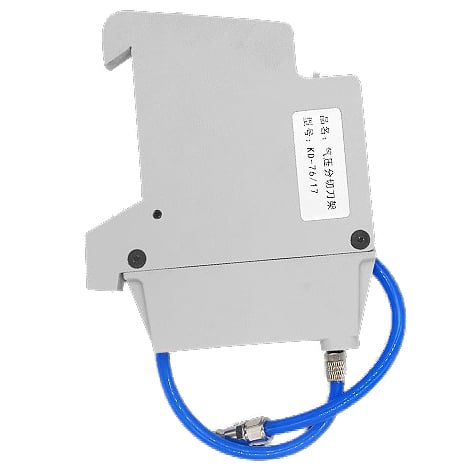
A pneumatic blade holder is a critical component in modern automation systems that combines air-powered actuation with precision engineering to deliver superior cutting performance. The pneumatic blade holder technology enables manufacturers to achieve consistent cut quality while minimizing operator risk and downtime. In industries ranging from packaging and textiles to food processing and composite manufacturing, the pneumatic blade holder has become essential for maintaining both safety standards and production efficiency. Understanding how a pneumatic blade holder works and why it matters can help businesses optimize their automation strategies and protect their workforce.
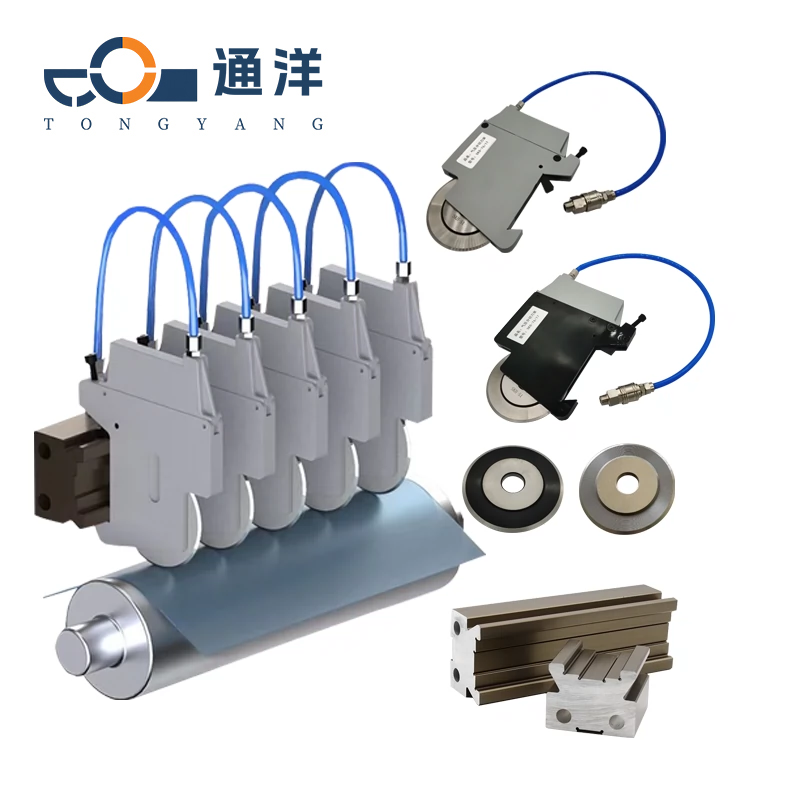
The integration of a pneumatic blade holder into cutting automation directly addresses two fundamental manufacturing challenges: operator safety and cut precision. By replacing manual blade handling or unreliable mechanical systems with pneumatic actuation, companies reduce workplace injuries while ensuring repeatable, high-quality results across every cycle. The pneumatic blade holder operates through controlled air pressure that securely grips and positions the blade, then executes cutting motions with exact timing and force. This level of control is impossible to achieve consistently with manual methods, making the pneumatic blade holder a strategic investment for any organization serious about automation.
How Pneumatic Blade Holders Enhance Safety
Eliminating Manual Blade Contact
One of the most significant safety advantages of a pneumatic blade holder is the elimination of direct human contact with sharp cutting edges. Operators no longer need to position, secure, or handle blades by hand, which removes a primary source of cuts, lacerations, and finger injuries in manufacturing environments. The pneumatic blade holder automates blade placement and engagement, meaning workers interact only with the tool's interface rather than the dangerous blade itself. This design principle aligns with modern safety engineering practices that prioritize hazard elimination over reliance on personal protective equipment alone.
Controlled Force Application
A pneumatic blade holder applies cutting force with precise, repeatable pressure determined by air supply settings. This controlled approach prevents the erratic force variations that occur when operators manually apply pressure, which can lead to blade slips, unexpected deflection, and secondary injuries. The pneumatic blade holder maintains consistent force throughout the cutting cycle, reducing stress on equipment and ensuring predictable, safe operation. Pressure regulators integrated into the pneumatic blade holder system allow facility managers to calibrate safety limits that prevent over-pressurization and blade breakage, which are common hazard sources.
Precision and Consistency Benefits
Repeatability Across Production Runs
Manufacturing environments demand cut quality that remains constant from the first unit to the last in a production batch. A pneumatic blade holder delivers this repeatability because pneumatic actuation responds identically to the same air pressure input every cycle, unlike manual methods where operator fatigue, distraction, and skill variation introduce inconsistency. Each time a pneumatic blade holder executes a cutting motion, it follows the identical force profile and timing, ensuring blade positioning errors remain within tight tolerances. This consistency translates directly to reduced scrap rates, fewer customer quality complaints, and higher overall equipment efficiency in automated cutting operations.
Precise Blade Positioning
The mechanical design of a quality pneumatic blade holder includes precision guidance systems that lock the blade at exact angles and depths before the cutting stroke begins. This prevents blade drift, misalignment, or rotation that would degrade cut edges or create dimensional variation. The pneumatic blade holder holds the blade perpendicular to the material surface with minimal play, enabling clean, burr-free cuts that require no secondary finishing. In applications such as film cutting, foam sectioning, or composite trimming, the precision of a pneumatic blade holder directly determines whether finished parts meet specifications without rework.
Integration into Automation Systems
Compatibility with Programmable Controllers
Modern manufacturing relies on programmable logic controllers (PLCs) and motion control systems that coordinate multiple machine functions simultaneously. A pneumatic blade holder integrates seamlessly into these environments because pneumatic actuation responds instantly to electrical solenoid valve commands, enabling precise timing coordination with other machine operations. The pneumatic blade holder can be triggered at exact moments during a production cycle, synchronized with material feed systems, ejection mechanisms, and quality inspection steps. This synchronization capability makes a pneumatic blade holder ideal for high-speed automation where timing precision directly impacts output quality and throughput rates.
Maintenance and Operational Simplicity
Compared to hydraulic or electric cutting systems, a pneumatic blade holder requires minimal maintenance because compressed air systems are less complex than fluid pressure circuits or electric motor drives. The pneumatic blade holder operates without the heat generation, fluid leakage, or electrical arcing that complicate other technologies. Troubleshooting a pneumatic blade holder involves checking air pressure, solenoid valve function, and blade wear—straightforward diagnostics that facility technicians can perform without specialized hydraulic or electronic expertise. This operational simplicity reduces downtime and lowers the total cost of ownership for cutting automation, making a pneumatic blade holder an economically attractive choice for manufacturers across various production scales.
Real-World Application Scenarios
Packaging Material Processing
In packaging manufacturing, a pneumatic blade holder cuts flexible films, labels, and composite structures with precision that prevents edge tearing and delamination. The pneumatic blade holder accommodates the exact cutting force needed for delicate materials without over-pressing, a balance that manual operation cannot reliably achieve. High-speed packaging lines integrate a pneumatic blade holder to execute thousands of cuts daily while maintaining consistent edge quality, which directly impacts label adhesion and package appearance.
Food and Textile Industries
Food processing demands sanitary, repeatable cutting operations where a pneumatic blade holder can be quickly disconnected and cleaned without contamination risk. The pneumatic blade holder design supports easy blade replacement and minimal contact with cut material, essential for hygiene compliance. Textile operations use a pneumatic blade holder to section fabrics and composite materials with clean edges that feed smoothly into downstream sewing or assembly processes, reducing rework and thread fraying.
FAQ
What air pressure do pneumatic blade holders typically require?
Most pneumatic blade holder systems operate in the 60–100 PSI range, though specific pressure depends on blade material, cut thickness, and material hardness. Manufacturers calibrate the pneumatic blade holder with adjustable pressure regulators to match application demands without overstressing the blade or mechanical components. Consult the equipment manual or supplier documentation to determine optimal pressure settings for your specific pneumatic blade holder configuration.
How often should blades be replaced in a pneumatic blade holder?
Blade replacement frequency depends on material type, cutting volume, and material hardness. A pneumatic blade holder used on soft films may extend blade life through hundreds of thousands of cuts, while cutting harder composites requires more frequent blade changes. Monitor cut quality and edge sharpness regularly; when a pneumatic blade holder produces visible degradation in cut edges or increased burring, blade replacement is warranted. Most industrial applications replace blades weekly to monthly with regular use.
Can a pneumatic blade holder be retrofitted into existing equipment?
Yes, a pneumatic blade holder can often be retrofitted into existing cutting machines if the mechanical mounting interfaces align with your current equipment design. Retrofit feasibility depends on available mounting space, air supply access, and electrical control system compatibility. Consult with equipment manufacturers or automation integrators to evaluate whether your machinery can accommodate a pneumatic blade holder upgrade, which typically provides significant safety and precision improvements over older mechanical blade systems.