 EN
EN

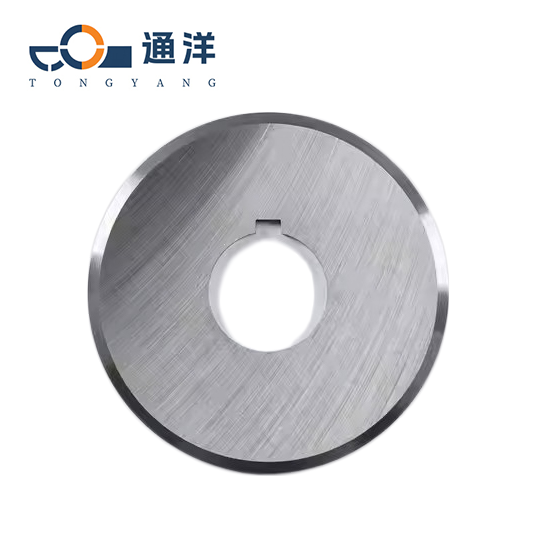
Selecting the appropriate cutting tool for industrial applications can significantly impact productivity, product quality, and operational costs. Among the various cutting instruments available in manufacturing environments, the circular knife stands out as a versatile and efficient solution for numerous material processing tasks. These precision-engineered tools offer superior cutting performance across diverse industries, from rubber and plastic manufacturing to food processing and textile production. Understanding the key factors that influence circular knife selection ensures optimal performance and longevity in your specific cutting application.
Understanding Circular Knife Design and Construction
Material Composition and Steel Grades
The foundation of any high-performance circular knife lies in its material composition. Premium steel grades such as D2, A2, and specialized tool steels provide the necessary hardness and wear resistance required for demanding cutting applications. High-carbon steel variants offer excellent edge retention, while stainless steel compositions provide corrosion resistance in food-grade or humid environments. The steel's grain structure and heat treatment process directly influence the blade's cutting performance and durability.
Advanced metallurgical processes enhance the circular knife's performance characteristics through precise heat treatment cycles. Proper hardening and tempering procedures ensure optimal hardness distribution across the blade, typically ranging from 58-62 HRC for most industrial applications. Surface treatments such as titanium nitride coating or chrome plating can further improve wear resistance and reduce friction during cutting operations.
Geometric Design Considerations
The geometric profile of a circular knife significantly affects its cutting efficiency and application suitability. Blade thickness influences rigidity and cutting precision, with thinner profiles providing cleaner cuts in softer materials while thicker designs offer enhanced durability for heavy-duty applications. Edge geometry, including bevel angles and relief angles, must be optimized for specific material characteristics and cutting requirements.
Diameter selection impacts both cutting speed and material clearance in automated machinery. Larger diameter circular knives maintain consistent cutting performance over extended periods due to their increased circumference, allowing for multiple resharpening cycles. The relationship between blade diameter and rotational speed determines the surface cutting velocity, which directly influences cut quality and tool life.
Material-Specific Selection Criteria
Rubber and Elastomer Processing
Rubber cutting applications require specialized circular knife configurations to address the unique challenges posed by elastic materials. The elasticity of rubber can cause stretching and tearing if an inappropriate blade geometry is used. A sharp blade angle combined with a proper relief angle can prevent material deformation during cutting. For both natural and synthetic rubber compounds, blade surface polishing reduces rubber adhesion.
Temperature considerations play a crucial role in rubber cutting applications, as heat generation can alter material properties and affect cut quality. circular knife designs with enhanced heat dissipation characteristics help maintain consistent cutting temperatures. Blade coatings such as PTFE or specialized low-friction treatments can significantly reduce heat buildup while improving material release properties.
Plastic and Polymer Applications
Different plastic types require tailored circular knife specifications to achieve optimal cutting results. Thermoplastics generally require sharp, thin-edge geometries to prevent melting and material welding at the cut interface. The cutting speed must be carefully controlled to avoid excessive heat generation that could compromise the plastic's structural integrity. Harder plastics such as acrylic or polycarbonate benefit from carbide-tipped circular knives that maintain their sharp edge longer under abrasive conditions.
Fiber-reinforced plastics present additional challenges due to their composite nature, requiring circular knife designs that can efficiently cut both the matrix material and reinforcing fibers without delamination. Diamond-coated or PCD-tipped circular knives excel in these applications, providing superior wear resistance against abrasive fiber reinforcement while maintaining precise cutting geometry.
Performance Optimization Factors
Cutting Speed and Feed Rate Considerations
Optimizing cutting parameters directly influences both cut quality and tool life in circular knife applications. The relationship between rotational speed, feed rate, and material properties determines the chip load per tooth and overall cutting efficiency. Higher cutting speeds generally produce smoother surface finishes but may increase tool wear and heat generation. Proper parameter selection requires balancing productivity requirements with tool longevity considerations.
Material thickness significantly affects the optimal cutting parameters for circular knife operations. Thicker materials typically require slower feed rates to maintain cut quality and prevent tool overload. The cutting force distribution across the blade circumference influences both cutting performance and tool deflection, particularly important in precision applications where dimensional accuracy is critical.
Maintenance and Sharpening Requirements
Proper maintenance protocols extend circular knife service life and ensure consistent cutting performance throughout the tool's operational period. Regular inspection schedules help identify early signs of wear, edge chipping, or geometric changes that could compromise cut quality. Establishing appropriate sharpening intervals based on material type, cutting volume, and performance requirements prevents excessive wear that could necessitate blade replacement.
Professional sharpening services utilize precision grinding equipment to restore optimal edge geometry while maintaining the blade's structural integrity. Proper sharpening techniques preserve the original bevel angles and surface finish characteristics that influence cutting performance. Documentation of sharpening cycles and performance metrics helps establish predictable maintenance schedules and optimize tool replacement timing.
Application-Specific Selection Guidelines
Food Processing Industry Requirements
Food processing applications demand circular knife designs that meet stringent hygiene and safety standards while delivering precise cutting performance. Stainless steel construction ensures corrosion resistance in wet processing environments and facilitates thorough cleaning procedures. FDA-approved materials and surface finishes prevent contamination risks while maintaining the blade's cutting effectiveness over extended service periods.
Blade geometry optimization for food products requires consideration of both cutting performance and product presentation requirements. Clean, precise cuts without material compression or distortion are essential for maintaining product quality and appearance. Special edge treatments and polishing procedures minimize bacterial adhesion sites while preserving the sharp cutting edge necessary for efficient food processing operations.
Textile and Fabric Processing
Textile cutting applications require circular knife designs that accommodate the diverse range of fabric types and constructions encountered in garment and industrial textile manufacturing. Natural fibers such as cotton and wool require different cutting approaches compared to synthetic materials like polyester or nylon. The blade's edge geometry must be optimized to cut cleanly through fabric layers without causing fraying or thread pulling.
Multi-layer cutting operations common in textile manufacturing place additional demands on circular knife performance and durability. The blade must maintain its cutting effectiveness throughout extended cutting cycles while producing consistent results across all fabric layers. Proper blade selection considers both the fabric properties and the production volume requirements to ensure cost-effective operation.
Quality Assessment and Performance Metrics
Cut Quality Evaluation Parameters
Establishing quantitative metrics for evaluating circular knife performance enables objective comparison of different blade options and optimization of cutting parameters. Surface finish measurements using profilometry techniques provide detailed information about cut quality and consistency. Edge straightness and dimensional accuracy assessments ensure that the circular knife meets the precision requirements of the specific application.
Material-specific quality criteria may include parameters such as edge tearing, surface roughness, or dimensional deviation from target specifications. Regular quality monitoring throughout the blade's service life helps identify performance degradation trends and optimize replacement timing. Statistical process control methods can be applied to cutting operations to ensure consistent quality output.
Cost-Effectiveness Analysis
Comprehensive cost analysis extends beyond the initial circular knife purchase price to include operational costs, maintenance requirements, and productivity impacts. Tool life calculations based on actual cutting volume and performance degradation rates provide realistic cost-per-cut metrics for different blade options. Higher initial investment in premium circular knife designs often yields superior long-term cost effectiveness through extended service life and improved cutting performance.
Production efficiency considerations include factors such as cutting speed capabilities, setup time requirements, and maintenance intervals that affect overall operational costs. Automated feeding systems and advanced blade monitoring technologies can further enhance the cost-effectiveness of circular knife operations by optimizing utilization and preventing premature failures.
FAQ
What factors determine the optimal diameter for a circular knife
The optimal diameter depends on several key factors including the material thickness being cut, the available clearance in your machinery, and the required cutting speed. Larger diameter blades provide more cutting edge length, allowing for extended service life between sharpenings, but require more clearance space and may have speed limitations. For materials under 10mm thick, diameters between 80-150mm are typically suitable, while thicker materials may require larger diameters up to 300mm or more.
How often should circular knives be sharpened or replaced
Sharpening frequency varies significantly based on the material being cut, cutting volume, and quality requirements. For rubber applications, circular knives may require sharpening every 8-12 hours of continuous operation, while harder materials like reinforced plastics may necessitate more frequent maintenance. Monitor cut quality indicators such as increased cutting force, rough edges, or dimensional deviation to determine optimal sharpening intervals. Most circular knives can be resharpened 10-15 times before replacement becomes necessary.
What safety considerations are important when selecting circular knives
Safety considerations include proper guarding systems to prevent operator contact with the rotating blade, appropriate blade mounting and balancing to prevent vibration or ejection, and selection of blade materials compatible with your operating environment. Ensure that the maximum rated RPM of the circular knife exceeds your operating speed with adequate safety margin. Regular inspection for cracks, chips, or wear patterns that could lead to blade failure is essential for maintaining safe operation.
Can circular knives be customized for specific applications
Yes, circular knives can be extensively customized to meet specific application requirements. Customization options include specialized steel grades, unique edge geometries, surface coatings, and dimensional specifications tailored to your machinery and material requirements. Many manufacturers offer engineering consultation services to develop optimized circular knife designs for challenging or unique cutting applications. Custom solutions often provide superior performance compared to standard off-the-shelf options for specialized industrial processes.