 EN
EN

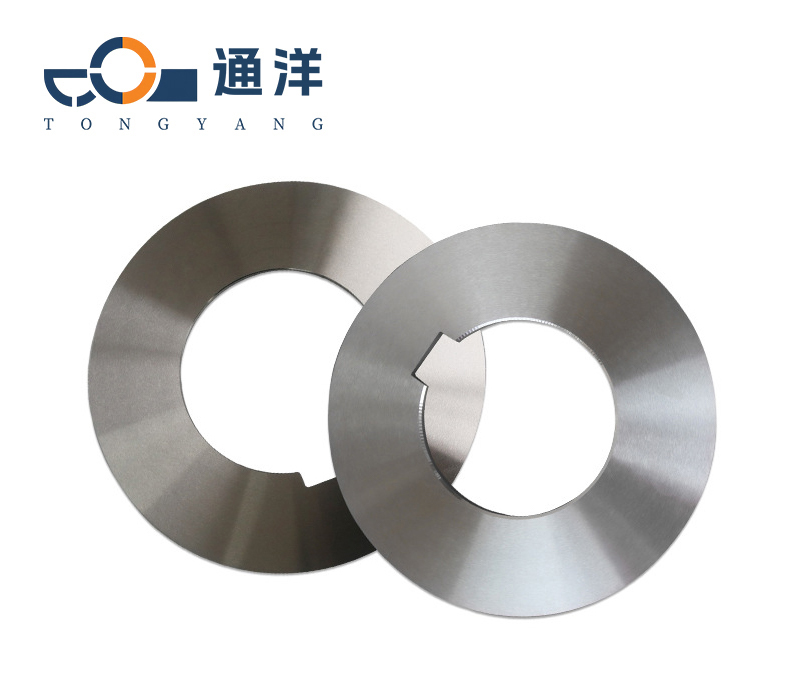
The ability to cut through metal efficiently and precisely has always been a cornerstone of modern manufacturing and fabrication industries. When professionals need to slice through various metal materials, the choice of cutting tool can make the difference between a clean, accurate cut and a damaged workpiece. Understanding the capabilities and limitations of different cutting solutions becomes essential for achieving optimal results in metalworking applications.
Circular blades have evolved significantly over the decades, transitioning from simple wood-cutting tools to sophisticated instruments capable of handling various materials including metals. The engineering behind modern circular cutting implements involves careful consideration of blade geometry, material composition, and edge design. These factors work together to determine whether a particular blade can effectively cut through metal substrates without compromising the integrity of either the cutting tool or the workpiece.
The metallurgy of cutting tools has advanced considerably, allowing manufacturers to develop specialized blades that can tackle challenging materials. High-speed steel, carbide-tipped variants, and diamond-coated options each offer unique advantages when dealing with different types of metals. The selection process requires understanding the specific requirements of the cutting application, including material hardness, thickness, and desired edge quality.
Understanding Metal Cutting Blade Technology
Material Composition and Hardness
The foundation of any effective metal cutting blade lies in its material composition and heat treatment processes. Modern blades designed for metal cutting typically utilize high-speed steel (HSS), carbide, or specialized alloy combinations that can withstand the intense heat and friction generated during cutting operations. These materials undergo precise heat treatment cycles to achieve optimal hardness levels while maintaining sufficient toughness to resist chipping and fracturing.
Hardness ratings measured on the Rockwell scale indicate a blade's ability to maintain its cutting edge under stress. A quality metal cutting blade typically exhibits hardness levels between 60-67 HRC, providing the necessary durability for extended use in demanding applications. The balance between hardness and toughness represents a critical engineering challenge that manufacturers address through advanced metallurgical techniques.
Surface treatments and coatings further enhance blade performance by reducing friction and extending tool life. Titanium nitride, chromium nitride, and diamond-like carbon coatings provide additional protection against wear while improving chip evacuation during cutting operations. These technological advances have significantly expanded the range of materials that circular blades can effectively process.
Blade Geometry and Tooth Configuration
The geometric design of metal cutting inserts directly affects their cutting performance and applicability. The pitch, rake angle, and clearance angle must be optimized for the specific metal being cut. Inserts with fine pitch teeth are best suited for cutting thin materials.
Rake angle optimization affects chip formation and cutting forces. Positive rake angles reduce cutting forces and power requirements but may compromise edge strength. Negative rake angles provide stronger cutting edges but require more power and generate higher cutting temperatures. The selection depends on the specific application requirements and machine capabilities.
Clearance angles prevent the blade from rubbing against the workpiece after the cutting edge passes through the material. Proper clearance reduces heat generation and extends blade life while maintaining cut quality. Modern blade designs often incorporate variable tooth geometries to optimize performance across different cutting conditions.
Types of Metals and Cutting Considerations
Ferrous Metal Cutting Applications
Steel cutting represents one of the most common applications for metal cutting blades in industrial settings. Different steel grades present varying challenges based on their carbon content, alloying elements, and heat treatment conditions. Low-carbon steels generally cut more easily but may produce built-up edge formation, while high-carbon and alloy steels require more robust cutting tools and careful parameter selection.
Stainless steel cutting demands special consideration due to its work-hardening characteristics and thermal properties. The austenitic structure of many stainless steel grades can rapidly work-harden under improper cutting conditions, leading to premature tool wear and poor surface finishes. Specialized blade designs with specific tooth geometries and coatings help address these challenges.
Cast iron cutting applications benefit from blades designed to handle the abrasive nature of this material. The graphite content in cast iron provides some lubrication during cutting but also creates challenges in chip formation and evacuation. Blade designs for cast iron typically feature more aggressive rake angles and larger gullet areas to accommodate the unique chip characteristics.
Non-Ferrous Metal Processing
Aluminum cutting requires careful attention to chip formation and heat management due to the material's tendency to adhere to cutting tools. Specialized aluminum cutting blades feature triple-chip grind patterns and anti-stick coatings to prevent material buildup on the teeth. The high thermal conductivity of aluminum can be advantageous for heat dissipation but also requires proper cutting fluid application.
Copper and brass cutting applications present unique challenges related to the materials' ductility and thermal properties. These materials tend to produce long, stringy chips that can interfere with cutting operations if not properly managed. Blade designs for copper alloys often incorporate sharp rake angles and polished flute surfaces to facilitate chip evacuation.
Titanium and other exotic alloys represent the most challenging metal cutting applications. These materials combine high strength with poor thermal conductivity, leading to rapid heat buildup at the cutting edge. Specialized carbide grades and cutting geometries are essential for successful titanium processing, often requiring significantly reduced cutting speeds and feeds compared to steel cutting operations.
Cutting Parameters and Optimization
Speed and Feed Rate Selection
Optimal cutting speeds for metal cutting operations depend on multiple factors including material properties, blade design, and machine capabilities. Surface speed calculations must account for the blade diameter and desired cutting conditions. Higher speeds generally improve surface finish but may reduce tool life, while lower speeds extend blade life at the expense of productivity.
Feed rates influence chip formation and cutting forces. Excessive feed rates can overload the cutting edge and lead to premature failure, while insufficient feed rates may cause work hardening and poor surface finish. The relationship between speed and feed must be optimized for each specific application to achieve the best balance of productivity and tool life.
Modern CNC systems often incorporate adaptive control features that monitor cutting conditions in real-time and adjust parameters automatically. These systems can detect tool wear, chatter, and other cutting anomalies, making automatic adjustments to maintain optimal cutting conditions throughout the operation.
Cooling and Lubrication Strategies
Effective cooling and lubrication play crucial roles in successful metal cutting operations. Cutting fluids serve multiple functions including heat removal, lubrication, chip evacuation, and corrosion protection. The selection of cutting fluid type depends on the material being cut, environmental considerations, and specific application requirements.
Flood cooling provides excellent heat removal and chip evacuation but may not be suitable for all applications due to environmental or cleanliness concerns. Mist cooling systems offer a compromise between cooling effectiveness and fluid consumption, while dry cutting eliminates fluid-related issues but requires specialized tool designs and may limit cutting parameters.
High-pressure cooling systems can significantly improve tool life and cutting performance by providing enhanced heat removal and chip breaking capabilities. These systems direct coolant precisely at the cutting zone, maximizing cooling effectiveness while minimizing fluid consumption and cleanup requirements.
Blade Selection and Application Guidelines
Matching Blades to Specific Applications
Successful metal cutting operations require careful blade selection based on material properties, thickness, and quality requirements. Thin materials benefit from fine-tooth blades that provide smooth cuts with minimal burr formation. Thick sections may require aggressive tooth designs that prioritize material removal rates over surface finish quality.
Production volume considerations influence blade selection decisions. High-volume operations may justify premium blade designs with extended tool life characteristics, while prototype or low-volume work might use more economical options. The total cost of ownership includes not only initial blade cost but also factors such as tool life, setup time, and quality consistency.
Quality requirements often drive blade selection toward premium options with tighter manufacturing tolerances and superior materials. Critical applications may require blades with certified performance characteristics and traceability documentation. Understanding the relationship between blade quality and finished part quality helps justify appropriate tool investments.
Maintenance and Tool Life Management
Proper blade maintenance significantly extends tool life and maintains cutting performance. Regular inspection procedures should monitor tooth condition, runout, and overall blade integrity. Early detection of wear patterns or damage allows for timely blade replacement before quality issues develop.
Sharpening and reconditioning services can restore blade performance for many applications. Professional resharpening maintains proper tooth geometry and can provide multiple tool life cycles for premium blades. The economics of resharpening depend on blade cost, usage patterns, and quality requirements.
Tool life monitoring systems help optimize blade utilization and predict replacement timing. These systems track cutting time, material processed, and performance metrics to establish reliable tool life expectations. Data-driven tool management reduces unexpected tool failures and improves production planning accuracy.
Safety and Best Practices
Operational Safety Considerations
Metal cutting operations present unique safety challenges that require comprehensive safety protocols and protective equipment. The high-speed rotation of metal cutting blades creates significant kinetic energy that can cause severe injuries if proper precautions are not observed. Personal protective equipment including safety glasses, hearing protection, and appropriate clothing represents the first line of defense against cutting hazards.
Machine guarding and safety systems must be properly maintained and never bypassed during operations. Blade guards, emergency stops, and interlock systems work together to prevent operator contact with moving cutting tools. Regular safety training ensures that operators understand proper procedures and recognize potential hazards before they result in accidents.
Workpiece clamping and support systems require careful attention to prevent movement during cutting operations. Inadequate workpiece support can lead to binding, kickback, or blade breakage. Proper setup procedures and fixture design eliminate these risks while ensuring accurate cuts and optimal surface finishes.
Quality Control and Inspection Procedures
Implementing systematic quality control procedures ensures consistent cutting results and identifies potential issues before they affect production quality. Cut surface inspection should evaluate factors such as surface roughness, dimensional accuracy, and edge condition. These measurements provide feedback on cutting performance and help optimize parameters for specific applications.
Statistical process control techniques can monitor cutting operations and detect trends that indicate tool wear or process drift. Regular measurement of critical dimensions and surface characteristics provides early warning of developing problems. This proactive approach prevents quality issues and reduces scrap rates.
Documentation and traceability systems support quality assurance efforts by maintaining records of cutting parameters, tool usage, and inspection results. This information proves valuable for troubleshooting quality issues and establishing best practices for similar applications. Digital record-keeping systems facilitate data analysis and continuous improvement initiatives.
FAQ
What types of circular blades can effectively cut metal?
Several types of circular blades can cut metal effectively, including carbide-tipped blades, high-speed steel blades, and diamond-coated variants. Carbide-tipped blades offer excellent durability and heat resistance for most metal cutting applications. High-speed steel blades provide good performance for softer metals and general-purpose applications. Diamond-coated blades excel in cutting abrasive materials and maintaining sharp edges for extended periods. The choice depends on the specific metal type, thickness, and required cut quality.
How do cutting speeds affect blade performance when cutting metal?
Cutting speeds significantly impact both tool life and cut quality when working with metals. Higher speeds generally produce better surface finishes but generate more heat, potentially reducing blade life. Lower speeds extend tool life but may result in work hardening of certain materials like stainless steel. The optimal speed depends on the metal type, blade material, and cooling system effectiveness. Most manufacturers provide speed recommendations based on material and blade specifications.
What safety precautions are essential when using metal cutting blades?
Essential safety precautions include wearing appropriate personal protective equipment such as safety glasses, hearing protection, and cut-resistant gloves. Ensure all machine guards are in place and functioning properly. Secure workpieces adequately to prevent movement during cutting. Never attempt to stop a spinning blade by hand or remove cut pieces before the blade completely stops. Regular blade inspection for damage or wear helps prevent unexpected failures that could cause injury.
How can I extend the life of my metal cutting blades?
Blade life can be extended through proper speed and feed selection, adequate cooling and lubrication, and regular maintenance practices. Use cutting parameters recommended by the blade manufacturer for specific materials. Ensure cutting fluids are clean and properly applied to reduce heat and friction. Store blades properly to prevent damage when not in use. Regular cleaning removes built-up material that can affect cutting performance. Consider professional resharpening services for premium blades to restore cutting performance and extend useful life.