 EN
EN


A circular knife is a powerful cutting tool widely used in industrial applications, from textiles and rubber to food processing and paper manufacturing. While the circular knife offers exceptional cutting precision and efficiency, it also presents significant safety risks when handled improperly. Understanding and implementing comprehensive circular knife safety protocols is essential for protecting workers, maintaining operational efficiency, and reducing workplace injuries. This guide explores the most critical safety guidelines that every user must follow to ensure safe and effective circular knife operation.
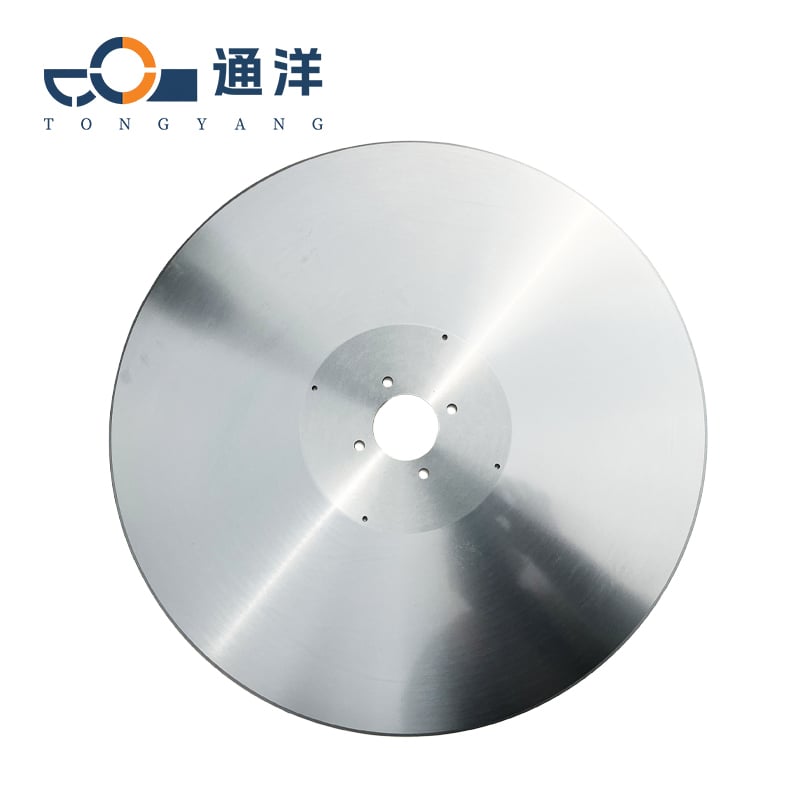
The circular knife represents both opportunity and responsibility in industrial settings. Its rotating blade can process materials with remarkable speed and consistency, yet this same rotational force demands strict adherence to safety practices. Organizations that prioritize circular knife safety reduce accident rates, minimize downtime from injuries, and create a culture of operational excellence. By mastering essential safety guidelines, operators and supervisors can harness the full potential of circular knives while protecting their workforce.
Understanding Circular Knife Hazards and Risk Factors
Primary Hazards Associated with Circular Knife Operation
The circular knife operates through continuous rotational motion that creates multiple hazard categories. Contact hazards represent the most immediate risk, as the sharp blade can cause lacerations, amputations, or deep puncture wounds if skin comes into contact with the rotating surface. The circular knife also generates significant centrifugal force, which means loose clothing, jewelry, or hair can be caught and pulled into the blade without warning. Additionally, circular knife machines often operate at high speeds, making it nearly impossible for operators to react quickly enough to prevent serious injury once contact begins.
Environmental and Operational Risk Factors
Circular knife safety depends not only on the tool itself but also on the surrounding work environment. Poor lighting reduces visibility and increases the likelihood of handling errors near the blade. Inadequate machine guarding fails to contain debris or contain the hazard zone effectively. Fatigue, distraction, or lack of proper training significantly increases the probability of unsafe actions near a circular knife. Additionally, slippery surfaces, cluttered work areas, and unclear emergency procedures compound the risks. Organizations must evaluate all these environmental factors as part of their comprehensive circular knife safety assessment.
Essential Operating Procedures for Circular Knife Safety
Pre-Operation Inspection and Machine Preparation
Before each shift begins, operators must perform a thorough circular knife safety inspection. Check that the blade is sharp, properly aligned, and free from cracks or damage, as worn or damaged blades operate less predictably and require more manual force, increasing accident risk. Verify that all guards, shields, and protective barriers are in place and functioning correctly. Confirm that emergency stop buttons are accessible and working, and test the machine at low speeds to ensure smooth operation. Circular knife maintenance logs should document these inspections, creating accountability and revealing patterns that indicate when blade replacement or equipment servicing is needed.
Safe Handling and Positioning Techniques
Proper operator positioning is fundamental to circular knife safety. Operators should maintain a stable stance with feet positioned away from the blade and body weight balanced. Hands must never be placed directly above or below the blade path, and operators should always use designated feeding mechanisms or push sticks rather than fingers to guide materials toward the circular knife. The circular knife requires operators to maintain focus exclusively on the cutting task without distractions. Remove loose clothing, secure long hair, and take off jewelry before operating a circular knife machine. Establish a clear communication protocol when multiple team members work nearby, ensuring that everyone understands when the circular knife is operational and who controls the machine.
Training, Supervision, and Continuous Improvement in Circular Knife Safety
Comprehensive Training and Certification Programs
Effective circular knife safety begins with thorough, ongoing training. All operators should complete formal training that covers circular knife hazards, emergency procedures, proper maintenance protocols, and hands-on operation techniques. Training programs for circular knife safety should include both initial certification and periodic refresher courses, particularly after equipment changes or when accident rates indicate knowledge gaps. Supervisors and safety coordinators must receive advanced training that equips them to audit circular knife operations, identify hazards, and coach operators toward safer practices. Documentation of training completion creates a clear accountability structure and demonstrates organizational commitment to circular knife safety across all shifts and departments.
Accident Investigation and Continuous Safety Enhancement
When circular knife incidents occur, thorough investigation is critical to preventing similar accidents. Root cause analysis should examine not just the immediate action but the underlying system failures that allowed the incident to happen. Review whether circular knife safety procedures were clearly communicated, whether the operator received adequate training, or whether the work environment contained preventable hazards. Use incident findings to update circular knife safety protocols, modify machine guarding, or enhance training content. Organizations that treat near-misses as learning opportunities strengthen their circular knife safety culture before serious injuries occur. Regular safety audits, operator feedback sessions, and benchmarking against industry standards keep circular knife safety practices current and effective.
FAQ
What personal protective equipment is required when operating a circular knife?
Operators should wear cut-resistant gloves, safety glasses or face shields to protect against flying debris, and steel-toed shoes to protect feet in case of dropped materials. Many facilities require long sleeves made of non-flammable material. The specific personal protective equipment for circular knife operations should be determined based on the particular application, material being cut, and machine specifications. Supervisors must ensure that all required protection is worn consistently and that the circular knife safety policy is enforced without exception.
How often should circular knife blades be replaced for optimal safety?
Blade replacement intervals depend on the material being cut, cutting volume, and blade quality. Dull blades require greater force to cut, increasing operator strain and the risk of slips or loss of control near the circular knife. Most facilities establish replacement schedules based on production cycles or signs of reduced performance. A sharp circular knife blade also produces cleaner cuts with less material waste, improving both safety and product quality. Document blade replacement dates and conditions to establish patterns that guide future maintenance decisions and optimize circular knife safety and performance.
What should operators do if they experience a near-miss incident involving a circular knife?
Near-miss incidents should be reported immediately to supervisors, even if no injury occurred. These events reveal weaknesses in circular knife safety procedures, training, or environmental controls that could lead to serious accidents if not addressed. Organizations should investigate near-misses with the same rigor as actual injuries, implement corrective actions, and communicate lessons learned to all operators. This approach transforms circular knife safety from reactive incident management into proactive risk prevention, protecting the entire workforce while continuously improving operational safety culture and procedures.