 EN
EN

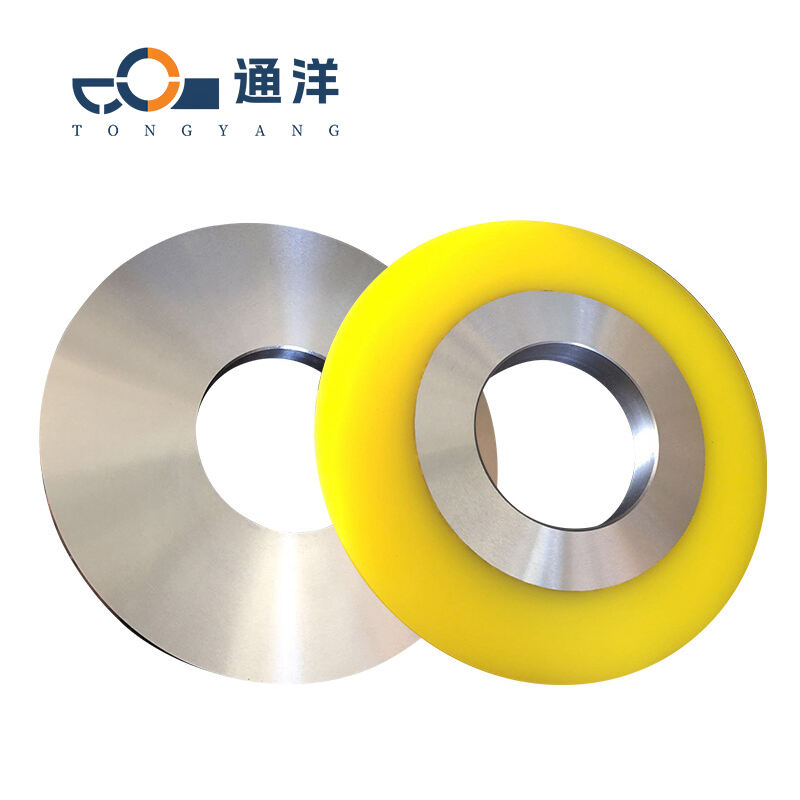
Metal cutting blades are critical components in industrial manufacturing environments, directly influencing productivity, cut quality, and operational safety. Whether deployed in metal slitting machines, shearing operations, or precision cutting applications, these specialized tools demand systematic maintenance protocols to sustain their performance characteristics. Without proper care, even premium-grade metal cutting blade systems experience accelerated wear, dimensional inconsistencies, and premature failure that disrupts production schedules and increases replacement costs. Understanding the fundamental maintenance requirements for these industrial cutting tools enables facility managers and equipment operators to maximize blade lifespan while maintaining consistent cutting precision across extended production cycles.
The maintenance approach for metal cutting blade assemblies extends beyond simple cleaning routines, encompassing inspection protocols, edge preservation techniques, mounting alignment verification, and environmental controls that collectively determine operational outcomes. Manufacturing facilities processing various metal substrates from thin gauge steel to specialty alloys face distinct maintenance challenges based on material hardness, cutting speeds, and production volumes. This comprehensive examination of metal cutting blade maintenance practices provides actionable guidance for establishing preventive maintenance schedules, identifying early wear indicators, and implementing corrective measures that preserve cutting edge geometry and substrate contact integrity throughout the blade's operational lifecycle.
Understanding Metal Cutting Blade Wear Mechanisms
Primary Wear Patterns and Their Causes
Metal cutting blade degradation follows predictable patterns influenced by operational parameters and material interactions. Abrasive wear occurs when harder particles within the substrate material remove microscopic portions of the blade edge through continuous friction contact. This mechanism becomes particularly pronounced when processing materials with embedded oxides, scale formations, or carbide inclusions that exceed the hardness of the blade material itself. Adhesive wear represents another common failure mode where metal substrate particles bond temporarily to the blade surface during cutting operations, then tear away portions of the blade material upon separation. Understanding these fundamental wear mechanisms enables maintenance personnel to correlate observed blade condition with specific operational factors.
Thermal degradation affects metal cutting blade performance when excessive heat generation during cutting operations alters the metallurgical properties of the blade edge. High-speed cutting applications without adequate cooling systems can elevate blade temperatures beyond critical thresholds, causing edge softening, loss of hardness, and accelerated wear rates. Fatigue failures manifest as micro-cracks initiating at stress concentration points along the cutting edge, propagating through repeated loading cycles until catastrophic blade fracture occurs. Monitoring these distinct wear patterns through systematic inspection protocols allows maintenance teams to distinguish between normal operational wear and abnormal degradation requiring immediate corrective action.
Material-Specific Wear Considerations
Different substrate materials impose unique wear challenges on metal cutting blade systems that directly inform maintenance interval requirements. Stainless steel substrates generate higher friction coefficients and cutting temperatures compared to carbon steel equivalents, accelerating thermal wear mechanisms and necessitating more frequent blade inspections. Aluminum alloys, while softer than ferrous materials, tend to adhere to blade surfaces through cold welding phenomena, creating built-up edge formations that compromise cut quality and dimensional accuracy. Titanium and exotic alloy processing presents extreme wear challenges due to the combination of high strength, low thermal conductivity, and chemical reactivity that rapidly degrades conventional blade materials.
The thickness and hardness of processed materials establish baseline wear rate expectations that guide preventive maintenance scheduling. Thin gauge materials below one millimeter thickness typically generate minimal blade wear per linear cutting meter, allowing extended operational periods between maintenance interventions. Heavy gauge materials exceeding six millimeters impose substantially higher cutting forces and edge pressures that compress maintenance intervals and require more aggressive inspection protocols. Coating characteristics on pre-finished materials introduce additional variables, as galvanized, painted, or polymer-coated substrates deposit residual materials onto blade surfaces that accumulate over time and interfere with cutting precision.
Establishing Effective Inspection Protocols
Visual Examination Techniques
Systematic visual inspection represents the foundation of preventive metal cutting blade maintenance, enabling early detection of wear indicators before performance degradation becomes severe. Maintenance personnel should examine blade edges under adequate lighting conditions using magnification tools ranging from simple hand lenses to dedicated microscope systems for detailed edge geometry assessment. Observable wear indicators include edge rounding where the initially sharp cutting edge develops a visible radius, chipping patterns showing discrete material loss along the edge, and microcracking visible as fine linear defects perpendicular to the cutting edge. Documenting these observations through standardized inspection checklists creates historical wear data that informs future maintenance scheduling decisions.
Surface condition assessment extends beyond the cutting edge itself to evaluate the broader blade body for stress indicators and material accumulation. Discoloration patterns along the blade surface reveal thermal exposure history, with straw, blue, or black oxide formations indicating progressively higher temperature exposure during cutting operations. Material buildup on blade faces appears as adhered substrate particles, cutting fluid residues, or oxidation products that interfere with smooth material flow across the blade surface. Scratch patterns, scoring marks, and contact witness marks provide forensic evidence of alignment issues, material handling problems, or foreign object contact that requires immediate correction to prevent accelerated blade deterioration.
Dimensional Measurement Procedures
Quantitative dimensional assessment provides objective metal cutting blade condition data that complements subjective visual observations. Edge radius measurement using specialized radius gauges or optical measurement systems quantifies the degree of edge rounding, establishing clear replacement criteria based on measured values rather than subjective judgment. Blade thickness measurements at standardized locations along the blade length detect non-uniform wear patterns indicating alignment problems, uneven load distribution, or localized hot spots requiring equipment adjustment. Width dimension verification ensures the metal cutting blade maintains specified tolerances critical for precision slitting applications where dimensional consistency directly impacts product quality specifications.
Flatness assessment using precision straightedges and feeler gauges identifies blade distortion resulting from thermal cycling, mounting stress, or material defects. Deviations from specified flatness tolerances compromise cutting accuracy and generate non-uniform edge contact pressure distributions that accelerate localized wear. Surface roughness measurement on blade faces quantifies the degradation of original surface finish, with increasing roughness values correlating to greater material adhesion tendencies and higher friction coefficients. Establishing baseline dimensional data during initial blade installation creates reference values for quantifying wear progression throughout the operational lifecycle, enabling data-driven maintenance decisions based on measured condition rather than arbitrary time intervals.
Implementing Cleaning and Edge Preservation Techniques
Effective Cleaning Methodologies
Proper cleaning procedures remove accumulated contaminants from metal cutting blade surfaces without introducing damage to the cutting edge or blade body. Solvent-based cleaning using appropriate industrial degreasers dissolves cutting fluid residues, adhesive materials, and organic contaminants that accumulate during normal operations. Application methods range from spray bottle application for light contamination to ultrasonic cleaning tanks for heavily soiled blades requiring deep cleaning without mechanical scrubbing that could damage edge geometry. Cleaning solution selection must consider blade material compatibility, avoiding acidic or alkaline formulations that chemically attack blade substrates or protective coatings.
Mechanical cleaning techniques address stubborn material buildup and oxidation products resistant to chemical dissolution. Non-abrasive cleaning pads manufactured from soft materials prevent scratching of precision ground blade surfaces while effectively removing adhered particles. Specialized brass or nylon brushes provide mechanical cleaning action for textured blade surfaces without introducing ferrous contamination that could compromise stainless steel blade corrosion resistance. High-pressure air application following wet cleaning removes residual solvents and moisture from blade surfaces, preventing flash corrosion formation on freshly cleaned metal cutting blade assemblies. Documentation of cleaning frequency and methods employed establishes accountability and enables correlation between maintenance practices and observed blade performance.
Edge Protection Strategies
Preserving metal cutting blade edge geometry during storage, handling, and machine downtime requires deliberate protective measures. Edge guards manufactured from wood, plastic, or specialized protective materials shield cutting edges from accidental impact, contact with hard surfaces, or collision with adjacent blades during storage. These protective devices must remain in place during all handling operations until immediately before blade installation, with standardized procedures ensuring consistent edge protection across all maintenance activities. Storage racks designed specifically for blade geometry prevent edge contact with supporting structures while maintaining proper blade orientation to avoid distortion from improper support.
Corrosion prevention becomes critical for metal cutting blade assemblies exposed to humid environments or extended storage periods between usage cycles. Application of temporary corrosion inhibitors provides surface protection without leaving residues that interfere with subsequent cutting operations. Vapor phase corrosion inhibitor packaging materials create protective atmospheres within sealed containers, particularly valuable for long-term blade storage or shipment to humid climates. Climate-controlled storage environments maintaining specified temperature and humidity ranges represent optimal preservation conditions, though practical facility limitations often necessitate supplementary protective measures. Regular inspection of stored blade inventory ensures prompt detection of corrosion initiation, enabling corrective action before surface degradation compromises blade functionality.
Optimizing Mounting and Alignment Procedures
Precision Installation Requirements
Correct metal cutting blade mounting procedures directly influence operational performance and wear rate characteristics. Mounting surface preparation begins with thorough cleaning of blade holder interfaces, removing residual cutting fluids, metal particles, and oxidation products that prevent full contact between blade and mounting surfaces. Flatness verification of mounting interfaces using precision straightedges ensures uniform clamping pressure distribution across the blade mounting area, preventing localized stress concentrations that induce blade distortion or premature cracking. Torque specifications for mounting hardware must be strictly observed using calibrated torque wrenches, as insufficient clamping force allows blade movement during cutting operations while excessive torque generates mounting stress that reduces blade fatigue life.
Alignment verification procedures confirm proper metal cutting blade positioning relative to material feed paths and adjacent cutting elements. Clearance measurements between blade edges and guiding components prevent interference contact that generates edge damage and dimensional inconsistencies in cut products. Parallelism checks between multiple blade positions in gang slitting configurations ensure uniform engagement with substrate materials, distributing cutting loads evenly across all blade positions. Angular orientation verification confirms proper blade rake angles optimized for specific substrate materials and cutting conditions, as deviation from specified angles alters cutting forces and wear patterns. Documentation of alignment measurements during initial installation creates baseline references for detecting subsequent misalignment development requiring corrective adjustment.
Dynamic Balance Considerations
Rotary metal cutting blade applications require attention to dynamic balance characteristics that influence vibration levels and cutting precision. Mass distribution asymmetries within blade assemblies generate centrifugal forces during rotation that manifest as vibration, noise, and accelerated bearing wear in supporting equipment. Balance verification procedures using specialized equipment identify heavy spots requiring material removal or counterweight addition to achieve acceptable balance classifications. Precision grinding operations that modify blade geometry must include subsequent balance verification, as even minor material removal can shift the center of gravity sufficiently to create unacceptable imbalance conditions.
Mounting hardware configuration affects overall assembly balance characteristics in rotary metal cutting blade systems. Symmetrical fastener patterns and uniform hardware specifications minimize balance disturbances, while mismatched components introduce imbalance forces proportional to the mass differential and radial distance from the rotation axis. Regular balance verification throughout the blade operational lifecycle detects wear-induced changes or contamination accumulation that degrades initial balance conditions, enabling proactive corrective measures before vibration levels compromise cut quality or equipment integrity. Facilities processing materials at high linear speeds should implement more stringent balance specifications and frequent verification intervals compared to low-speed applications where dynamic forces remain minimal.
Establishing Preventive Maintenance Schedules
Time-Based Maintenance Intervals
Structured preventive maintenance schedules for metal cutting blade systems balance operational availability requirements against wear progression characteristics. Initial scheduling frameworks typically establish inspection intervals based on calendar time periods such as weekly, monthly, or quarterly frequencies depending on production intensity and substrate characteristics. High-volume operations processing abrasive materials necessitate compressed inspection intervals to detect accelerated wear before critical thresholds, while intermittent operations cutting softer substrates may extend inspection frequencies without compromising blade integrity. Maintenance planners must recognize that calendar-based scheduling provides only approximate guidance, requiring adjustment based on actual observed wear rates and operational experience accumulated over multiple blade lifecycles.
Seasonal variations in production schedules and environmental conditions influence optimal maintenance timing for metal cutting blade assemblies. Extended shutdown periods during reduced demand seasons provide ideal opportunities for comprehensive blade inspection, refurbishment, or replacement activities without production impact. Environmental factors including humidity fluctuations and temperature extremes affect corrosion rates and thermal expansion characteristics, potentially requiring seasonal adjustment of maintenance intervals to address accelerated degradation during adverse conditions. Integration of blade maintenance activities with broader equipment overhaul schedules maximizes maintenance efficiency by consolidating related tasks requiring similar access, specialized tools, or qualified personnel.
Condition-Based Monitoring Approaches
Advanced maintenance strategies transition from fixed time intervals to condition-based monitoring that triggers maintenance activities based on measured blade performance indicators. Linear cutting distance tracking provides more accurate wear correlation than calendar time, particularly for operations with variable production schedules where blade usage intensity fluctuates significantly. Electronic counters integrated with production equipment automatically accumulate total cutting length, enabling maintenance scheduling based on predetermined distance thresholds calibrated to observed wear rates. This approach optimizes blade utilization by extending service intervals during periods of light contamination or ideal cutting conditions while shortening intervals when processing challenging materials.
Real-time condition monitoring systems employ sensors measuring parameters including cutting force, vibration amplitude, temperature, and acoustic emissions that correlate with metal cutting blade wear state. Trend analysis of these monitored parameters detects gradual degradation patterns indicating progressive wear development, while sudden parameter changes identify acute problems requiring immediate investigation. Threshold alarm configurations alert operators when monitored values exceed acceptable ranges, triggering inspection protocols before wear progression causes catastrophic blade failure or product quality defects. Implementation of condition-based monitoring requires initial investment in sensing equipment and data analysis infrastructure, but delivers substantial returns through reduced unplanned downtime, optimized blade replacement timing, and extended overall blade fleet productivity.
FAQ
How often should metal cutting blades be inspected in high-volume production environments?
High-volume production environments processing abrasive materials typically require metal cutting blade inspection every 8 to 24 operating hours, depending on substrate characteristics and cutting speeds. Facilities should establish baseline inspection frequencies based on manufacturer recommendations, then adjust intervals based on observed wear rates documented through systematic inspection records. Operations cutting stainless steel, titanium, or coated materials necessitate more frequent inspections compared to carbon steel applications due to accelerated wear mechanisms. Implementing daily pre-shift visual inspections supplemented by weekly detailed examinations provides balanced monitoring without excessive production interruption.
What are the most critical measurements to track during metal cutting blade maintenance?
Edge radius measurement represents the single most critical dimensional parameter correlating directly with cutting performance and product quality. Facilities should establish maximum acceptable edge radius values based on substrate thickness and quality requirements, typically ranging from 0.05mm to 0.15mm for precision applications. Blade thickness measurements at multiple locations detect non-uniform wear patterns indicating alignment problems requiring correction. Surface roughness on blade faces quantifies adhesion tendency changes over the operational lifecycle. Documenting these measurements creates historical wear profiles enabling predictive maintenance scheduling and early detection of abnormal wear acceleration.
Can worn metal cutting blades be refurbished rather than replaced?
Many metal cutting blade types support professional refurbishment through precision grinding operations that restore original edge geometry and surface finish specifications. Refurbishment viability depends on remaining blade body thickness, absence of structural damage including cracks or deformation, and economic comparison between refurbishment cost and new blade replacement. Specialized grinding service providers evaluate blade condition and determine whether adequate material remains for effective edge restoration. Typical blades support three to five refurbishment cycles before cumulative material removal exhausts serviceable thickness, though exact refurbishment potential varies by initial blade dimensions and wear severity. Facilities should establish relationships with qualified refurbishment vendors and implement tracking systems monitoring cumulative refurbishment history for each blade serial number.
What role does cutting fluid selection play in metal cutting blade maintenance?
Cutting fluid selection significantly impacts metal cutting blade wear rates, edge preservation, and maintenance interval requirements. Proper lubricant formulations reduce friction coefficients between blade and substrate, minimizing heat generation and adhesive wear mechanisms that accelerate edge degradation. Cooling properties maintain blade temperatures below critical thresholds preventing thermal softening and metallurgical property changes. Corrosion inhibitors within cutting fluid formulations protect blade surfaces during operational pauses and between maintenance cycles. Facilities should select cutting fluids specifically formulated for their substrate materials and cutting applications, maintain proper fluid concentration through regular monitoring, and implement filtration systems removing contamination that reduces fluid effectiveness and introduces abrasive particles accelerating blade wear.
Table of Contents
- Understanding Metal Cutting Blade Wear Mechanisms
- Establishing Effective Inspection Protocols
- Implementing Cleaning and Edge Preservation Techniques
- Optimizing Mounting and Alignment Procedures
- Establishing Preventive Maintenance Schedules
-
FAQ
- How often should metal cutting blades be inspected in high-volume production environments?
- What are the most critical measurements to track during metal cutting blade maintenance?
- Can worn metal cutting blades be refurbished rather than replaced?
- What role does cutting fluid selection play in metal cutting blade maintenance?