 EN
EN

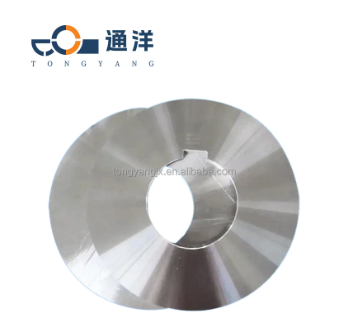
Proper maintenance of your leather cutting blade directly determines the quality of your cuts, the longevity of your equipment, and the efficiency of your production workflow. Whether you operate a small leather workshop or manage a large-scale manufacturing facility, understanding how to care for your leather cutting blade is fundamental to achieving consistent precision and minimizing costly downtime. The blade serves as the critical interface between your machinery and the material, and neglecting its upkeep results in ragged edges, increased material waste, and premature tool replacement that strains operational budgets.
This comprehensive guide delivers actionable maintenance strategies specifically tailored to the unique demands of leather processing environments. You will learn systematic inspection protocols, cleaning techniques that preserve blade geometry, sharpening methods that restore optimal cutting performance, and storage practices that prevent corrosion and edge degradation. By implementing these essential tips, you protect your investment while ensuring every cut through leather remains clean, accurate, and efficient throughout the blade's extended service life.
Understanding Blade Wear Patterns in Leather Cutting Applications
Common Degradation Mechanisms Affecting Leather Cutting Blades
The leather cutting blade experiences distinct wear patterns that differ significantly from blades used in textile or paper applications due to leather's dense fibrous structure and variable thickness. Abrasive wear occurs as microscopic leather fibers containing natural tannins and processing chemicals gradually erode the blade edge, creating microscopic grooves along the cutting surface. This type of degradation accelerates when cutting chrome-tanned or vegetable-tanned leathers with higher mineral content, causing the initially sharp edge to develop a rounded profile that requires increased cutting force and produces frayed cut edges.
Edge chipping represents another critical wear mechanism, particularly when the leather cutting blade encounters inconsistent material density or hidden imperfections within the hide. Full-grain leather often contains areas of varying hardness due to natural scarring or grain structure differences, and these density variations create localized stress concentrations that chip small fragments from the blade edge. Additionally, adhesive wear manifests when leather oils and finishing compounds accumulate on the blade surface, creating a sticky residue layer that interferes with smooth material separation and generates heat through increased friction during the cutting stroke.
Visual Inspection Techniques for Early Wear Detection
Implementing systematic visual inspection protocols enables early detection of blade deterioration before it compromises cut quality or damages expensive leather materials. Under magnification between ten and twenty times, examine the entire cutting edge for irregularities such as microchips, edge rollover, or inconsistent bevel angles that indicate localized wear concentration. Pay particular attention to sections of the leather cutting blade that contact high-friction areas during operation, as these zones typically show accelerated degradation compared to less-stressed portions of the edge.
Establish a regular inspection schedule based on cutting volume rather than arbitrary time intervals, checking blade condition after processing approximately five hundred linear meters of leather material in continuous production environments. Document your findings using standardized wear classification criteria, noting the progression from minor edge dulling through moderate rounding to severe degradation requiring immediate blade replacement. This documentation creates valuable baseline data that helps predict blade lifespan under specific operating conditions and informs procurement planning for replacement inventory management.
Performance Indicators Signaling Maintenance Requirements
Beyond visual inspection, monitor specific performance indicators that provide early warning of declining blade condition before visible wear becomes apparent. Increased cutting force requirements represent the most reliable indicator, manifesting as greater machine load, elevated motor current draw, or operator reports of harder manual cutting when using handheld leather cutting blade tools. When a blade that previously sliced through three-millimeter leather with minimal resistance suddenly requires noticeably more pressure, edge dulling has progressed to a point requiring immediate maintenance intervention.
Cut quality deterioration provides another crucial performance signal, appearing as fuzzy edge conditions, incomplete separation requiring secondary trimming operations, or inconsistent cut depth across the material width. Temperature increases along the blade edge during cutting operations indicate excessive friction from dulled geometry, with the blade generating heat rather than efficiently separating leather fibers. These elevated temperatures not only accelerate further blade degradation but also risk scorching or discoloring premium leather materials, creating costly quality defects that compromise finished product value.
Establishing Effective Cleaning Protocols for Blade Preservation
Immediate Post-Use Cleaning Procedures
Implementing consistent cleaning immediately after each production run prevents the accumulation of leather residues that harden into stubborn deposits requiring aggressive removal methods. Begin by carefully removing loose leather particles and dust using compressed air directed parallel to the blade edge rather than perpendicular, which could drive debris into the blade mounting mechanism or bend delicate edge geometry. For manual leather cutting blade applications, use a soft-bristle brush specifically designated for blade cleaning to sweep away accumulated fibers without applying lateral pressure that might deform the cutting edge.
Follow mechanical debris removal with solvent-based cleaning using isopropyl alcohol or specialized blade cleaning solutions formulated to dissolve leather oils, tanning residues, and finishing compounds without attacking blade substrate materials. Apply the cleaning solution using lint-free cloths or precision applicators, wiping along the blade length from the spine toward the edge in consistent directional strokes. This technique prevents solvent and dissolved contaminants from pooling along the cutting edge where they could create corrosive microenvironments that accelerate degradation during storage periods between uses.
Deep Cleaning Techniques for Stubborn Residue Removal
When regular cleaning proves insufficient to remove hardened deposits or oxidized residue layers, employ specialized deep cleaning techniques that restore blade surface cleanliness without damaging edge geometry. Ultrasonic cleaning systems operating at frequencies between thirty-five and forty-five kilohertz provide effective non-contact cleaning for leather cutting blade components, using cavitation bubbles to dislodge microscopic contaminants from surface irregularities and micro-recesses. Prepare the ultrasonic cleaning bath using dedicated blade cleaning solutions rather than generic degreasers, maintaining solution temperature between forty and fifty degrees Celsius for optimal cleaning efficiency.
For blades with particularly stubborn tanning compound buildup, consider enzymatic cleaning solutions specifically formulated to break down protein-based residues common in leather processing environments. These specialized cleaners work through biochemical action rather than mechanical abrasion, dissolving organic deposits while leaving metallic blade substrates unaffected. Apply enzymatic cleaners according to manufacturer specifications regarding concentration, contact time, and temperature parameters, then thoroughly rinse with clean water followed by complete drying to prevent water spotting or oxidation initiation on exposed metal surfaces.
Drying and Corrosion Prevention After Cleaning
Proper drying procedures following cleaning operations are absolutely critical for preventing corrosion that rapidly degrades leather cutting blade performance and necessitates premature replacement. Never allow cleaned blades to air dry naturally, as this permits water spotting and initiates oxidation processes especially in humid workshop environments typical of leather processing facilities. Instead, immediately dry all blade surfaces using clean compressed air followed by thorough wiping with absorbent, lint-free cloths that remove all visible moisture from both the cutting edge and the blade body.
After complete moisture removal, apply a thin protective coating of corrosion-inhibiting oil or specialized blade preservative to all metal surfaces, paying particular attention to the cutting edge where microscopic moisture retention poses the greatest corrosion risk. Select preservation products specifically formulated for cutting tool applications rather than general-purpose lubricants, as these specialized formulations provide corrosion protection without leaving heavy residue films that attract dust accumulation or interfere with cutting performance during subsequent use. Distribute the protective coating evenly using precision applicators or clean cloths, ensuring complete coverage while avoiding excessive buildup that creates sticky surfaces or drips during storage.
Implementing Systematic Sharpening and Edge Restoration
Determining Optimal Sharpening Intervals
Establishing appropriate sharpening intervals for your leather cutting blade balances the competing objectives of maintaining optimal cutting performance against minimizing material removal that shortens overall blade lifespan. Rather than following fixed calendar-based schedules, monitor actual cutting performance and material throughput to determine when sharpening becomes necessary. Industrial operations processing uniform leather types typically achieve consistent results by scheduling sharpening after processing between eight hundred and twelve hundred square meters of material, though this interval varies significantly based on leather thickness, density, and tanning methods.
Implement a three-tier sharpening strategy that recognizes different degrees of edge restoration requirements based on blade condition assessment. Light touch-up sharpening performed after modest edge dulling removes minimal material while restoring sharpness, extending the interval before more aggressive sharpening becomes necessary. Medium sharpening addresses moderate wear and minor edge irregularities, removing slightly more material to reestablish proper bevel geometry. Heavy sharpening or complete edge regrinding becomes necessary only when the blade exhibits significant damage, edge chipping, or severe dulling that cannot be corrected through lighter intervention methods.
Professional Sharpening Methods for Precision Edge Geometry
Professional sharpening services provide the highest quality edge restoration for leather cutting blade applications requiring precise bevel angles and consistent edge geometry across the entire blade length. These specialized facilities employ computer-controlled grinding equipment that maintains exact angular specifications while removing minimal material, extending blade service life compared to manual sharpening methods that often remove excessive substrate. When selecting a sharpening service provider, verify their experience specifically with leather industry cutting tools rather than general knife sharpening, as leather applications demand different edge geometries compared to culinary or woodworking blades.
Communicate detailed specifications to your sharpening service regarding required bevel angles, edge finish characteristics, and any special geometry requirements based on your specific leather types and cutting equipment. Typical leather cutting blade applications perform optimally with bevel angles between twenty and twenty-five degrees, though thicker vegetable-tanned leathers may benefit from slightly more acute angles around eighteen degrees for improved penetration. Request documentation of the sharpening process including pre-service and post-service measurements, abrasive specifications used, and any notable blade condition observations that inform future maintenance planning.
In-House Sharpening Capabilities and Equipment
Developing in-house sharpening capabilities provides operational flexibility and faster turnaround times compared to outsourcing, though requires investment in appropriate equipment and operator training. Belt grinder systems with variable speed control and precision angle guides offer excellent results for leather cutting blade sharpening when operated by trained personnel following established protocols. Select grinder belts with aluminum oxide or ceramic abrasives in progressive grits ranging from coarse one hundred twenty grit for major material removal through fine four hundred grit for final edge refinement and polishing.
Establish standardized sharpening procedures that ensure consistency regardless of which operator performs the work, documenting specific parameters including belt speed, grinding angle, number of passes per grit progression, and cooling intervals to prevent heat buildup that could alter blade temper. Train sharpening operators to recognize proper edge geometry through both visual inspection and tactile assessment, developing the skill to detect subtle variations in bevel angle or edge straightness that impact cutting performance. Implement quality control measures including test cuts on scrap leather material after each sharpening session, verifying that restored blades meet performance standards before returning them to production service.
Optimizing Storage Conditions and Handling Practices
Environmental Controls for Blade Storage Areas
Proper environmental conditions in blade storage areas significantly influence the rate of corrosion development and edge degradation during periods between active use. Maintain storage environment relative humidity below fifty percent through dehumidification systems or desiccant materials, as higher moisture levels accelerate oxidation processes that form rust and pitting on exposed blade surfaces. Temperature stability proves equally important, with storage areas benefiting from consistent temperatures between fifteen and twenty-five degrees Celsius that minimize condensation formation during thermal cycling periods common in workshops with variable heating schedules.
Avoid storing leather cutting blade inventory in areas exposed to corrosive atmospheric contaminants including ammonia from leather processing chemicals, sulfur compounds from certain tanning operations, or chloride-containing cleaning agents used in facility maintenance. These airborne chemicals create aggressive corrosive environments that attack blade materials even when protective oil coatings are applied, causing accelerated degradation that shortens usable blade lifespan. Designate dedicated blade storage cabinets or areas physically separated from active processing zones, ensuring adequate ventilation that prevents contaminant accumulation while maintaining the controlled humidity levels essential for corrosion prevention.
Physical Protection and Organization Systems
Implement physical protection measures that prevent mechanical damage to blade edges during storage and retrieval operations, recognizing that even minor edge impacts can create chips or deformations requiring extensive sharpening to correct. Individual blade guards constructed from rigid plastic or formed leather provide excellent edge protection while allowing easy identification and selection of specific blade types within organized storage systems. For facilities maintaining multiple leather cutting blade profiles or sizes, color-coded guard systems enable quick visual identification that reduces handling time and minimizes the risk of installing incorrect blade types in cutting equipment.
Organize blade storage using vertical rack systems that support blades by their spine rather than horizontal stacking arrangements that place weight on cutting edges or risk blades sliding against each other during retrieval. Vertical orientation also facilitates better air circulation around stored blades, promoting even drying after cleaning and reducing localized moisture accumulation that initiates corrosion. Label each storage position with blade specifications including dimensions, edge geometry, intended application, and maintenance history data, creating a comprehensive inventory management system that tracks blade rotation, usage patterns, and replacement schedules.
Safe Handling Procedures to Prevent Damage and Injury
Establish and enforce strict handling protocols that protect both personnel safety and blade condition during installation, removal, and maintenance operations. Require cut-resistant gloves rated for appropriate protection levels whenever handling leather cutting blade components, selecting glove materials that provide adequate dexterity for precision work while preventing laceration injuries from accidental edge contact. Designate specific work surfaces with protective coverings for blade handling activities, using materials like dense rubber matting or thick leather pads that cushion blades if dropped while preventing edge damage from contact with hard work surfaces.
Train all personnel who handle blades in proper grip techniques that maintain control while keeping fingers away from cutting edges, emphasizing the importance of deliberate, unhurried movements rather than rushed handling that increases accident risk. Implement tool-based blade manipulation procedures for installation and removal operations whenever possible, using specialized wrenches, holders, or fixtures that eliminate the need for direct hand contact with sharp edges. Document all handling incidents including near-misses and minor cuts in safety logs, analyzing patterns to identify procedural gaps or training deficiencies that require corrective action to prevent more serious injuries.
Troubleshooting Common Blade Performance Issues
Addressing Premature Dulling and Excessive Wear
When your leather cutting blade dulls significantly faster than expected based on typical usage patterns, systematic troubleshooting identifies root causes enabling corrective action. Examine the leather materials being processed for abrasive contaminants including embedded sand, metal particles from processing equipment, or excessive mineral content from certain tanning processes that accelerate blade wear. Request material certificates from leather suppliers documenting processing methods and chemical treatments, comparing specifications against known factors that influence blade longevity to identify problematic material batches.
Evaluate cutting equipment alignment and blade mounting tension, as improper machine setup creates uneven loading that concentrates wear in specific blade sections rather than distributing stress evenly across the entire edge. Misaligned cutting heads cause the blade to contact leather at inconsistent angles, generating localized heating and accelerated wear in high-stress zones. Similarly, insufficient blade mounting tension allows vibration and chatter during cutting operations, creating microscopic edge damage that rapidly progresses to visible dulling requiring frequent sharpening intervention.
Resolving Edge Chipping and Breakage Problems
Edge chipping on leather cutting blade tools typically results from impact loading rather than gradual wear, requiring investigation of cutting process dynamics and material handling procedures. Examine leather feeding mechanisms for irregular material presentation that causes the blade to strike leather edges at acute angles or encounter sudden thickness variations without gradual engagement. Implement material inspection protocols that identify and remove leather pieces containing hard inclusions like embedded metal fragments, plastic tags, or calcified tissue areas before they reach cutting equipment and damage blade edges.
Assess blade material selection appropriateness for your specific application requirements, as certain blade steel compositions prove more susceptible to chipping than others when processing particular leather types. High-hardness blade materials offer excellent edge retention but sacrifice toughness, making them vulnerable to chipping when cutting thick, dense leather or materials with variable hardness characteristics. Consider transitioning to blade materials with improved impact resistance if chipping occurs despite optimal cutting conditions and proper material handling, accepting slightly reduced edge retention in exchange for greater resistance to catastrophic edge failure.
Correcting Inconsistent Cut Quality Across Blade Length
When cut quality varies along the leather cutting blade length, with some sections producing clean cuts while others generate ragged edges or incomplete separation, the issue typically stems from non-uniform blade condition or equipment setup problems. Perform detailed edge inspection across the entire blade length using consistent magnification and lighting, mapping areas of varying sharpness, edge geometry deviations, or localized damage that correlate with observed cut quality variations. This mapping exercise often reveals that specific blade sections contact high-wear areas of backing rolls, pressure plates, or material guides that accelerate localized dulling.
Verify cutting equipment parallelism between the blade edge and material support surfaces, using precision measurement tools to detect minute angular deviations that cause uneven blade engagement across the cutting width. Even variations as small as zero-point-one millimeters can create noticeable cut quality differences, with tighter blade-to-material gaps producing cleaner cuts compared to sections with excessive clearance. Adjust equipment geometry to achieve uniform gap spacing within manufacturer specifications, then perform test cuts to verify that quality consistency improves across the entire blade length before resuming production operations.
FAQ
How often should I sharpen my leather cutting blade in a production environment?
Sharpening frequency depends primarily on material throughput volume and leather characteristics rather than fixed time intervals. Most industrial operations processing standard leather types achieve optimal results by sharpening after cutting approximately eight hundred to twelve hundred square meters of material. However, thicker vegetable-tanned leathers or materials with high mineral content may require sharpening at shorter intervals around five hundred to six hundred square meters. Monitor cut quality indicators including edge cleanliness, required cutting force, and finished edge appearance to determine when your specific application requires sharpening intervention, documenting intervals to establish predictable maintenance schedules.
What cleaning solutions work best for removing leather residues from blade surfaces?
Isopropyl alcohol in concentrations between seventy and ninety percent effectively dissolves most leather oils, tanning residues, and finishing compounds without damaging blade materials or leaving problematic residue films. For stubborn deposits, specialized blade cleaning solutions formulated for leather industry applications provide superior performance compared to general-purpose degreasers. Avoid using water-based cleaners without proper corrosion inhibitors, as residual moisture initiates oxidation that degrades blade surfaces. After cleaning with any solution, thoroughly dry all blade surfaces and apply protective oil coating to prevent corrosion during storage periods.
Can I extend blade life by adjusting cutting equipment settings?
Optimizing cutting equipment parameters significantly extends leather cutting blade service life by reducing unnecessary stress and wear. Ensure proper blade-to-backing clearance according to manufacturer specifications, as excessive gaps increase cutting force requirements while insufficient clearance causes blade binding and accelerated dulling. Verify cutting speed settings match leather thickness and density characteristics, recognizing that excessive speed generates heat that degrades blade edges while insufficient speed increases dwell time and friction wear. Maintain sharp, properly aligned backup components including pressure rollers and material guides, as worn backup equipment transfers additional stress to the blade that shortens its effective lifespan.
What storage conditions prevent corrosion on idle leather cutting blades?
Store blades in environments with relative humidity below fifty percent and stable temperatures between fifteen and twenty-five degrees Celsius to minimize corrosion development. Apply thin protective oil coatings to all blade surfaces after cleaning and drying, using specialized blade preservatives rather than heavy lubricants that attract dust accumulation. Store blades in individual protective guards within designated cabinets physically separated from corrosive atmospheric contaminants common in leather processing areas. Implement regular inspection schedules for stored blade inventory, checking for early corrosion signs and reapplying protective coatings every three to six months depending on storage environment conditions.
Table of Contents
- Understanding Blade Wear Patterns in Leather Cutting Applications
- Establishing Effective Cleaning Protocols for Blade Preservation
- Implementing Systematic Sharpening and Edge Restoration
- Optimizing Storage Conditions and Handling Practices
- Troubleshooting Common Blade Performance Issues
-
FAQ
- How often should I sharpen my leather cutting blade in a production environment?
- What cleaning solutions work best for removing leather residues from blade surfaces?
- Can I extend blade life by adjusting cutting equipment settings?
- What storage conditions prevent corrosion on idle leather cutting blades?