Premium Slitting Machine Blades - Precision Cutting Solutions for Industrial Applications

All Categories

Get a Free Quote

Our representative will contact you soon.
Email
WhatsApp
Name
Company Name
Message
0/1000

slitting machine blades

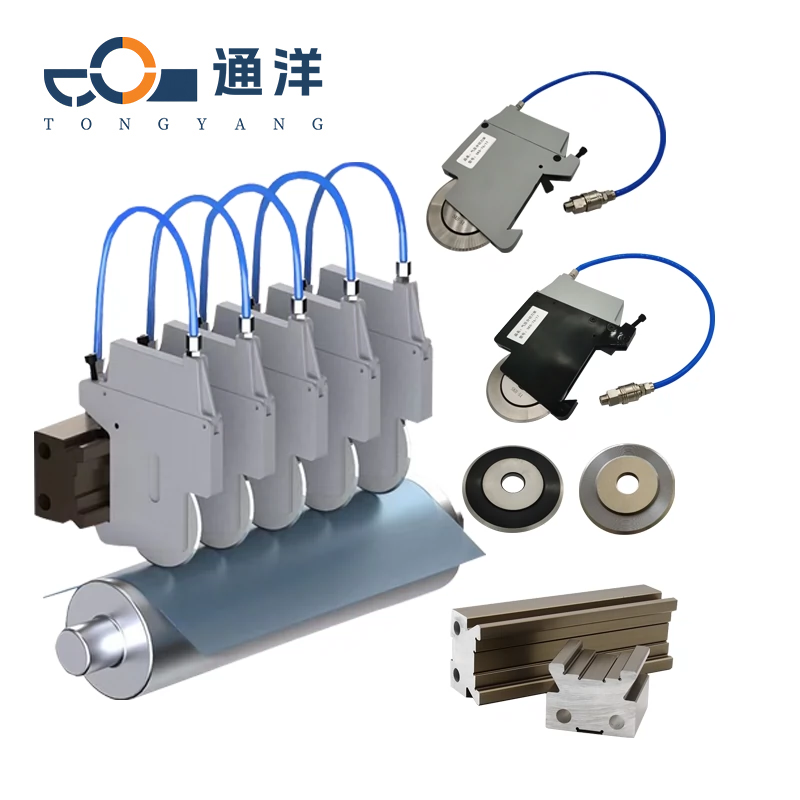
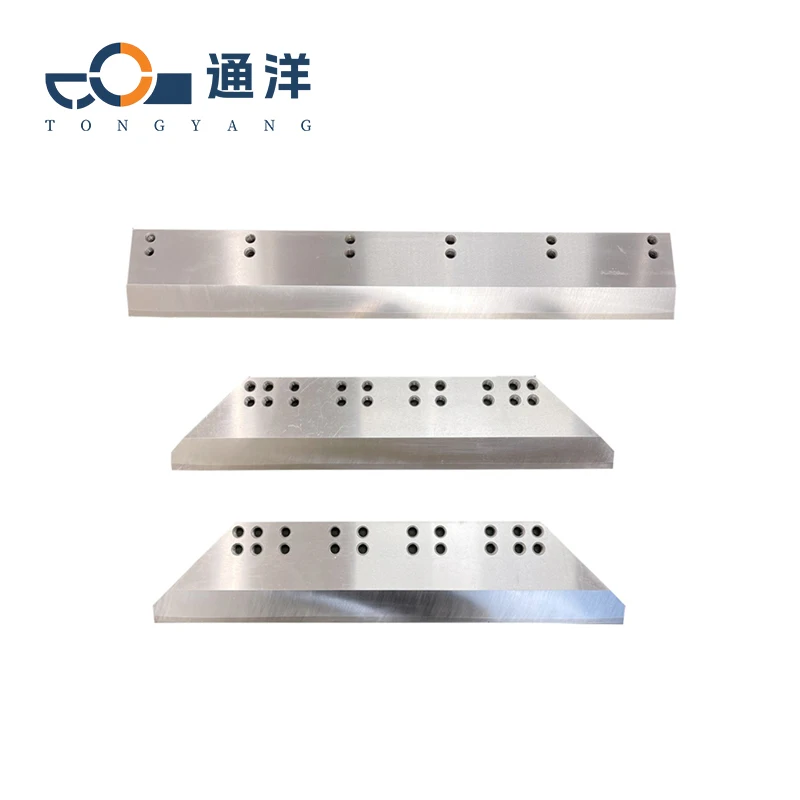
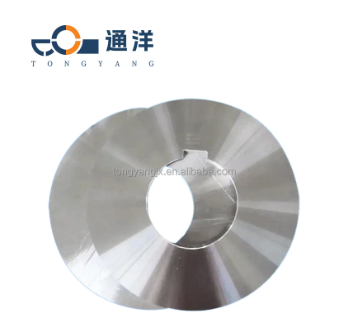
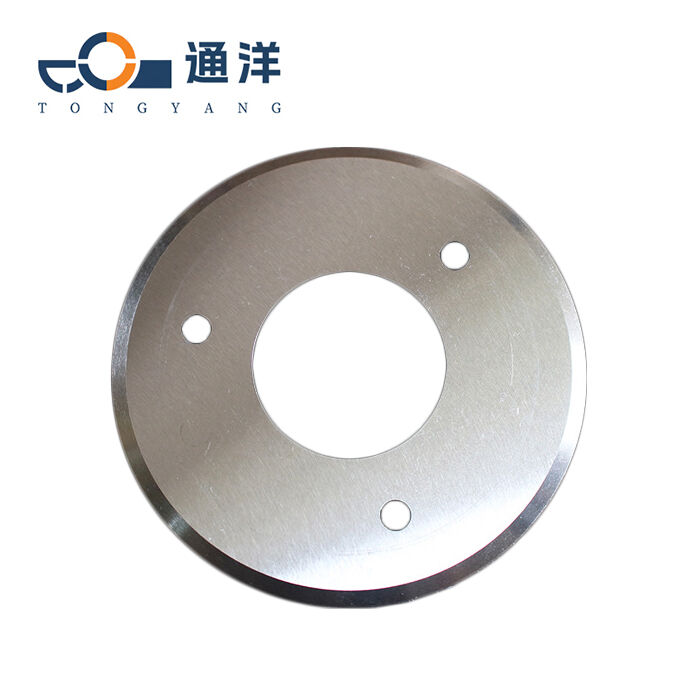
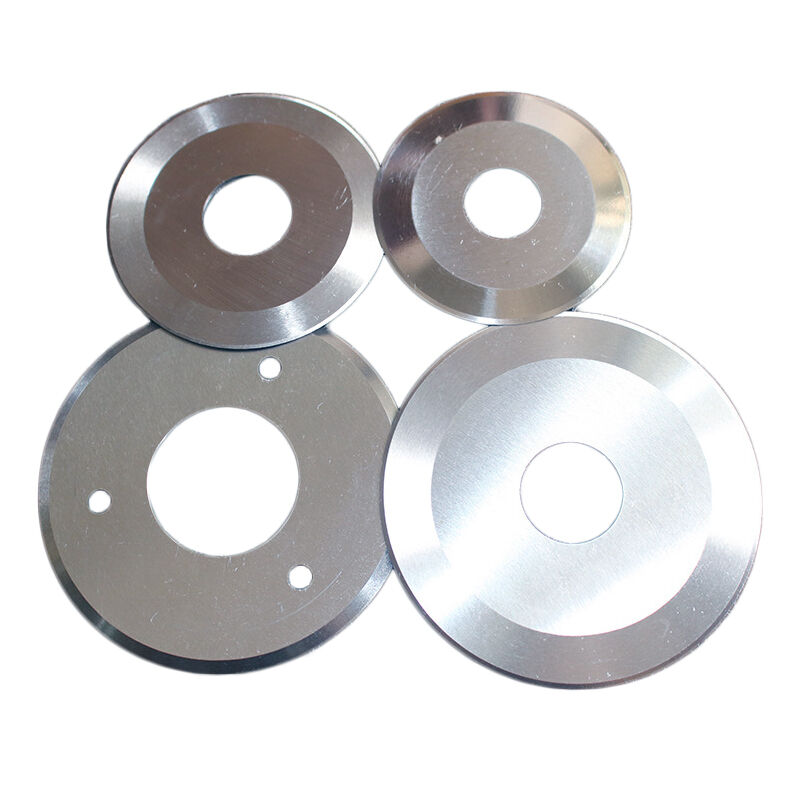
Slitting machine blades represent essential cutting tools in modern manufacturing and processing industries, designed specifically to convert large rolls of material into narrower strips with precision and consistency. These specialized blades serve as the core component of slitting equipment, responsible for executing clean, accurate cuts across various materials including paper, film, foil, rubber, textiles, and metallic substances. The primary function of slitting machine blades involves longitudinal cutting operations where wide master rolls are divided into multiple smaller width rolls according to specific dimensional requirements. These blades operate at high speeds while maintaining exceptional cutting quality, ensuring minimal material waste and maximum production efficiency. Technological features of slitting machine blades include advanced metallurgical compositions, heat treatment processes, and edge geometry designs that optimize cutting performance. Manufacturers produce these blades using premium steel alloys, carbide materials, or specialized composite substances that deliver extended service life and consistent cutting results. The blade design incorporates precise angle specifications, surface treatments, and hardness levels tailored to different material characteristics and operational demands. Modern slitting machine blades feature enhanced wear resistance properties, allowing them to withstand continuous operation without frequent replacement. Applications for slitting machine blades span numerous industries including packaging, printing, converting, automotive, electronics, and construction sectors. In packaging facilities, these blades process flexible films, laminates, and paper products for food wrapping and consumer goods. Printing operations utilize slitting machine blades to prepare materials for labels, magazines, and promotional items. The converting industry relies on these precision tools to manufacture tape products, adhesive materials, and protective films. Metal processing plants employ specialized slitting machine blades to cut steel coils, aluminum sheets, and copper strips for various industrial applications, demonstrating their versatility across diverse manufacturing environments.

New Products

Slitting machine blades deliver numerous practical benefits that directly impact production quality and operational profitability for manufacturing facilities. The first significant advantage centers on exceptional cutting precision, which ensures that every strip maintains uniform width throughout the entire length of the material roll. This consistency eliminates variations that could cause problems during subsequent processing stages or final product assembly. Businesses experience reduced material waste because slitting machine blades create clean cuts without ragged edges or excessive trim loss, translating directly into cost savings and improved material utilization rates. The durability of these blades stands as another compelling benefit, as quality cutting tools maintain their sharpness and performance characteristics through extended production runs. This longevity reduces downtime associated with blade changes and minimizes maintenance expenses over time. Companies appreciate that investing in superior slitting machine blades ultimately lowers their per-unit production costs while maintaining consistent output quality. Another advantage involves the versatility these blades offer across different material types and thicknesses. Manufacturers can process thin films measuring mere microns or tackle heavier gauge materials using appropriately specified slitting machine blades, providing operational flexibility without requiring multiple specialized cutting systems. This adaptability allows facilities to accommodate diverse customer requirements and expand their service capabilities using existing equipment. The speed at which slitting machine blades operate enables high-volume production that meets demanding delivery schedules and market demands. Fast processing rates combined with reliable cutting quality help businesses maintain competitive advantages and satisfy customer expectations consistently. Safety features incorporated into modern slitting machine blades also provide important benefits for operators and facility management. Properly designed blades reduce the risk of accidents while simplifying installation and adjustment procedures. Maintenance personnel can service these components efficiently, minimizing exposure to potential hazards. Environmental considerations also factor into the advantages, as efficient cutting reduces scrap generation and supports sustainability initiatives. Manufacturers producing goods with minimal waste contribute to environmental protection while satisfying increasingly important corporate responsibility goals. The cost-effectiveness of slitting machine blades becomes apparent when considering total production economics, including material savings, reduced downtime, consistent quality output, and extended replacement intervals that collectively enhance profitability and operational performance for businesses across various industrial sectors.

Practical Tips

How to Extend Your Cutting Blade Life: Pro Tips

25

Mar

How to Extend Your Cutting Blade Life: Pro Tips

Maximizing the lifespan of your cutting blade is essential for maintaining operational efficiency and reducing replacement costs in any professional environment. Whether you work in manufacturing, printing, packaging, or crafts, understanding proper ...
View More
How to Choose the Perfect Rubber Cutting Knife

25

Mar

How to Choose the Perfect Rubber Cutting Knife

In industrial manufacturing and crafting applications, selecting the right cutting tool can significantly impact productivity, precision, and safety. A rubber cutting knife serves as an essential instrument for professionals working with various rubb...
View More
Common Slitter Blades Problems and Solutions

30

Mar

Common Slitter Blades Problems and Solutions

Manufacturing operations that rely on slitter blades face a variety of challenges that can significantly impact production efficiency, material quality, and operational costs. Understanding the most common problems associated with slitter blades and ...
View More
Leather Cutting Blade Maintenance: Essential Tips

30

Apr

Leather Cutting Blade Maintenance: Essential Tips

Proper maintenance of your leather cutting blade directly determines the quality of your cuts, the longevity of your equipment, and the efficiency of your production workflow. Whether you operate a small leather workshop or manage a large-scale manuf...
View More

Get a Free Quote

Our representative will contact you soon.
Email
WhatsApp
Name
Company Name
Message
0/1000

slitting machine blades

Advanced Material Engineering for Superior Cutting Performance

Advanced Material Engineering for Superior Cutting Performance

The construction of slitting machine blades incorporates sophisticated material engineering principles that deliver outstanding cutting performance across demanding industrial applications. Manufacturers select premium steel alloys containing specific elemental compositions that provide optimal combinations of hardness, toughness, and wear resistance necessary for sustained cutting operations. These carefully formulated materials undergo rigorous heat treatment processes including quenching and tempering cycles that refine the internal grain structure and establish precise hardness levels throughout the blade body. The metallurgical characteristics of slitting machine blades ensure they maintain sharp cutting edges even when processing abrasive materials or operating at elevated temperatures generated during high-speed production. Surface treatments applied to these blades further enhance their functional capabilities through specialized coatings that reduce friction, prevent corrosion, and extend operational life. Technologies such as titanium nitride coating, chromium plating, or diamond-like carbon deposition create protective layers that shield the base material from degradation while improving cutting efficiency. These surface modifications allow slitting machine blades to glide smoothly through materials without generating excessive heat or requiring additional lubrication that might contaminate products. The edge geometry of slitting machine blades receives meticulous attention during manufacturing, with grinding operations performed to exacting tolerances that establish blade angles optimized for specific material types. Beveled edges, hollow grinds, or specialized profiles ensure that cutting forces distribute appropriately, minimizing material deformation and producing clean separation without tearing or stretching. This precision edge preparation distinguishes professional-grade slitting machine blades from inferior alternatives that fail to deliver consistent results. Quality control procedures verify dimensional accuracy, surface finish, and hardness specifications before blades reach customers, ensuring every component meets stringent performance standards. The investment in advanced materials and manufacturing processes translates directly into practical benefits for end users who experience longer blade life, reduced replacement frequency, and consistent cutting quality that maintains product specifications throughout production runs. Facilities utilizing superior slitting machine blades achieve higher productivity levels and lower total operating costs compared to those compromising with substandard cutting tools.
Precision Engineering for Consistent Width Accuracy

Precision Engineering for Consistent Width Accuracy

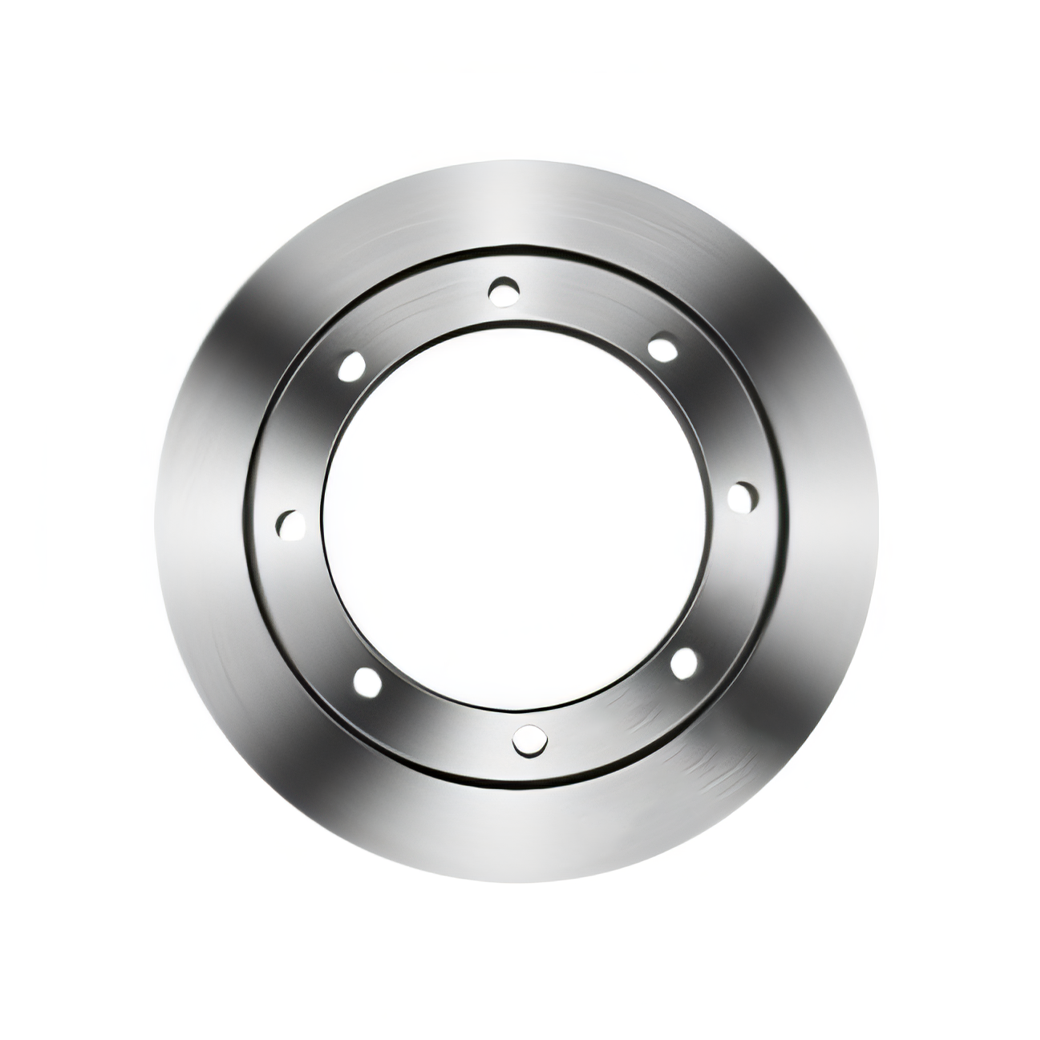
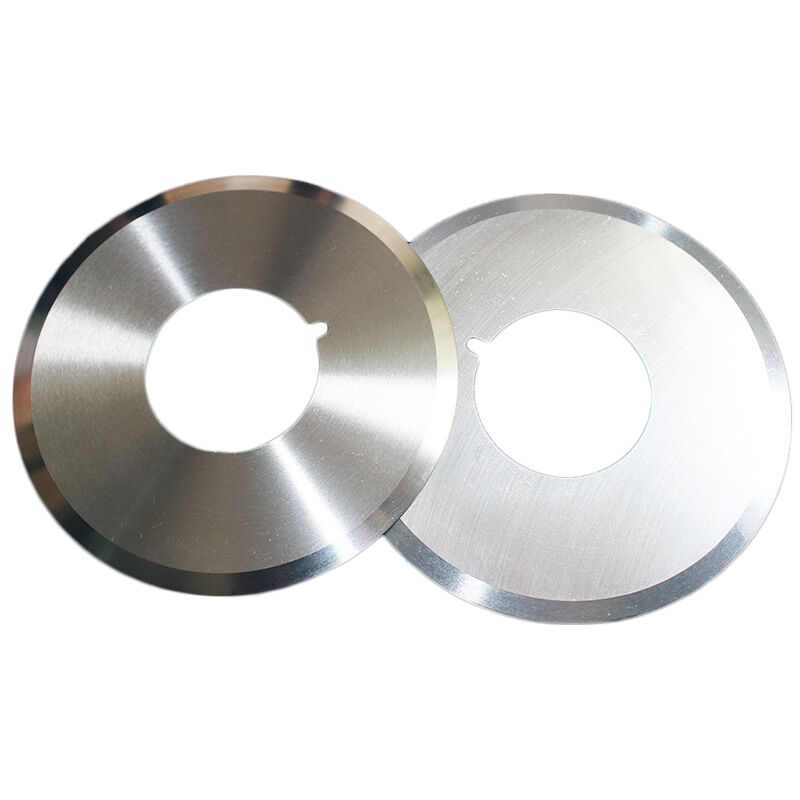
Achieving consistent width accuracy represents a critical requirement in slitting operations, and premium slitting machine blades deliver this precision through meticulous engineering and manufacturing excellence. The dimensional stability of these blades ensures they maintain exact positioning and alignment during cutting operations, preventing the width variations that create quality issues and material waste. Manufacturers produce slitting machine blades with extremely tight thickness tolerances, typically measured in microns, which allows multiple blades to be mounted side-by-side with uniform spacing that determines the width of each resulting strip. This precision manufacturing process employs advanced grinding equipment and measurement systems that verify conformance to specifications before blades enter service. The parallel surfaces and consistent thickness throughout the blade diameter enable mounting systems to position cutting edges accurately relative to one another, establishing the precise gap patterns required for multi-strip slitting operations. Temperature stability characteristics of quality slitting machine blades ensure they resist dimensional changes that might occur due to frictional heating during operation. Materials and designs that minimize thermal expansion prevent the cutting width drift that could otherwise develop as production runs progress and blade temperatures fluctuate. This thermal stability proves especially important in high-speed applications where significant heat generation occurs and maintaining dimensional accuracy becomes challenging. Balancing procedures applied to circular slitting machine blades eliminate vibration tendencies that could compromise cutting precision or accelerate wear. Properly balanced blades rotate smoothly at operational speeds without generating oscillations that cause uneven cutting patterns or reduce edge life. The dynamic stability achieved through precision balancing contributes directly to the consistent width accuracy that customers require for their products. Regular monitoring systems incorporated into modern slitting equipment detect any deviation from specified dimensions, allowing operators to address issues promptly before significant quantities of non-conforming material are produced. However, the inherent accuracy built into quality slitting machine blades reduces the frequency of such interventions and provides confidence that production will meet specifications reliably. The economic impact of precision width control extends beyond simply meeting customer requirements to encompass reduced material waste, minimized rework expenses, and enhanced reputation for quality that supports long-term business success. Industries requiring tight tolerances such as electronics manufacturing, medical device production, or specialty packaging particularly value the consistent accuracy that superior slitting machine blades deliver throughout extended production campaigns.
Versatile Applications Across Multiple Industries and Materials

Versatile Applications Across Multiple Industries and Materials

The remarkable versatility of slitting machine blades enables their deployment across an extraordinarily diverse range of industries and material types, making them indispensable tools in modern manufacturing environments. These adaptable cutting implements successfully process materials spanning from delicate tissue paper measuring just a few grams per square meter to robust steel sheets several millimeters thick, demonstrating exceptional functional range within a single tool category. In the flexible packaging industry, slitting machine blades handle polyethylene films, polypropylene laminates, polyester substrates, and multilayer barrier materials that protect food products, pharmaceuticals, and consumer goods. The blades accommodate varying material characteristics including different thickness levels, surface treatments, and mechanical properties without requiring extensive equipment modifications. Converting operations rely on slitting machine blades to prepare pressure-sensitive adhesive tapes, protective films, graphic materials, and specialty products used throughout commercial and industrial applications. These facilities value the ability to switch between different material types while maintaining consistent cutting quality and production efficiency. The printing industry depends on slitting machine blades to process paper grades ranging from lightweight newsprint to heavy coated stocks, as well as synthetic substrates used for durable labels and outdoor graphics. Textile manufacturers employ specialized slitting machine blades to cut woven fabrics, nonwoven materials, and technical textiles used in automotive interiors, filtration systems, and protective garments. The blades handle materials with varying fiber compositions, weave patterns, and finish treatments while producing clean edges that resist fraying or unraveling. Metal processing represents another significant application domain where slitting machine blades cut aluminum foil for packaging applications, steel strips for construction components, copper sheets for electrical applications, and various alloy materials serving specialized industrial purposes. These demanding applications require blades engineered specifically for metallic materials, featuring enhanced wear resistance and edge geometries designed to shear rather than tear the workpiece. Rubber and elastomer processing facilities utilize slitting machine blades to prepare materials for tire manufacturing, industrial belts, sealing components, and consumer products. The blades successfully cut both natural and synthetic rubber compounds across different hardness levels and formulations. This extraordinary versatility across industries and materials makes slitting machine blades essential production tools that deliver value through their adaptability and reliable performance in diverse operational environments.

Get a Free Quote

Our representative will contact you soon.
Email
WhatsApp
Name
Company Name
Message
0/1000
Newsletter
Please Leave A Message With Us