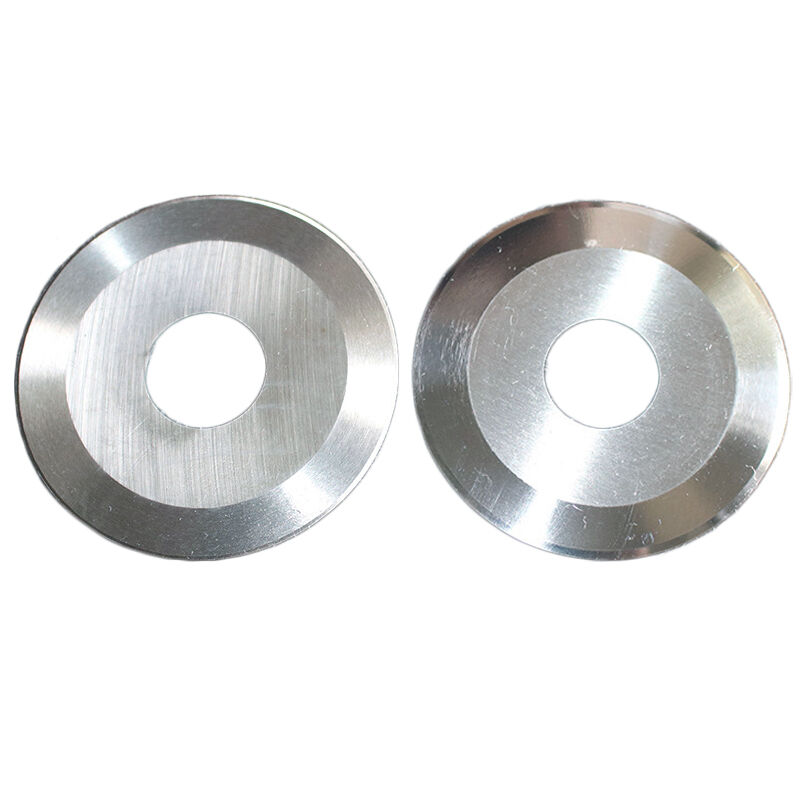
Optimized Blade Geometry for Diverse Film Applications
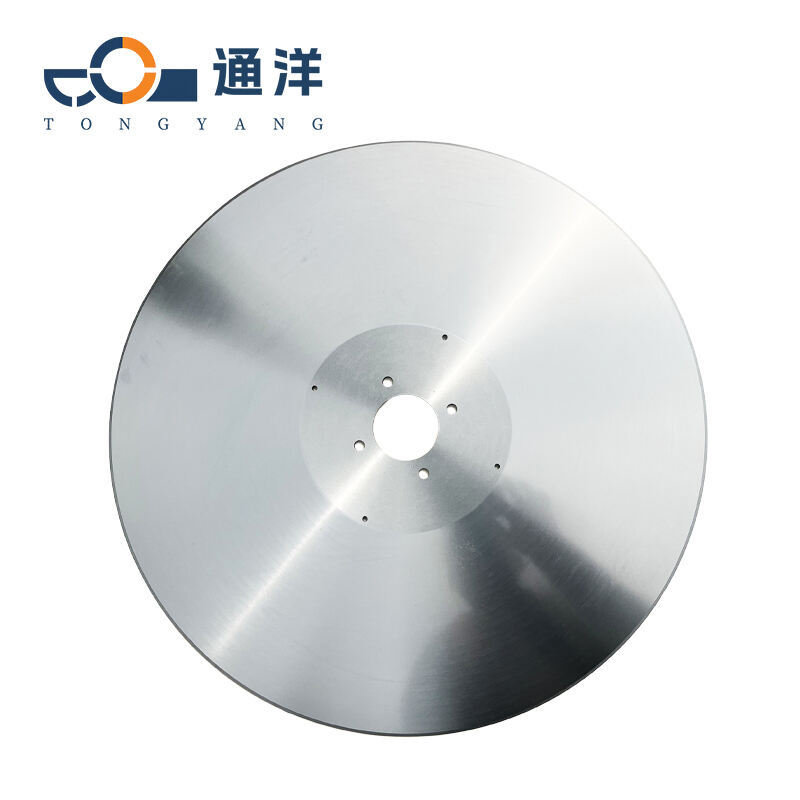
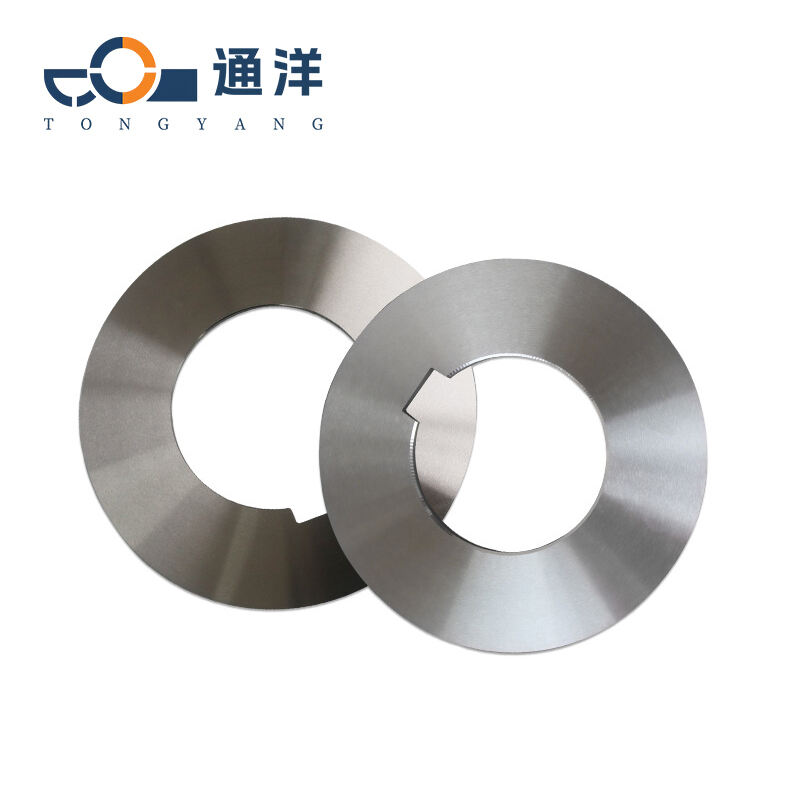
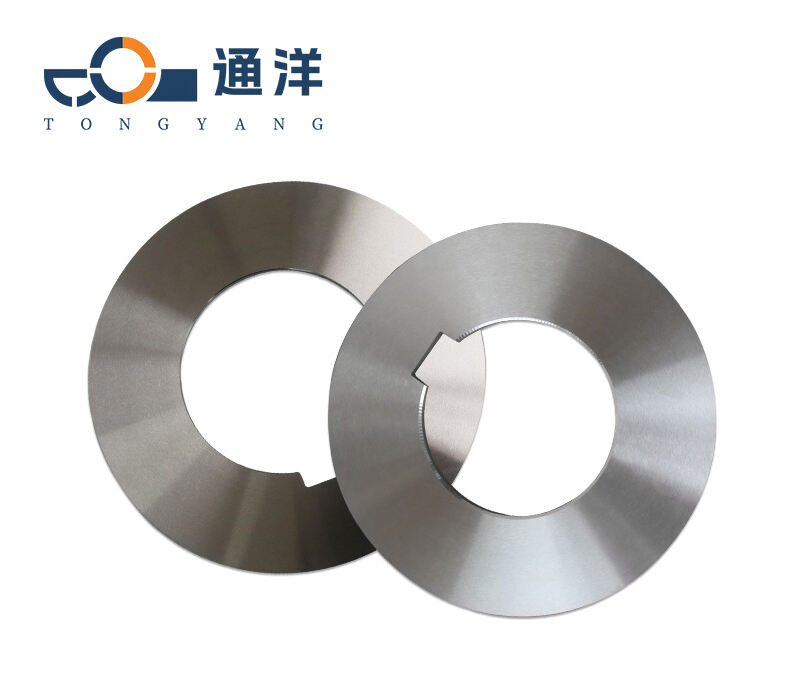
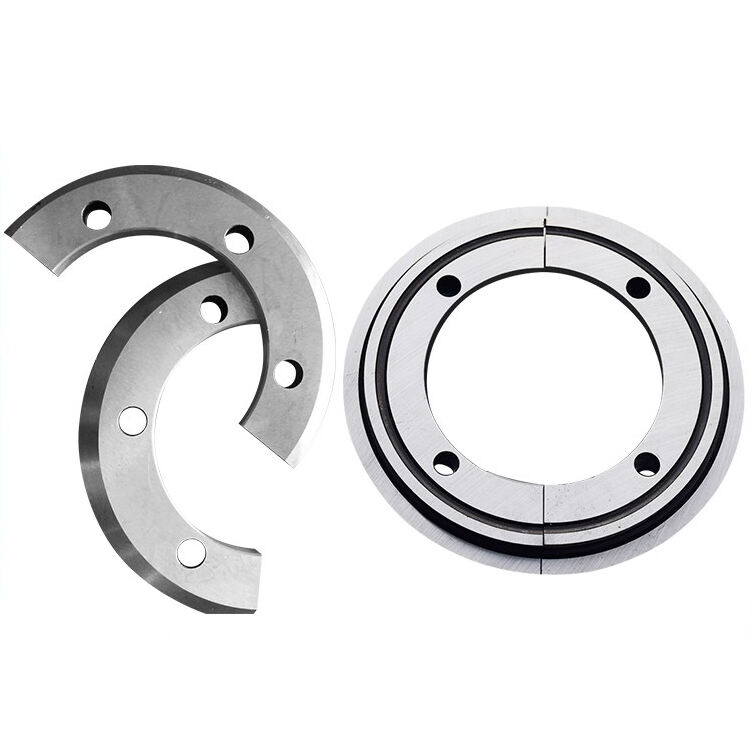
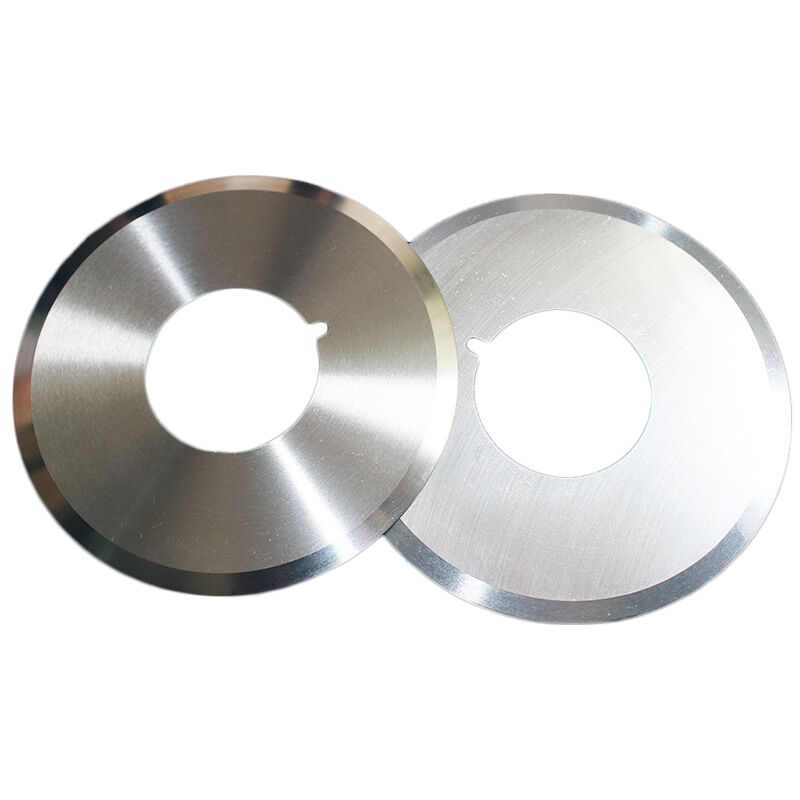
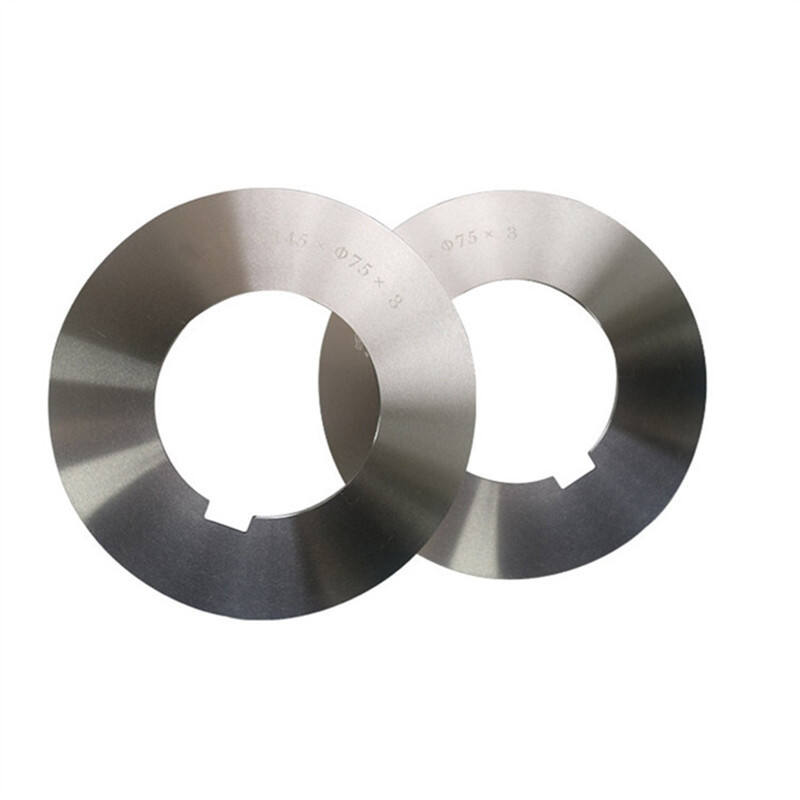
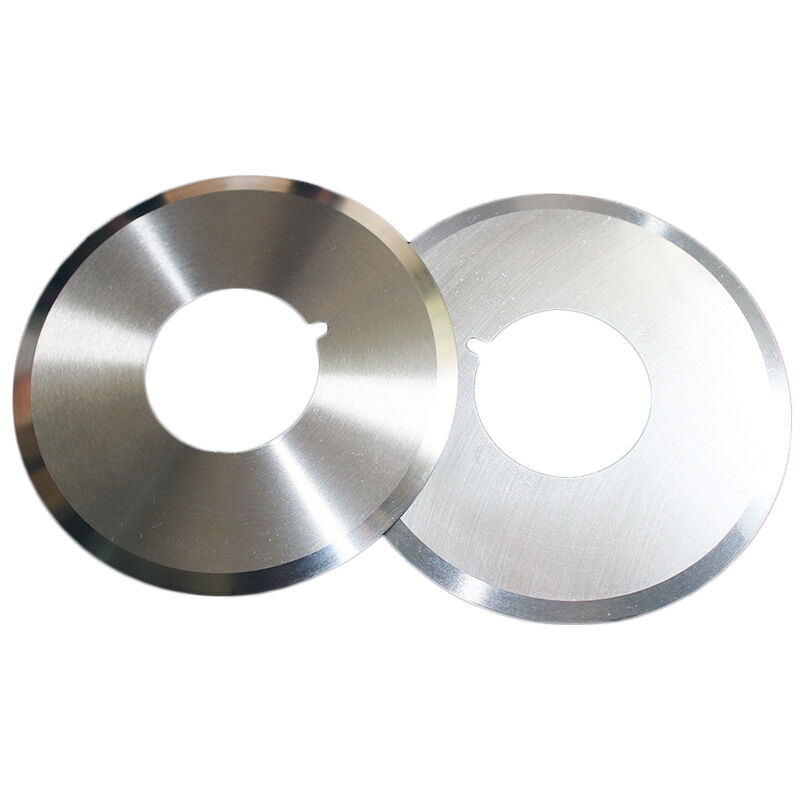
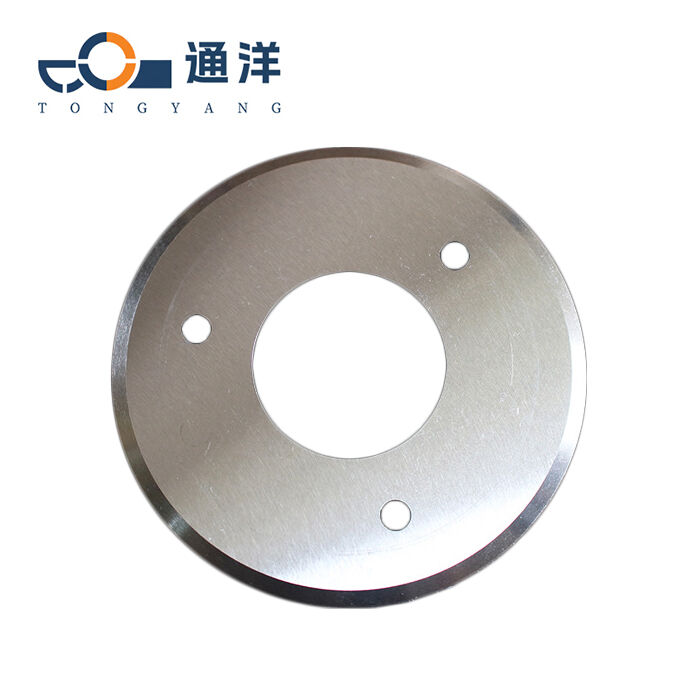
The geometric configuration of film slitting blades encompasses multiple design parameters that collectively determine cutting performance across different film types and operational conditions. Blade geometry includes factors such as cutting edge angle, blade thickness, relief angles, and overall profile design, with each element contributing to how effectively the blade penetrates and separates film materials. The cutting edge angle represents one of the most influential geometric parameters, with acute angles typically ranging from twenty to thirty degrees providing the sharpness needed for clean cuts through thin, delicate films, while more robust angles serve applications involving thicker or tougher materials that would chip or damage fragile edge geometries. Film slitting blades designed for specific applications feature optimized geometry that balances cutting efficiency against edge durability, ensuring appropriate performance for the intended material characteristics and production parameters. Relief angles ground into blade surfaces behind the primary cutting edge serve important functions by reducing friction between the blade and the material being cut, minimizing heat generation, and preventing material adhesion that could degrade cut quality or increase cutting forces. The thickness profile of film slitting blades influences their rigidity and deflection characteristics during cutting operations, with thicker blades providing the stability needed for high-tension applications or materials that generate significant cutting forces, while thinner profiles suit applications where minimal material kerf width or reduced cutting resistance offers advantages. Some film slitting blade designs incorporate specialized features such as serrated edges for specific materials, scalloped profiles that reduce friction, or complex three-dimensional geometries that optimize cutting action for particular film characteristics. The versatility provided by optimized blade geometry allows operations to process an extensive range of film materials using appropriately configured film slitting blades matched to application requirements. Polyester films, polypropylene materials, polyethylene products, adhesive-coated substrates, metalized films, and composite laminates each present unique cutting challenges that benefit from geometric optimization. Operations processing multiple material types can maintain an inventory of film slitting blades with different geometric configurations, selecting the appropriate design for each production run to maximize cutting quality and blade longevity. The relationship between blade geometry and cutting quality extends beyond simple edge sharpness to encompass factors such as dust generation, edge burr formation, and the micro-structure of the cut edge. Properly designed blade geometry minimizes these defect modes, delivering clean separation with minimal edge disturbance that could affect subsequent processing operations or end-product performance. Advanced blade manufacturers often provide technical consultation services to help customers select optimal geometric configurations for their specific applications, considering factors such as material properties, production speeds, tension levels, and quality requirements to recommend blade designs that deliver superior results.
 EN
EN