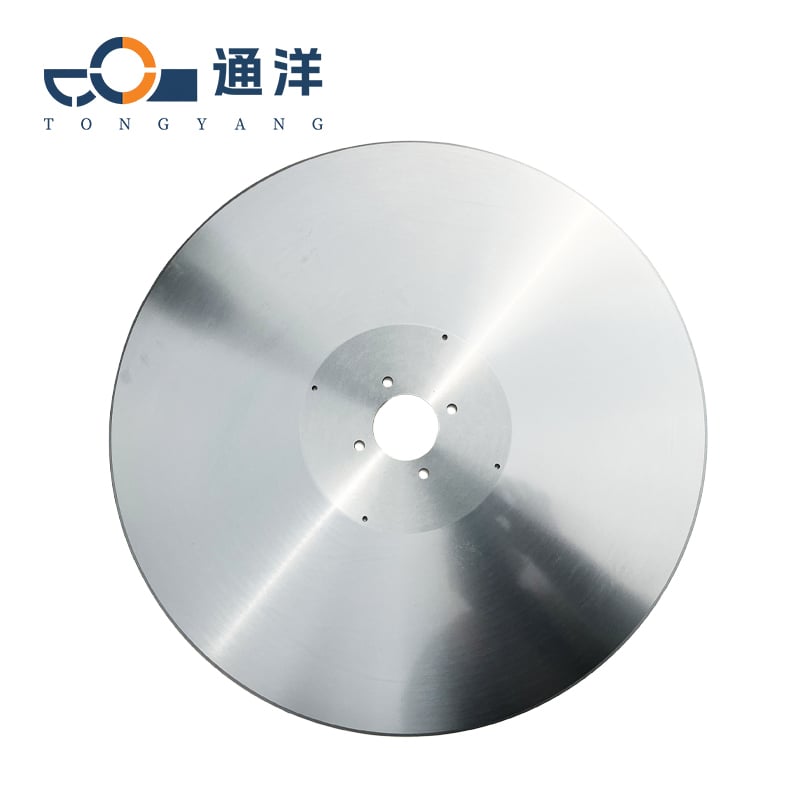
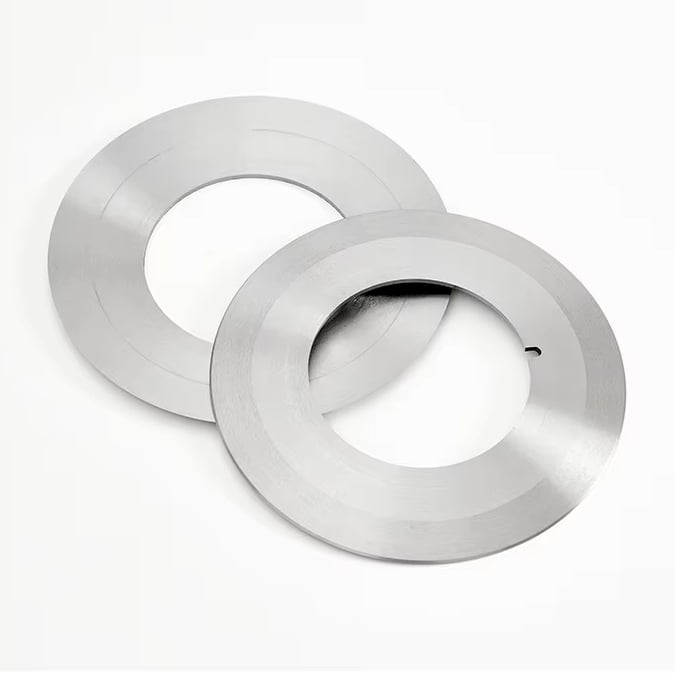
Selecting the right cutting blade for corrugated cardboard processing operations represents a critical decision that directly impacts production efficiency, product quality, and operational costs. Industrial facilities handling large volumes of corrugated materials require specialized cutting solutions that can maintain precision while withstanding the demanding nature of continuous production environments. The characteristics of corrugated cardboard, including its layered structure and varying thickness profiles, necessitate careful consideration of blade geometry, material composition, and edge configuration to achieve optimal cutting performance.
Understanding Corrugated Cardboard Structure and Cutting Challenges
Multi-Layer Composition Analysis
Corrugated cardboard consists of multiple paper layers bonded together with adhesive, creating a structure that presents unique cutting challenges compared to solid materials. The fluted inner layer provides structural strength while the flat outer layers offer surface stability for printing and handling. This composition requires cutting blades that can slice cleanly through each layer without causing delamination or crushing the corrugated structure. Understanding these material properties enables manufacturers to select blade specifications that accommodate the specific requirements of their corrugated cardboard processing applications.
The adhesive used to bond corrugated layers can accumulate on cutting blade edges during extended production runs, potentially affecting cut quality and requiring more frequent blade maintenance. Different adhesive formulations exhibit varying degrees of tackiness and chemical composition, influencing how they interact with blade materials and coatings. Processing facilities must consider these factors when establishing blade selection criteria and maintenance schedules to ensure consistent cutting performance throughout production cycles.
Thickness Variations and Density Considerations
Corrugated cardboard materials range from single-wall configurations measuring approximately 3-4mm thick to heavy-duty triple-wall constructions exceeding 15mm in thickness. Each thickness category demands specific blade characteristics to achieve clean cuts without excessive force application or material distortion. Thicker corrugated materials generate higher cutting forces that can lead to blade deflection if insufficient blade rigidity is maintained, while thinner materials may require sharper blade angles to prevent tearing or incomplete cuts.
Density variations within corrugated cardboard products also influence cutting blade selection, as higher-density materials typically require more aggressive cutting geometries and stronger blade materials. Edge crush strength and burst strength specifications provide valuable indicators of material density that can guide blade selection decisions. Processing facilities handling mixed density materials may benefit from adjustable cutting systems that accommodate blade changes based on specific material requirements.
Blade Material Selection and Properties
High-Carbon Steel Advantages
High-carbon steel represents the most commonly used material for corrugated cardboard cutting blade applications due to its excellent edge retention properties and cost-effectiveness for high-volume operations. The increased carbon content enhances hardenability and wear resistance compared to standard steel alloys, enabling longer production runs between blade replacements. Heat treatment processes can further optimize high-carbon steel blade properties, achieving hardness levels between 58-62 HRC for optimal cutting performance in corrugated materials.
Manufacturing processes for high-carbon steel blades typically involve precision grinding operations that create consistent edge geometries and surface finishes. Quality high-carbon steel blades maintain their cutting edge longer than lower-grade alternatives, reducing downtime associated with blade changes and maintaining consistent cut quality throughout extended production periods. The material's machinability also allows for custom blade configurations that accommodate specific corrugated cutting applications.
Tungsten Carbide and Specialty Alloys
Tungsten carbide blades offer superior wear resistance and extended service life in demanding corrugated cardboard cutting applications, particularly when processing abrasive materials or operating at high cutting speeds. The extreme hardness of tungsten carbide, typically ranging from 88-92 HRA, provides exceptional edge retention that can significantly reduce blade replacement frequency. However, the increased material cost and potential brittleness require careful evaluation of application requirements to justify the investment in tungsten carbide cutting solutions.
Specialty steel alloys incorporating elements such as chromium, vanadium, or molybdenum provide intermediate performance characteristics between standard high-carbon steel and tungsten carbide options. These alloys can offer enhanced corrosion resistance, improved toughness, or specialized properties tailored to specific corrugated cutting environments. Selection of specialty alloy blades should consider factors such as environmental conditions, cutting speed requirements, and expected production volumes to optimize performance and cost-effectiveness.
Blade Geometry and Edge Configuration
Bevel Angle Optimization
The bevel angle of corrugated cardboard cutting blades significantly influences cutting force requirements, edge durability, and cut quality characteristics. Acute bevel angles, typically ranging from 15-25 degrees, provide sharp cutting edges that reduce cutting forces and minimize material compression during the cutting process. However, acute angles may sacrifice edge durability in demanding applications, requiring more frequent blade maintenance or replacement to maintain optimal performance.
Obtuse bevel angles exceeding 30 degrees offer increased edge strength and durability at the expense of higher cutting force requirements and potential material compression. The selection of appropriate bevel angles must balance cutting performance requirements with expected blade service life and maintenance considerations. Some applications may benefit from compound bevel designs that incorporate multiple angles to optimize both cutting efficiency and edge durability for specific corrugated cardboard processing requirements.
Edge Serration and Surface Treatments
Serrated edge configurations can enhance cutting performance in certain corrugated cardboard applications by reducing cutting forces and improving material separation characteristics. The serration pattern creates multiple cutting points that can slice through corrugated layers more effectively than straight edges, particularly when processing thick or dense materials. However, serrated edges may produce slightly rougher cut surfaces compared to straight-edge alternatives, requiring evaluation of final product quality requirements.
Surface treatments such as titanium nitride coatings or diamond-like carbon films can significantly improve blade performance by reducing friction and preventing material adhesion during cutting operations. These coatings extend blade life by protecting the underlying steel from wear and corrosion while maintaining sharp cutting edges for extended periods. The selection of appropriate surface treatments should consider the specific corrugated materials being processed and the expected production environment conditions.
Cutting System Integration and Compatibility
Mounting and Alignment Requirements
Proper blade mounting and alignment represent critical factors in achieving optimal corrugated cardboard cutting performance and maximizing blade service life. Cutting systems must provide rigid blade support to prevent deflection during cutting operations while maintaining precise alignment with material feed mechanisms. Mounting hardware should distribute clamping forces evenly across the blade to avoid stress concentrations that could lead to premature blade failure or performance degradation.
Alignment tolerances for corrugated cardboard cutting operations typically require positioning accuracy within 0.1mm to ensure consistent cut quality and prevent material waste. Advanced cutting systems may incorporate automatic blade positioning mechanisms that compensate for blade wear and thermal expansion during operation. Regular calibration and maintenance of mounting and alignment systems help maintain cutting precision and extend blade service life in high-volume production environments.
Speed and Feed Rate Considerations
Cutting speed and material feed rates must be optimized to match blade characteristics and corrugated material properties for optimal processing efficiency. Higher cutting speeds can improve production throughput but may require specialized blade designs or materials to maintain acceptable service life and cut quality. The relationship between cutting speed and blade temperature must be carefully managed to prevent thermal damage or premature wear that could compromise cutting performance.
Feed rate optimization involves balancing material processing speed with cutting force requirements and blade durability considerations. Excessive feed rates can overload cutting blades and cause premature failure, while insufficient feed rates may result in unnecessary production delays. Advanced cutting systems may incorporate variable speed controls that adjust cutting parameters based on material thickness, density, or other characteristics to optimize both productivity and blade performance.
Maintenance and Blade Life Management
Sharpening and Reconditioning Procedures
Regular blade sharpening and reconditioning procedures are essential for maintaining consistent cutting performance and maximizing blade service life in corrugated cardboard processing operations. Professional sharpening services can restore blade cutting edges to original specifications while maintaining proper geometry and surface finish characteristics. The frequency of sharpening requirements depends on factors such as material abrasiveness, cutting volume, and operational conditions.
Reconditioning procedures may include edge honing, surface refinishing, and dimensional restoration to extend blade service life beyond initial sharpening capabilities. Quality reconditioning services can often restore blades to near-original performance levels at a fraction of the cost of new blade replacement. Establishing relationships with qualified blade reconditioning specialists can significantly reduce operational costs while maintaining cutting quality standards.
Performance Monitoring and Replacement Indicators
Implementing systematic performance monitoring procedures enables proactive blade maintenance and replacement scheduling to prevent quality issues and production disruptions. Key performance indicators include cut edge quality, cutting force requirements, and material waste rates that can signal declining blade condition before critical failure occurs. Regular inspection schedules should document blade condition and performance trends to optimize replacement timing and maintenance procedures.
Replacement indicators for corrugated cardboard cutting blades typically include increased cutting forces, reduced cut quality, excessive material tearing, or visible blade damage such as chipping or excessive wear. Establishing standardized replacement criteria helps ensure consistent cutting performance while minimizing unnecessary blade changes that could increase operational costs. Documentation of blade performance data supports continuous improvement efforts and helps optimize blade selection for specific applications.
Cost-Benefit Analysis and Selection Criteria
Initial Investment versus Operating Costs
Evaluating corrugated cardboard cutting blade options requires comprehensive analysis of both initial purchase costs and long-term operating expenses to determine optimal value for specific applications. Premium blade materials or specialized designs may command higher initial costs but provide superior service life and performance characteristics that reduce total cost of ownership. Conversely, lower-cost blade options may be more suitable for applications with limited production volumes or less demanding performance requirements.
Operating cost considerations include blade replacement frequency, sharpening and maintenance expenses, and productivity impacts associated with blade changes and performance variations. Quality blade selections that maintain consistent performance throughout their service life can reduce material waste, minimize quality issues, and improve overall production efficiency. Comprehensive cost analysis should include all relevant factors to support informed blade selection decisions that optimize both performance and economic outcomes.
Application-Specific Selection Guidelines
Different corrugated cardboard processing applications may require specialized blade characteristics to achieve optimal results within specific operational constraints. High-volume production environments typically benefit from premium blade materials and designs that maximize service life and minimize maintenance requirements. Conversely, prototype development or low-volume applications may prioritize cost-effectiveness over extended service life considerations.
Environmental factors such as temperature, humidity, and contamination levels can significantly influence blade performance and selection requirements. Applications involving adhesive-heavy materials may require specialized coatings or surface treatments to prevent material buildup and maintain cutting performance. Careful evaluation of all application-specific factors ensures blade selections that provide optimal performance within the constraints of specific operating environments.
FAQ
How often should corrugated cardboard cutting blades be replaced in high-volume operations?
Blade replacement frequency in high-volume corrugated cardboard operations typically ranges from daily to weekly, depending on material characteristics, cutting volume, and blade quality. Premium blades with superior materials and coatings can often extend service intervals significantly compared to standard options. Monitoring cut quality and cutting force requirements provides the most reliable indicators for optimal replacement timing, as these factors directly reflect blade condition and performance capability.
What blade thickness works best for different corrugated cardboard weights?
Blade thickness selection should correlate with corrugated material thickness and density, with thicker blades providing increased rigidity for heavy-duty applications. Single-wall corrugated materials typically work well with blade thicknesses ranging from 0.5-1.0mm, while triple-wall or heavy-duty applications may require blade thicknesses of 1.5mm or greater. Thicker blades offer improved cut straightness and reduced deflection but may require higher cutting forces and more robust cutting system designs.
Can tungsten carbide blades be sharpened and reconditioned like steel blades?
Tungsten carbide blades can be sharpened and reconditioned, but the process requires specialized equipment and expertise due to the material's extreme hardness. Diamond grinding wheels and precise temperature control are essential to prevent thermal damage during sharpening operations. While reconditioning tungsten carbide blades costs more than steel alternatives, the extended service life and superior performance characteristics often justify the additional expense in demanding applications.
What safety considerations apply when selecting and handling corrugated cutting blades?
Safety considerations for corrugated cutting blades include proper handling procedures to prevent cuts, secure storage to protect blade edges and prevent accidents, and appropriate personal protective equipment during blade installation and maintenance. Blade guards and safety interlocks should be maintained in proper working condition, and operators should receive training on safe blade handling and replacement procedures. Regular inspection of blade condition helps identify potential safety hazards such as damaged or loose blades that could cause injury or equipment damage.
Table of Contents
- Understanding Corrugated Cardboard Structure and Cutting Challenges
- Blade Material Selection and Properties
- Blade Geometry and Edge Configuration
- Cutting System Integration and Compatibility
- Maintenance and Blade Life Management
- Cost-Benefit Analysis and Selection Criteria
-
FAQ
- How often should corrugated cardboard cutting blades be replaced in high-volume operations?
- What blade thickness works best for different corrugated cardboard weights?
- Can tungsten carbide blades be sharpened and reconditioned like steel blades?
- What safety considerations apply when selecting and handling corrugated cutting blades?