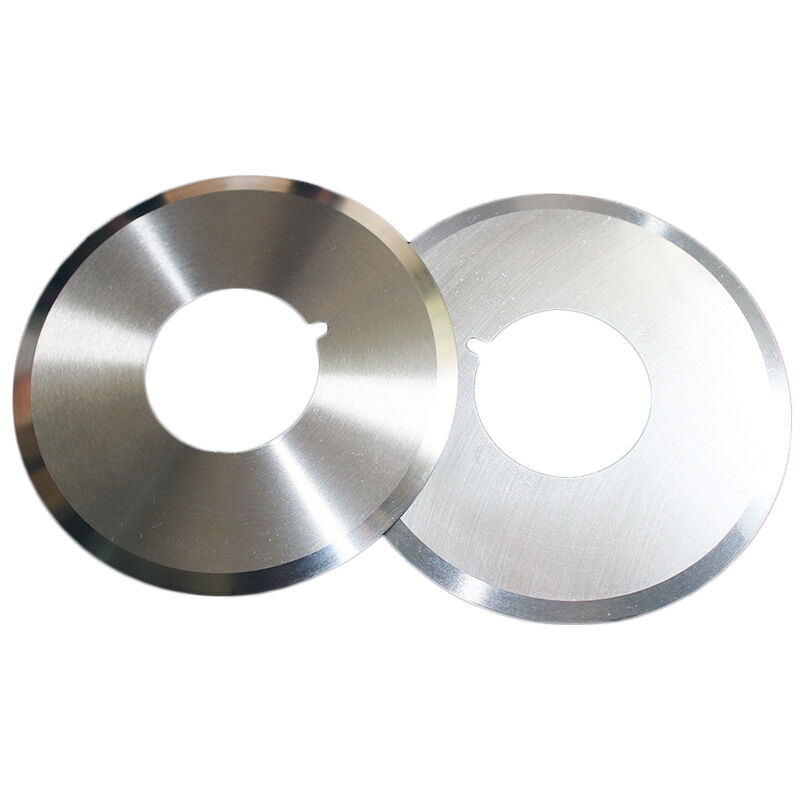
Premium Slitter Blades - Precision Cutting Solutions for Industrial Applications | Extended Life & Superior Performance

All Categories

Get a Free Quote

Our representative will contact you soon.
Email
WhatsApp
Name
Company Name
Message
0/1000

slitter blades

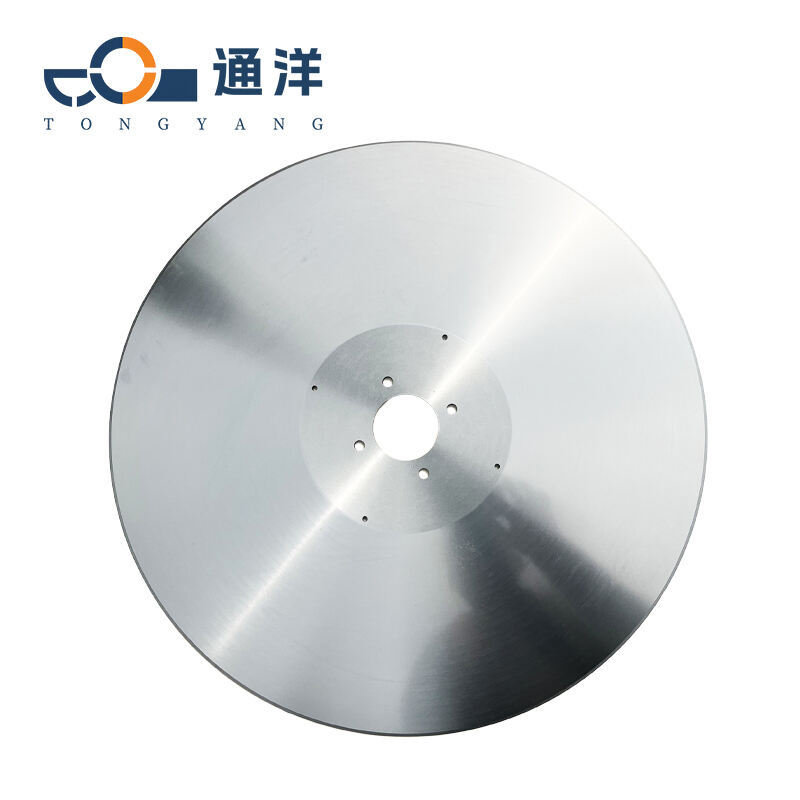
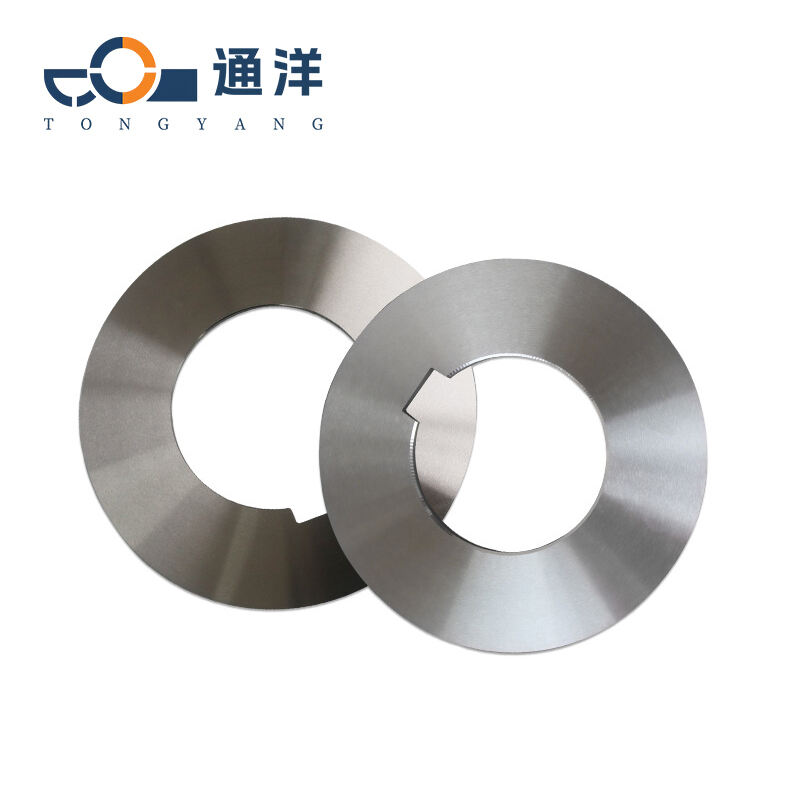
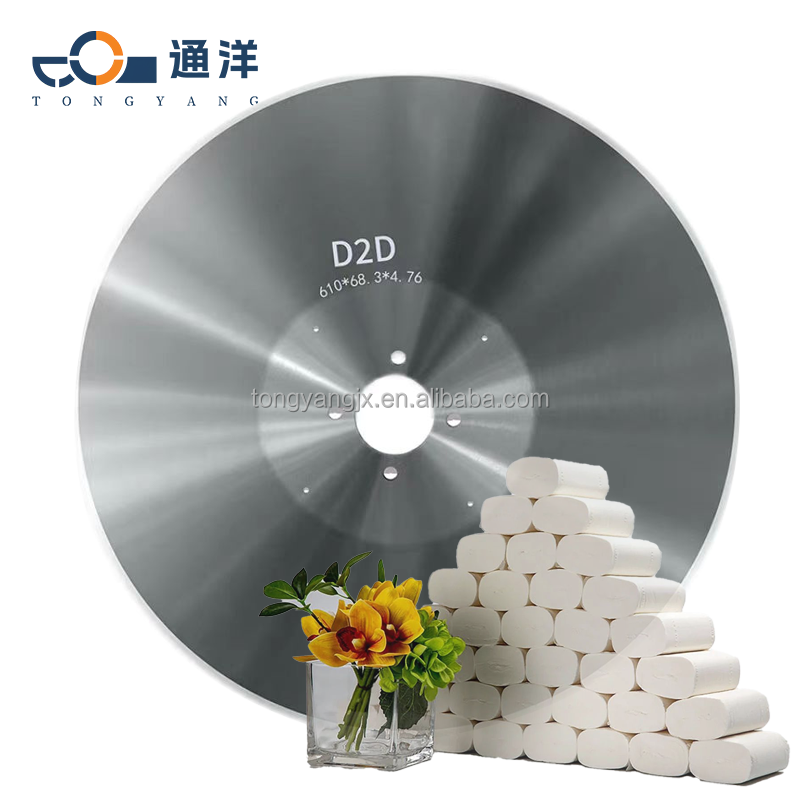
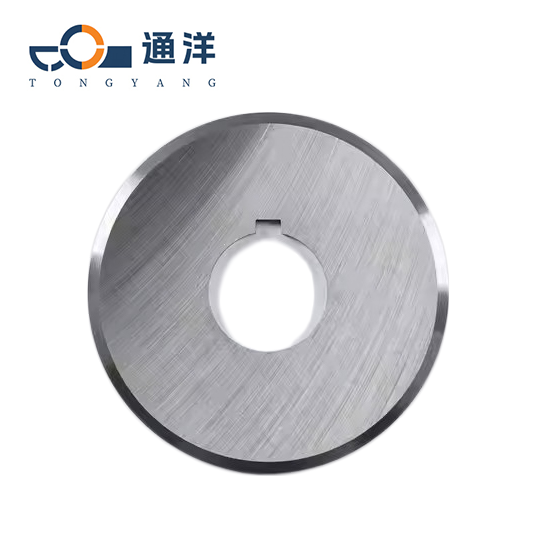
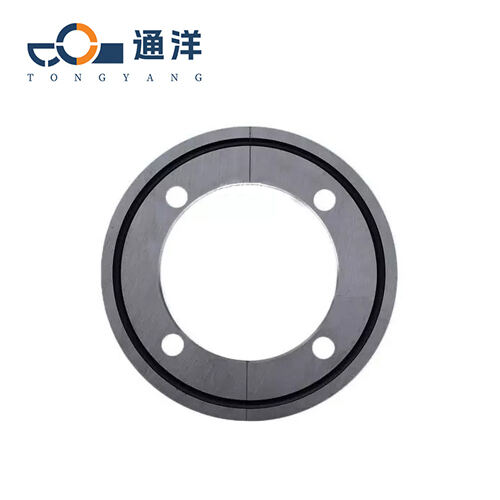
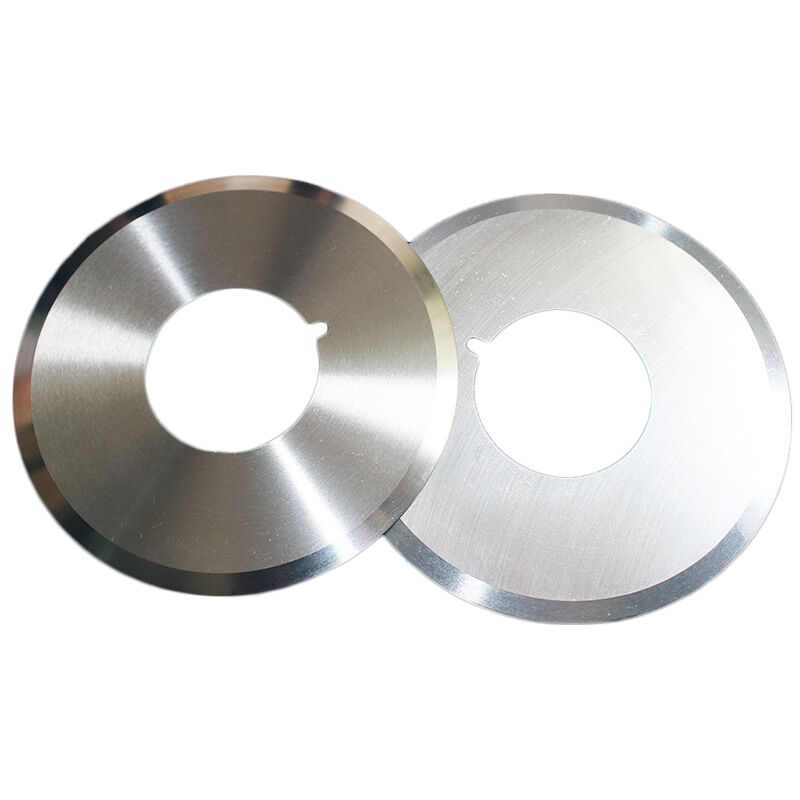
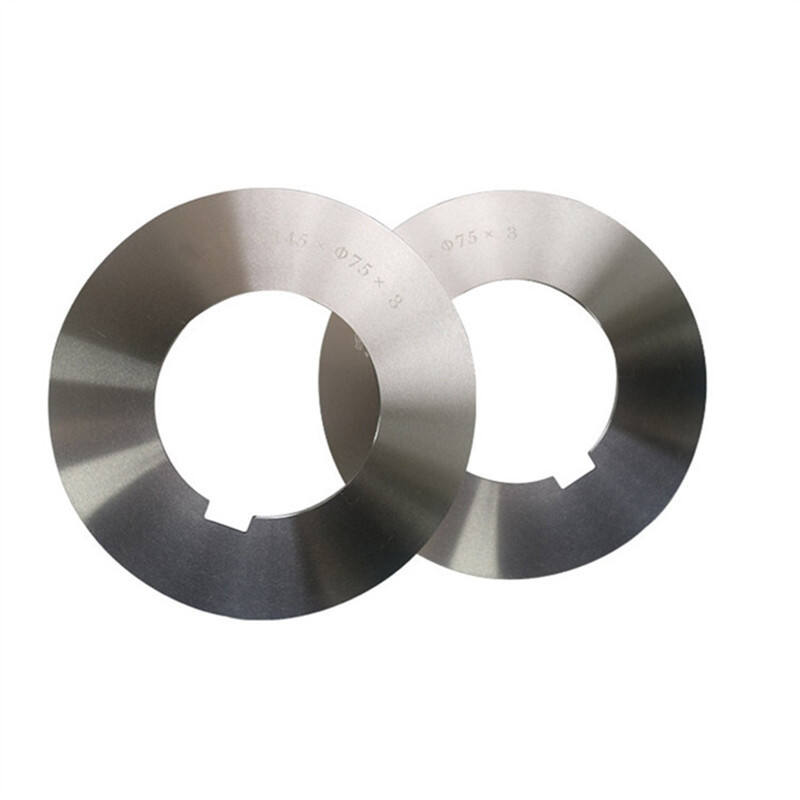
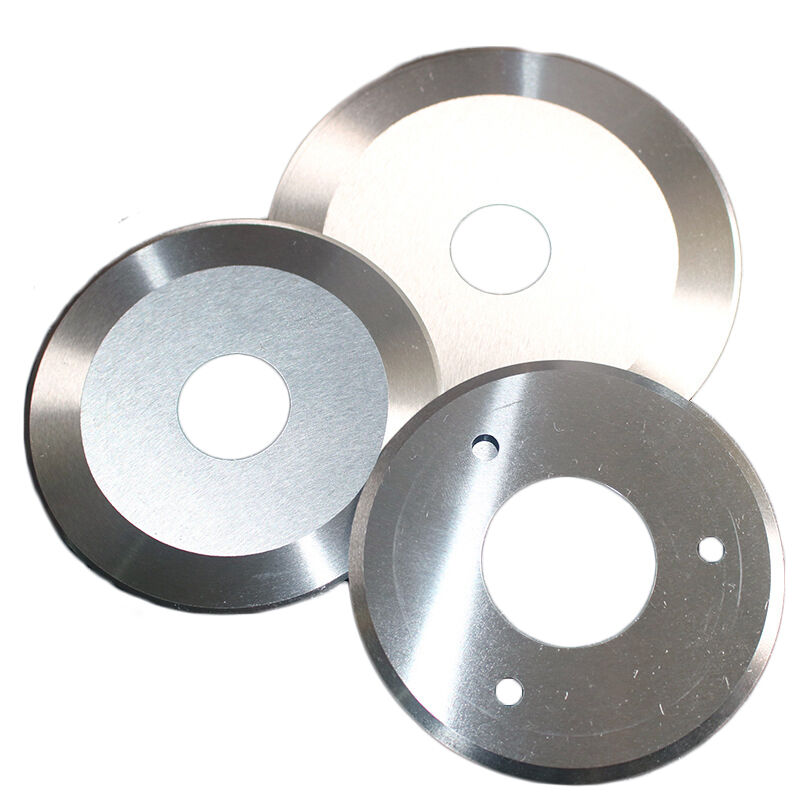
Slitter blades represent precision-engineered cutting tools designed specifically for converting and processing industries where accuracy and consistency matter most. These specialized blades serve the fundamental purpose of cutting wide rolls of material into narrower strips with exact specifications, making them indispensable in modern manufacturing environments. The primary function of slitter blades centers on delivering clean, burr-free cuts across various materials including paper, film, foil, textiles, rubber, and metal sheets. Manufacturing facilities rely on these blades to transform bulk materials into usable widths that meet specific product requirements. Technologically, slitter blades incorporate advanced metallurgy and heat treatment processes that enhance their cutting performance and durability. Premium slitter blades utilize high-grade steel alloys, tungsten carbide, or specialized tool steels that undergo precision grinding and finishing to achieve microscopic edge tolerances. The geometric design of slitter blades varies according to application needs, with options including straight edge, beveled edge, and specialized profile configurations. Surface treatments such as titanium nitride coating or chrome plating extend blade life while reducing friction during operation. The manufacturing process involves computer-controlled grinding systems that ensure uniform thickness and perfect circular geometry, critical factors for achieving consistent cutting results. Applications for slitter blades span numerous industries including packaging, printing, converting, textile manufacturing, metalworking, and plastics processing. In the packaging sector, these blades cut films, laminates, and papers into precise widths for bag making, label production, and flexible packaging applications. The printing industry depends on slitter blades for trimming and sizing printed materials with accuracy that prevents waste and maintains quality standards. Metal service centers employ heavy-duty slitter blades to process steel, aluminum, and copper coils into specified widths for downstream manufacturing. The versatility of slitter blades makes them essential components in rotary knife systems, shear slitting equipment, and razor slitting configurations, each offering distinct advantages for different material characteristics and production requirements.

New Product Releases

Choosing quality slitter blades delivers measurable benefits that directly impact your production efficiency and bottom-line profitability. The first significant advantage comes from extended operational life, which means you replace blades less frequently and keep your production lines running longer between maintenance shutdowns. Quality slitter blades maintain their sharp cutting edges through thousands of cutting cycles, dramatically reducing the downtime associated with blade changes and adjustments. This translates to higher output volumes and better utilization of your equipment investment. The precision cutting capability of professional-grade slitter blades ensures consistent strip widths throughout production runs, eliminating costly material waste from off-specification cuts. When your cuts maintain tight tolerances, you avoid rejecting finished products and reduce raw material consumption, directly improving your profit margins. Clean cutting edges prevent material damage such as tearing, fraying, or deformation that can occur with inferior blades, protecting your valuable materials and maintaining product quality that satisfies your customers. Superior slitter blades generate less heat during cutting operations, which proves especially important when processing temperature-sensitive materials like certain plastics and adhesive-coated films. Lower heat generation preserves material properties and prevents adhesive transfer or melting issues that compromise product quality. Another practical benefit involves reduced cutting force requirements, as sharp, well-designed slades slice through materials with minimal resistance. This characteristic decreases stress on your machinery components, extending equipment lifespan and reducing maintenance costs over time. Operators also appreciate smoother machine operation with less vibration and noise, creating a better working environment. The consistency delivered by premium slitter blades enables faster setup times and easier adjustment procedures, as experienced operators can rely on predictable performance when configuring machines for different materials or width specifications. This reliability accelerates changeovers between production jobs and helps you respond quickly to customer orders. Modern slitter blades also offer versatility across multiple material types, allowing you to handle diverse production requirements without maintaining extensive blade inventories. A single set of quality blades can often process various materials effectively, simplifying your supply chain and reducing storage needs. The improved edge retention of superior slades means your cutting quality remains consistent from the first cut to the last, eliminating the gradual quality degradation that occurs with lower-grade alternatives. This consistency helps you maintain strict quality control standards and reduces inspection requirements. Additionally, investing in quality slitter blades supports sustainable manufacturing practices by minimizing material waste, reducing energy consumption through efficient cutting, and decreasing the disposal requirements associated with frequent blade replacements. These environmental benefits align with modern corporate responsibility goals while delivering practical cost savings.

Practical Tips

How to Choose the Right Circular Knife for Your Cutting Application

25

Mar

How to Choose the Right Circular Knife for Your Cutting Application

Selecting the appropriate cutting tool for industrial applications can significantly impact productivity, product quality, and operational costs. Among the various cutting instruments available in manufacturing environments, the circular knife stands...
View More
Maximizing ROI with Quality Corrugated Cardboard Cutting Blade

25

Mar

Maximizing ROI with Quality Corrugated Cardboard Cutting Blade

In today's competitive packaging industry, maximizing return on investment requires strategic investments in high-quality equipment and tools. The efficiency of your corrugated cardboard production line directly impacts your bottom line, and selectin...
View More
Common Slitter Blades Problems and Solutions

30

Mar

Common Slitter Blades Problems and Solutions

Manufacturing operations that rely on slitter blades face a variety of challenges that can significantly impact production efficiency, material quality, and operational costs. Understanding the most common problems associated with slitter blades and ...
View More
How to Choose the Perfect Metal Cutting Blade: Pro Guide

06

May

How to Choose the Perfect Metal Cutting Blade: Pro Guide

Selecting the right metal cutting blade is a critical decision that directly impacts production efficiency, cut quality, blade lifespan, and overall operational costs in industrial metalworking operations. Whether you're processing thin gauge steel, ...
View More

Get a Free Quote

Our representative will contact you soon.
Email
WhatsApp
Name
Company Name
Message
0/1000

slitter blades

Exceptional Durability and Extended Service Life Minimize Production Interruptions

Exceptional Durability and Extended Service Life Minimize Production Interruptions

The superior durability of premium slitter blades stands as one of their most valuable characteristics, directly addressing the constant challenge manufacturers face in maintaining continuous production flow. These blades utilize advanced metallurgical formulations and sophisticated heat treatment processes that fundamentally transform their performance capabilities compared to standard cutting tools. The base materials selected for quality slitter blades typically include high-carbon tool steels, high-speed steels, or tungsten carbide composites, each chosen for specific properties that enhance cutting performance and longevity. Manufacturing processes subject these materials to precise heat treatment cycles that optimize hardness, toughness, and wear resistance in carefully balanced proportions. The result is a cutting edge that maintains its geometry and sharpness through extended production runs, resisting the gradual wear that degrades cutting quality in inferior products. Surface engineering treatments further enhance durability by creating protective layers that reduce friction and prevent corrosive attack from materials being processed. Titanium nitride coatings, chromium plating, and specialized surface hardening treatments create barriers that preserve the underlying blade structure while providing lubricity that eases material passage during cutting operations. This extended service life delivers multiple practical advantages for production managers and business owners. Reduced blade replacement frequency translates directly to decreased maintenance labor costs, as technicians spend less time changing blades and more time supporting productive operations. The consistency of cutting performance throughout the blade's extended lifespan eliminates quality variations that can occur as cutting edges gradually degrade, ensuring uniform product specifications from first cut to last. Procurement departments benefit from reduced ordering frequency and lower inventory carrying costs when blades last significantly longer. Production scheduling becomes more predictable when blade life is consistent and extended, allowing managers to plan maintenance windows more effectively without unexpected interruptions. The financial impact of extended blade life compounds across multiple factors, including direct blade costs, labor expenses, machine downtime costs, and potential quality issues from degraded cutting performance. For high-volume operations running multiple shifts, these savings accumulate rapidly into substantial annual benefits that justify the initial investment in premium slitter blades.
Precision Engineering Delivers Consistent Cutting Quality Across All Applications

Precision Engineering Delivers Consistent Cutting Quality Across All Applications

The precision engineering inherent in quality slitter blades represents a critical differentiator that separates professional-grade products from basic alternatives, with measurable impacts on product quality and operational efficiency. Manufacturing slitter blades to exacting specifications requires sophisticated equipment and rigorous quality control processes that ensure every dimensional characteristic meets tight tolerances. Computer-controlled grinding systems create perfectly circular blade profiles with thickness variations measured in microns, ensuring balanced rotation and uniform cutting pressure around the entire circumference. Edge geometry receives particular attention, as the angle, sharpness, and finish of the cutting edge directly determine cutting quality and blade longevity. Precision grinding creates edges with microscopic consistency, eliminating irregularities that cause cutting defects or accelerate wear. The flatness and parallel characteristics of blade faces ensure proper contact with counter blades or support rollers in slitting systems, preventing misalignment issues that compromise cutting quality. Balancing procedures reduce vibration during high-speed operation, contributing to cleaner cuts and extended bearing life in slitting equipment. This precision engineering delivers practical benefits that production teams recognize immediately in their daily operations. Materials cut with precision blades exhibit clean edges free from burrs, tears, or deformation that can occur with lower-quality alternatives. This clean cutting reduces or eliminates secondary edge finishing operations, streamlining production processes and reducing labor requirements. Product consistency improves dramatically when cutting dimensions remain stable across long production runs, reducing quality inspection requirements and minimizing rejected products. The predictable performance of precision-engineered slitter blades simplifies machine setup and adjustment procedures, as operators can rely on consistent behavior when configuring equipment for different materials or specifications. This reliability accelerates changeovers between production jobs and reduces the learning curve for new operators. Precision blades also contribute to equipment longevity by reducing vibration and uneven loading on machine components, decreasing maintenance requirements for bearings, shafts, and drive systems. The cumulative effect of these precision characteristics creates a production environment where quality is consistent, waste is minimized, and operational efficiency reaches optimal levels.
Versatile Material Compatibility Simplifies Inventory Management and Production Flexibility

Versatile Material Compatibility Simplifies Inventory Management and Production Flexibility

The remarkable versatility of modern slitter blades in handling diverse material types represents a strategic advantage for manufacturers serving multiple markets or processing varied product lines. Advanced blade designs and material formulations enable single blade sets to perform effectively across material categories that traditionally required specialized cutting tools, simplifying procurement and inventory management while enhancing production flexibility. This versatility stems from careful optimization of blade geometry, edge angles, and material properties to accommodate the different cutting characteristics of various substrates. Film materials require extremely sharp edges and specific clearance angles to prevent stretching or tearing during cutting, while paper products benefit from different edge configurations that minimize dust generation and achieve clean separation. Metal foils demand hardness and wear resistance to withstand the abrasive nature of metallic materials, whereas textile applications need edges that cleanly sever fibers without pulling or fraying. Quality slitter blades achieve this versatility through sophisticated design that balances these competing requirements, creating tools that perform admirably across multiple applications. The practical advantages of this versatility extend throughout manufacturing operations and business management. Procurement departments benefit from simplified purchasing processes when fewer blade variations are required to support diverse production needs, reducing the complexity of supplier relationships and negotiations. Inventory management becomes more straightforward with consolidated blade specifications, decreasing storage requirements and reducing the capital tied up in spare parts inventories. The risk of production delays due to unavailable specialized blades diminishes significantly when versatile blades can substitute across multiple applications. Production scheduling gains flexibility when equipment can be reconfigured for different materials without requiring complete blade changes, enabling faster responses to customer demands and market opportunities. Maintenance teams appreciate the simplified training requirements when fewer blade types require understanding and expertise, improving workforce efficiency and reducing the knowledge gap when experienced personnel are unavailable. Quality control processes benefit from the consistent performance characteristics that versatile blades provide across different materials, allowing standardized inspection procedures and quality metrics. The business agility enabled by versatile slitter blades proves especially valuable in dynamic markets where customer requirements evolve rapidly and production mix changes frequently. Manufacturers can confidently accept diverse orders knowing their cutting capabilities span multiple material types without significant equipment modifications or delays, enhancing competitiveness and customer satisfaction while maintaining operational efficiency.

Get a Free Quote

Our representative will contact you soon.
Email
WhatsApp
Name
Company Name
Message
0/1000
Newsletter
Please Leave A Message With Us