Thin Blade Slitter Technology: Precision Cutting Solutions for Industrial Material Processing

All Categories

Get a Free Quote

Our representative will contact you soon.
Email
WhatsApp
Name
Company Name
Message
0/1000

thin blade slitter

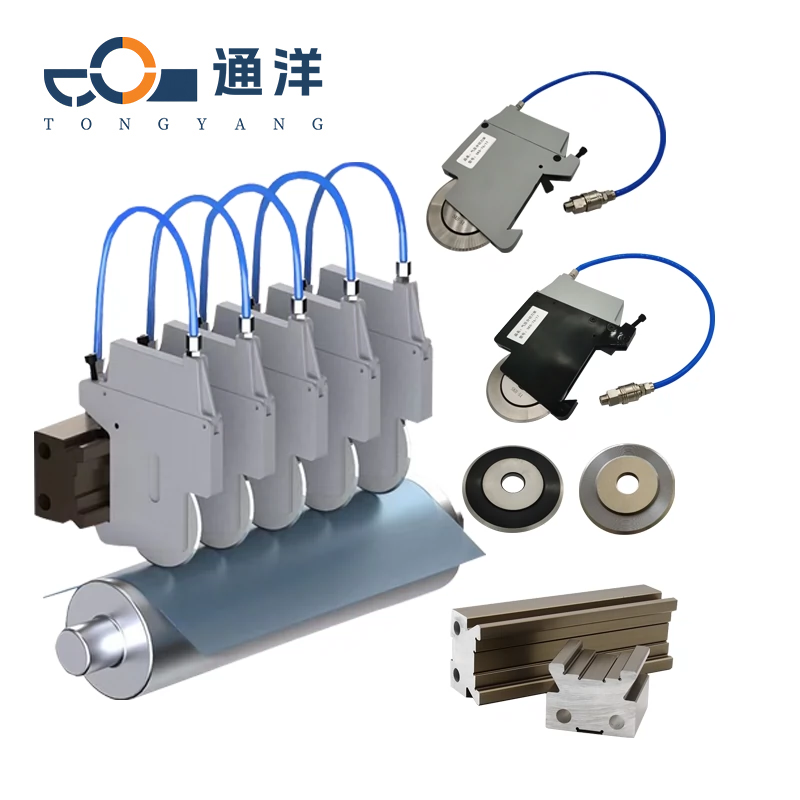
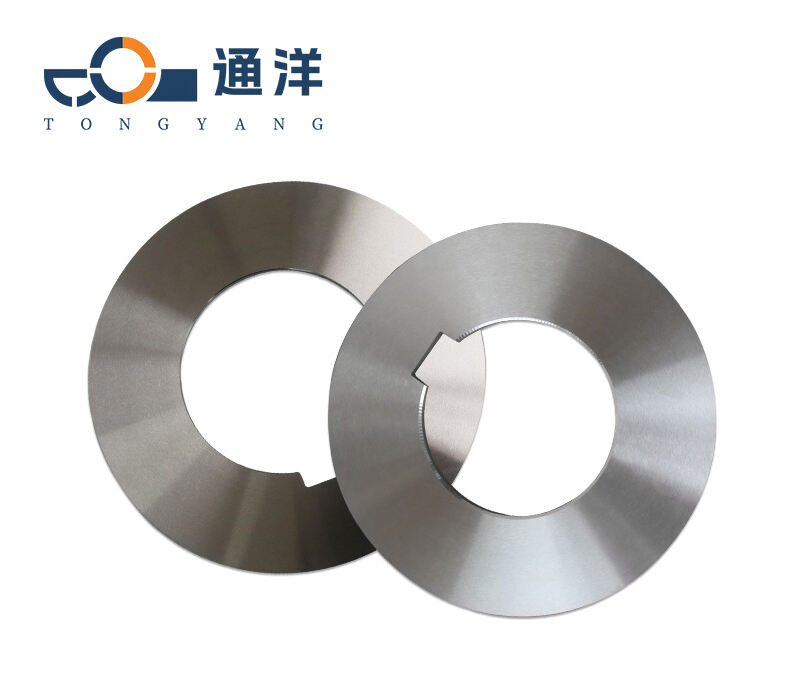
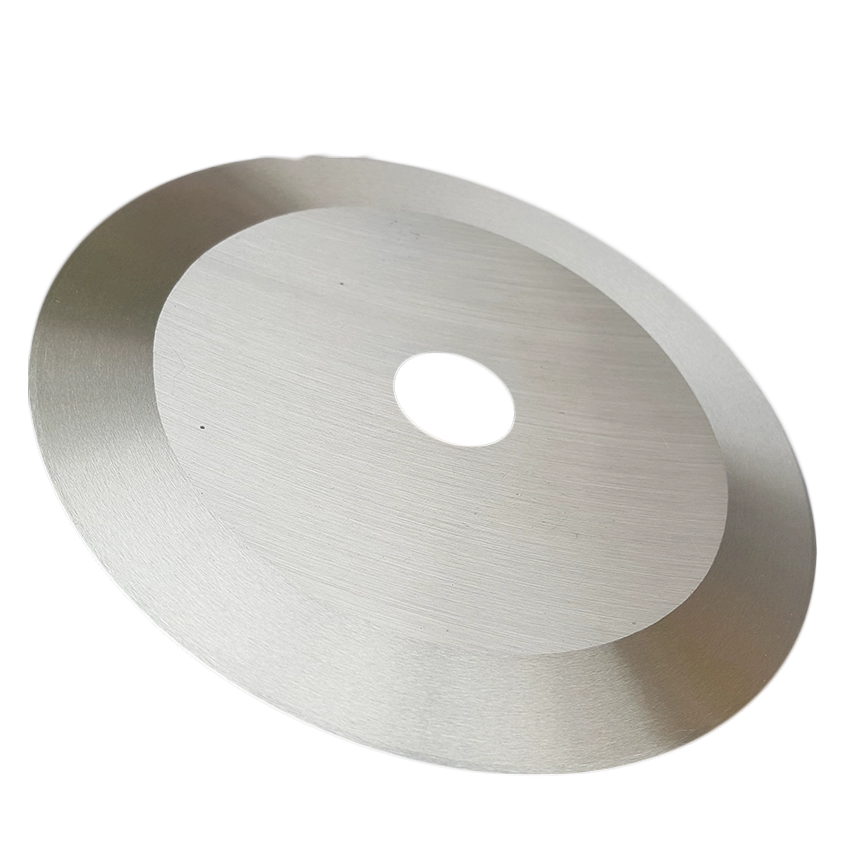
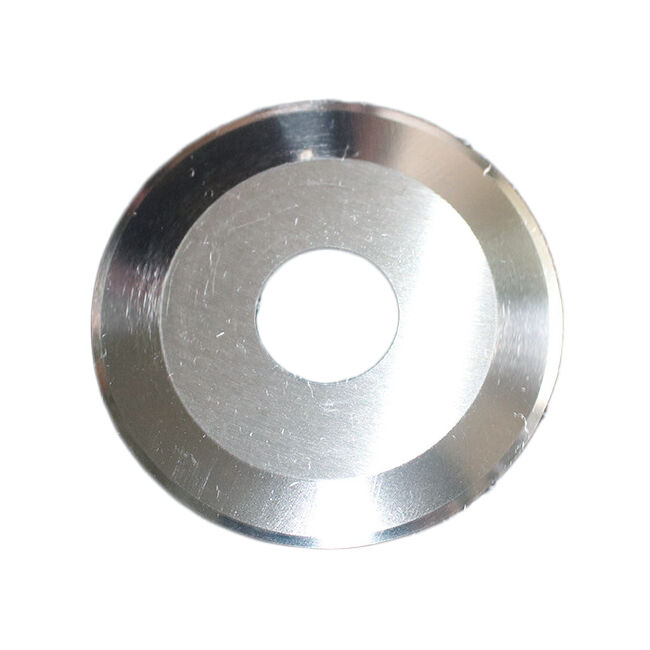
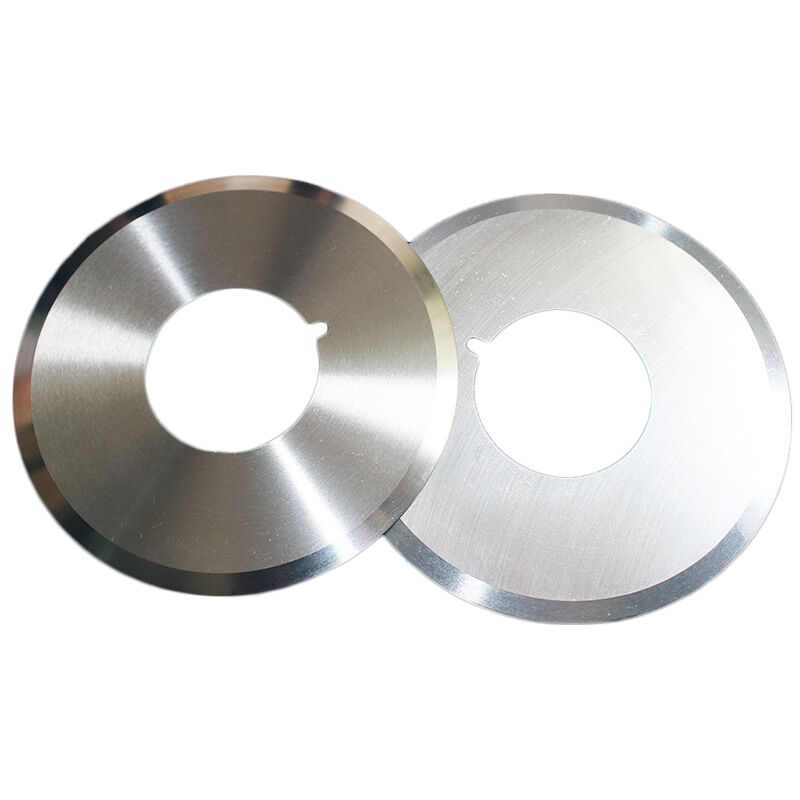
The thin blade slitter represents a sophisticated cutting solution designed for precision slicing operations across multiple manufacturing sectors. This advanced machinery utilizes ultra-thin cutting blades to divide large rolls of material into narrower widths with exceptional accuracy and minimal waste. The thin blade slitter operates through a carefully engineered system that combines sharp cutting elements with precise tension control mechanisms, ensuring clean edges and consistent results throughout the production process. Manufacturing facilities rely on this equipment to transform master rolls of various substrates into specific dimensions required for downstream applications. The core functionality centers on the blade assembly, which features remarkably slim cutting tools that penetrate materials with minimal resistance, reducing friction and heat generation during operation. This technology incorporates sophisticated guiding systems that maintain perfect alignment throughout the cutting cycle, preventing material drift and ensuring dimensional consistency. The thin blade slitter accommodates diverse material types, including films, foils, papers, fabrics, and specialized technical textiles, making it an invaluable asset for converters and processors. Modern iterations feature programmable control systems that enable operators to configure cutting parameters, monitor performance metrics, and adjust settings for different materials without extensive manual intervention. The machine architecture typically includes unwind stands, tension regulation units, the cutting station with thin blade technology, and rewind mechanisms that collect the finished rolls. Safety features are integrated throughout the design, protecting operators while maintaining optimal productivity levels. The thin blade slitter distinguishes itself through its ability to achieve tighter tolerances compared to conventional cutting methods, delivering superior edge quality that eliminates secondary finishing operations. Industries ranging from packaging and labeling to electronics and medical device manufacturing depend on this technology to meet stringent quality standards while maximizing material utilization and operational efficiency.

Popular Products

The thin blade slitter delivers substantial economic benefits by reducing material waste during the cutting process, allowing businesses to extract maximum value from raw material investments. The precision cutting capability ensures that every slice meets exact specifications, eliminating costly rejects and rework that drain profitability. Companies experience faster production cycles because the thin blade technology cuts through materials with minimal resistance, enabling higher operational speeds without compromising quality. The clean cutting action produces edges that require no additional finishing, saving time and labor costs associated with secondary processing steps. Operators appreciate the user-friendly controls that simplify setup procedures and reduce training requirements, allowing personnel to become proficient quickly and maintain consistent output quality. The equipment demonstrates remarkable versatility by handling various material types and thicknesses without requiring extensive reconfiguration or specialized tooling changes. Manufacturers benefit from reduced downtime because the thin blade design experiences less wear compared to thicker cutting elements, extending intervals between blade replacements and maintenance activities. Energy efficiency represents another significant advantage, as the slim blade profile requires less power to penetrate materials, contributing to lower operational costs and supporting sustainability initiatives. The consistent tension control prevents material distortion during cutting, ensuring that finished rolls maintain their dimensional integrity and perform reliably in subsequent manufacturing processes. Quality control becomes more manageable because the thin blade slitter produces uniform results across entire production runs, reducing variation and simplifying compliance with customer specifications. The compact blade design minimizes the footprint required for the cutting station, allowing facilities to optimize floor space utilization and potentially integrate additional processing equipment within existing layouts. Businesses gain competitive advantages through faster turnaround times on custom orders, as the quick changeover capabilities enable efficient transitions between different products and specifications. The reduced friction during cutting operations generates less heat, preventing thermal damage to temperature-sensitive materials and expanding the range of substrates that can be processed effectively. Investment in thin blade slitter technology pays dividends through improved customer satisfaction, as the superior edge quality and dimensional accuracy enhance the performance characteristics of finished products in end-use applications.

Latest News

5 Best Metal Cutting Blade Options for DIY Projects

25

Mar

5 Best Metal Cutting Blade Options for DIY Projects

Choosing the right metal cutting blade can make the difference between a successful DIY project and a frustrating experience filled with poor cuts and damaged materials. Whether you're working on home renovations, crafting custom metalwork, or tackli...
View More
Paper Cutting Blade Safety: Essential Guidelines

23

Apr

Paper Cutting Blade Safety: Essential Guidelines

Workplace safety incidents involving paper cutting blade equipment account for thousands of injuries annually across commercial and industrial facilities. From minor cuts to severe lacerations requiring medical attention, these incidents often stem f...
View More
2025 Guide: Choosing the Right Slitter Blades for Your Industry

09

Apr

2025 Guide: Choosing the Right Slitter Blades for Your Industry

Selecting the appropriate slitter blades for your specific industry applications represents a critical decision that directly impacts operational efficiency, product quality, and overall production costs. Industrial cutting operations across manufact...
View More
Common Slitter Blades Problems and Solutions

30

Mar

Common Slitter Blades Problems and Solutions

Manufacturing operations that rely on slitter blades face a variety of challenges that can significantly impact production efficiency, material quality, and operational costs. Understanding the most common problems associated with slitter blades and ...
View More

Get a Free Quote

Our representative will contact you soon.
Email
WhatsApp
Name
Company Name
Message
0/1000

thin blade slitter

Exceptional Precision Engineering for Superior Cutting Accuracy

Exceptional Precision Engineering for Superior Cutting Accuracy

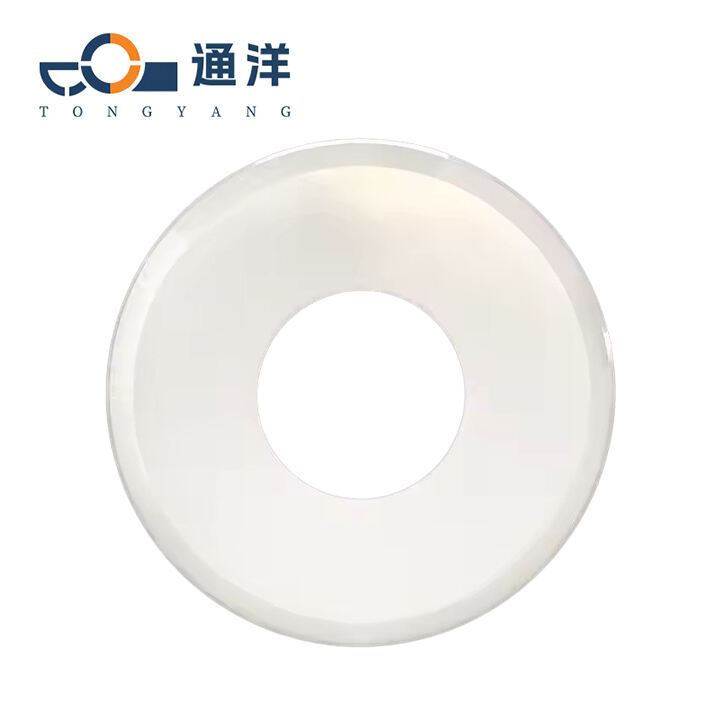
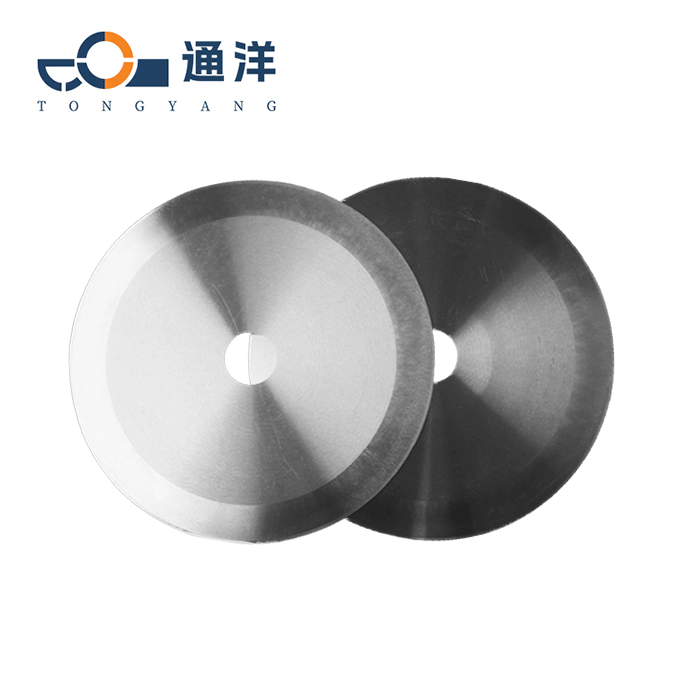
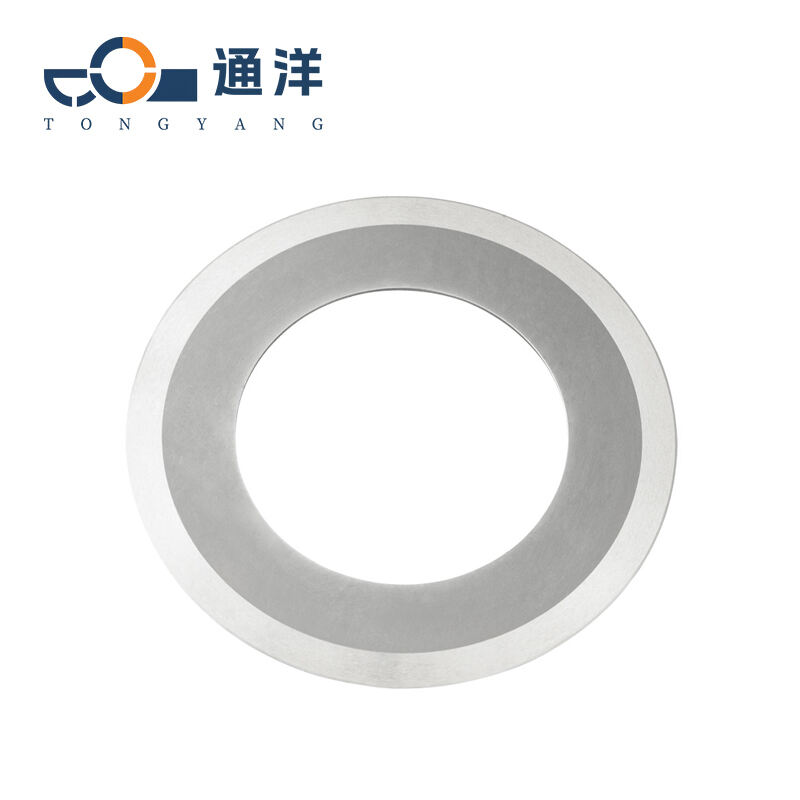
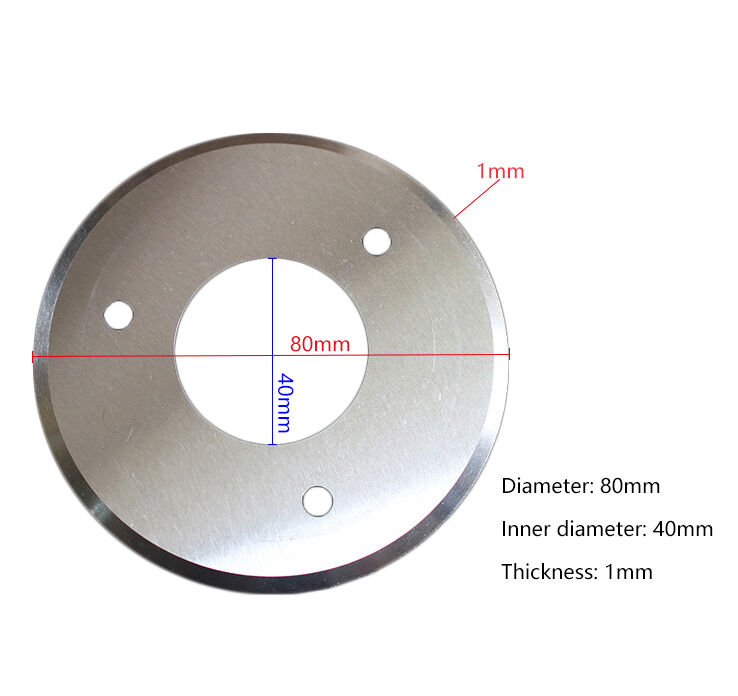
The thin blade slitter achieves remarkable precision through advanced engineering principles that govern every aspect of the cutting operation. The blade thickness typically measures just fractions of a millimeter, allowing the cutting edge to penetrate materials with surgical precision while creating minimal disruption to the substrate structure. This ultra-thin profile reduces the kerf width, which represents the amount of material removed during cutting, thereby maximizing yield from every master roll processed. The precision manufacturing of these blades ensures perfect balance and symmetry, preventing vibration that could compromise cut quality or damage sensitive materials. Specialized blade materials and heat treatment processes create edges that maintain sharpness through extended production runs, delivering consistent performance that manufacturers depend upon for meeting tight tolerances. The mounting systems that hold these blades incorporate micro-adjustment mechanisms, enabling operators to position cutting elements with extraordinary accuracy relative to material pathways and adjacent blades. This level of control proves essential when producing narrow strips where dimensional variations of even tenths of millimeters can render products unusable. The thin blade slitter employs sophisticated guiding technologies that track material position continuously, making real-time corrections to compensate for any tendency toward drift or misalignment. Optical sensors and electronic feedback systems monitor cutting operations, providing data that operators use to optimize performance and identify potential issues before they affect product quality. The precision capabilities extend beyond simple straight cuts, as advanced thin blade slitter configurations can execute complex cutting patterns while maintaining the same exacting standards. Manufacturers processing high-value materials particularly appreciate how precision cutting minimizes scrap generation, directly impacting profitability by ensuring maximum utilization of expensive substrates. The accuracy achievable with thin blade technology enables producers to meet increasingly demanding specifications from customers in industries where dimensional consistency directly affects product functionality and reliability in critical applications.
Versatile Material Processing Capabilities Across Industries

Versatile Material Processing Capabilities Across Industries

The thin blade slitter demonstrates exceptional versatility by accommodating an extensive range of material types, thicknesses, and physical properties within a single equipment platform. This adaptability stems from carefully designed blade geometries and adjustable cutting parameters that operators can configure to suit specific substrate characteristics. Flexible films used in packaging applications cut cleanly without tearing or deformation, maintaining the material integrity essential for barrier properties and printability. Paper and paperboard products ranging from lightweight tissues to heavy cardboard convert efficiently, with the thin blade creating smooth edges that prevent fiber pull-out and fuzzing. Metallic foils and laminates that combine multiple layers with different properties slice precisely, with the blade penetrating each layer cleanly without delamination or separation. Technical textiles and nonwoven materials used in filtration, medical, and industrial applications process successfully, as the thin blade minimizes fraying and maintains the engineered structure that determines performance characteristics. Adhesive-coated materials present challenges for many cutting systems, but thin blade slitter technology reduces adhesive buildup on cutting edges through the minimal contact area and specialized coatings that prevent tackiness transfer. The equipment handles materials with varying elasticity, from rigid substrates that require firm support to stretchy films that need careful tension management to prevent distortion during cutting. Temperature-sensitive materials benefit from the low heat generation associated with thin blade cutting, avoiding thermal damage that could alter physical properties or compromise product performance. Operators can process materials in different formats, including continuous rolls of varying diameters and core sizes, adapting the equipment configuration to match incoming material specifications. The versatility extends to production flexibility, as the thin blade slitter readily switches between different product configurations, supporting both long production runs of standardized items and short runs of custom specifications. This adaptability proves invaluable for converters serving diverse markets where customer requirements vary significantly and rapid response capabilities provide competitive differentiation in winning new business opportunities.
Enhanced Operational Efficiency and Cost-Effective Performance

Enhanced Operational Efficiency and Cost-Effective Performance

The thin blade slitter delivers outstanding operational efficiency through design features that maximize productivity while minimizing resource consumption and maintenance requirements. The streamlined cutting action enabled by thin blade geometry allows equipment to operate at higher speeds compared to conventional slitting technologies, increasing throughput without sacrificing quality or introducing defects. Automated tension control systems maintain optimal material handling conditions throughout the cutting process, preventing common problems like wrinkles, telescoping, and edge damage that force production interruptions and generate waste. Quick-change blade mounting systems reduce setup times when transitioning between different products or replacing worn cutting elements, keeping equipment productive and minimizing the impact of changeovers on overall efficiency. The reduced friction associated with thin blade cutting translates directly into lower energy consumption, as drive motors require less power to maintain operational speeds, contributing to reduced operating costs and supporting corporate sustainability objectives. Preventive maintenance requirements decrease because the thin blade design experiences less mechanical stress during cutting operations, extending component life and reducing the frequency of service interventions that take equipment offline. Operators benefit from intuitive control interfaces that provide clear visibility into operational parameters, enabling quick adjustments when processing characteristics change and facilitating proactive management that prevents quality issues. The precision cutting capability eliminates secondary processing steps traditionally required to clean up rough edges or achieve final dimensions, removing entire operations from the production workflow and accelerating order fulfillment. Material waste reduction represents a significant efficiency gain, as the thin kerf and accurate cutting minimize trim scrap and enable tighter nesting of cut pieces, extracting more sellable product from each master roll. Consistent edge quality reduces customer complaints and returns, avoiding the costs and disruptions associated with quality failures that damage business relationships and erode profit margins. The operational efficiency extends to space utilization, as modern thin blade slitter designs incorporate compact footprints that maximize production capacity within available floor space, potentially deferring or eliminating facility expansion investments. These combined efficiency factors create compelling economic advantages that strengthen return on investment calculations and justify technology adoption even in cost-sensitive competitive environments where operational excellence differentiates market leaders.

Get a Free Quote

Our representative will contact you soon.
Email
WhatsApp
Name
Company Name
Message
0/1000
Newsletter
Please Leave A Message With Us