 EN
EN

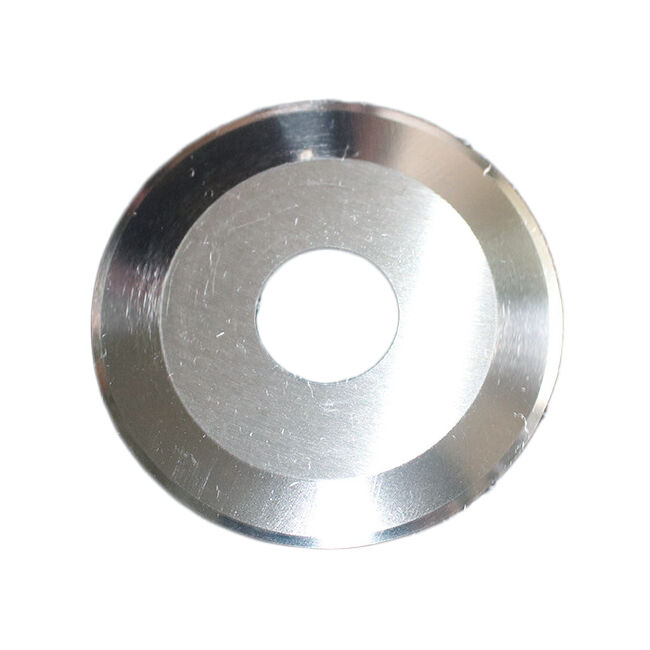
Selecting the appropriate slitter blades for your specific industry applications represents a critical decision that directly impacts operational efficiency, product quality, and overall production costs. Industrial cutting operations across manufacturing sectors depend heavily on precision-engineered slitter blades that deliver consistent performance while maintaining durability under demanding conditions. Understanding the unique requirements of your industry helps ensure optimal blade selection that maximizes productivity and minimizes downtime.
The complexity of modern manufacturing processes demands slitter blades engineered to meet diverse material characteristics, cutting speeds, and precision requirements. From textile processing to metal fabrication, each industry presents unique challenges that influence blade geometry, material composition, and edge configuration. Making informed decisions about slitter blade selection requires comprehensive knowledge of material properties, cutting mechanics, and performance expectations specific to your operational environment.
Understanding Industry-Specific Material Requirements
Textile and Fabric Processing Considerations
Textile manufacturing operations require slitter blades designed specifically for fabric characteristics and fiber compositions. Natural fibers like cotton and wool demand different cutting approaches compared to synthetic materials such as polyester or nylon. The blade edge geometry must accommodate varying fabric weights, from lightweight silks to heavy canvas materials, while maintaining clean cuts without fraying or distortion.
Advanced textile applications involving technical fabrics, composites, and nonwoven materials present additional challenges for slitter blades. These materials often require specialized coatings or treatments to prevent adhesive buildup and maintain cutting precision. The selection process must consider fabric tension requirements, cutting speeds, and the need for burr-free edges that preserve material integrity throughout processing.
Metal Processing and Sheet Cutting Applications
Metal slitting operations demand robust slitter blades capable of withstanding extreme forces and maintaining sharp edges through extended use. Different metal grades, from aluminum alloys to stainless steel, require specific blade materials and geometries optimized for their hardness and cutting characteristics. The blade selection must account for material thickness, cutting speed requirements, and the need for consistent edge quality across production runs.
Specialized metal processing applications, including precision strips for automotive or aerospace industries, require slitter blades with exceptional dimensional accuracy and surface finish capabilities. These demanding applications often necessitate custom blade designs featuring specific rake angles, clearance specifications, and surface treatments that optimize cutting performance while extending operational life.
Paper and Packaging Industry Specifications
Paper processing operations utilize slitter blades engineered for the unique characteristics of various paper grades and packaging materials. Lightweight papers require ultra-sharp edges to prevent tearing, while heavy cardboard and corrugated materials need robust blade designs capable of clean penetration without crushing. The blade selection process must consider moisture content effects, coating interactions, and the need for consistent cut quality across varying material conditions.
Converting operations involving laminated materials, adhesive-backed products, and specialty papers present additional challenges for slitter blades. These applications often require specialized edge treatments or coatings to prevent material buildup and maintain cutting precision. Understanding the interaction between blade characteristics and specific material properties ensures optimal performance in diverse paper processing environments.
Blade Material Selection Criteria
High-Speed Steel Options and Applications
High-speed steel represents a versatile choice for slitter blades across multiple industries, offering excellent balance between hardness, toughness, and machinability. These blade materials provide superior edge retention compared to carbon steel alternatives while maintaining workability for custom grinding and modification. The selection of specific high-speed steel grades depends on cutting application requirements, expected production volumes, and maintenance capabilities within your operation.
Advanced high-speed steel formulations incorporate alloying elements that enhance performance characteristics for demanding slitting applications. Cobalt-enhanced grades provide increased hardness and heat resistance, making them suitable for high-speed cutting operations or materials that generate significant heat during processing. Understanding the relationship between steel composition and cutting performance helps optimize blade selection for specific industrial requirements.
Carbide and Tool Steel Considerations
Carbide slitter blades offer exceptional hardness and wear resistance for applications involving abrasive materials or high-volume production requirements. These blade materials maintain sharp cutting edges significantly longer than conventional steel options, reducing replacement frequency and maintenance costs. However, carbide blades require careful handling and specialized grinding equipment, making them most suitable for operations with appropriate infrastructure and expertise.
Tool steel alternatives provide intermediate performance between high-speed steel and carbide options, offering enhanced durability while maintaining reasonable cost considerations. These materials work particularly well in applications requiring custom blade geometries or specialized edge treatments that may not be feasible with carbide alternatives. The selection process must balance performance requirements against operational constraints and economic considerations.
Specialized Coatings and Surface Treatments
Modern slitter blades often incorporate specialized coatings designed to enhance performance in specific cutting applications. Titanium nitride coatings provide increased surface hardness and reduced friction, extending blade life while improving cut quality. These treatments prove particularly valuable in applications involving sticky materials or operations requiring extended production runs without blade changes.
Advanced coating technologies including diamond-like carbon and ceramic treatments offer superior performance for demanding slitting applications. These specialized surface treatments provide exceptional wear resistance and chemical inertness, making them suitable for processing materials that would quickly degrade conventional blade surfaces. Understanding coating capabilities and limitations ensures appropriate selection for specific industrial requirements.
Geometric Design Factors for Optimal Performance
Edge Angle and Cutting Geometry
The cutting edge angle represents a critical parameter in slitter blade design, directly influencing cutting forces, edge retention, and finished product quality. Acute angles provide superior cutting performance with reduced force requirements but may sacrifice durability in demanding applications. Conversely, more obtuse angles offer enhanced edge strength at the expense of increased cutting forces and potential material distortion.
Advanced blade geometries incorporate compound angles and specialized edge configurations optimized for specific material types and cutting conditions. These sophisticated designs balance cutting efficiency with operational durability, providing optimal performance across varying production requirements. Understanding the relationship between edge geometry and material behavior enables informed decisions about blade specifications for your particular applications.
Blade Thickness and Rigidity Requirements
Blade thickness selection significantly impacts cutting precision, deflection characteristics, and overall slitting performance. Thinner blades reduce cutting forces and minimize material waste but may lack sufficient rigidity for high-tension applications or thick material processing. Thicker blade designs provide enhanced stability and durability while potentially increasing cutting forces and kerf width considerations.
Specialized applications may require custom thickness specifications optimized for particular material characteristics or production requirements. These custom designs must consider machine capabilities, setup procedures, and maintenance requirements while delivering the performance characteristics necessary for successful operation. Proper thickness selection ensures optimal balance between precision, durability, and operational efficiency.
Surface Finish and Quality Specifications
Surface finish quality directly affects slitter blade performance, particularly in applications requiring superior edge quality or extended operational life. Mirror-polished surfaces reduce friction and material adhesion while providing enhanced corrosion resistance in challenging environments. These premium finishes prove especially valuable in food processing, pharmaceutical, or other applications with strict cleanliness requirements.
Specialized surface textures and treatments can enhance blade performance for specific applications, such as micro-serrated edges for certain fibrous materials or textured surfaces that improve material handling characteristics. Understanding the relationship between surface finish and cutting performance helps optimize blade selection for particular operational requirements while considering cost and maintenance implications.
Machine Compatibility and Setup Considerations
Mounting System Requirements
Proper slitter blade mounting represents a critical factor in achieving optimal cutting performance and operational safety. Different slitting machines utilize various mounting systems, from simple holder designs to complex pneumatic or hydraulic clamping mechanisms. Understanding your equipment specifications ensures selection of compatible blade designs that integrate seamlessly with existing machinery while providing secure, repeatable positioning.
Advanced mounting systems offer enhanced adjustment capabilities and improved blade stability during operation. These sophisticated mechanisms enable fine-tune positioning adjustments that optimize cutting performance while reducing setup time and operator skill requirements. Evaluating mounting system capabilities helps determine whether blade upgrades might require corresponding equipment modifications or enhancements.
Clearance and Adjustment Parameters
Blade clearance settings significantly influence cutting quality, tool life, and operational efficiency in slitting applications. Proper clearance ensures clean material separation while minimizing cutting forces and reducing blade wear. However, excessive clearance can result in material distortion or incomplete cuts, while insufficient clearance may cause premature blade failure or material jamming.
Different materials and cutting applications require specific clearance settings optimized for their unique characteristics. Understanding the relationship between material properties, blade geometry, and clearance requirements enables proper setup procedures that maximize performance while minimizing operational issues. Regular monitoring and adjustment of clearance settings ensures consistent cutting quality throughout production runs.
Speed and Feed Rate Optimization
Operating speed selection directly impacts slitter blade performance, affecting cutting quality, tool life, and production efficiency. Higher speeds generally improve productivity but may generate excessive heat or cause material distortion in sensitive applications. Lower speeds typically provide superior cut quality and extended blade life but may reduce overall production throughput.
Feed rate optimization involves balancing material advance speed with cutting capabilities to achieve desired quality standards while maximizing productivity. These parameters must consider material characteristics, blade specifications, and machine capabilities to ensure optimal performance. Understanding the interaction between speed, feed rate, and cutting conditions enables development of operating procedures that maximize both quality and efficiency.
Quality Assessment and Performance Monitoring
Cut Quality Evaluation Methods
Systematic evaluation of cut quality provides essential feedback for optimizing slitter blade performance and identifying potential issues before they impact production. Visual inspection techniques assess edge straightness, surface finish, and the presence of burrs or other defects that may indicate improper blade selection or setup. Standardized evaluation procedures ensure consistent quality assessment across different operators and production shifts.
Advanced measurement techniques utilizing precision instruments enable quantitative assessment of cut quality parameters including dimensional accuracy, surface roughness, and edge straightness. These sophisticated evaluation methods provide objective data for process optimization and quality control while documenting performance trends that inform future blade selection decisions. Implementing comprehensive quality assessment procedures ensures consistent product quality while maximizing blade utilization efficiency.
Blade Life Monitoring and Replacement Scheduling
Effective blade life monitoring systems track performance indicators that predict optimal replacement timing, minimizing unplanned downtime while maximizing blade utilization. These monitoring approaches evaluate cutting quality trends, force measurements, and production output to establish reliable replacement schedules. Proactive replacement scheduling prevents quality degradation while optimizing operational costs and productivity.
Advanced monitoring systems incorporate sensors and data analysis capabilities that provide real-time feedback on blade condition and performance trends. These sophisticated approaches enable predictive maintenance scheduling while identifying operational factors that influence blade life. Understanding blade wear patterns and failure modes helps optimize both selection criteria and operating procedures for enhanced performance and cost effectiveness.
FAQ
How do I determine the correct blade material for my specific slitting application?
Blade material selection depends on several key factors including the type of material being cut, production volume requirements, cutting speed needs, and desired blade life. For general applications involving paper or lightweight materials, high-speed steel blades often provide excellent performance and cost-effectiveness. More demanding applications involving abrasive materials or high-volume production may benefit from carbide blades despite their higher initial cost. Consider consulting with blade manufacturers who can analyze your specific requirements and recommend optimal material selections based on your operational parameters and performance expectations.
What blade thickness should I choose for my slitting operations?
Blade thickness selection involves balancing cutting precision requirements with operational stability needs. Thinner blades typically provide superior cutting quality with reduced material waste but may lack sufficient rigidity for high-tension applications or thick material processing. Thicker blades offer enhanced stability and durability while potentially requiring higher cutting forces. Most standard slitting applications work well with blade thicknesses ranging from 0.5mm to 3mm, though specific requirements depend on material characteristics, machine capabilities, and precision requirements. Evaluate your particular cutting conditions and consult equipment specifications to determine optimal thickness for your applications.
How often should slitter blades be replaced or resharpened?
Blade replacement or resharpening frequency varies significantly based on material being cut, production volume, blade quality, and operating conditions. High-quality slitter blades processing paper materials might operate effectively for several thousand linear feet before requiring attention, while abrasive materials may necessitate more frequent maintenance. Monitor cut quality indicators such as edge fraying, increased cutting forces, or dimensional variations to determine optimal replacement timing. Establishing regular inspection schedules and maintaining detailed performance records helps develop reliable replacement intervals that balance productivity with quality requirements while minimizing unexpected downtime.
Can different blade types be used on the same slitting machine?
Most modern slitting machines accommodate various blade types within their design specifications, though compatibility depends on mounting system requirements, blade dimensions, and operational parameters. Different blade materials, thicknesses, or edge geometries can often be utilized on the same equipment provided they meet mounting interface requirements and operate within machine capability limits. However, changing blade types may require adjustment of operating parameters such as cutting speed, clearance settings, or clamping force to achieve optimal performance. Always verify compatibility with equipment manufacturers and conduct thorough testing when transitioning between different blade specifications to ensure safe operation and optimal cutting results.