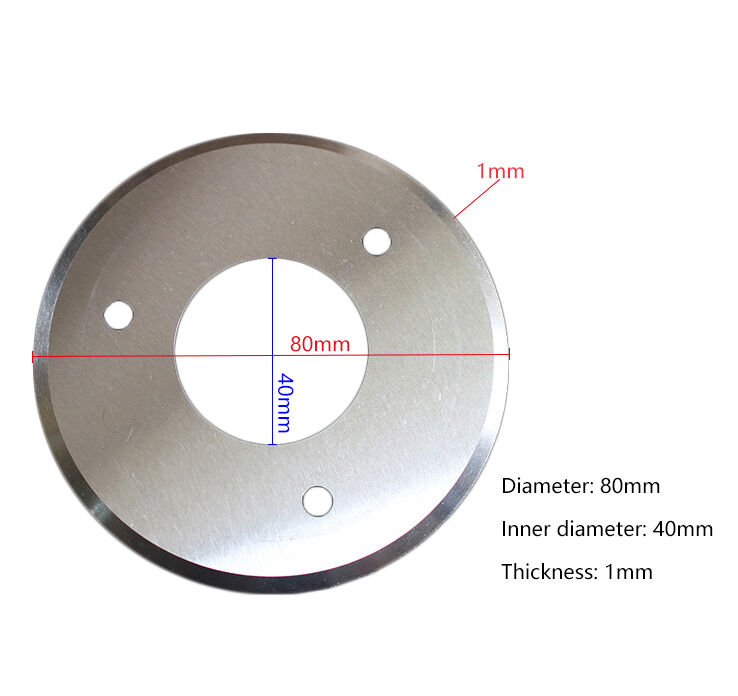
Simplified Operation and Maintenance Reducing Total Ownership Cost
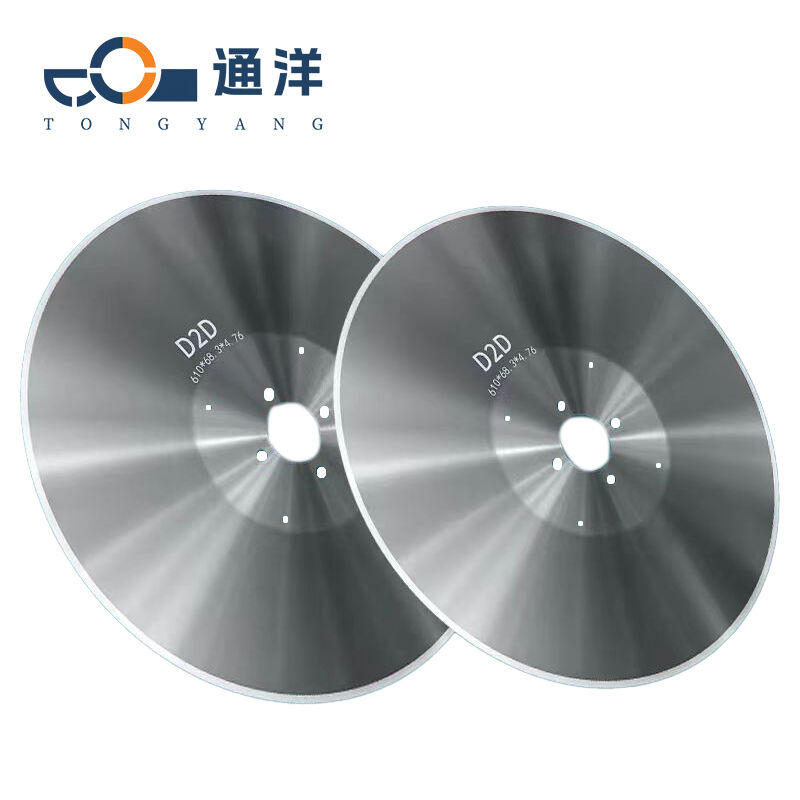
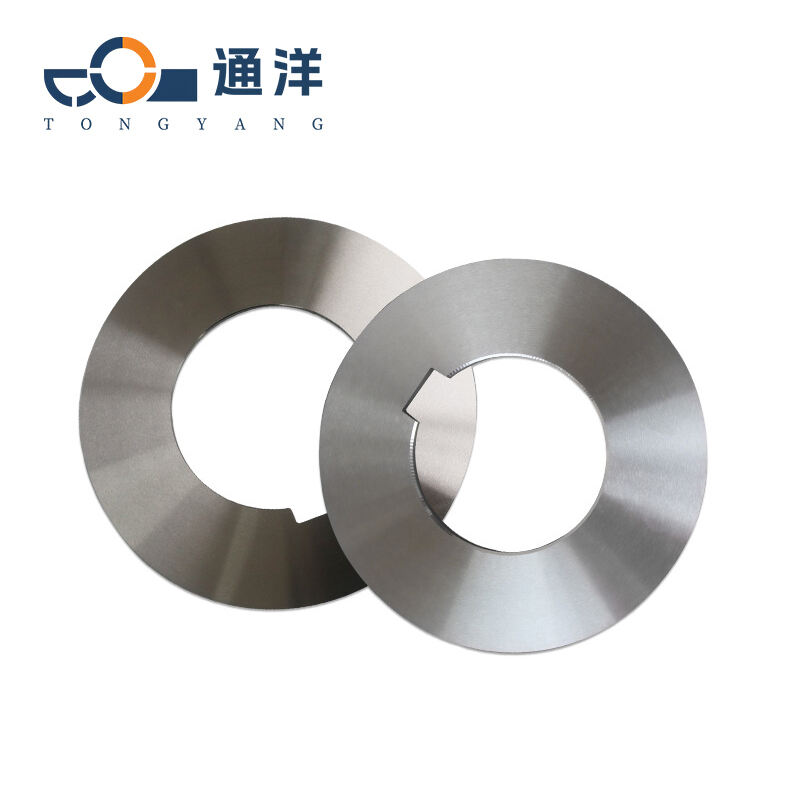
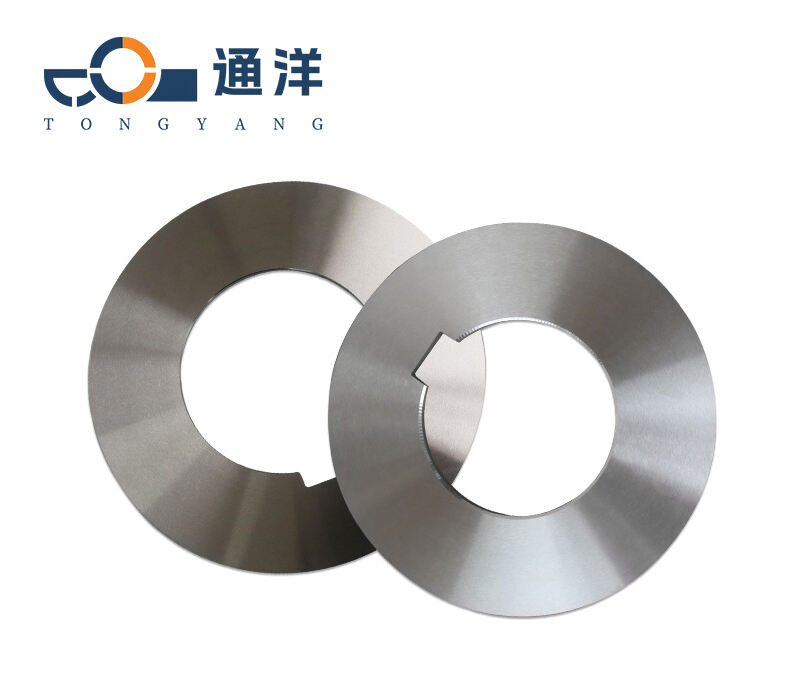
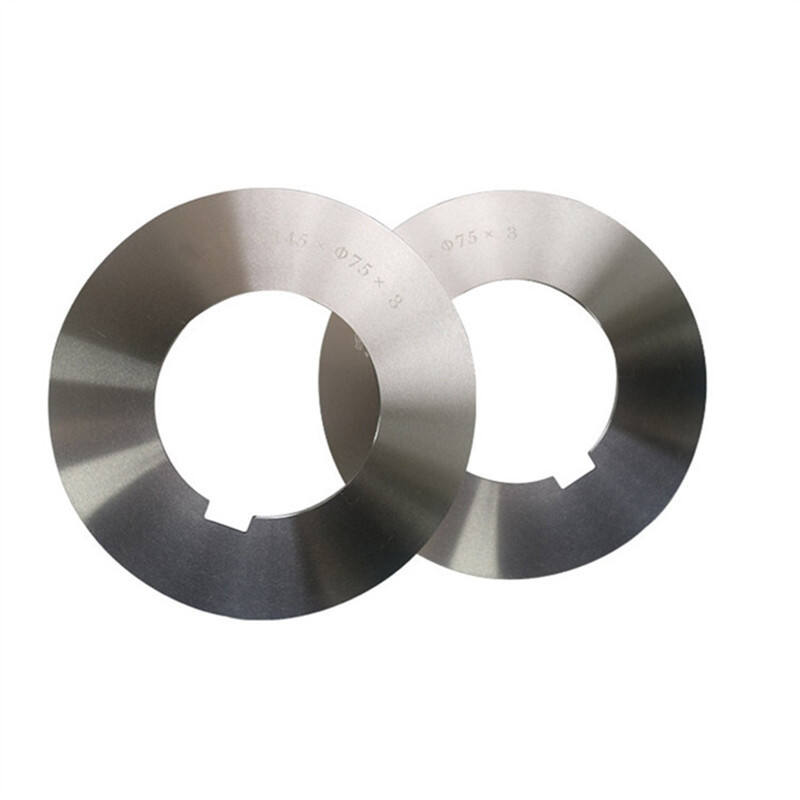
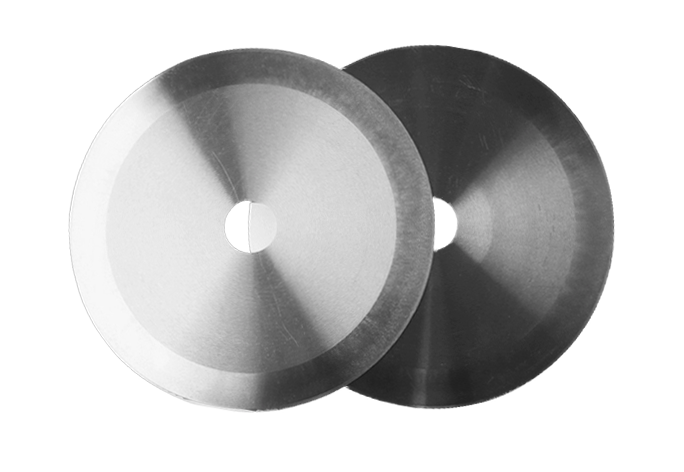
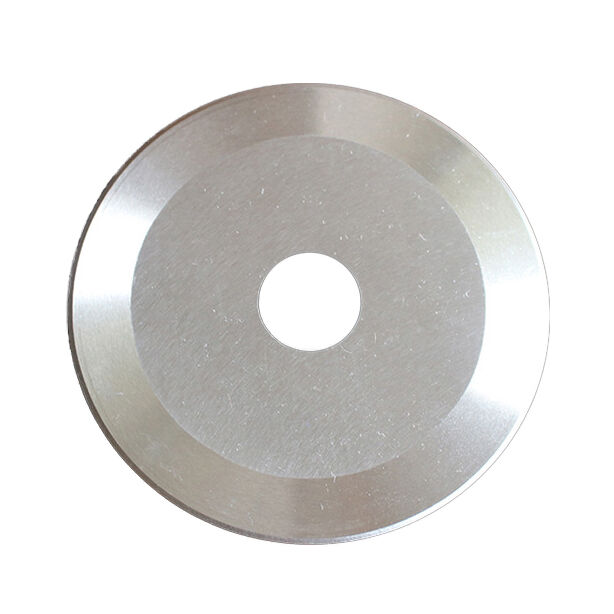
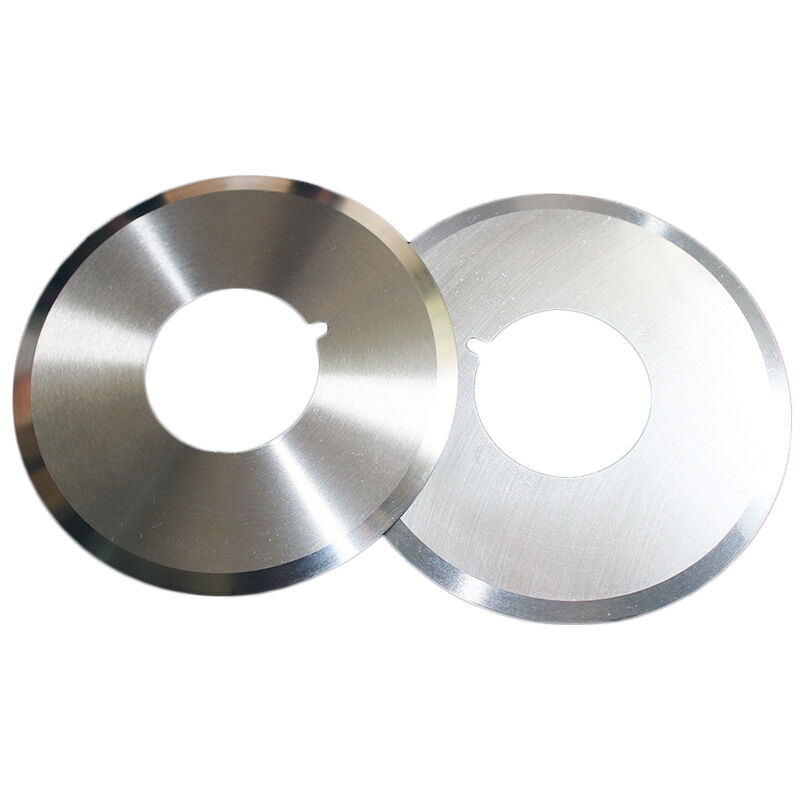
The operational simplicity of the single knife slitter represents a compelling advantage that manifests in multiple ways throughout the equipment lifecycle, directly affecting your profitability and operational flexibility. Unlike complex converting systems with numerous blades requiring individual setup and adjustment, the single knife slitter streamlines the entire setup process into manageable steps that operators master quickly. Training new personnel becomes straightforward because the machine presents fewer variables to understand and control. Your training investment decreases while operator competency increases, creating a more versatile workforce capable of running multiple jobs without extensive supervision. The control interface on modern single knife slitter equipment emphasizes user-friendliness, typically featuring touchscreen displays that guide operators through setup procedures with clear visual prompts and logical workflows. Recipe management systems store parameters for frequently run jobs, enabling one-touch recall that eliminates manual data entry and the errors that sometimes accompany it. When starting a new job, your operator simply selects the appropriate recipe, and the machine automatically positions the blade, sets tension values, and configures speed parameters. This automation reduces changeover time from potential hours to mere minutes, dramatically improving your equipment utilization rates. The maintenance requirements for a single knife slitter remain minimal compared to more complex converting machinery, primarily because fewer components experience wear during operation. The blade itself represents the primary consumable item, and replacing it involves straightforward procedures that maintenance technicians complete quickly using standard tools. The reduced parts count means your spare parts inventory requires less capital investment and storage space. You stock fewer items while maintaining readiness to address any maintenance needs. Preventive maintenance schedules for single knife slitter equipment typically involve basic tasks such as lubrication, tension system calibration, and general cleanliness inspections. These routine activities consume minimal labor hours and can often be performed by operators during shift changes, eliminating the need for dedicated maintenance windows that reduce production time. The mechanical simplicity also contributes to equipment longevity, as fewer moving parts mean fewer failure points and extended service life. Your capital equipment investment delivers returns over longer periods, improving financial performance metrics. Troubleshooting becomes more intuitive with single knife slitter designs because the limited number of systems simplifies diagnostic procedures. When operational issues arise, your team can quickly isolate the problem area and implement corrections without extensive testing or component swapping. This rapid problem resolution minimizes unplanned downtime, keeping your production schedule on track. The straightforward mechanical design also means that repairs typically require less specialized knowledge, allowing your in-house maintenance staff to handle most service needs without relying on expensive external technicians or factory service visits.
 EN
EN