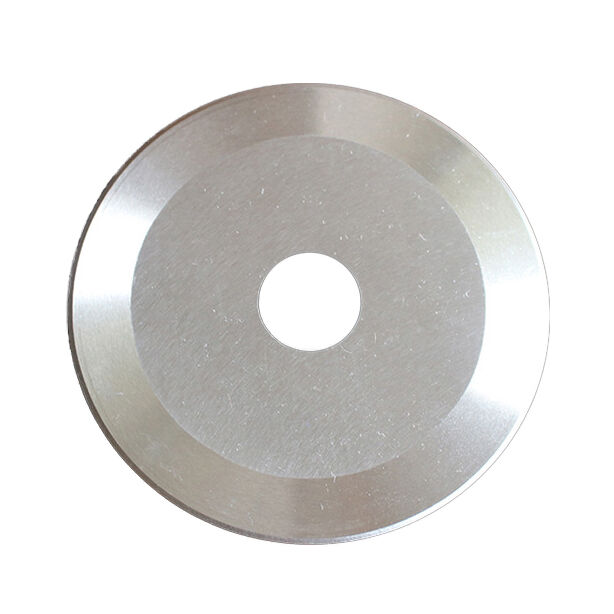
Premium Carbide Slitter Blades - Industrial Cutting Solutions for Superior Performance

All Categories

Get a Free Quote

Our representative will contact you soon.
Email
WhatsApp
Name
Company Name
Message
0/1000

carbide slitter blades

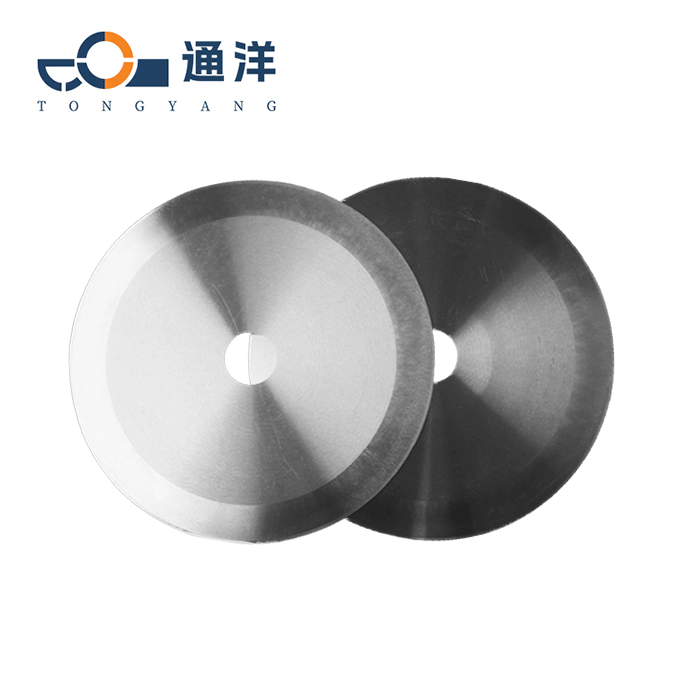
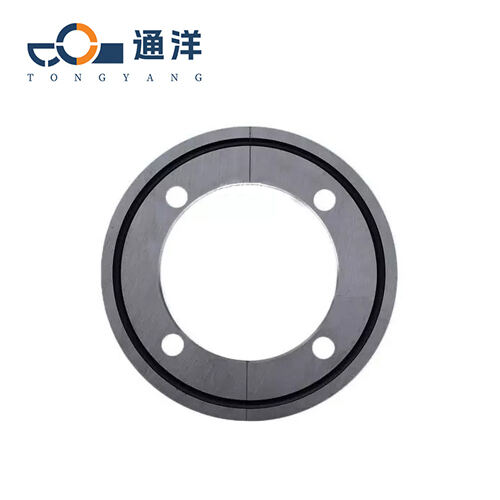
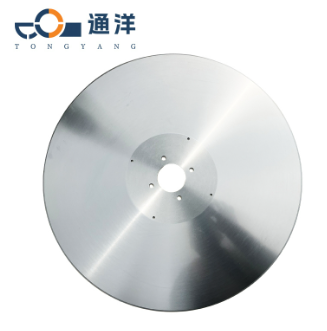
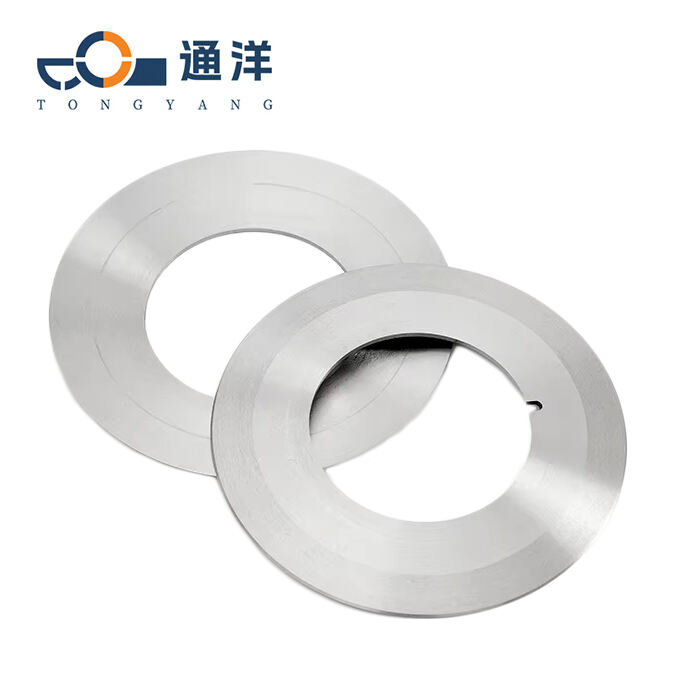
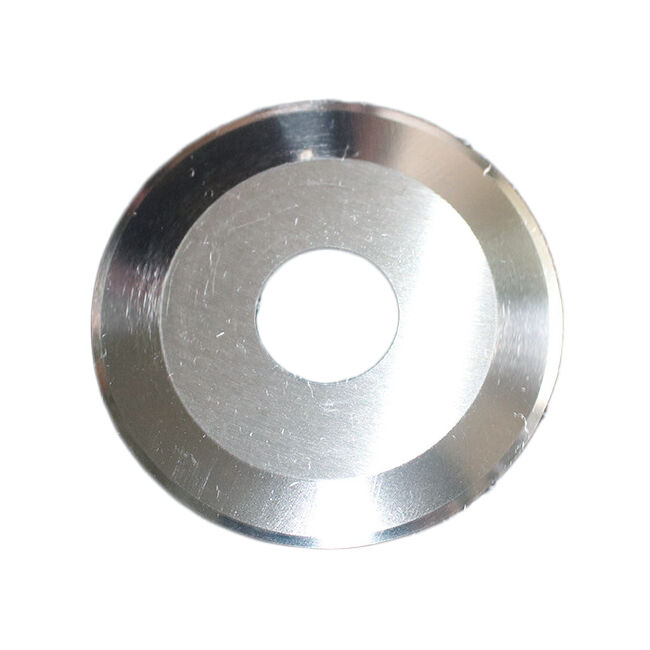
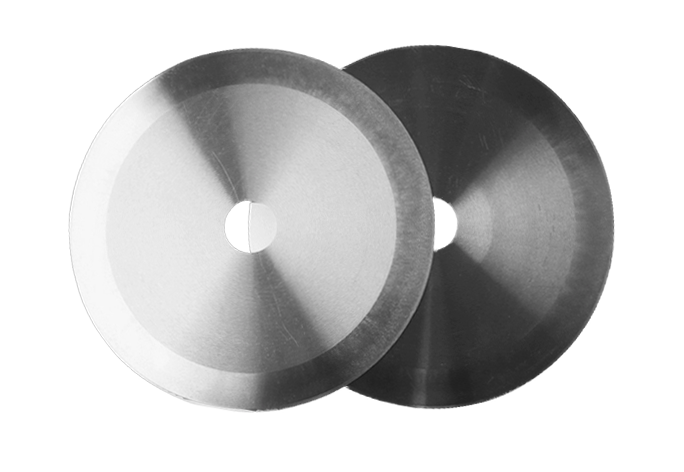
Carbide slitter blades represent a cutting-edge solution in industrial material processing, designed to deliver exceptional performance across diverse manufacturing environments. These specialized cutting tools are engineered from tungsten carbide, a material renowned for its extreme hardness and remarkable durability. The primary function of carbide slitter blades involves precision slitting, cutting, and trimming of various materials including paper, film, foil, plastics, textiles, rubber, and metal sheets. Manufacturing facilities worldwide rely on these blades to maintain consistent production quality while minimizing downtime and operational costs. The technological foundation of carbide slitter blades combines advanced metallurgy with precision engineering, resulting in tools that maintain sharp cutting edges far longer than conventional steel alternatives. These blades undergo sophisticated manufacturing processes including powder metallurgy techniques, precision grinding, and specialized coating applications that enhance their performance characteristics. The molecular structure of tungsten carbide provides a hardness rating that approaches diamond on the Mohs scale, enabling these blades to cut through challenging materials without rapid deterioration. Application environments for carbide slitter blades span numerous industries including packaging, printing, converting, paper mills, textile manufacturing, automotive production, and electronics assembly. The versatility of carbide slitter blades makes them indispensable in operations requiring continuous high-volume production with minimal interruption for blade changes. These tools accommodate various mounting configurations and can be customized to specific dimensional requirements, edge geometries, and coating specifications. Modern carbide slitter blades incorporate design innovations such as optimized rake angles, specialized edge preparations, and surface treatments that reduce friction and prevent material adhesion during cutting operations. The investment in carbide slitter blades delivers substantial returns through extended service life, superior cut quality, reduced waste, and enhanced operational efficiency, making them the preferred choice for demanding industrial applications.

New Product Recommendations

Choosing carbide slitter blades for your production operations brings multiple practical benefits that directly impact your bottom line and operational efficiency. The extended lifespan of these cutting tools significantly reduces the frequency of blade replacements, which translates into fewer production interruptions and lower maintenance costs over time. While the initial investment in carbide slitter blades may be higher than standard steel alternatives, the total cost of ownership proves substantially lower when you factor in longevity, performance consistency, and reduced labor expenses associated with blade changes. The exceptional hardness of carbide material enables these blades to maintain their sharp cutting edges through millions of cuts, ensuring consistent product quality throughout their service life. This consistency eliminates quality variations that can occur with softer blades that dull quickly, resulting in fewer rejected products and reduced material waste. Production managers appreciate how carbide slitter blades maintain precise tolerances even under demanding operating conditions, delivering clean edges without fraying, tearing, or deformation of materials being processed. The superior wear resistance means your operators spend less time adjusting equipment and more time running productive operations, directly increasing throughput and profitability. Carbide slitter blades perform exceptionally well at higher cutting speeds, allowing you to accelerate production rates without sacrificing cut quality or blade life. This capability proves particularly valuable in high-volume manufacturing environments where speed and reliability determine competitive advantage. The thermal stability of tungsten carbide prevents blade degradation even when cutting generates significant heat, maintaining performance characteristics that softer materials cannot match. Facilities benefit from reduced inventory requirements since carbide slitter blades need replacement far less frequently than conventional options, freeing up storage space and reducing capital tied up in spare parts. The predictable performance of these blades simplifies production planning and scheduling, as maintenance intervals become more reliable and unexpected failures become rare occurrences. Environmental considerations also favor carbide slitter blades, as their extended service life reduces waste generation and the consumption of manufacturing resources required to produce replacement blades. Operators working with carbide slitter blades experience improved workplace safety, as properly maintained carbide tools are less prone to catastrophic failure or unpredictable breakage that can occur with inferior cutting implements. The versatility of carbide slitter blades accommodates various material types and thicknesses, reducing the need for multiple blade inventories and simplifying equipment setup procedures.

Practical Tips

Industrial Circular Knife Applications: Complete Overview

25

Mar

Industrial Circular Knife Applications: Complete Overview

Industrial cutting operations rely heavily on precision tools that deliver consistent results across diverse manufacturing environments. The circular knife stands as one of the most versatile and essential cutting implements in modern industrial appl...
View More
How to Extend Your Film Slitting Blade Lifespan

25

Mar

How to Extend Your Film Slitting Blade Lifespan

Manufacturing operations that rely on precise film cutting know that blade performance directly impacts production efficiency and product quality. A well-maintained film slitting blade can significantly reduce downtime, minimize material waste, and e...
View More
2025 Guide: Choosing the Right Slitter Blades for Your Industry

09

Apr

2025 Guide: Choosing the Right Slitter Blades for Your Industry

Selecting the appropriate slitter blades for your specific industry applications represents a critical decision that directly impacts operational efficiency, product quality, and overall production costs. Industrial cutting operations across manufact...
View More
How to Sharpen Your Circular Knife: Step-by-Step Guide

30

Apr

How to Sharpen Your Circular Knife: Step-by-Step Guide

Maintaining the sharpness of your circular knife is essential for achieving clean, precise cuts in industrial and commercial applications. Whether you work in rubber processing, textile manufacturing, paper cutting, or food production, a dull circula...
View More

Get a Free Quote

Our representative will contact you soon.
Email
WhatsApp
Name
Company Name
Message
0/1000

carbide slitter blades

Unmatched Durability and Extended Service Life

Unmatched Durability and Extended Service Life

The exceptional durability of carbide slitter blades represents their most compelling advantage, fundamentally changing how manufacturing operations approach cutting tool economics and maintenance scheduling. Tungsten carbide ranks among the hardest materials available for industrial applications, exhibiting a hardness level that exceeds high-speed steel by a factor of three or more. This extraordinary hardness directly translates into wear resistance that allows carbide slitter blades to maintain their cutting effectiveness through extended production runs that would destroy conventional blades multiple times over. Manufacturing facilities report operational lifespans for carbide slitter blades that extend ten to twenty times longer than traditional steel blades under identical operating conditions. This remarkable longevity emerges from the unique molecular structure of tungsten carbide, which consists of tungsten carbide grains bonded together with metallic cobalt, creating a composite material that combines hardness with sufficient toughness to resist fracture. The extended service life delivers cascading benefits throughout your operation, beginning with dramatic reductions in blade replacement frequency that minimize production stoppages and associated downtime costs. Maintenance teams appreciate the predictable performance degradation of carbide slitter blades, which allows for planned replacement during scheduled maintenance windows rather than emergency interventions that disrupt production schedules. The consistent cutting performance throughout the blade's extended lifespan ensures product quality remains uniform from the first cut to the last, eliminating quality variations that plague operations using rapidly dulling conventional blades. Financial analysis consistently demonstrates that despite higher initial acquisition costs, carbide slitter blades deliver superior total cost of ownership through their combination of longevity, consistent performance, and reduced maintenance requirements. Production environments benefit from decreased inventory carrying costs as fewer replacement blades need to be kept in stock, while procurement departments experience reduced administrative burden from less frequent ordering cycles. The durability advantage becomes particularly pronounced in abrasive cutting applications or when processing materials containing hard particulates that rapidly wear conventional blade materials, situations where carbide slitter blades may outlast alternatives by factors of thirty or more.
Superior Cutting Precision and Quality Consistency

Superior Cutting Precision and Quality Consistency

Carbide slitter blades deliver cutting precision that sets new standards for quality and consistency in material processing operations, enabling manufacturers to achieve tolerances and edge qualities that conventional blades simply cannot maintain. The ability of tungsten carbide to hold an extremely sharp edge throughout extended production runs ensures that every cut meets the same exacting specifications, from the beginning of a blade's service life through millions of cutting cycles. This precision capability stems from the material's resistance to microchipping and edge deformation that plague softer blade materials, maintaining geometric accuracy that directly impacts product quality and customer satisfaction. Manufacturing operations processing thin films, specialty papers, or precision foils particularly benefit from the dimensional stability that carbide slitter blades provide, as these applications demand tolerances measured in microns where conventional blades fall short. The sharp, durable edges produced by carbide slitter blades create clean cuts without material distortion, edge fraying, or the dust generation that occurs when dull blades tear rather than slice through materials. Quality control departments appreciate how carbide slitter blades reduce rejection rates and minimize waste by consistently delivering products that meet specification requirements without the quality drift associated with progressive blade dulling. Production engineers value the ability to optimize cutting parameters around the consistent performance of carbide slitter blades, establishing stable processes that deliver predictable results rather than constantly adjusting for changing blade conditions. The precision advantage extends to applications requiring multiple parallel cuts, where carbide slitter blades maintain their positions and cutting characteristics across all stations, ensuring uniform strip widths and edge quality across the entire web width. Advanced grinding techniques used in manufacturing carbide slitter blades achieve edge profiles and surface finishes that optimize cutting performance for specific materials and applications, customization options unavailable with conventional blade technologies. The material stability of tungsten carbide prevents thermal expansion and distortion during high-speed cutting operations that generate significant heat, maintaining dimensional accuracy that temperature-sensitive conventional materials cannot match. Precision manufacturers recognize that the investment in carbide slitter blades pays dividends through enhanced product quality, reduced customer complaints, and the ability to command premium pricing for consistently superior products.
Exceptional Versatility Across Diverse Materials and Applications

Exceptional Versatility Across Diverse Materials and Applications

The remarkable versatility of carbide slitter blades enables them to excel across an impressive range of materials and industrial applications, making them the universal solution for diverse manufacturing environments seeking to consolidate their cutting tool inventories and standardize maintenance procedures. Unlike specialized blades designed for narrow application ranges, carbide slitter blades demonstrate effective performance cutting everything from delicate tissue papers to robust rubber sheets, from thin polymer films to industrial textiles, and from aluminum foils to fiber-reinforced composites. This broad capability spectrum emerges from the fundamental material properties of tungsten carbide combined with the ability to customize blade geometry, edge angles, and surface treatments to optimize performance for specific applications. Manufacturing facilities operating multiple production lines processing different materials benefit tremendously from standardizing on carbide slitter blades, simplifying inventory management, training requirements, and maintenance procedures across their operations. The chemical stability of tungsten carbide provides resistance to corrosion and chemical attack, allowing these blades to function effectively in environments where conventional steel blades would quickly deteriorate from exposure to processing chemicals, moisture, or corrosive materials. Carbide slitter blades perform reliably across wide temperature ranges, maintaining their cutting effectiveness in cold environments that embrittle conventional steels and in elevated temperature applications that would soften or oxidize alternative blade materials. The adaptability extends to various mounting systems and machine configurations, with carbide slitter blades available in designs compatible with different slitting equipment platforms, facilitating upgrades without requiring extensive machine modifications. Industrial converters appreciate how carbide slitter blades handle sudden material thickness variations or hard inclusions that would chip or damage conventional blades, providing operational resilience that prevents costly production interruptions from unexpected material irregularities. The versatility proves particularly valuable for contract manufacturers and job shops that process diverse materials for different customers, as carbide slitter blades eliminate the need to maintain extensive inventories of application-specific cutting tools. Modern coating technologies further enhance the versatility of carbide slitter blades, with specialized surface treatments reducing friction for sticky materials, preventing buildup for adhesive-coated products, or enhancing wear resistance for particularly abrasive applications. Research and development teams working with novel materials and experimental composites rely on carbide slitter blades for their consistent performance with unfamiliar substrates, providing reliable cutting capability when material properties remain incompletely characterized.

Get a Free Quote

Our representative will contact you soon.
Email
WhatsApp
Name
Company Name
Message
0/1000
Newsletter
Please Leave A Message With Us