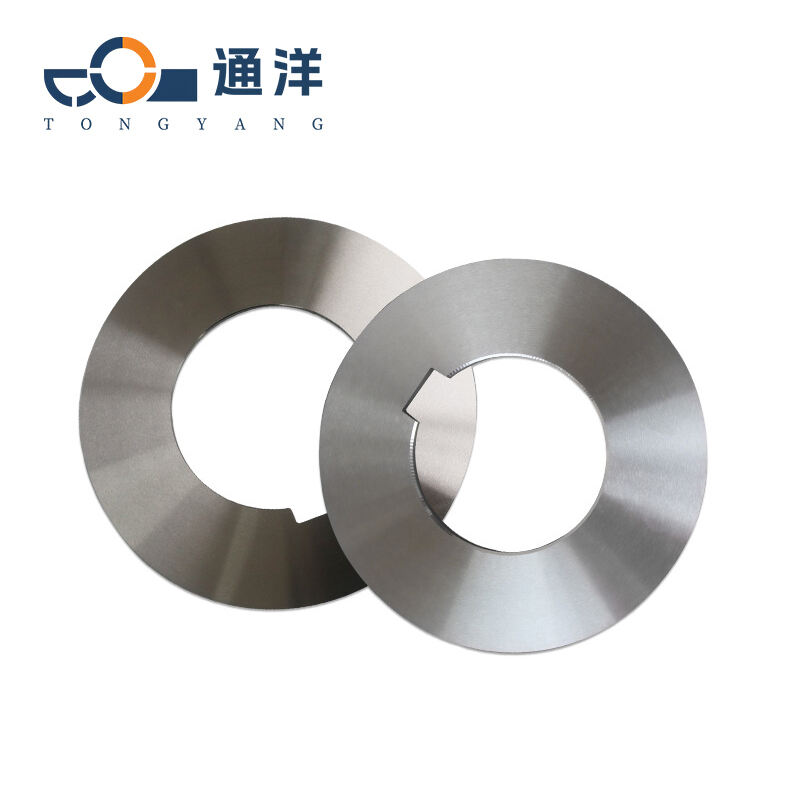
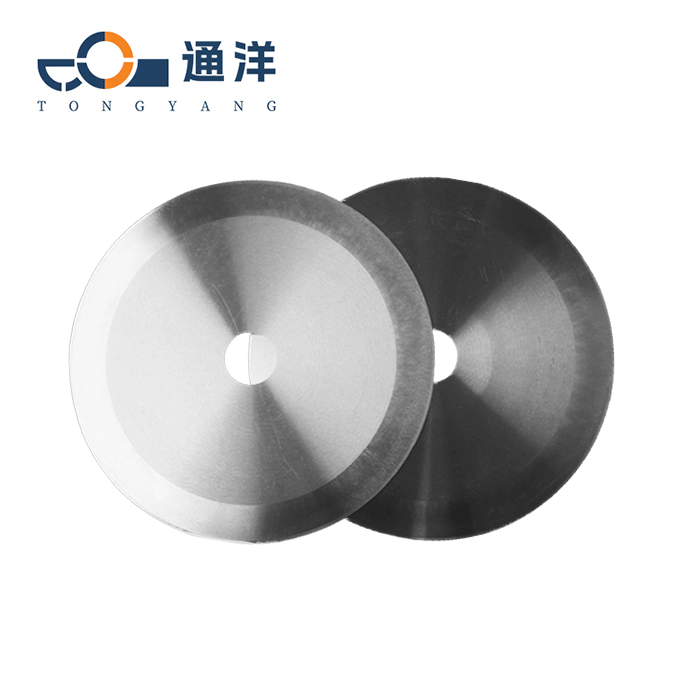
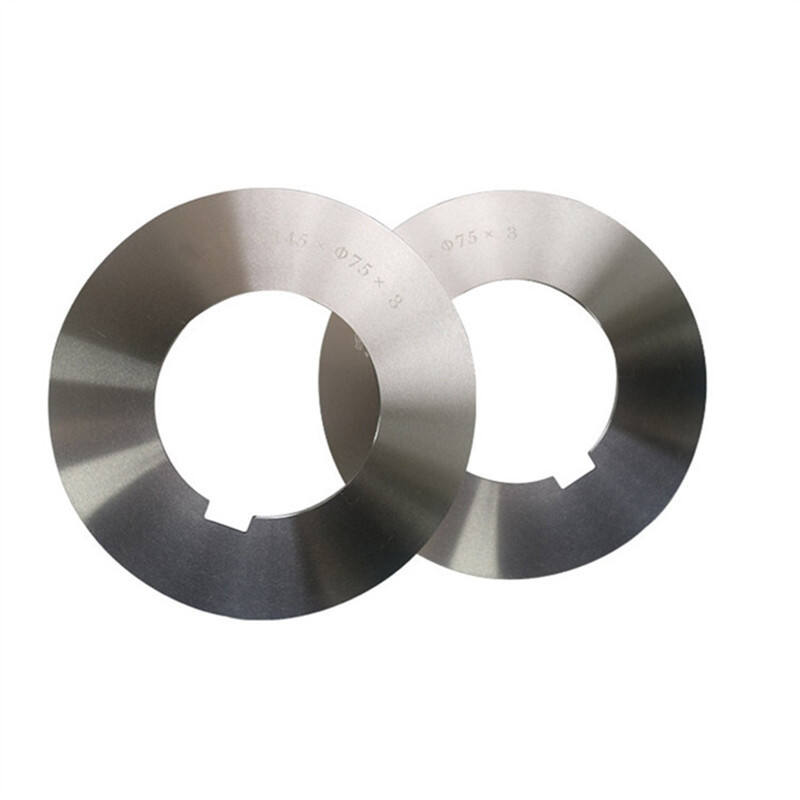
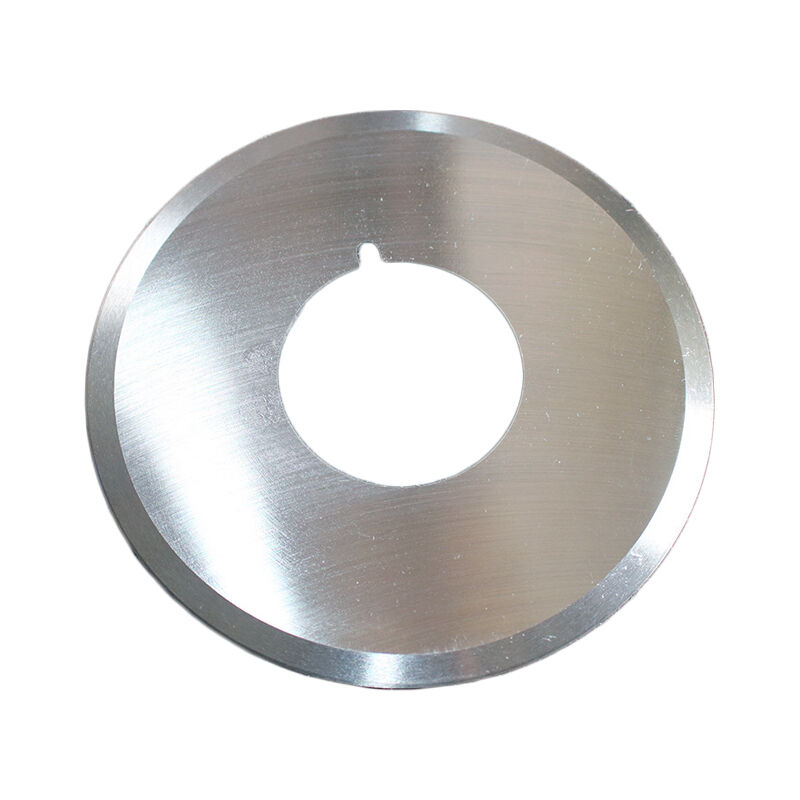
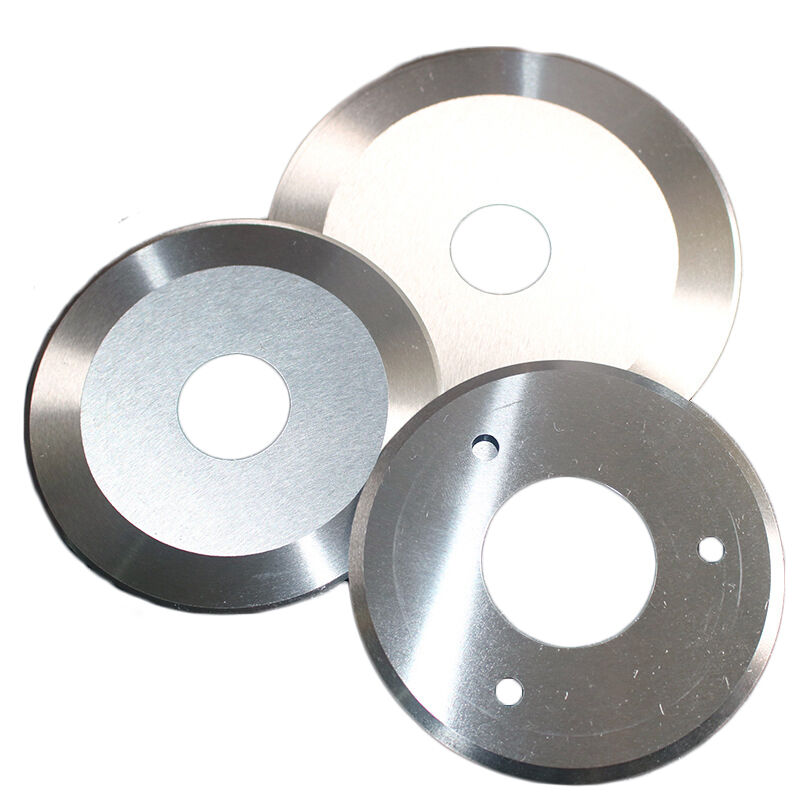
industrial slitter blades
Industrial slitter blades represent essential cutting tools used across manufacturing sectors to divide large rolls of material into narrower, more manageable widths. These precision-engineered blades are fundamental components in converting operations where materials such as paper, film, foil, textiles, rubber, and various plastics require accurate slitting. The primary function of industrial slitter blades involves making clean, straight cuts through materials as they move at high speeds through processing machinery. These blades must maintain sharpness over extended production runs while delivering consistent cut quality that meets strict tolerances. Technological features of modern industrial slitter blades include advanced metallurgy that incorporates high-carbon steel, tungsten carbide, or specialized alloys designed to withstand the rigors of continuous operation. Many blades feature precision grinding techniques that create razor-sharp edges capable of cutting through diverse materials without tearing, fraying, or creating dust. The blade geometry, including edge angles and bevel configurations, is carefully engineered to suit specific materials and cutting applications. Surface treatments such as coating technologies enhance blade performance by reducing friction, preventing material buildup, and extending operational life. Industrial slitter blades come in various configurations including circular knives, straight knives, and shear cut systems, each suited to particular materials and production requirements. Applications span numerous industries from packaging and printing to automotive manufacturing and electronics production. In the packaging sector, these blades process flexible films, laminates, and paper products. Textile manufacturers rely on them to cut fabrics with precision, while metal processing facilities use specialized versions for slitting aluminum, steel, and copper coils. The pharmaceutical industry employs industrial slitter blades for cutting medical films and packaging materials under stringent hygiene standards. Converting operations depend on these blades to transform raw materials into finished products efficiently, making them indispensable tools in modern manufacturing environments where productivity, quality, and consistency determine competitive advantage in global markets.
 EN
EN