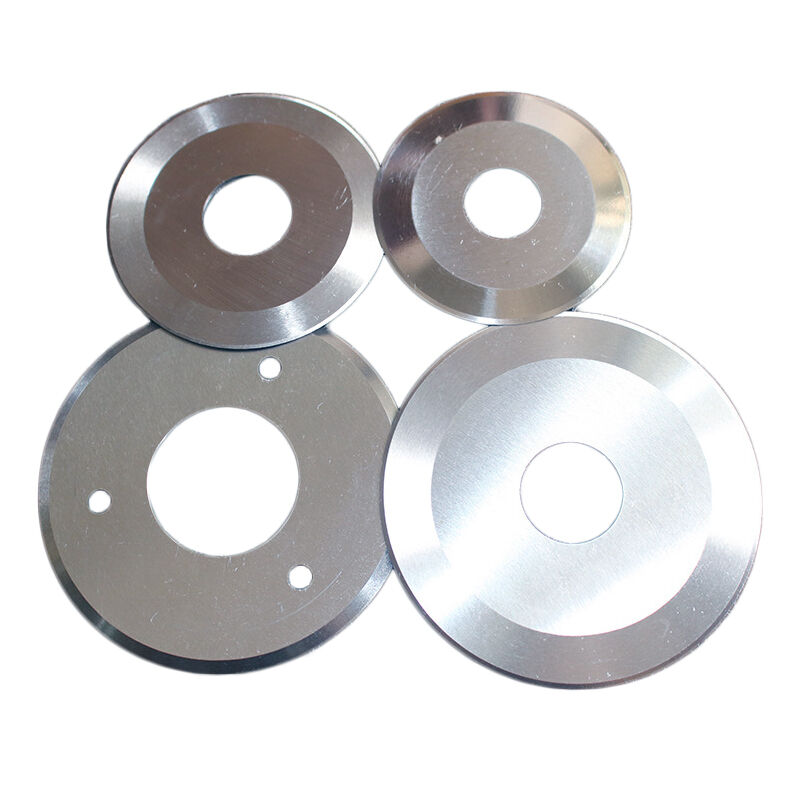
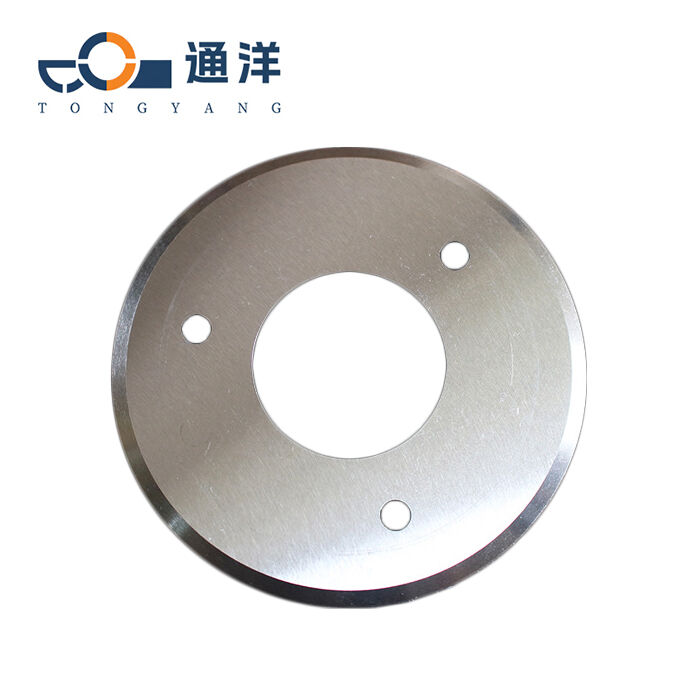
carbide slitter knives
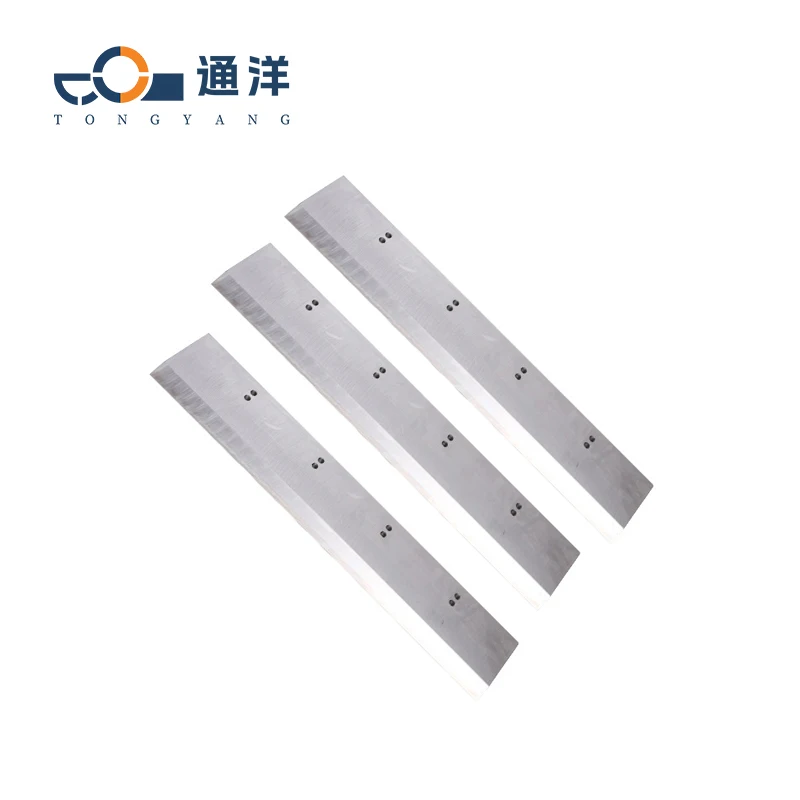
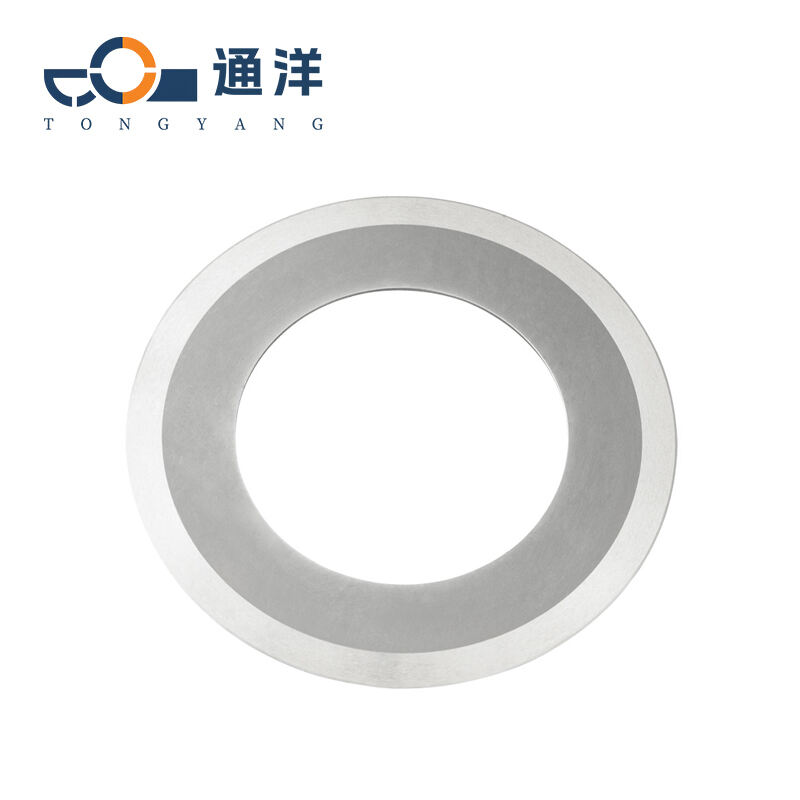
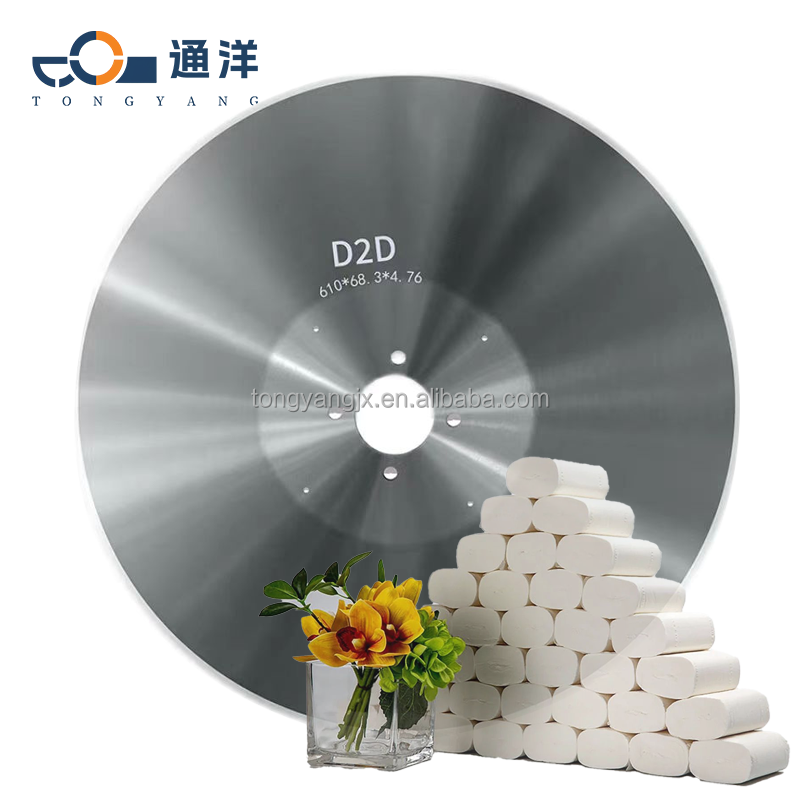
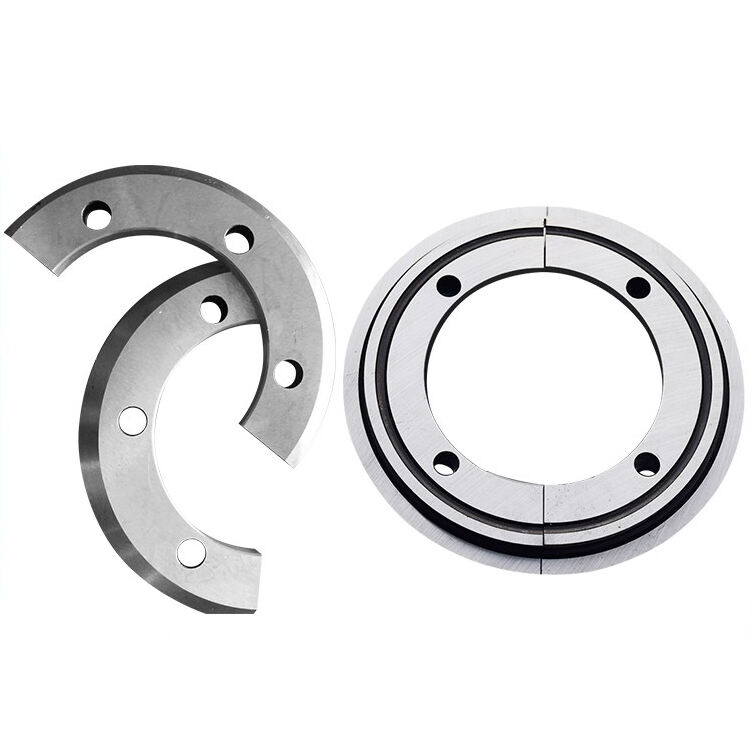
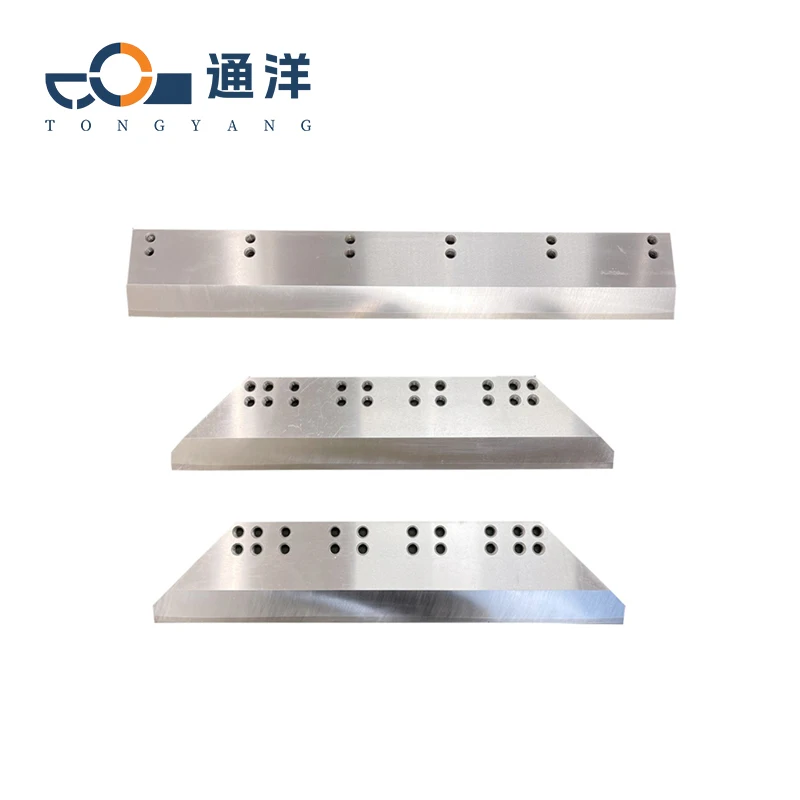
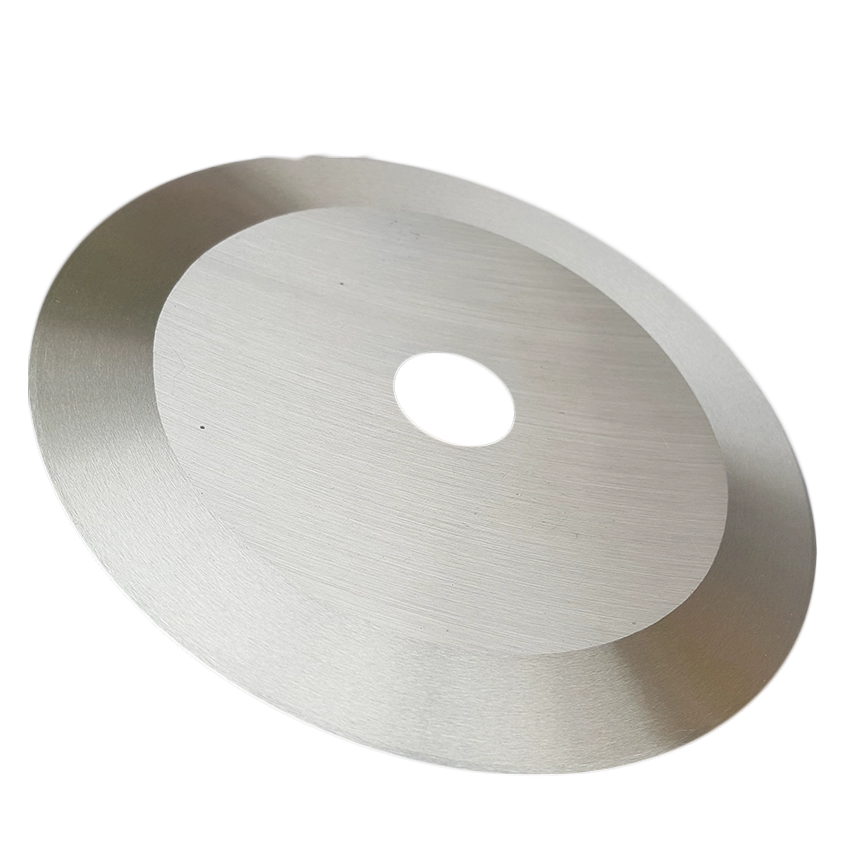
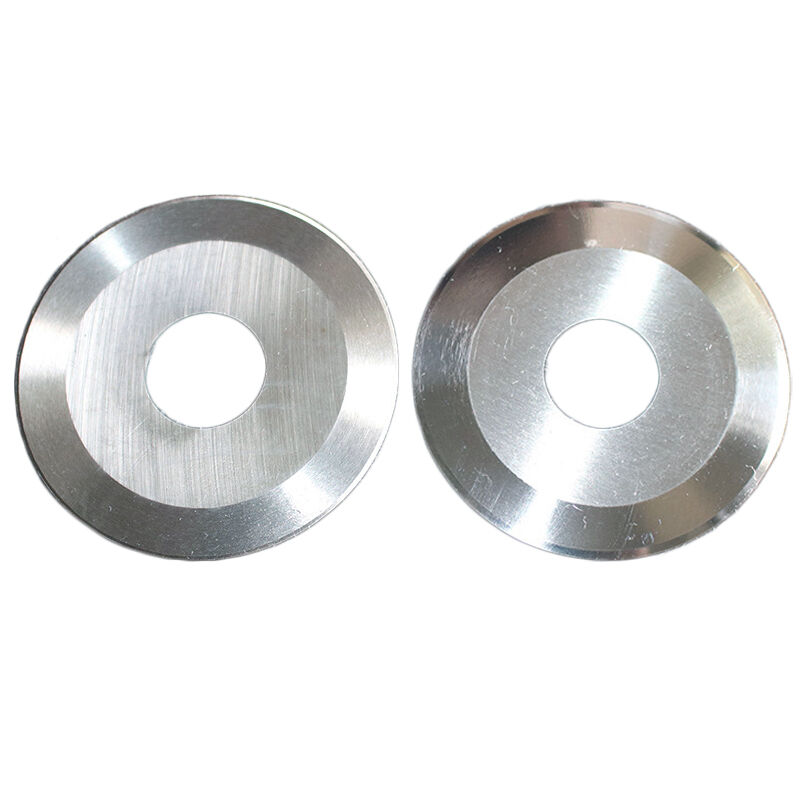
Carbide slitter knives represent a cutting-edge solution in industrial slitting operations, designed to deliver exceptional precision and longevity in material processing applications. These specialized cutting tools are manufactured from tungsten carbide, a remarkably hard compound that combines tungsten and carbon atoms to create one of the most durable materials available for industrial cutting purposes. The main function of carbide slitter knives is to accurately slice through various materials including paper, film, foil, textiles, plastics, rubber, and non-ferrous metals with consistent quality and minimal waste. Technological features of these cutting implements include superior hardness ratings that typically range between 85 to 95 on the Rockwell Hardness Scale, ensuring they maintain sharp cutting edges far longer than conventional steel alternatives. The manufacturing process involves precision grinding and lapping techniques that achieve extremely tight tolerances, often within micrometers, which guarantees uniform cutting performance across extended production runs. Carbide slitter knives utilize advanced metallurgical compositions that can be customized for specific applications, with varying cobalt binder content to balance hardness and toughness according to material requirements. Applications span numerous industries including packaging, printing, converting, textile manufacturing, and metalworking facilities where high-volume production demands reliable cutting performance. The knives are engineered to operate effectively in high-speed slitting machinery, maintaining dimensional stability even under thermal stress generated during continuous operation. Their resistance to wear and deformation allows manufacturers to achieve tighter tolerances in finished products while reducing downtime associated with blade changes. The precision-ground cutting edges of carbide slitter knives enable clean, burr-free cuts that enhance product quality and reduce secondary finishing operations. These tools are particularly valuable in operations where consistent web tension and edge quality are critical to preventing material defects or production interruptions.
 EN
EN