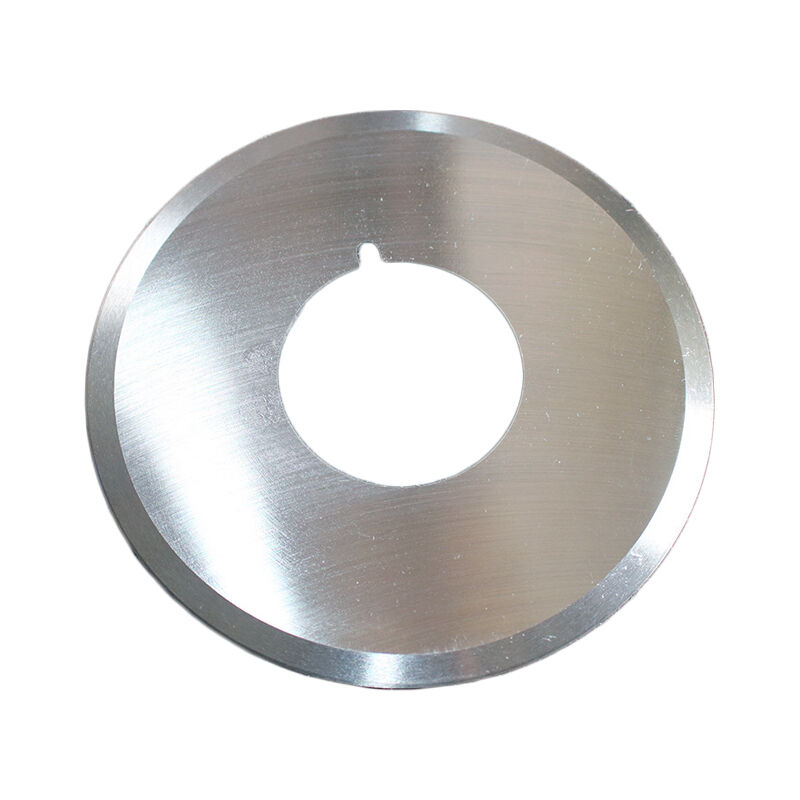
Premium Slitter Knife Solutions - Precision Cutting Blades for Industrial Applications

All Categories

Get a Free Quote

Our representative will contact you soon.
Email
WhatsApp
Name
Company Name
Message
0/1000

slitter knife

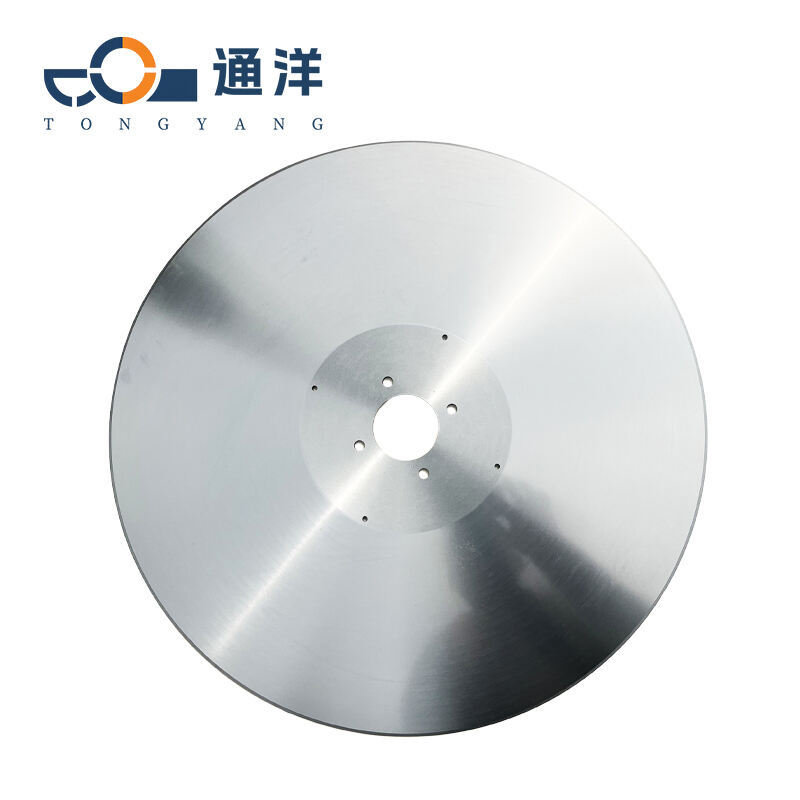
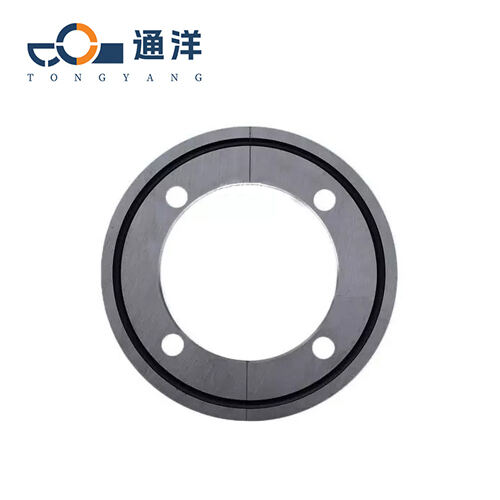
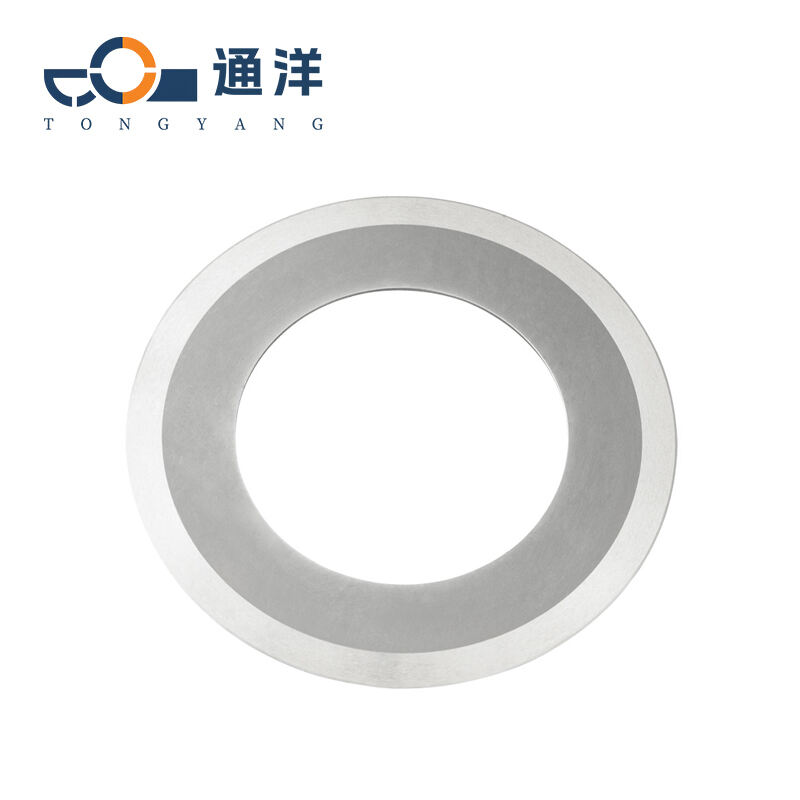
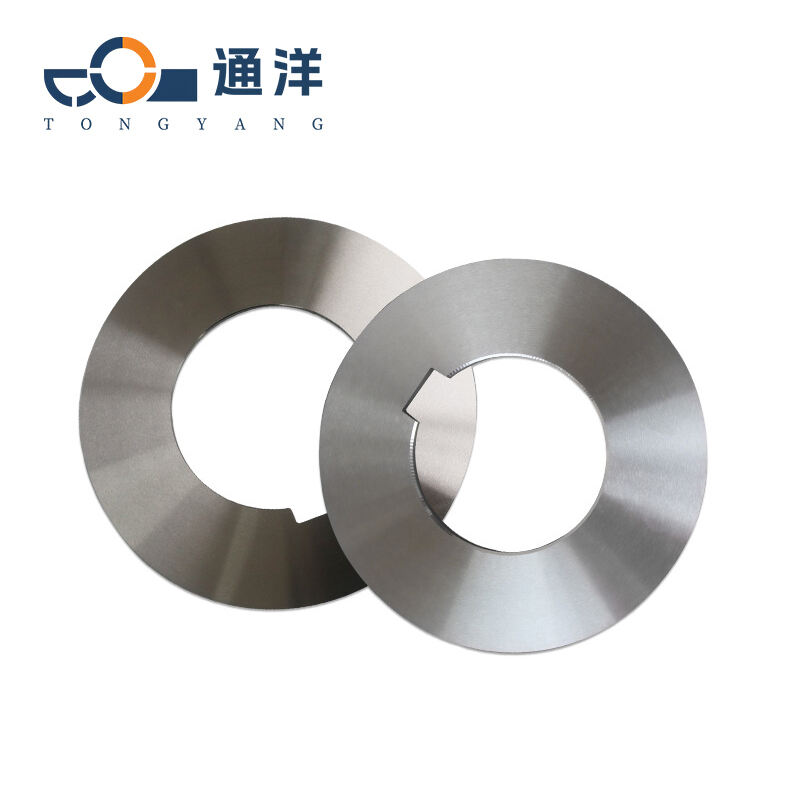
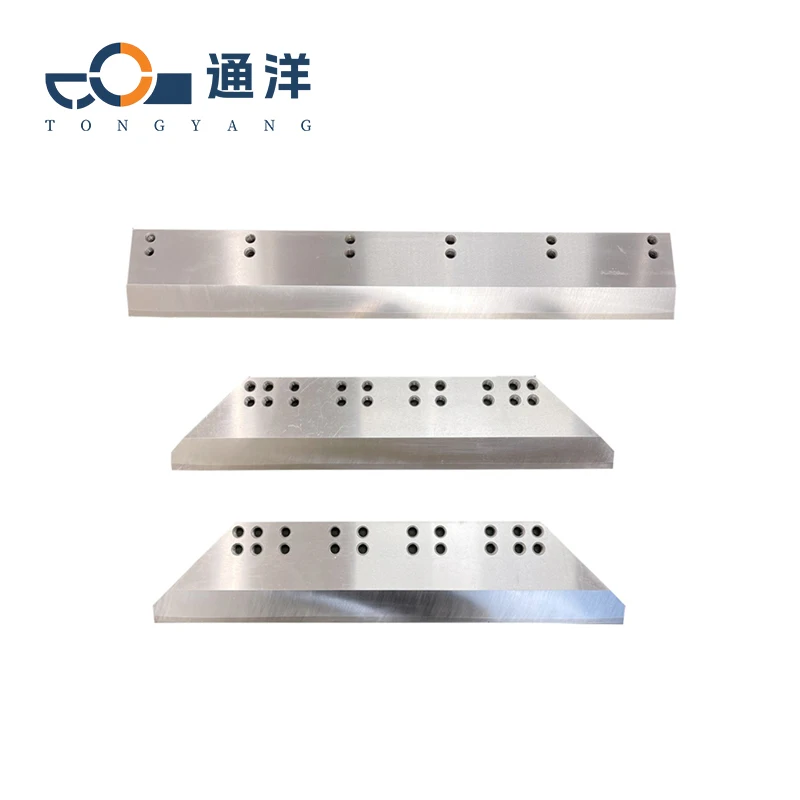
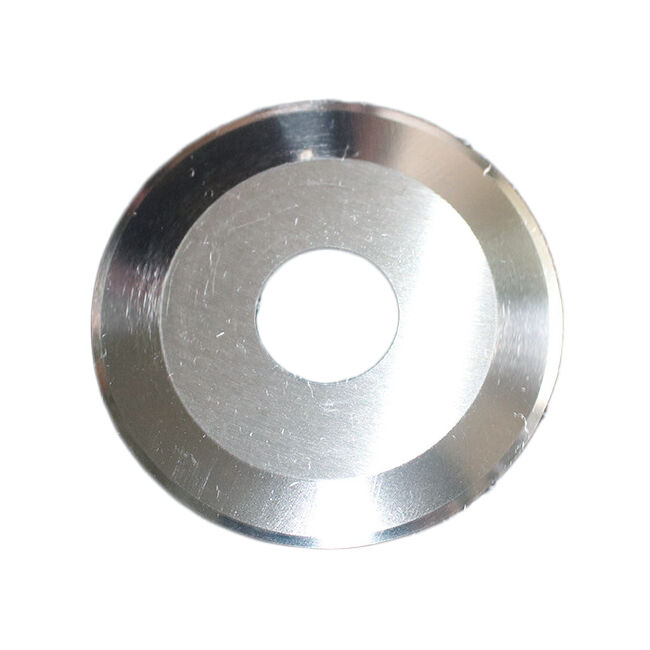
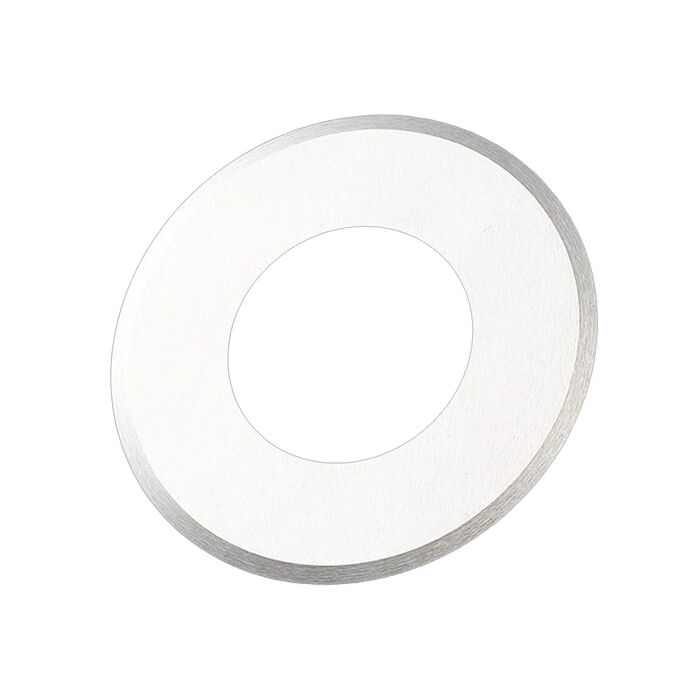
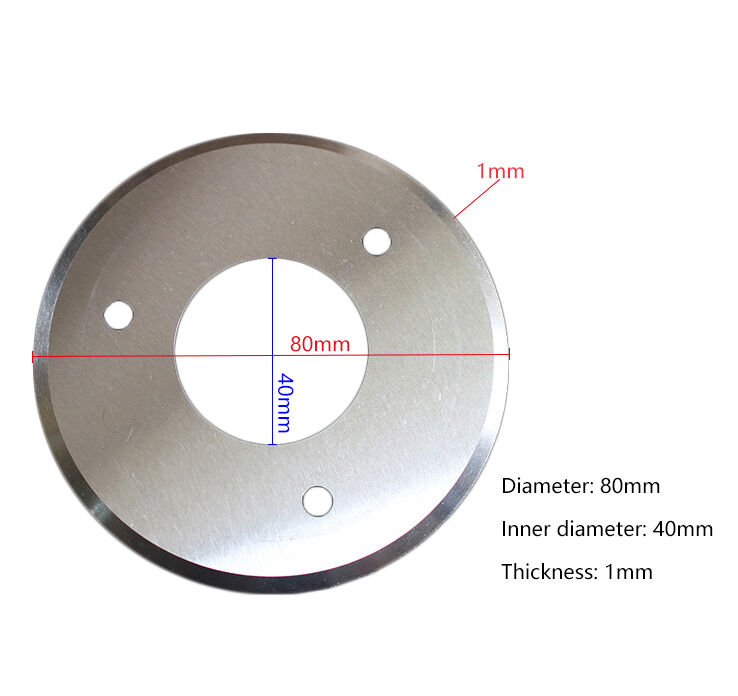
A slitter knife represents a precision-engineered cutting tool designed specifically for industrial slitting operations across diverse manufacturing sectors. This specialized blade serves as the cornerstone component in slitting machinery, transforming wide rolls of material into narrower, more manageable strips with exceptional accuracy and consistency. The primary function of a slitter knife involves creating clean, precise cuts through various substrates including paper, film, foil, textiles, rubber, and plastics during continuous production processes. Modern slitter knife technology incorporates advanced metallurgical compositions and heat treatment processes to achieve optimal hardness levels, typically ranging between 58 and 62 HRC on the Rockwell scale. These carefully calibrated hardness specifications ensure the blade maintains its cutting edge integrity throughout extended production runs while resisting premature wear and deformation. The technological features embedded within contemporary slitter knife designs include micro-grain carbide construction, specialized edge geometries, and surface coatings that enhance performance characteristics. Manufacturing processes for these precision tools involve computer-controlled grinding operations that achieve tolerances measured in microns, ensuring each slitter knife delivers consistent cutting performance. Applications for slitter knife technology span numerous industries including packaging, printing, converting, textile manufacturing, automotive components, electronics, medical device production, and specialty materials processing. In packaging facilities, these blades process everything from corrugated cardboard to flexible films, while printing operations rely on them for precise web handling. The converting industry utilizes slitter knife technology for adhesive tapes, labels, and specialty laminates, where cut quality directly impacts product functionality. Textile manufacturers depend on these tools for fabric slitting operations, and electronics producers use them for cutting thin films and flexible circuits. The versatility of slitter knife applications demonstrates their fundamental importance in modern manufacturing environments where precision, efficiency, and reliability remain paramount concerns for production managers and quality control specialists.

Popular Products

Investing in quality slitter knife technology delivers substantial operational benefits that directly impact your bottom line and production capabilities. First and foremost, these precision tools dramatically reduce material waste by creating clean, accurate cuts that eliminate ragged edges and secondary trimming operations. When your production line runs with sharp, properly maintained slitter knife equipment, you see immediate improvements in yield rates, which translates directly into cost savings on raw materials. The financial impact becomes particularly significant when processing expensive substrates where every millimeter of waste affects profitability. Another crucial advantage involves enhanced production speed and throughput capacity. A well-designed slitter knife maintains its cutting performance across extended runs, allowing your machinery to operate at optimal speeds without compromising cut quality. This consistency means fewer production interruptions for blade changes and adjustments, keeping your lines running efficiently and meeting delivery schedules reliably. Workers spend less time troubleshooting cutting problems and more time managing productive operations. The improved cut quality that slitter knife technology provides also elevates your final product appearance and performance. Clean edges without burrs, dust, or deformation ensure that downstream processes proceed smoothly, whether that involves printing, laminating, or packaging operations. Your customers receive products that meet exact specifications consistently, strengthening your reputation for quality and reliability in competitive markets. Safety represents another significant benefit of modern slitter knife designs. Advanced blade holders and positioning systems minimize operator exposure to sharp edges during installation and removal procedures. This protective approach reduces workplace accidents and associated costs while creating a more secure environment for your team members. Maintenance efficiency improves substantially with contemporary slitter knife technology. Many designs feature quick-change mechanisms that reduce downtime during blade replacement cycles. The extended service life of premium slitter knife products also decreases the frequency of change-outs, lowering both material costs and labor expenses associated with maintenance activities. Operational flexibility expands when your facility utilizes versatile slitter knife equipment capable of processing multiple material types and thicknesses. This adaptability allows you to respond quickly to changing customer demands and explore new market opportunities without major equipment investments. Your production capabilities grow while capital expenditures remain controlled. Finally, the precision that slitter knife technology enables supports tighter tolerance requirements that modern manufacturing demands. As products become more sophisticated and specifications more stringent, having cutting tools that deliver consistent accuracy becomes essential for maintaining market competitiveness and customer satisfaction.

Latest News

What is the difference between a combination blade and a ripping or crosscutting blade?

25

Mar

What is the difference between a combination blade and a ripping or crosscutting blade?

What is the Difference Between a Combination Blade and a Ripping or Crosscutting Blade? In woodworking, the type of saw blade you use directly affects the quality of your cuts, the efficiency of your work, and even the lifespan of your tools. Three c...
View More
How to Extend Your Cutting Blade Life: Pro Tips

25

Mar

How to Extend Your Cutting Blade Life: Pro Tips

Maximizing the lifespan of your cutting blade is essential for maintaining operational efficiency and reducing replacement costs in any professional environment. Whether you work in manufacturing, printing, packaging, or crafts, understanding proper ...
View More
2025 Guide: Choosing the Right Slitter Blades for Your Industry

09

Apr

2025 Guide: Choosing the Right Slitter Blades for Your Industry

Selecting the appropriate slitter blades for your specific industry applications represents a critical decision that directly impacts operational efficiency, product quality, and overall production costs. Industrial cutting operations across manufact...
View More
Choosing the Best Circular Knife for Fabric Cutting

30

Mar

Choosing the Best Circular Knife for Fabric Cutting

Selecting the right circular knife for fabric cutting represents one of the most critical decisions in textile manufacturing and processing operations. The precision, efficiency, and quality of your fabric cutting directly impacts production costs, m...
View More

Get a Free Quote

Our representative will contact you soon.
Email
WhatsApp
Name
Company Name
Message
0/1000

slitter knife

Superior Edge Retention and Extended Service Life

Superior Edge Retention and Extended Service Life

The exceptional edge retention characteristics of premium slitter knife products represent a fundamental advantage that separates professional-grade blades from standard cutting tools. This critical performance attribute stems from sophisticated metallurgical engineering and advanced manufacturing processes that create a blade structure capable of withstanding the demanding conditions of high-volume production environments. At the molecular level, the steel composition used in quality slitter knife manufacturing incorporates precisely balanced alloys that enhance hardness, toughness, and wear resistance simultaneously. Elements such as chromium, molybdenum, vanadium, and tungsten combine in carefully controlled proportions to form carbide structures within the steel matrix that resist abrasion and deformation. These microscopic carbides act as wear-resistant particles that protect the cutting edge from the erosive effects of continuous contact with various materials. The heat treatment processes applied during slitter knife manufacturing further refine these properties through controlled heating and cooling cycles that transform the steel microstructure. Through austenitizing, quenching, and tempering operations, manufacturers achieve the optimal balance between hardness and toughness that prevents both premature dulling and catastrophic edge failure. This sophisticated thermal processing ensures that each slitter knife maintains its geometry under the mechanical stresses and thermal loads generated during high-speed cutting operations. The practical implications of superior edge retention manifest in multiple operational benefits for production facilities. Extended service intervals between blade changes reduce downtime, allowing machinery to maintain production schedules without interruption. Workers spend less time performing maintenance activities and more time focusing on value-added operations that support throughput objectives. The consistent cutting performance throughout the blade life cycle also ensures that product quality remains stable from the first cut to the last, eliminating the quality variations that occur when blades dull gradually. Material cost savings accumulate substantially over time as facilities require fewer replacement blades annually. When each slitter knife delivers double or triple the service life of standard alternatives, procurement expenses decrease proportionally, improving operational budgets and resource allocation. The reduced frequency of blade purchases also simplifies inventory management and decreases the administrative burden associated with procurement processes. Environmental considerations benefit from extended service life as well, with fewer discarded blades requiring disposal. This reduction in waste aligns with corporate sustainability initiatives and demonstrates responsible resource stewardship that resonates with environmentally conscious customers and stakeholders.
Precision Engineering for Consistent Cut Quality

Precision Engineering for Consistent Cut Quality

The precision engineering embedded within modern slitter knife design establishes the foundation for achieving consistent, high-quality cuts across diverse materials and production conditions. This commitment to exacting specifications begins during the manufacturing phase, where computer-controlled grinding equipment shapes each blade to tolerances measured in microns. Such microscopic precision ensures that critical dimensions including blade thickness, edge angle, and surface flatness meet stringent quality standards that directly influence cutting performance. The edge geometry of a slitter knife receives particular attention during the engineering process, as this characteristic determines how effectively the blade penetrates and separates material fibers. Manufacturers carefully calculate the optimal bevel angle based on the intended application, material properties, and cutting speed parameters. A properly engineered edge geometry minimizes cutting forces while maximizing shearing efficiency, resulting in clean separation without tearing, deformation, or edge damage. This precision extends to the blade profile, where even minute variations can cause tracking problems or uneven wear patterns. Advanced grinding techniques create perfectly straight edges that maintain consistent contact with the material across the entire cutting width, preventing the skewing or wandering that compromises cut accuracy. Surface finish quality represents another critical aspect of precision engineering in slitter knife technology. Sophisticated polishing and finishing operations create mirror-smooth surfaces that reduce friction during cutting operations. This smoothness prevents material adhesion and buildup that can degrade cut quality over time, while also facilitating easier cleaning and maintenance procedures. Some premium slitter knife products incorporate specialized coatings applied through vacuum deposition or other advanced processes that further enhance surface properties. These coatings, which may include titanium nitride, chromium nitride, or diamond-like carbon compounds, provide additional wear resistance and lower friction coefficients that extend service life and improve performance. The dimensional consistency achieved through precision manufacturing processes ensures perfect compatibility with slitting machinery and tooling systems. Precise thickness tolerances allow blades to fit properly within holders and spacers, maintaining correct positioning relationships that prevent binding or misalignment. This compatibility eliminates the trial-and-error adjustments often required with less precisely manufactured alternatives, reducing setup time and accelerating production startup. Quality control protocols during slitter knife manufacturing include comprehensive inspection procedures using coordinate measuring machines, optical comparators, and other precision instruments. These verification steps confirm that each blade meets all specified parameters before shipment, providing customers with confidence that their cutting tools will perform as expected. The cumulative effect of this precision engineering manifests in production environments as remarkably consistent cut quality that remains stable throughout extended production runs and across multiple blade life cycles.
Versatile Material Compatibility and Application Range

Versatile Material Compatibility and Application Range

The versatile material compatibility inherent in well-designed slitter knife systems provides manufacturers with operational flexibility that adapts to changing production requirements and diverse customer specifications. This adaptability stems from careful engineering that balances blade properties to perform effectively across a broad spectrum of materials, thicknesses, and processing conditions. Understanding this versatility helps production managers maximize their equipment utilization and respond quickly to new market opportunities without significant capital investments in specialized tooling. Modern slitter knife technology successfully processes soft, flexible materials such as tissue paper and thin plastic films while also handling rigid substrates like thick cardboard, rubber compounds, and metal foils. This remarkable range capability derives from the blade design characteristics that accommodate different material behaviors during cutting operations. Soft materials require extremely sharp edges and proper support to prevent compression and tearing, while harder materials demand robust blade construction that resists deflection and maintains geometry under higher cutting forces. The edge preparation techniques used in quality slitter knife manufacturing create cutting surfaces optimized for specific material categories. For delicate films and papers, ultra-fine edge honing produces the sharpness necessary for clean cuts without tearing or stretching. Conversely, blades intended for tougher materials may feature slightly more robust edge angles that sacrifice some initial sharpness for improved durability and edge stability. Many production facilities benefit from maintaining an inventory of slitter knife variants designed for their most common material types, allowing quick changeovers when switching between different products. This approach maximizes cutting performance for each application while minimizing setup complexity. Blade identification systems and organized storage procedures help operators select the appropriate slitter knife for each production run, ensuring optimal results consistently. Temperature considerations during cutting operations also influence material compatibility, as friction-generated heat can affect certain substrates. Premium slitter knife designs incorporate features that manage thermal buildup, including optimized edge geometries that minimize friction and surface treatments that enhance heat dissipation. These thermal management characteristics prove particularly important when processing heat-sensitive materials like certain plastic films or adhesive-coated products where excessive temperatures cause melting, distortion, or adhesive migration. The chemical compatibility of slitter knife materials becomes relevant in applications involving aggressive substances or environments. Stainless steel blade compositions resist corrosion when cutting chemically treated materials or operating in humid conditions, maintaining performance and preventing contamination of sensitive products. This resistance extends the blade service life in challenging environments while ensuring product purity in applications such as food packaging or medical device manufacturing. Application versatility also encompasses the ability to achieve different cut edge characteristics based on production requirements. By selecting appropriate slitter knife configurations and operating parameters, manufacturers can produce feathered edges, sealed edges, or sharp edges depending on downstream process needs. This control over edge characteristics eliminates secondary operations and reduces overall production costs while improving product functionality.

Get a Free Quote

Our representative will contact you soon.
Email
WhatsApp
Name
Company Name
Message
0/1000
Newsletter
Please Leave A Message With Us