 EN
EN

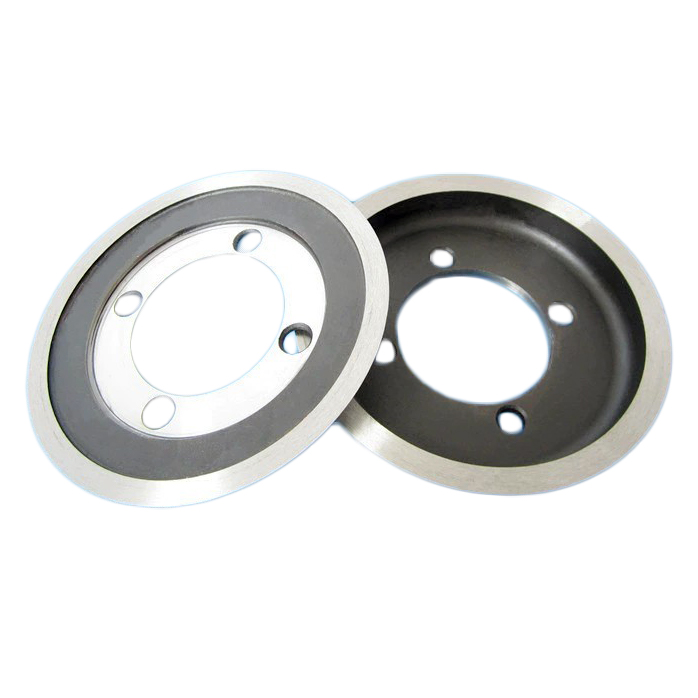
Selecting the right leather cutting blade is fundamental to achieving clean cuts, consistent results, and lasting durability in leather work. Whether you're a professional artisan, a hobbyist craftsperson, or someone managing production in an industrial leather shop, the choice of blade directly impacts the quality of your finished products and the efficiency of your workflow. A poorly chosen leather cutting blade can result in jagged edges, material waste, slower production, and frustration. Understanding the key factors that define a quality leather cutting blade will help you make an informed decision that aligns with your specific projects and budget.
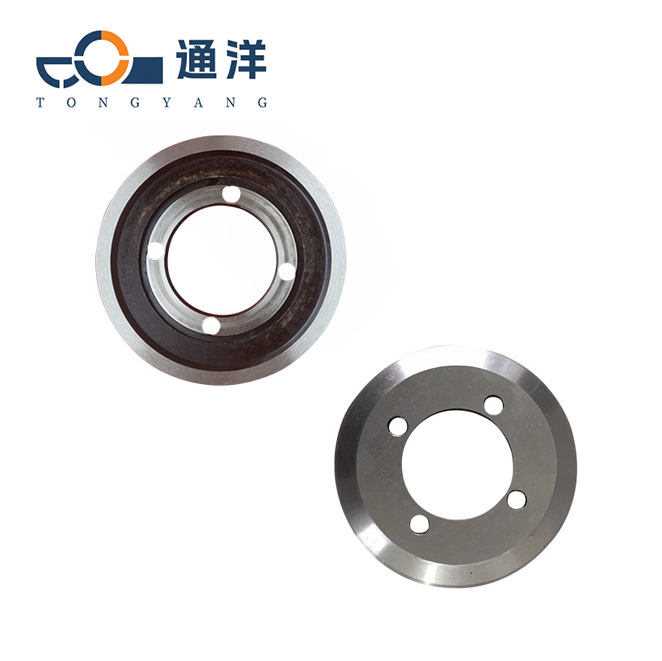
A leather cutting blade serves as the core tool in your leather handling arsenal, and its performance depends on material composition, edge geometry, hardness, and maintenance requirements. The leather cutting blade you select must balance sharpness retention with durability across different leather thicknesses and types. Different projects demand different specifications, and knowing how to evaluate these factors ensures you invest in the right tool for your needs.
Understanding Blade Material and Edge Composition
Steel Quality and Hardness Ratings
The material of your leather cutting blade determines its cutting performance and longevity. High-carbon steel and stainless steel are the most common materials used in professional leather cutting blades. High-carbon steel offers superior edge retention and sharpness but requires more careful maintenance to prevent rust. Stainless steel provides corrosion resistance and lower maintenance but may not hold an edge as long as high-carbon alternatives. When evaluating a leather cutting blade, check the hardness rating, typically expressed in Rockwell Hardness (HRC). A leather cutting blade with HRC between 55 and 62 typically offers an optimal balance between edge sharpness and durability without becoming brittle. Blades below this range will dull quickly, while those above it may chip under stress.
Blade Coating and Surface Treatment
Modern leather cutting blade designs often feature specialized coatings to enhance performance and extend tool life. Titanium nitride coatings, ceramic coatings, and chrome plating are common treatments applied to professional leather cutting blades. These coatings reduce friction during cutting, minimize material buildup, and improve corrosion resistance. When selecting a leather cutting blade, consider whether the coating is appropriate for your leather type and work environment. Coated leather cutting blades generally cost more but deliver longer service life and reduced maintenance intervals, making them economical for high-volume operations.
Evaluating Blade Geometry and Cutting Edge Design
Edge Profile and Angle
The geometry of your leather cutting blade dramatically influences how cleanly it cuts through different leather weights and finishes. A leather cutting blade with a beveled edge typically creates cleaner cuts on thin to medium leather, while a more acute angle reduces the force needed to initiate cutting. Most professional leather cutting blades feature an edge angle between 15 and 25 degrees. A sharper angle (closer to 15 degrees) cuts more easily but requires more frequent sharpening and is prone to chipping on thick or hard leather. A wider angle (closer to 25 degrees) is more durable and forgiving but requires greater cutting force. The ideal leather cutting blade for your work depends on your typical material thickness and the volume of cutting you perform.
Blade Shape and Versatility
Different leather cutting blade shapes serve different purposes within your workflow. Straight blades work well for general cutting and edge trimming, while curved or hook-shaped blades excel at detail work and precision cuts. Rotary leather cutting blades offer continuous cutting capability and are ideal for high-volume production environments. Before choosing a leather cutting blade, consider the primary cuts you'll perform and whether you need multiple blade shapes to handle your full range of projects. Some craftspeople maintain a collection of leather cutting blade types, each optimized for specific tasks, rather than relying on a single universal blade.
Assessing Durability, Maintenance, and Total Cost of Ownership
Sharpness Retention and Frequency of Maintenance
How long a leather cutting blade maintains its cutting edge directly affects your operational efficiency and project timelines. Premium materials and coatings in a leather cutting blade extend the interval between sharpening or replacement. A leather cutting blade that requires sharpening every few hours of use will create downtime and ongoing maintenance costs. Conversely, investing in a high-quality leather cutting blade that holds its edge for days or weeks of continuous use reduces interruptions and labor costs. When comparing leather cutting blade options, inquire about expected edge life under your specific usage conditions. Some manufacturers provide guidance on cut counts or operating hours before sharpening is recommended for their leather cutting blade models.
Replacement Cost and Long-Term Investment
The upfront cost of a leather cutting blade is only one component of the total investment decision. A more expensive leather cutting blade that retains its edge longer and requires less frequent replacement may deliver lower overall cost per use than a cheaper blade that dulls quickly. Calculate the total cost of ownership by considering purchase price, expected service life, maintenance costs, and labor time for replacement. For production environments where a single leather cutting blade serves dozens of projects weekly, premium blade quality typically justifies the higher initial investment. Hobbyists with lower cutting volumes may find mid-range leather cutting blade options sufficient. Your usage pattern and business model should drive this decision.
Matching Blade Selection to Leather Types and Project Requirements
Leather Thickness and Texture Compatibility
Different leather varieties demand different leather cutting blade characteristics for optimal results. Thin, delicate leathers like kid or napa require a sharp leather cutting blade with minimal resistance to avoid crushing the material. Medium-weight leathers like cowhide can handle more aggressive leather cutting blade designs and benefit from slightly wider edge angles that provide durability. Heavy leathers, chrome tanning leather, and specialty finishes demand a robust leather cutting blade with excellent edge retention and resistance to chipping. Before purchasing, verify that your chosen leather cutting blade is explicitly recommended for the leather types you work with most frequently. This compatibility check prevents poor results and reduces the risk of blade damage or premature dulling.
Production Volume and Environmental Factors
High-volume production environments place different demands on a leather cutting blade than low-volume artisan work. A leather cutting blade used in industrial settings where it performs hundreds of cuts daily needs superior edge retention and resistance to heat buildup from friction. Environmental factors such as humidity, temperature, and exposure to chemicals also influence leather cutting blade performance and longevity. Stainless steel or coated leather cutting blades perform better in humid environments or facilities where moisture exposure is common. High-carbon steel leather cutting blades require climate-controlled storage in low-humidity settings to prevent oxidation and rust development. Understanding your work environment helps you select a leather cutting blade that will thrive in your specific conditions rather than deteriorate prematurely.
FAQ
What is the most important factor when choosing a leather cutting blade?
The most critical factor is matching the blade material and edge geometry to your specific leather types and cutting volume. A leather cutting blade optimized for thin leather will perform poorly on thick material, and a blade designed for light use may dull rapidly under production demands. Evaluate your primary use case first, then select a leather cutting blade that excels in that application.
How often should I replace or sharpen my leather cutting blade?
The sharpening frequency for a leather cutting blade depends on its material quality, coating, and your usage intensity. A premium leather cutting blade might maintain sharpness for weeks of regular use, while a standard blade may need sharpening every few days. Monitor edge performance continuously and sharpen or replace your leather cutting blade when cutting quality noticeably declines or requires excessive pressure.
Can I use one leather cutting blade for all my projects?
While a versatile leather cutting blade can handle many general tasks, most professional craftspeople find that specialized leather cutting blade shapes and specifications improve results on specific projects. Investing in a small collection of leather cutting blades suited to your most common work types typically yields better efficiency and final product quality than relying on a single universal blade.