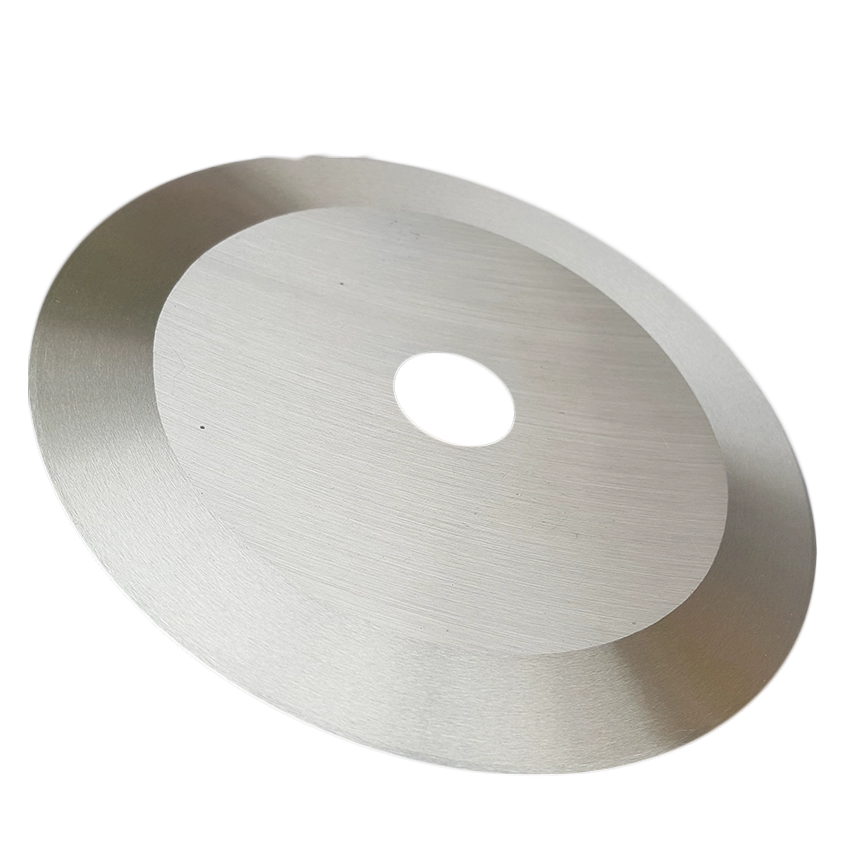
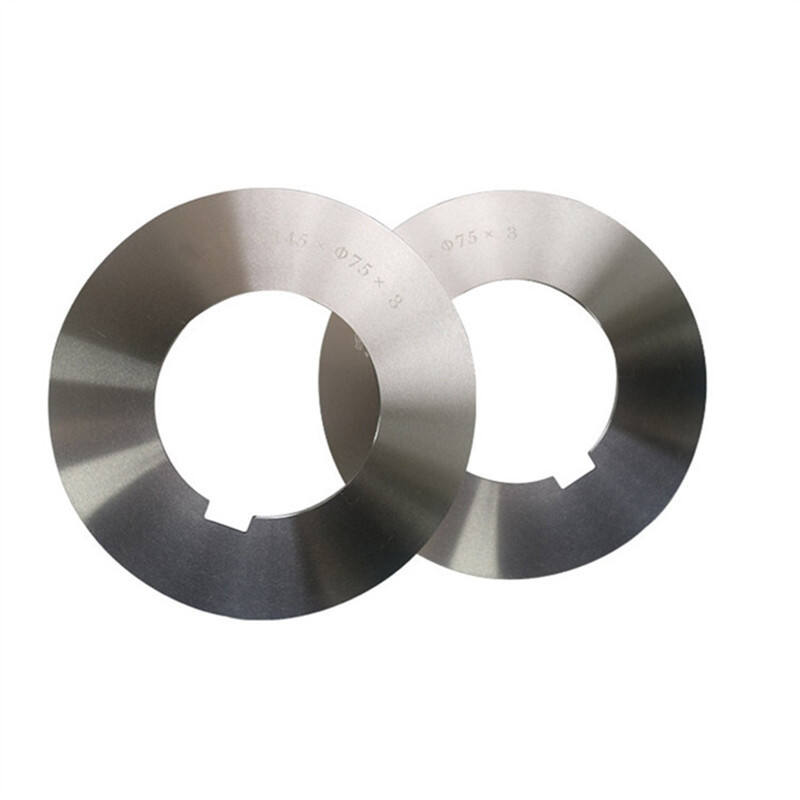
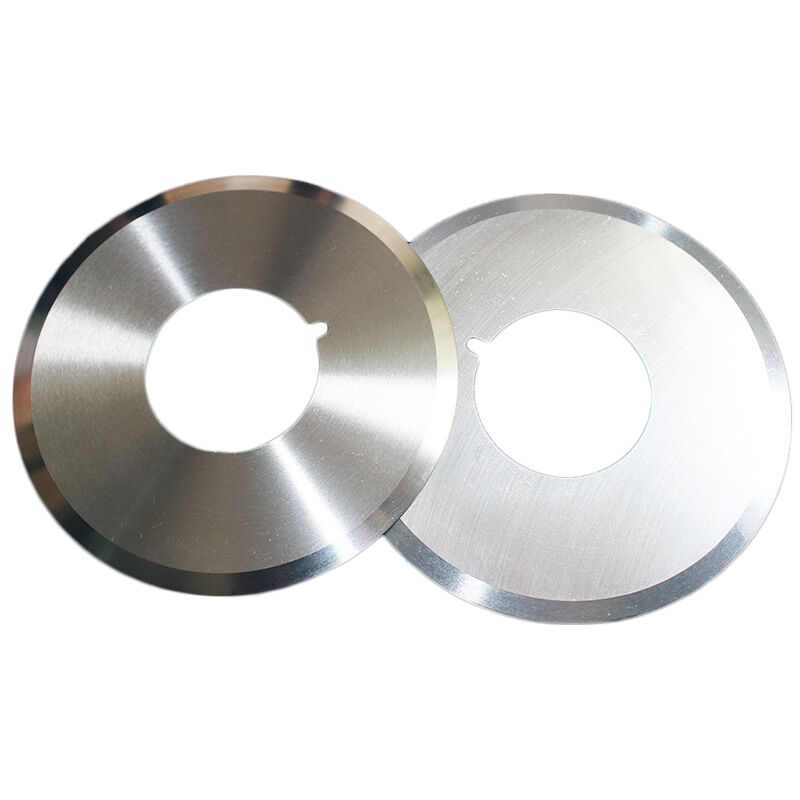
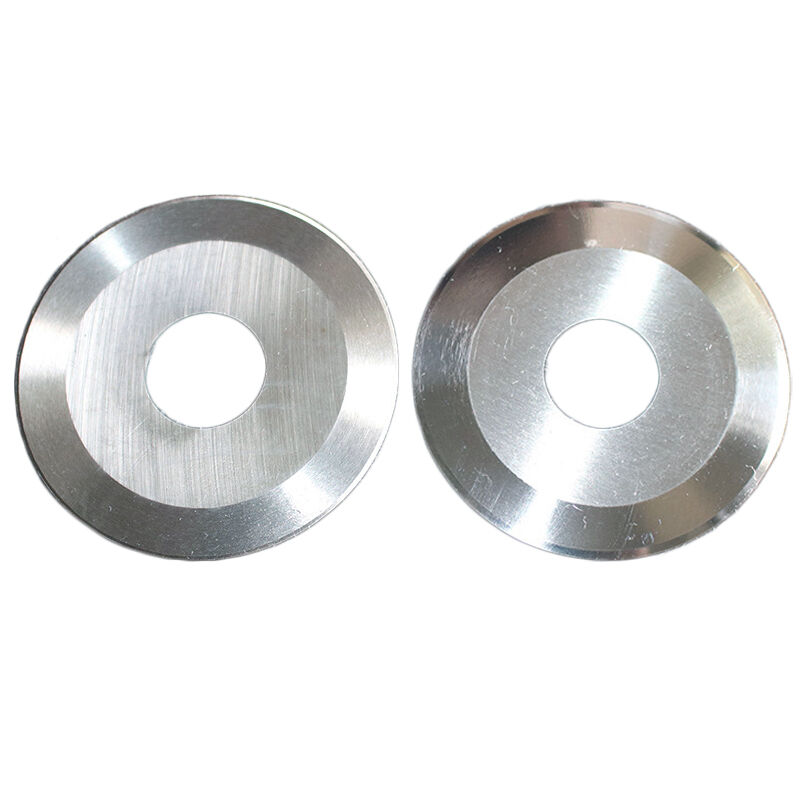
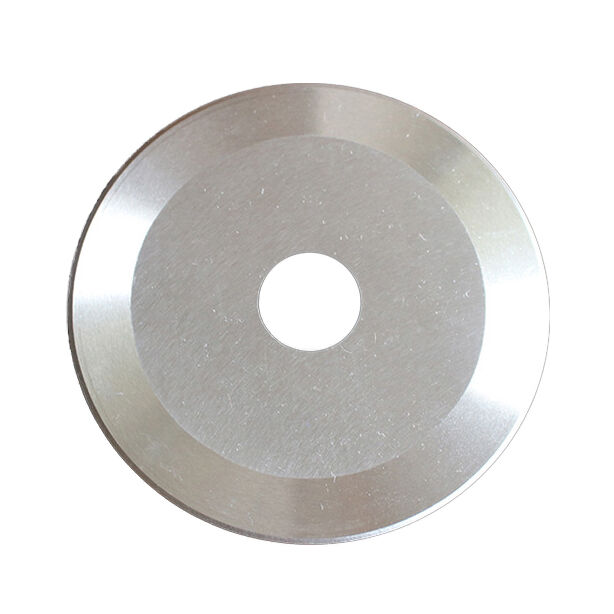
Versatile Application Range Maximizes Equipment Investment Value
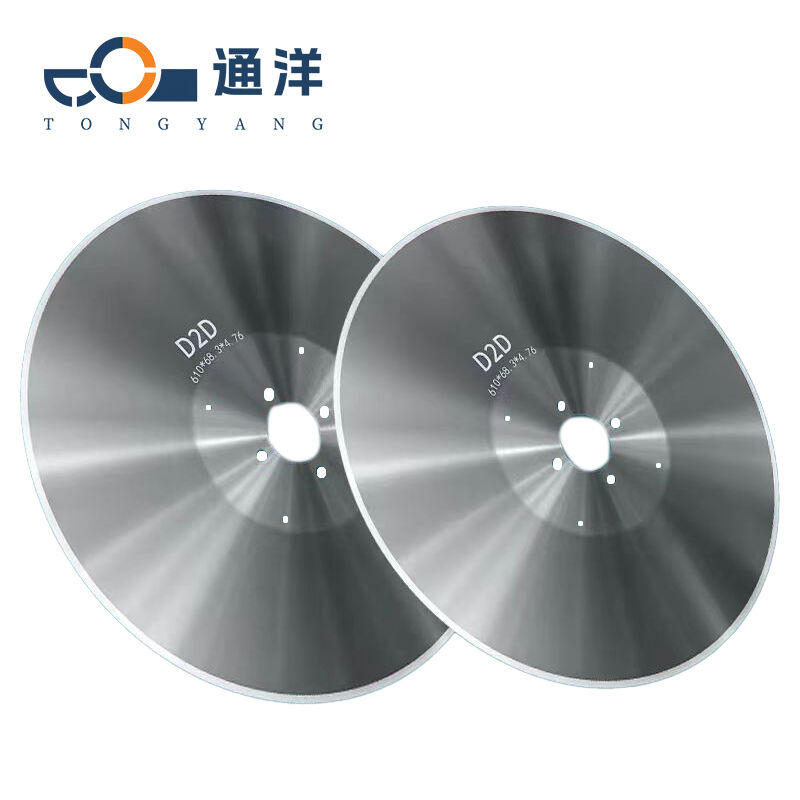
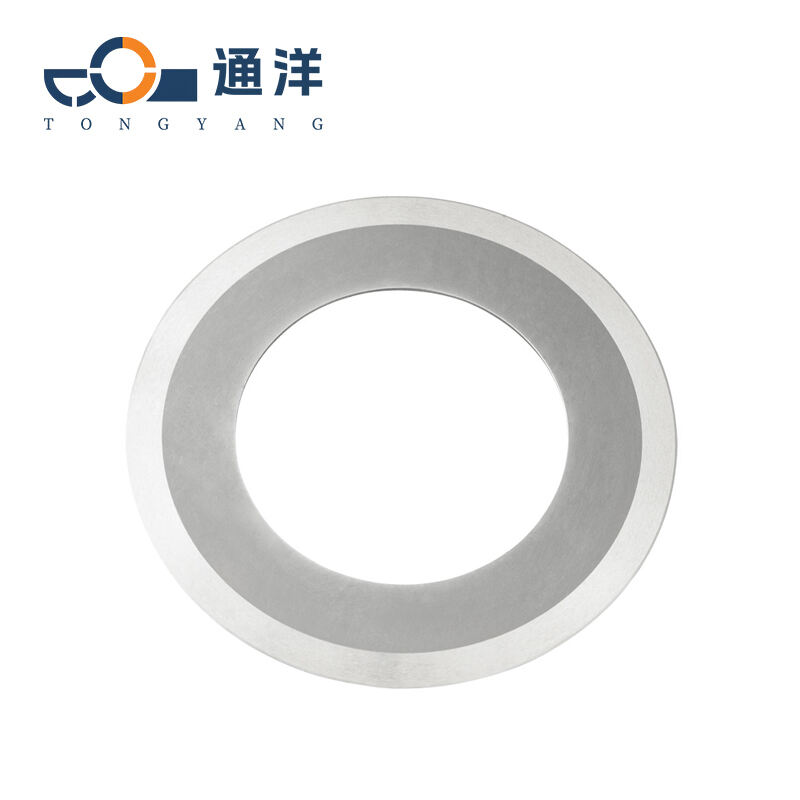
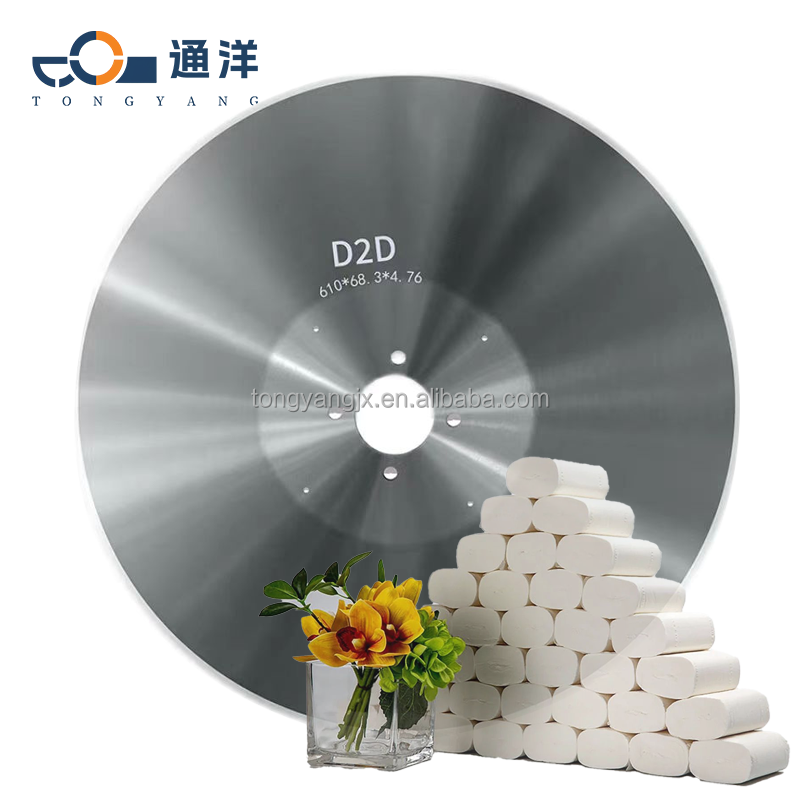
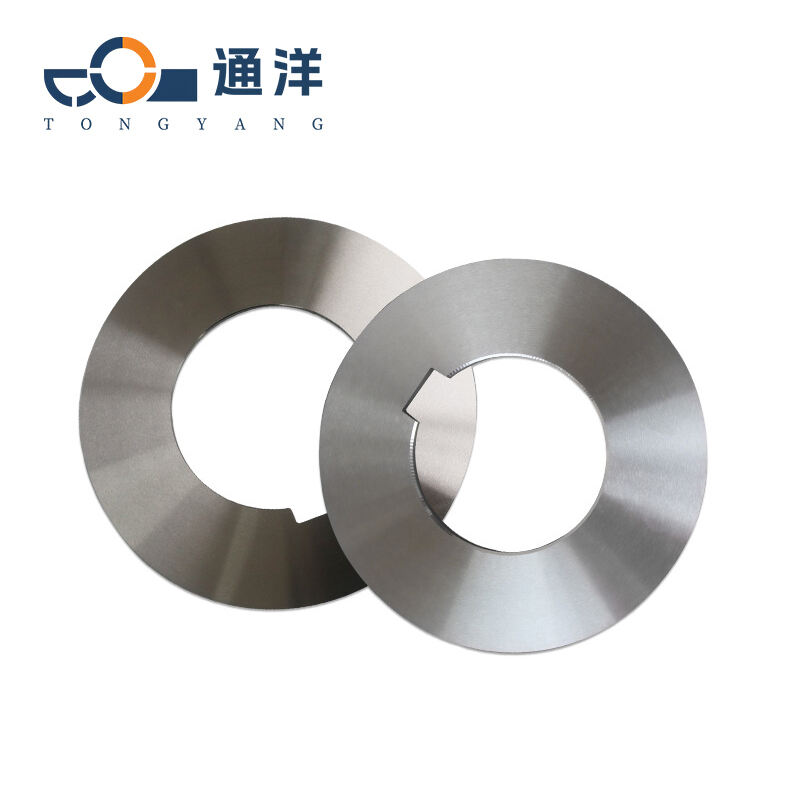
The remarkable versatility of circular slitter blades across diverse materials and industries makes them exceptionally valuable investments that adapt to changing production requirements and market demands. This adaptability begins with the ability to process an extraordinarily wide range of substrate materials with appropriate blade selection and setup parameters. In flexible packaging operations, circular slitter blades efficiently process polyethylene films, polypropylene substrates, polyester materials, and multi-layer laminates used for food packaging, pharmaceutical blister packs, and consumer product wrapping. The pharmaceutical industry relies on these blades for precision cutting of blister packaging materials, medical device components, and specialized films that require contamination-free processing. Textile manufacturers utilize circular slitter blades to cut woven and non-woven fabrics, technical textiles, and composite materials used in automotive, aerospace, and industrial applications. The paper and print industries depend on these blades for converting operations involving coated papers, cardboard, tissue products, and specialty papers used in labels, tags, and graphic arts applications. Converting operations employ circular slitter blades for processing pressure-sensitive adhesives, transfer tapes, double-sided adhesives, protective films, and release liners essential to electronics manufacturing, automotive assembly, and construction industries. The rubber and foam industries use these blades to slit gasket materials, sealing products, cushioning materials, and technical rubber compounds. Metal foil processors rely on circular slitter blades to cut aluminum foils, copper foils for electronics, and composite foil laminates. This material versatility extends throughout thickness ranges from ultra-thin films measuring mere microns to relatively thick substrates several millimeters in dimension. By selecting appropriate blade materials, edge geometries, and operational parameters, manufacturers can configure slitting systems to handle virtually any flexible material processing requirement. The economic advantage of this versatility becomes apparent when business conditions change or new opportunities emerge. Rather than investing in completely different cutting technologies for each material type, manufacturers can often adapt existing circular slitter blade equipment to new applications through blade changes and setup adjustments. This flexibility reduces capital equipment requirements, shortens lead times for new product introductions, and allows manufacturers to respond quickly to customer requests. The widespread adoption of circular slitter blades across industries also means extensive technical support resources, readily available replacement parts, and established best practices that reduce implementation risk when entering new markets or processing unfamiliar materials.
 EN
EN