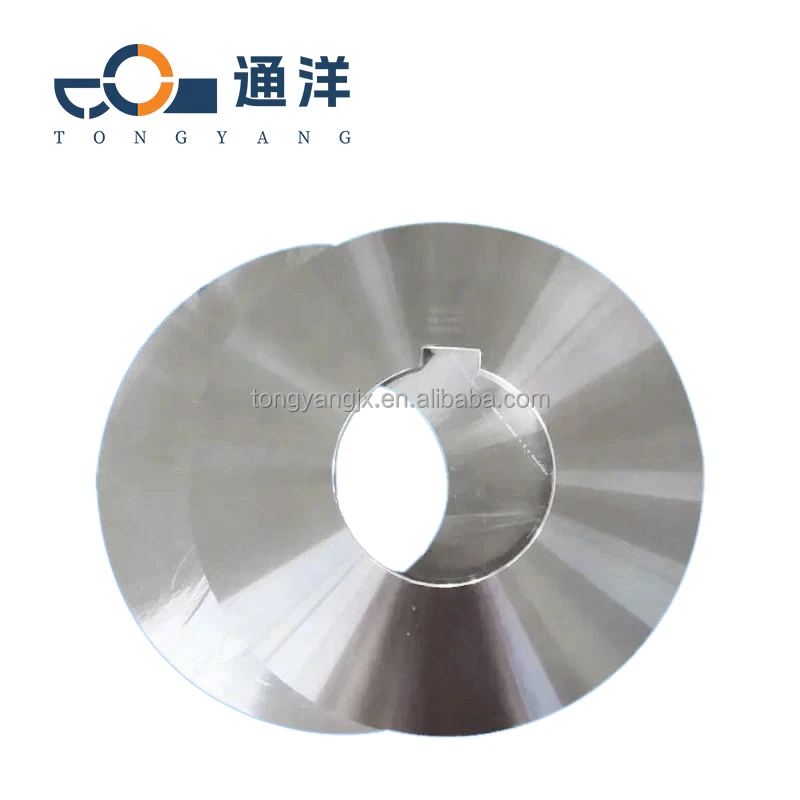
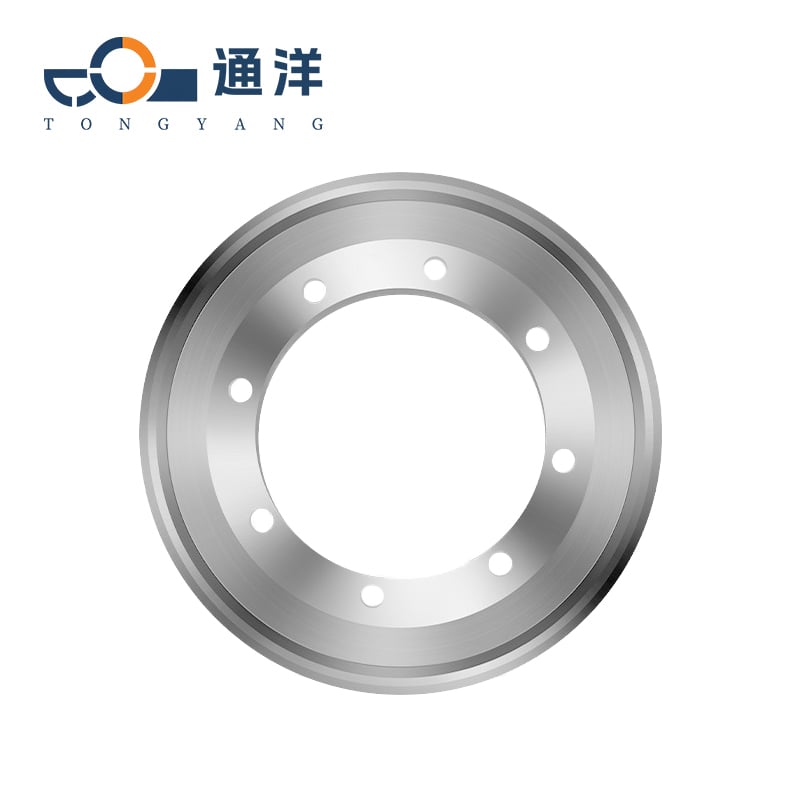
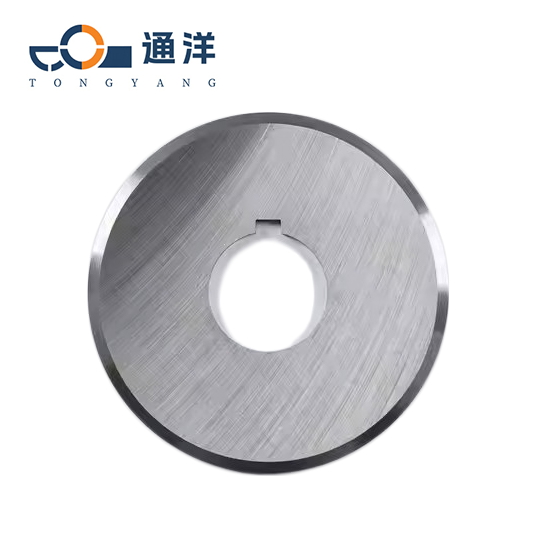
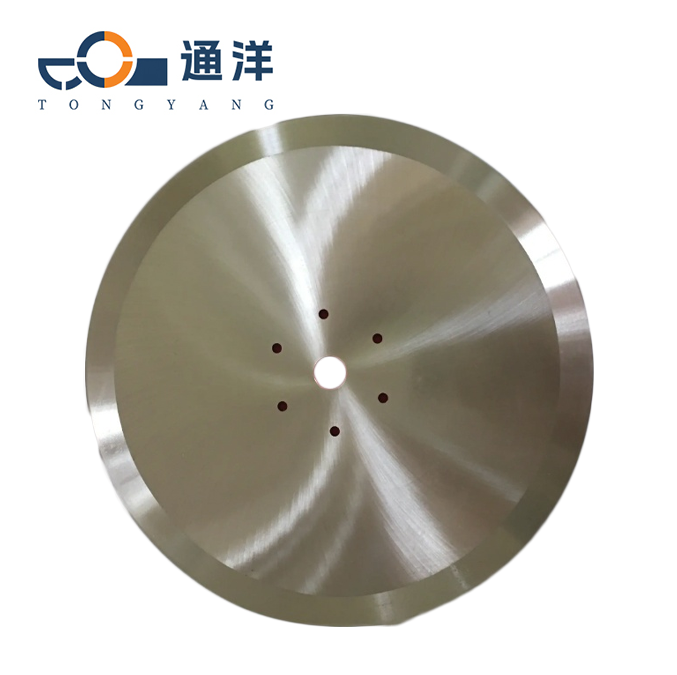
Essential Factors in Modern Cutting Blade Selection
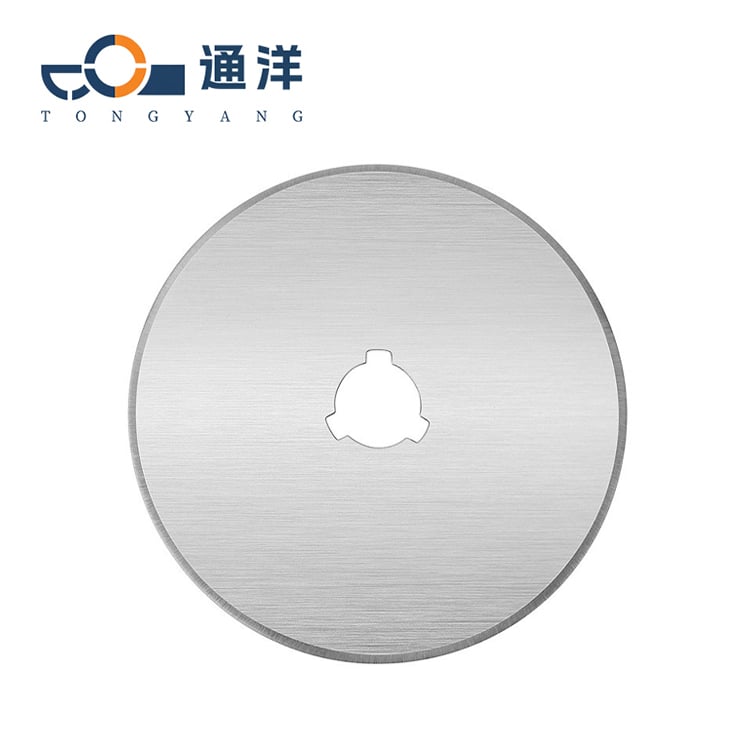
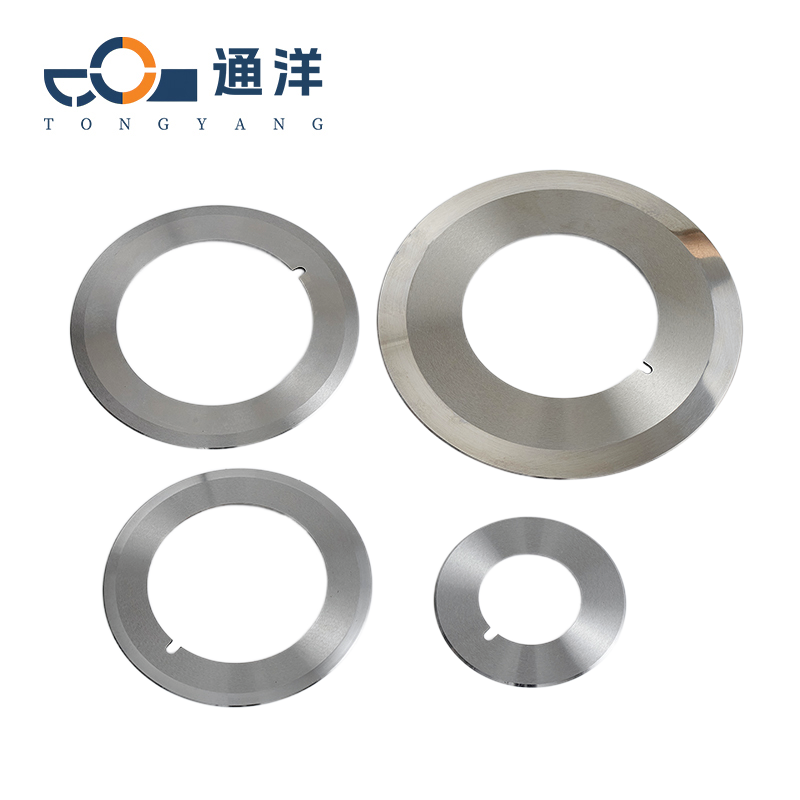
Selecting the right cutting blade can make the difference between a masterpiece and a costly mistake. Whether you're a professional craftsman or a dedicated DIY enthusiast, understanding the intricate details of cutting blade technology is crucial for achieving precise, efficient, and safe cuts. The latest advancements in blade manufacturing have introduced innovative materials and designs that revolutionize cutting performance across various applications.
Today's cutting blade options extend far beyond traditional steel varieties. Modern metallurgy has enabled the development of specialized blades that combine durability with unprecedented cutting precision. As we look toward 2025, the market continues to evolve with smart-coated blades and application-specific designs that optimize performance while extending blade life.
Understanding Cutting Blade Materials and Composition
High-Speed Steel (HSS) and Carbide Technologies
High-speed steel remains a popular choice for cutting blade manufacturing, offering excellent hardness and heat resistance. These blades maintain their sharp edge even under high-speed operation, making them ideal for continuous cutting tasks. The addition of cobalt and other alloys enhances their performance in demanding applications.
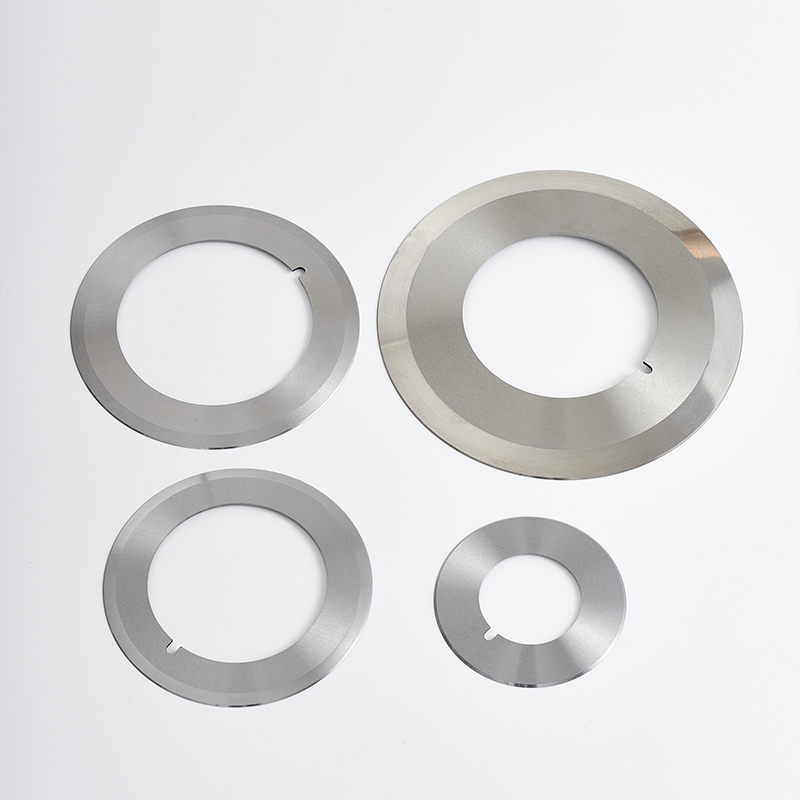
Carbide-tipped cutting blades represent the premium segment of the market. These blades feature tungsten carbide tips brazed onto a steel body, delivering superior hardness and wear resistance. While more expensive initially, carbide blades often prove more economical in the long run due to their extended lifespan and consistent cutting quality.
Advanced Coating Technologies
Modern cutting blade surfaces often feature specialized coatings that enhance performance and longevity. Titanium nitride (TiN) coatings provide excellent wear resistance and reduced friction, while titanium aluminum nitride (TiAlN) offers superior heat resistance. These coatings can significantly extend blade life and maintain cutting efficiency under demanding conditions.
Diamond-like carbon (DLC) coatings represent the cutting edge of blade technology. These ultra-hard surfaces reduce friction to near-zero levels, enabling smoother cuts and minimal heat generation. The result is cleaner cuts and extended blade life, particularly in challenging materials.
Matching Blade Specifications to Applications
Tooth Configuration and Geometry
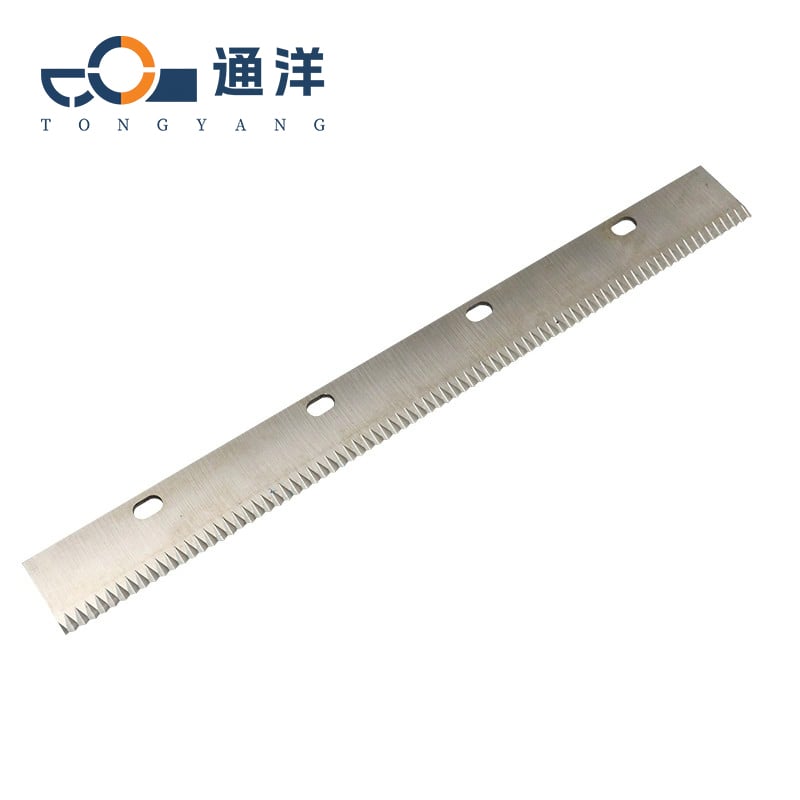
The arrangement and design of blade teeth significantly impact cutting performance. Fine-toothed blades excel in producing smooth finishes on thin materials, while larger tooth patterns handle thicker materials more effectively. Understanding these patterns helps in selecting the optimal cutting blade for specific applications.
Modern blade designs incorporate advanced tooth geometries that enhance chip evacuation and reduce cutting forces. Triple-chip grind (TCG) and alternate top bevel (ATB) configurations offer specialized cutting characteristics suited to different materials and cutting requirements.
Blade Speed and Feed Rates
Optimal cutting performance depends on matching blade speed and feed rates to the material being cut. High-speed cutting blades typically operate at specific RPM ranges for maximum efficiency. Understanding these parameters ensures clean cuts while minimizing blade wear and material waste.
Variable pitch technology in modern cutting blades helps reduce vibration and noise while improving cut quality. This design feature becomes particularly important in high-speed applications where stability and precision are crucial.
Cutting Blade Maintenance and Safety
Professional Maintenance Protocols
Regular maintenance extends cutting blade life and ensures consistent performance. This includes proper cleaning after use, correct storage practices, and periodic inspection for wear or damage. Professional blade sharpening services can restore dulled edges to their original performance levels.
Modern cutting blades often include wear indicators that signal when replacement or maintenance is needed. These features help prevent the use of compromised blades that could affect cut quality or pose safety risks.
Safety Features and Standards
Contemporary cutting blade design prioritizes operator safety through features like anti-kickback teeth and blade guards. Understanding and maintaining these safety features is essential for workplace security and regulatory compliance.
Advanced blade designs incorporate emergency stop mechanisms and electronic safety systems that integrate with modern cutting equipment. These features provide additional layers of protection during operation.

Environmental and Cost Considerations
Sustainable Cutting Solutions
Manufacturers are increasingly focusing on environmentally friendly cutting blade options. This includes using recycled materials in blade construction and developing eco-friendly coating processes. The trend toward sustainability continues to influence blade design and manufacturing processes.
Energy-efficient cutting blade designs reduce power consumption while maintaining cutting performance. This approach not only benefits the environment but also reduces operating costs over time.
Long-term Cost Analysis
While premium cutting blades may require higher initial investment, their extended lifespan and superior performance often result in better long-term value. Considering factors like maintenance requirements, replacement frequency, and cutting efficiency helps in making cost-effective blade selections.
The emergence of subscription-based blade replacement services and professional maintenance programs offers new ways to manage cutting blade costs while ensuring optimal performance.
Frequently Asked Questions
How often should I replace my cutting blade?
The replacement interval depends on usage intensity, materials cut, and blade quality. Professional-grade cutting blades typically last 3-6 months under regular use. Monitor cut quality and blade wear indicators to determine optimal replacement timing.
What determines cutting blade compatibility?
Blade compatibility is determined by factors including arbor size, blade diameter, material thickness capacity, and power tool specifications. Always verify these specifications before purchasing to ensure proper fit and safe operation.
Can all cutting blades be resharpened?
Not all cutting blades are suitable for resharpening. While high-speed steel blades can often be resharpened multiple times, carbide-tipped blades require specialized equipment and expertise. Some disposable blades are designed for single-use applications.