PP Film Slitting Blade - Precision Cutting Solutions for Polypropylene Film Manufacturing

All Categories

Get a Free Quote

Our representative will contact you soon.
Email
WhatsApp
Name
Company Name
Message
0/1000

pp film slitting blade

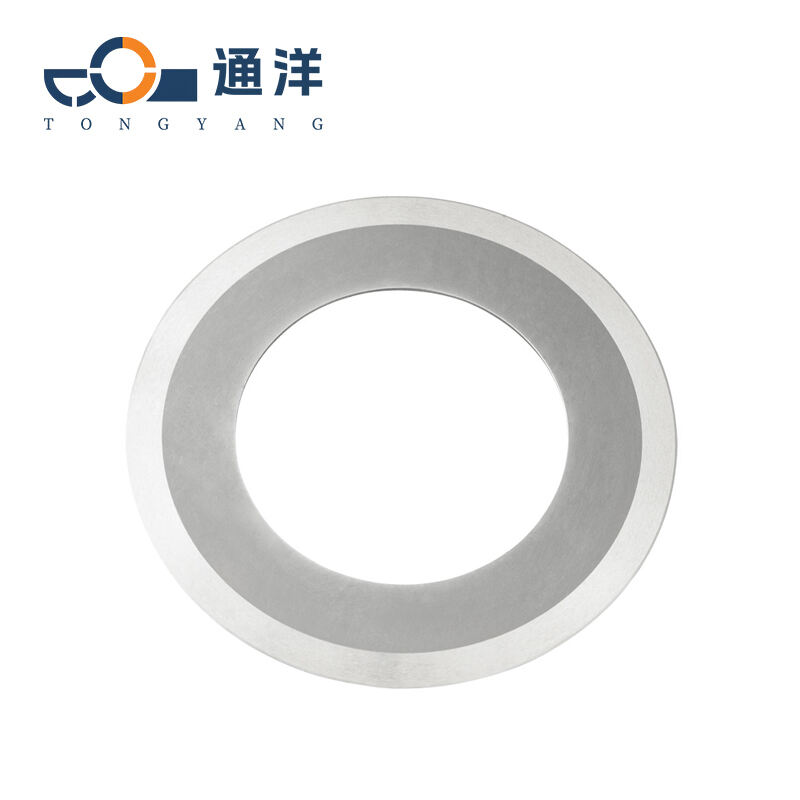
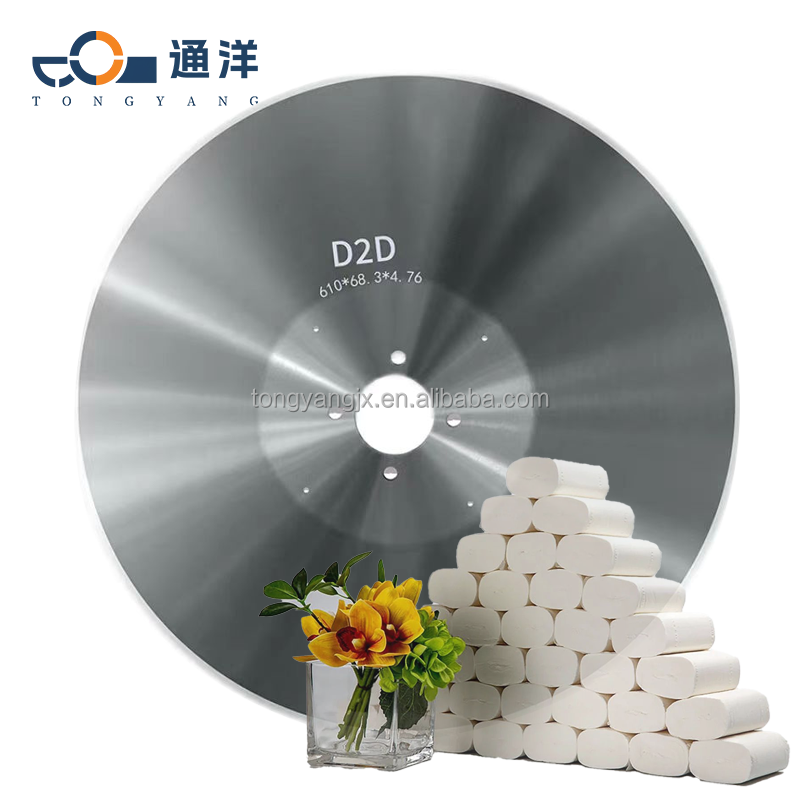
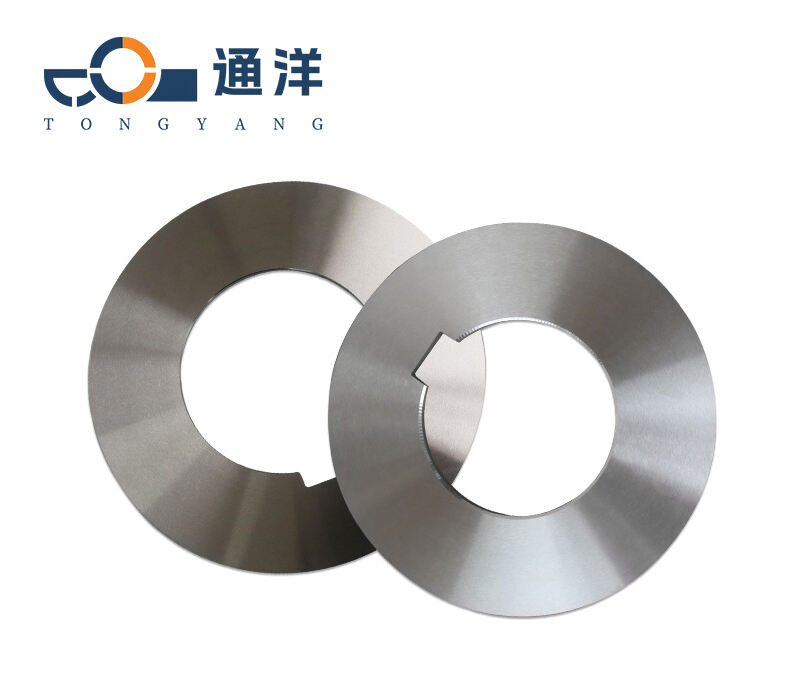
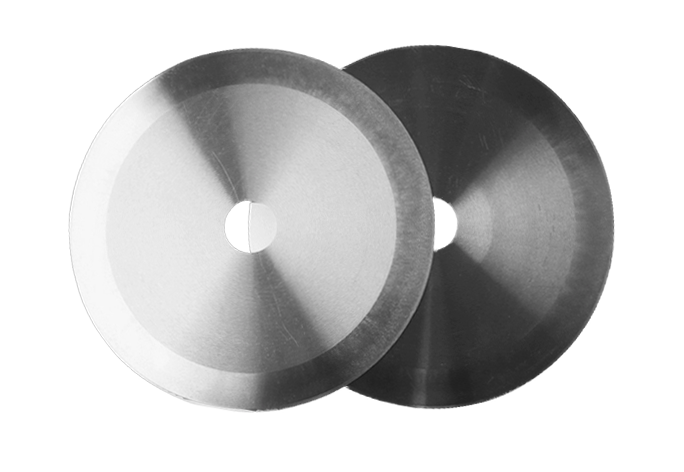
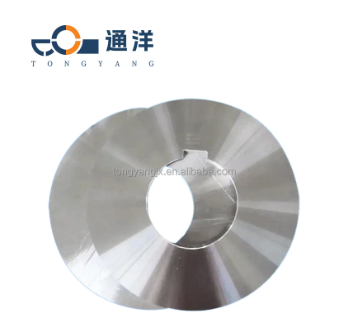
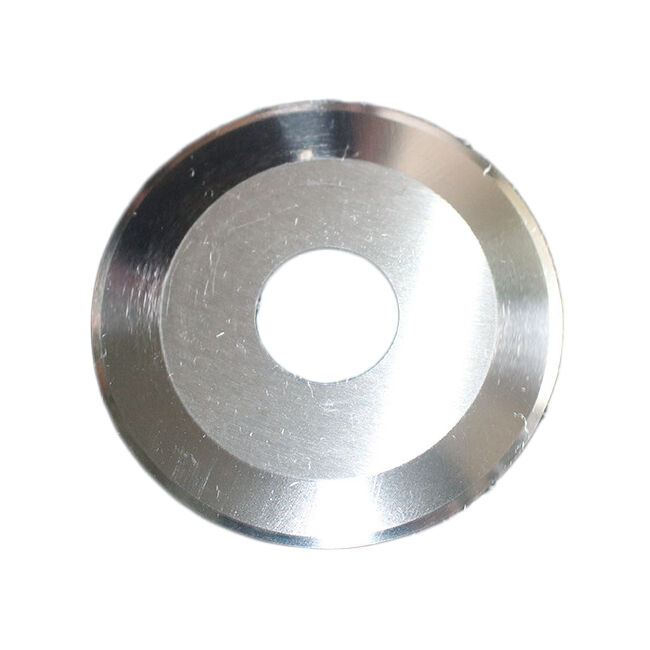
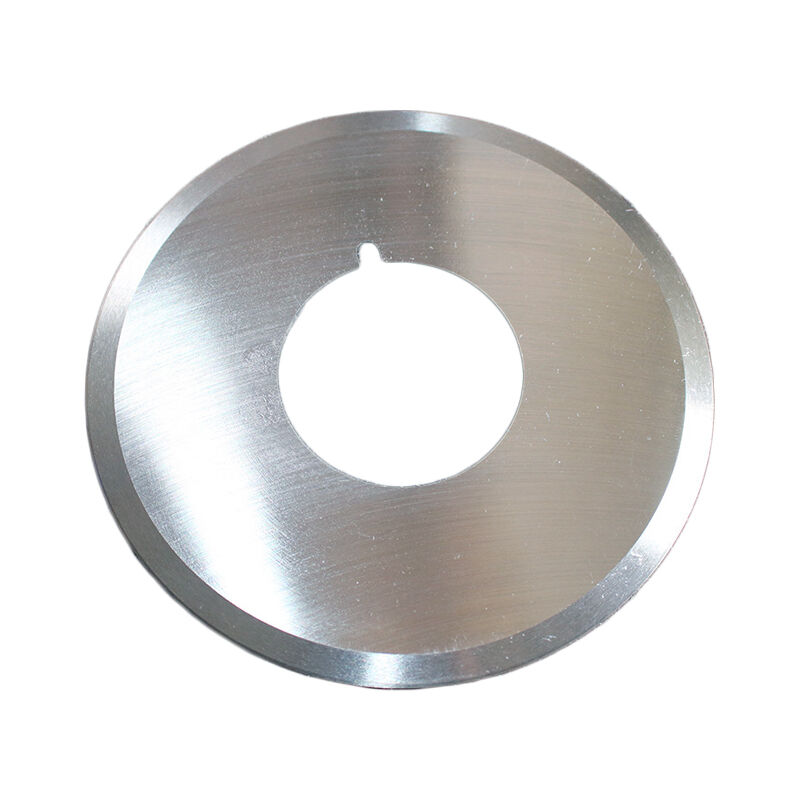
The pp film slitting blade represents a specialized cutting tool engineered specifically for precision slicing of polypropylene film materials in industrial manufacturing environments. This essential component serves as the cornerstone of film converting operations, delivering clean, accurate cuts that maintain material integrity throughout the production process. Manufacturing facilities rely on these blades to transform large master rolls of polypropylene film into narrower widths suitable for various downstream applications. The pp film slitting blade distinguishes itself through its ability to handle the unique properties of polypropylene, a thermoplastic polymer known for its flexibility, chemical resistance, and varying thickness profiles. These blades undergo rigorous heat treatment processes to achieve optimal hardness levels, typically ranging between 58 and 62 on the Rockwell scale, ensuring they maintain sharpness even during extended production runs. The cutting edge geometry is carefully designed to minimize friction and heat generation during the slitting process, preventing material deformation or melting that could compromise product quality. Advanced metallurgical composition incorporating high-carbon steel or tungsten carbide materials provides exceptional wear resistance, extending blade lifespan and reducing replacement frequency. The pp film slitting blade functions within sophisticated slitting machinery where precise tension control, alignment systems, and speed regulation work in concert to achieve consistent results. Surface treatments such as titanium nitride coating or chrome plating enhance performance characteristics by reducing adhesive buildup and improving release properties. Dimensional accuracy is paramount, with tolerances measured in micrometers to ensure parallel edges and uniform width across the entire slit roll. These blades accommodate various film thicknesses, from ultra-thin 10-micron films used in packaging applications to heavier gauge materials employed in industrial settings. The versatility of the pp film slitting blade extends across multiple sectors including food packaging, pharmaceutical wrapping, label manufacturing, agricultural films, and protective covering production, making it an indispensable tool in modern converting operations.

New Product Recommendations

Investing in quality pp film slitting blades delivers measurable benefits that directly impact your bottom line and operational efficiency. First and foremost, these specialized blades dramatically reduce material waste by producing clean cuts without ragged edges or tears that would render product unusable. When you compare the cost of wasted polypropylene film over a year of production, the savings from precise cutting quickly offset the blade investment. The extended service life of premium pp film slitting blades means fewer production interruptions for blade changes, keeping your lines running and meeting delivery commitments to customers. Your maintenance team will appreciate the straightforward installation process and the reduced frequency of blade replacement, freeing up valuable labor hours for other critical tasks. Product quality improves noticeably when using purpose-designed blades, as you will see fewer customer complaints about inconsistent edge quality or width variations that cause problems in their automated packaging equipment. The ability of these blades to maintain sharpness through thousands of linear meters of cutting translates directly into consistent performance you can rely on shift after shift. Temperature control during cutting prevents heat-related distortion of the polypropylene film, ensuring your products maintain their dimensional stability and optical clarity. Operators will notice smoother machine operation with less vibration and noise when quality blades are installed, creating a better work environment while indicating optimal cutting conditions. The versatility of pp film slitting blades allows you to process different film grades and thicknesses without constantly changing tooling, improving scheduling flexibility and reducing inventory of specialized components. You gain competitive advantage through faster turnaround times on custom orders because blade changeovers happen quickly and reliably. The reduction in dust and film particles generated during cutting keeps your production environment cleaner and reduces contamination risks in sensitive applications like food contact materials. Energy consumption decreases when sharp, efficient blades require less force to cut through materials, contributing to sustainability goals and lower utility costs. Your quality control department will document fewer rejects and less rework, improving overall equipment effectiveness metrics that management uses to evaluate production performance. Customer satisfaction increases when delivered products feature uniform appearance and consistent dimensions that perform flawlessly in their application equipment. The financial predictability of scheduled blade replacement based on actual wear rather than emergency failures helps budget planning and prevents costly rush orders for replacement components. Long-term partnerships with reliable blade suppliers provide technical support and cutting recommendations that optimize your specific pp film slitting blade applications for maximum profitability.

Tips And Tricks

5 Best Metal Cutting Blade Options for DIY Projects

25

Mar

5 Best Metal Cutting Blade Options for DIY Projects

Choosing the right metal cutting blade can make the difference between a successful DIY project and a frustrating experience filled with poor cuts and damaged materials. Whether you're working on home renovations, crafting custom metalwork, or tackli...
View More
Can a Circular Blade Cut Metal? A Look at Hardened Metal Cutting Blades

25

Mar

Can a Circular Blade Cut Metal? A Look at Hardened Metal Cutting Blades

The ability to cut through metal efficiently and precisely has always been a cornerstone of modern manufacturing and fabrication industries. When professionals need to slice through various metal materials, the choice of cutting tool can make the dif...
View More
How to Sharpen Your Circular Knife: Step-by-Step Guide

30

Apr

How to Sharpen Your Circular Knife: Step-by-Step Guide

Maintaining the sharpness of your circular knife is essential for achieving clean, precise cuts in industrial and commercial applications. Whether you work in rubber processing, textile manufacturing, paper cutting, or food production, a dull circula...
View More
Metal Cutting Blade Types: Complete Comparison Guide

30

Apr

Metal Cutting Blade Types: Complete Comparison Guide

Selecting the appropriate metal cutting blade for industrial applications requires understanding the distinct characteristics, capabilities, and optimal use cases of each blade type available in the market. Metal fabrication professionals face consta...
View More

Get a Free Quote

Our representative will contact you soon.
Email
WhatsApp
Name
Company Name
Message
0/1000

pp film slitting blade

Superior Material Composition and Hardening Technology

Superior Material Composition and Hardening Technology

The exceptional performance of the pp film slitting blade stems from advanced material science and precision heat treatment processes that create a cutting tool capable of withstanding the demanding conditions of continuous film production. Manufacturers select high-grade steel alloys with carefully balanced carbon content, chromium, and other alloying elements that provide the foundation for superior mechanical properties. The blade material undergoes multiple stages of heat treatment including austenitizing at precise temperatures, quenching in controlled cooling media, and tempering cycles that relieve internal stresses while maintaining hardness. This metallurgical transformation creates a microstructure with fine carbide distribution throughout the steel matrix, delivering both toughness to resist chipping and hardness to maintain cutting edge integrity. The pp film slitting blade achieves hardness levels specifically optimized for polypropylene film characteristics, striking the ideal balance between wear resistance and brittleness avoidance. Surface engineering techniques apply specialized coatings that serve multiple functions in the cutting process. Titanium nitride coatings create an extremely hard surface layer with low friction coefficients, allowing the blade to glide through film materials with minimal resistance. This reduced friction generates less heat during cutting, preventing the polypropylene from reaching temperatures where it becomes tacky or prone to welding back together after separation. Chrome plating provides corrosion resistance essential in production environments where atmospheric humidity or chemical exposure could degrade unprotected steel surfaces. The edge geometry receives meticulous attention during manufacturing, with grinding operations performed on precision equipment that maintains angle tolerances within minutes of arc. Beveled edges are configured based on the specific film thickness and material properties, with shallower angles suited for thin films and more aggressive geometries for heavier gauge materials. The apex of the cutting edge is honed to razor sharpness while maintaining structural integrity that prevents premature edge breakdown. Quality control procedures verify hardness uniformity across the blade surface, dimensional accuracy of thickness and width specifications, and absence of grinding marks or surface defects that could telegraph through to cut film edges. This comprehensive approach to material selection and processing ensures the pp film slitting blade delivers consistent cutting performance throughout its service life, providing manufacturers with the reliability necessary for high-volume production scheduling and quality assurance requirements.
Precision Engineering for Consistent Film Width Accuracy

Precision Engineering for Consistent Film Width Accuracy

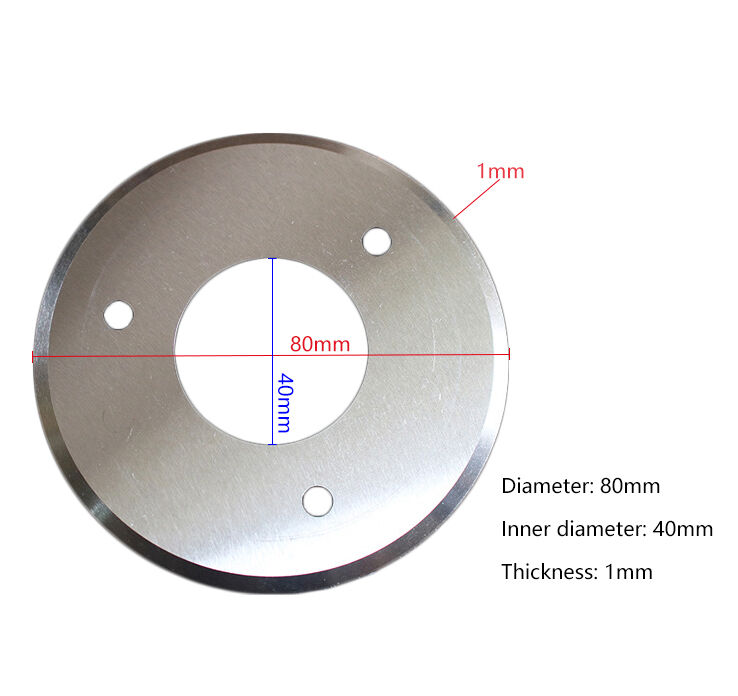
Achieving uniform film width across thousands of meters of production requires the pp film slitting blade to maintain dimensional stability and cutting precision that exceeds typical machining standards. The blade manufacturing process begins with precisely ground stock material where thickness variations are held to within two micrometers across the entire blade surface. This extraordinary flatness ensures that when the blade is mounted in slitting equipment and brought into contact with the film, the cutting action occurs at a consistent depth and angle throughout the cutting zone. Parallel grinding of the blade faces creates surfaces that remain true even under the mechanical stresses and thermal cycling experienced during operation. Width dimensions are machined to exacting specifications that account for the expansion characteristics of the blade material at operating temperatures, ensuring the slit film emerges at the target dimension regardless of production speed or environmental conditions. The edges of the pp film slitting blade are finished with specialized honing techniques that remove microscopic burrs and create a perfectly straight cutting line. Any deviation in edge straightness, even measured in single-digit micrometers, would manifest as waviness in the slit film edge that could cause tracking problems in downstream processing equipment. Straightness verification using laser measurement systems confirms that blade edges meet flatness specifications before packaging and shipment. The relationship between blade thickness and the film being cut influences slitting quality significantly, with optimal ratios preventing film deformation during the cutting stroke. Thicker blades provide greater rigidity and resistance to deflection when cutting heavy gauge films, while thinner profiles reduce the kerf width and material loss when processing expensive specialty films. The pp film slitting blade mounting interface features precision-machined locating surfaces and fastener holes positioned to ensure repeatable installation alignment. This mounting accuracy proves critical when running multi-blade configurations where spacing between adjacent blades must remain constant to produce multiple slit widths simultaneously. Thermal stability of the blade material prevents dimensional drift as operating temperatures fluctuate during production cycles. The coefficient of thermal expansion is factored into blade design so that the cutting edge position remains stable even as the blade absorbs heat from friction and the surrounding machinery. Advanced manufacturing facilities employ coordinate measuring machines to verify every critical dimension before blades enter service, documenting traceability data that customers can reference when validating their quality management systems. This obsessive attention to dimensional control throughout the manufacturing process enables the pp film slitting blade to deliver the width consistency and edge quality that modern film converting operations demand for competitive market positioning.
Optimized Cutting Dynamics for Polypropylene Film Properties

Optimized Cutting Dynamics for Polypropylene Film Properties

The unique characteristics of polypropylene film present specific challenges that the pp film slitting blade addresses through intelligent design features tailored to this material family. Polypropylene exhibits viscoelastic behavior where its response to cutting forces depends on strain rate, temperature, and molecular orientation within the film structure. The blade cutting angle and edge sharpness are optimized to initiate a controlled crack propagation through the film thickness rather than relying purely on shear forces that could stretch and deform the material. This cutting mechanism produces clean separation with minimal edge distortion, preserving the optical properties and dimensional accuracy that end users expect. The blade surface finish plays a crucial role in how polypropylene film releases from the cutting edge after separation. Polished surfaces reduce the contact area where film could adhere due to static electricity or surface energy effects common with plastic materials. Anti-stick coatings further enhance release characteristics, preventing film buildup on the blade that would progressively degrade cut quality and eventually require production stops for cleaning. The pp film slitting blade geometry considers the tendency of polypropylene to generate fine particles or dust during cutting, with edge configurations that minimize particle generation and facilitate evacuation of any debris from the cutting zone. Film orientation, whether machine direction or transverse direction, affects how the material responds to cutting forces. Cast polypropylene films with random molecular orientation cut differently than biaxially oriented films where polymer chains are aligned in both directions. The blade design accommodates these variations through edge geometry that remains effective across the range of polypropylene film types encountered in production. Cutting speed compatibility extends from slower speeds used for thick or specialty films to high-speed operations exceeding 500 meters per minute in commodity film production. The pp film slitting blade maintains cutting effectiveness across this speed range without requiring geometry changes, simplifying tooling management and reducing inventory complexity. The thermal properties of polypropylene, with its relatively low melting point around 160 degrees Celsius, demand that blade design minimizes frictional heating. Excessive temperatures at the cutting interface cause edge melting, string formation, or welding where cut edges rejoin after the blade passes. Heat dissipation features and low-friction surface treatments keep interface temperatures well below the critical threshold where thermal degradation begins. The chemical resistance of polypropylene means that films may carry residual processing aids, slip agents, or anti-block additives that could interact with blade materials. The pp film slitting blade incorporates materials and coatings resistant to chemical attack from these substances, maintaining cutting performance even with treated or modified polypropylene films. Extensive testing protocols evaluate blade performance against various polypropylene film grades, thicknesses, and surface treatments to validate effectiveness before release to production environments, ensuring that customers receive tooling fully capable of meeting their specific application requirements.

Get a Free Quote

Our representative will contact you soon.
Email
WhatsApp
Name
Company Name
Message
0/1000
Newsletter
Please Leave A Message With Us