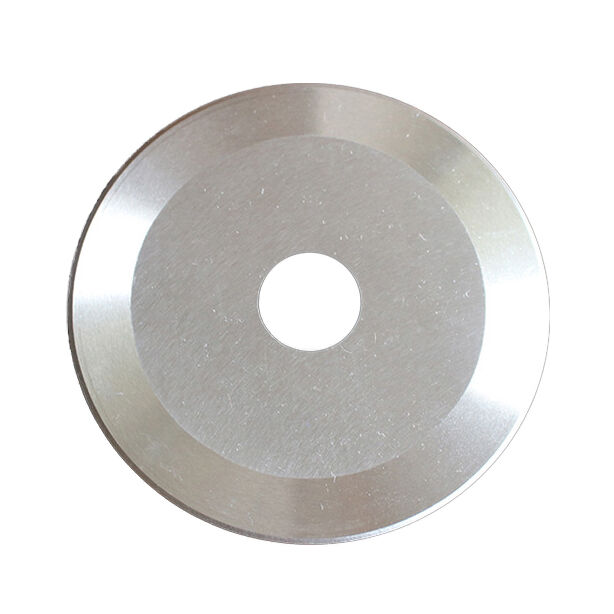
Premium Film Slitting Razor Blades - Precision Cutting Solutions for Industrial Film Converting Applications

All Categories

Get a Free Quote

Our representative will contact you soon.
Email
WhatsApp
Name
Company Name
Message
0/1000

film slitting razor blades

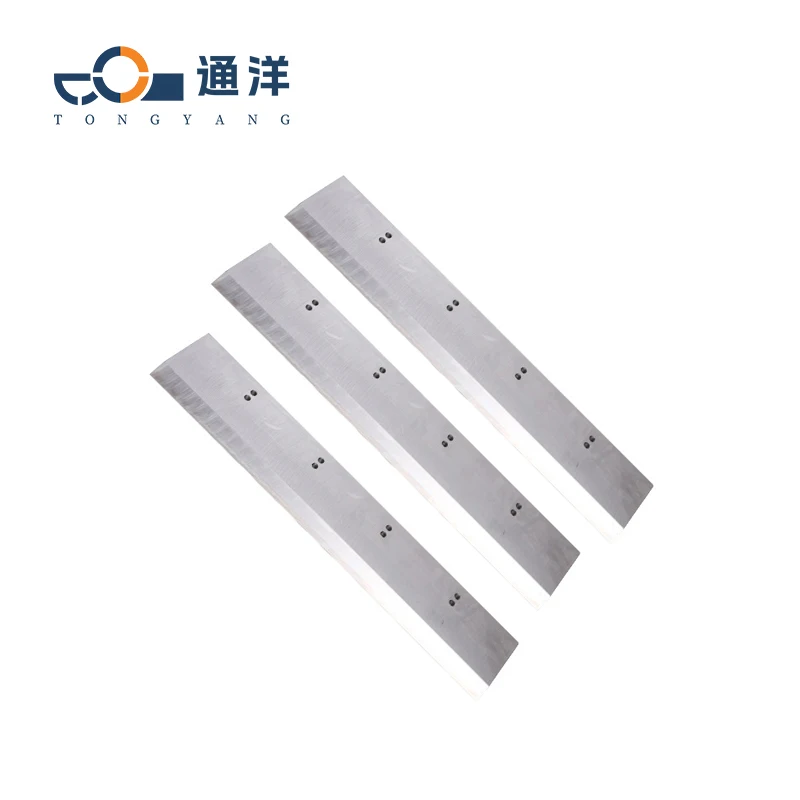
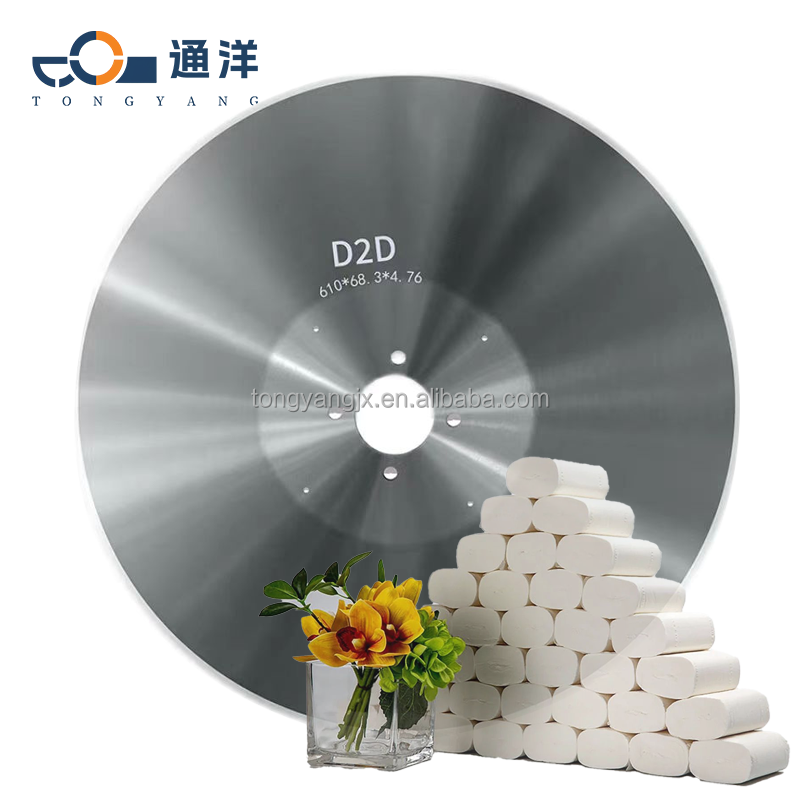
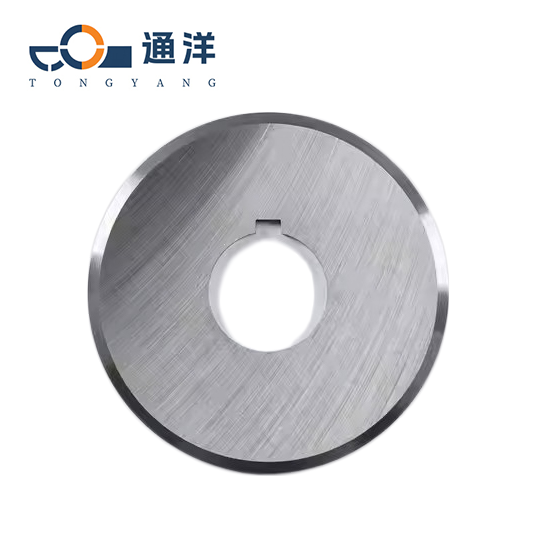
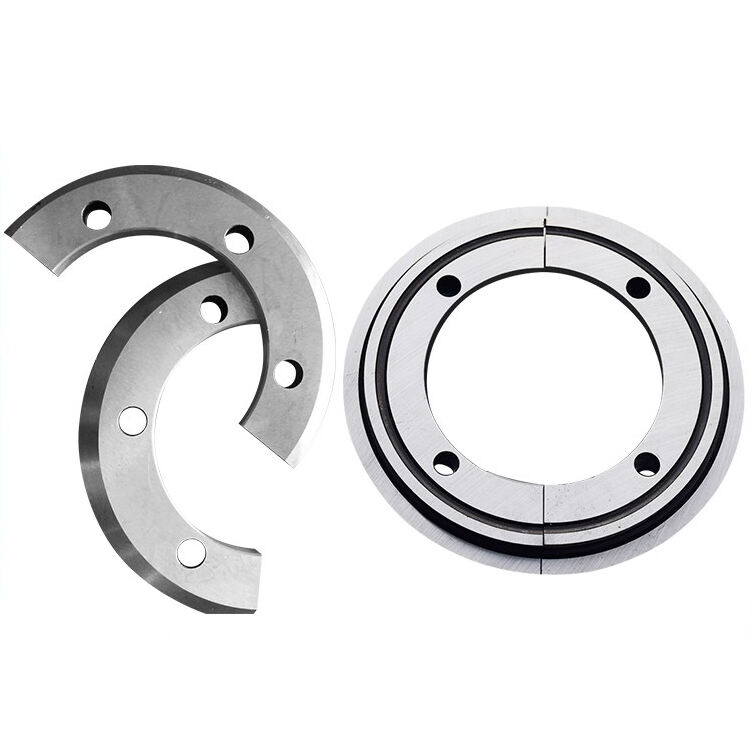
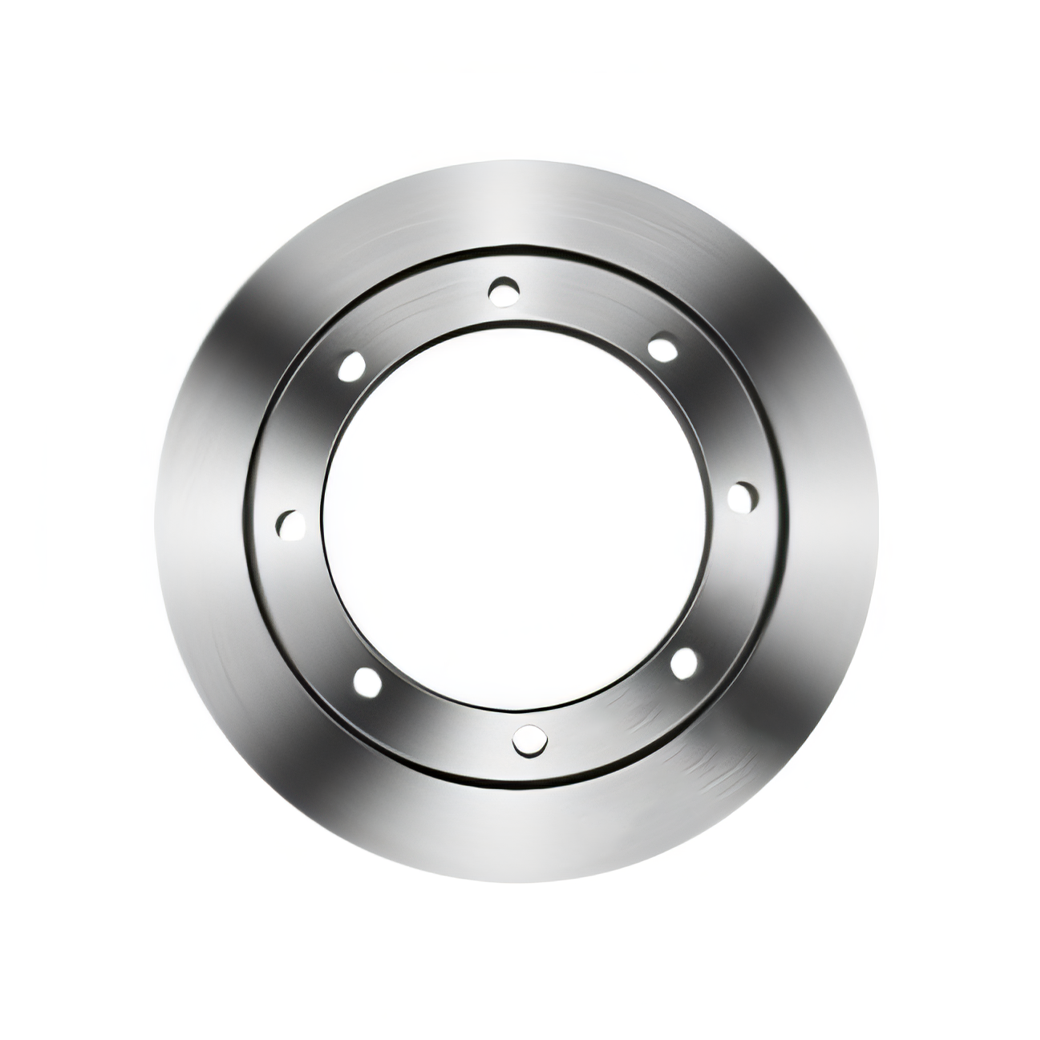
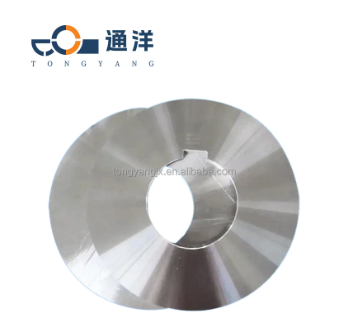
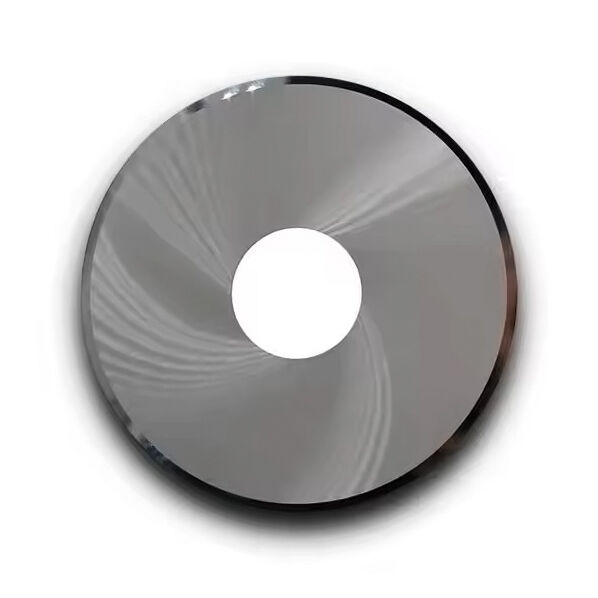
Film slitting razor blades represent a specialized cutting tool designed specifically for the precise division of thin film materials into narrower widths. These industrial-grade blades serve as critical components in converting operations where large rolls of film must be transformed into smaller, more manageable sizes for various manufacturing and packaging applications. The primary function of film slitting razor blades centers on delivering clean, accurate cuts through materials such as plastic films, polyester, polypropylene, polyethylene, cellophane, and other flexible substrates without causing damage to the material edges or creating dust and debris during the cutting process. Technologically, these blades feature razor-sharp cutting edges manufactured from high-quality steel alloys that undergo specialized heat treatment processes to achieve optimal hardness levels, typically ranging from 58 to 65 HRC on the Rockwell scale. The geometric design of film slitting razor blades incorporates precise angles and bevels that facilitate smooth material penetration while minimizing friction and heat generation during continuous operation. Many modern variants include protective coatings such as titanium nitride, chromium, or other specialized surface treatments that enhance wear resistance and extend operational lifespan. Applications for film slitting razor blades span multiple industries including packaging, printing, label manufacturing, medical device production, electronics, food processing, and pharmaceutical sectors. These blades prove essential in operations requiring consistent quality cuts on production lines running at high speeds, where even minor imperfections can result in significant material waste or product defects. The versatility of film slitting razor blades allows them to handle various thicknesses and material compositions, making them indispensable tools for manufacturers seeking to optimize their converting processes while maintaining strict quality control standards throughout production cycles.

New Products

Investing in high-quality film slitting razor blades delivers substantial practical benefits that directly impact your production efficiency and bottom line. First and foremost, these specialized blades provide exceptional cutting precision that ensures every slit maintains uniform width across entire production runs, eliminating the costly problem of inconsistent product dimensions that can lead to customer complaints and rejected orders. The superior sharpness of film slitting razor blades means your equipment requires less cutting pressure to achieve clean separations, which translates to reduced wear on your machinery components and lower maintenance costs over time. You will notice immediate improvements in edge quality when using professional-grade slitting blades, as they produce smooth, burr-free cuts that eliminate the need for secondary finishing operations, saving both time and labor expenses in your workflow. The extended service life of premium film slitting razor blades means fewer blade changes during production shifts, resulting in increased uptime and higher output volumes without interruptions that disrupt your manufacturing schedule and workforce productivity. These blades also contribute to significant material savings by minimizing waste strips and reducing the occurrence of defective cuts that would otherwise require scrapping expensive film materials. Your operators will appreciate the consistent performance that film slitting razor blades deliver throughout their operational lifespan, as blade degradation occurs gradually rather than suddenly, allowing for planned replacement during scheduled maintenance windows instead of unexpected production stoppages. The compatibility of these blades with various slitting machine configurations means you can standardize your cutting tool inventory, simplifying procurement processes and reducing the complexity of spare parts management. Safety represents another crucial advantage, as properly manufactured film slitting razor blades incorporate design features that facilitate secure mounting and minimize the risk of blade breakage during operation, protecting both your equipment and personnel. The clean cutting action produces minimal dust and particle generation, contributing to a cleaner work environment and reducing contamination risks for sensitive products in industries like food packaging and medical device manufacturing. Furthermore, the thermal stability of quality film slitting razor blades ensures they maintain their cutting geometry even during extended high-speed operations, preventing the blade distortion that can occur with inferior products and compromise cut quality as production temperatures rise.

Practical Tips

How to Choose the Right Circular Knife for Your Cutting Application

25

Mar

How to Choose the Right Circular Knife for Your Cutting Application

Selecting the appropriate cutting tool for industrial applications can significantly impact productivity, product quality, and operational costs. Among the various cutting instruments available in manufacturing environments, the circular knife stands...
View More
Industrial Corrugated Cardboard Cutting Blade Selection Tips

25

Mar

Industrial Corrugated Cardboard Cutting Blade Selection Tips

Selecting the right cutting blade for corrugated cardboard processing operations represents a critical decision that directly impacts production efficiency, product quality, and operational costs. Industrial facilities handling large volumes of corru...
View More
How to Choose the Perfect Rubber Cutting Knife

25

Mar

How to Choose the Perfect Rubber Cutting Knife

In industrial manufacturing and crafting applications, selecting the right cutting tool can significantly impact productivity, precision, and safety. A rubber cutting knife serves as an essential instrument for professionals working with various rubb...
View More
Leather Cutting Blade Maintenance: Essential Tips

30

Apr

Leather Cutting Blade Maintenance: Essential Tips

Proper maintenance of your leather cutting blade directly determines the quality of your cuts, the longevity of your equipment, and the efficiency of your production workflow. Whether you operate a small leather workshop or manage a large-scale manuf...
View More

Get a Free Quote

Our representative will contact you soon.
Email
WhatsApp
Name
Company Name
Message
0/1000

film slitting razor blades

Unmatched Durability Through Advanced Material Engineering

Unmatched Durability Through Advanced Material Engineering

The exceptional durability of film slitting razor blades stems from sophisticated material engineering processes that transform premium steel alloys into cutting tools capable of withstanding millions of cutting cycles without significant performance degradation. Manufacturers select specific steel compositions containing precise ratios of carbon, chromium, tungsten, and other alloying elements that contribute to the blade's hardness, toughness, and wear resistance characteristics. The production process involves carefully controlled heat treatment cycles where blades undergo heating to critical temperatures followed by rapid quenching and tempering operations that create optimal microstructures within the steel matrix. This metallurgical transformation produces a blade core with the perfect balance between hardness for edge retention and toughness to resist chipping or fracturing under operational stresses. Many premium film slitting razor blades feature additional surface engineering treatments such as physical vapor deposition coatings that create ultra-hard protective layers measuring only microns in thickness but providing remarkable resistance to abrasive wear from film materials. These advanced coatings reduce friction coefficients between the blade edge and material being cut, generating less heat during operation and further extending blade lifespan. The practical implications of this durability become apparent when calculating total cost of ownership, as longer blade life means purchasing fewer replacement blades annually, reducing procurement expenses, inventory carrying costs, and the labor hours spent changing blades. Extended blade life also contributes to more consistent product quality throughout production runs, as the gradual wear characteristics of engineered blades mean cutting performance remains within acceptable parameters for longer periods compared to conventional alternatives. For high-volume production environments processing thousands of linear meters of film daily, the cumulative time savings from fewer blade changes can translate to additional production capacity worth substantial revenue. The durability advantage proves particularly valuable when processing abrasive or filled film materials that rapidly degrade inferior blades, as premium film slitting razor blades maintain their cutting effectiveness even under these demanding conditions.
Precision Cutting Geometry for Superior Edge Quality

Precision Cutting Geometry for Superior Edge Quality

The cutting geometry of film slitting razor blades represents years of engineering refinement focused on achieving the cleanest possible material separation while accommodating the unique challenges of flexible film substrates. Unlike simple straight edges, these specialized blades feature carefully calculated bevel angles, edge radii, and clearance angles that work in concert to guide material through the cutting zone with minimal distortion or stress concentration. The primary bevel angle determines how aggressively the blade penetrates material, with shallower angles providing sharper cutting action but potentially less strength, while steeper angles offer greater durability at the expense of some cutting efficiency. Engineers optimize this angle based on typical film thicknesses and material properties to achieve the ideal balance for general-purpose applications. The secondary bevel or micro-bevel creates the actual cutting edge at a slightly different angle, providing the ultimate sharpness required for clean cuts while supporting the primary bevel structure. This geometry prevents the extremely fine edge from becoming too fragile and susceptible to chipping during normal operation. Edge radius measurements in the sub-micron range determine the smoothness of cuts, with tighter radii producing cleaner separations but requiring more frequent maintenance, while slightly larger radii offer extended service intervals with acceptable cut quality for most applications. The clearance or relief angles behind the cutting edge ensure that only the edge itself contacts the film material, preventing friction and heat buildup that would otherwise occur if the blade body rubbed against the freshly cut surface. This geometric feature proves crucial for maintaining consistent tension on the film web and preventing the wavy edges or deformation that can occur with poorly designed blades. For sensitive materials prone to tearing or stretching, the precision geometry of film slitting razor blades ensures stress distribution remains below critical thresholds that would compromise material integrity. The result manifests as perfectly straight, smooth edges that require no additional processing before subsequent manufacturing steps such as printing, laminating, or packaging, streamlining your entire production workflow while eliminating quality concerns related to edge defects.
Versatile Performance Across Diverse Film Materials

Versatile Performance Across Diverse Film Materials

The versatility of film slitting razor blades enables manufacturers to process an extensive range of material types and thicknesses using a single blade platform, simplifying inventory management while ensuring consistent results across diverse product lines. This adaptability stems from the fundamental blade design that accommodates the varying mechanical properties encountered in different film substrates, from soft, pliable materials like low-density polyethylene to rigid, brittle films such as oriented polypropylene and polyester. The blade geometry and material composition work together to handle the low tear strength of thin films measuring just a few microns in thickness, where excessive cutting forces would stretch or deform the material rather than achieving clean separation. Conversely, these same blades possess sufficient structural integrity and edge stability to slice through heavier gauge films and multi-layer laminates without deflection or edge rolling that would compromise cut quality. This versatility proves particularly valuable for contract manufacturers and converters who process materials for multiple clients with varying specifications, as they can maintain production flexibility without investing in numerous specialized blade types. The performance consistency across different materials also simplifies operator training and quality control procedures, since personnel develop familiarity with blade behavior and can more easily recognize when maintenance or replacement becomes necessary. Film slitting razor blades demonstrate this versatility even when confronting challenging material characteristics such as static charge accumulation, which can cause thin films to cling to blade surfaces and create feeding problems. The geometry and surface finish of quality blades minimize static adhesion issues while the cutting action itself generates minimal additional charge, maintaining smooth material flow through the slitting station. Manufacturers processing coated films or materials with release liners benefit from the blade's ability to cut through multiple layers simultaneously without delamination or coating transfer to the blade edge that would quickly degrade performance. Temperature sensitivity represents another challenge that versatile film slitting razor blades successfully address, as they maintain cutting effectiveness whether processing materials at ambient temperatures or handling films that soften at elevated temperatures or become brittle when cold. This thermal stability ensures your production remains consistent regardless of seasonal temperature variations in the manufacturing environment or specialized applications requiring temperature-controlled processing conditions.

Get a Free Quote

Our representative will contact you soon.
Email
WhatsApp
Name
Company Name
Message
0/1000
Newsletter
Please Leave A Message With Us