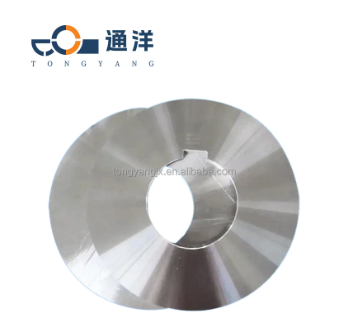
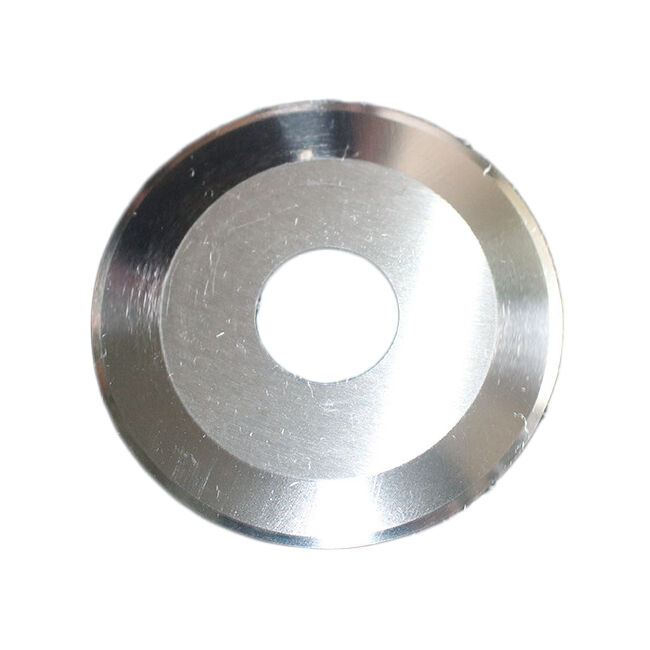
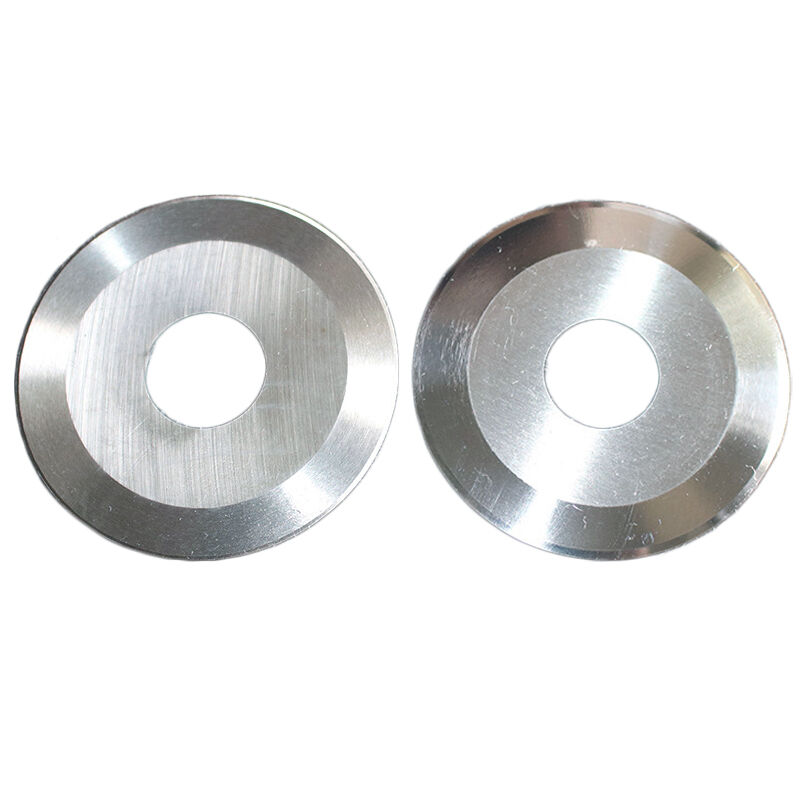
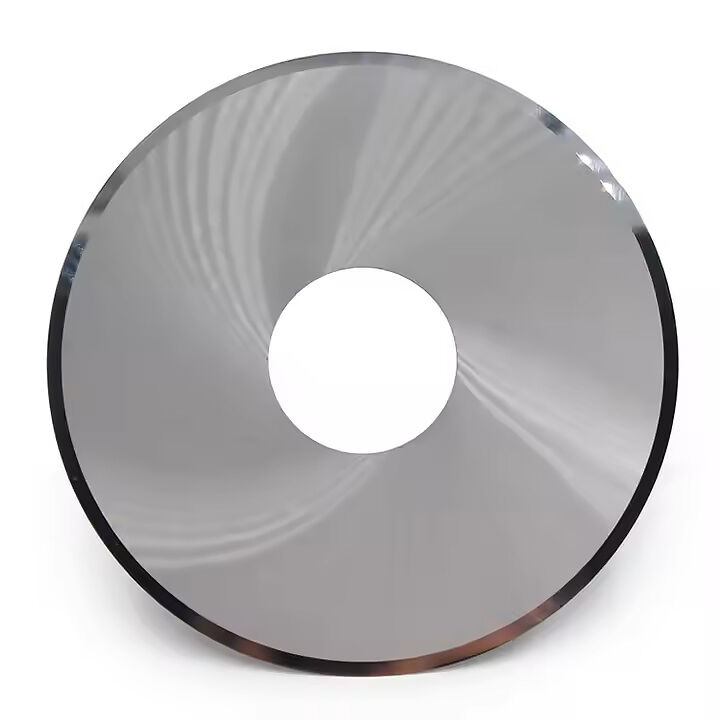
Premium Paper Film Cutting Blade - Industrial Precision Cutting Solutions for Manufacturing Excellence

All Categories

Get a Free Quote

Our representative will contact you soon.
Email
WhatsApp
Name
Company Name
Message
0/1000

paper film cutting blade

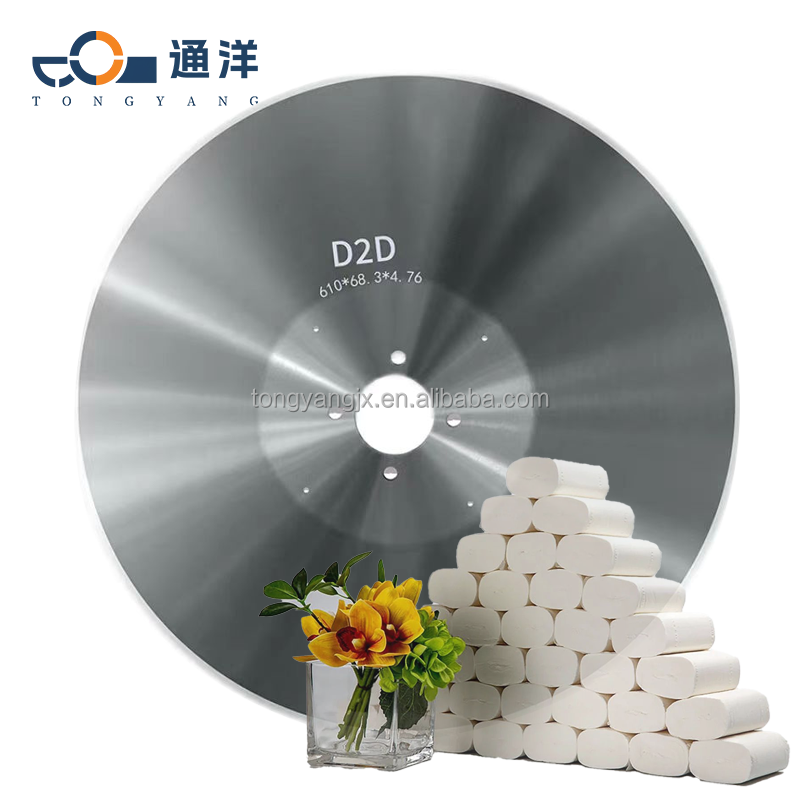
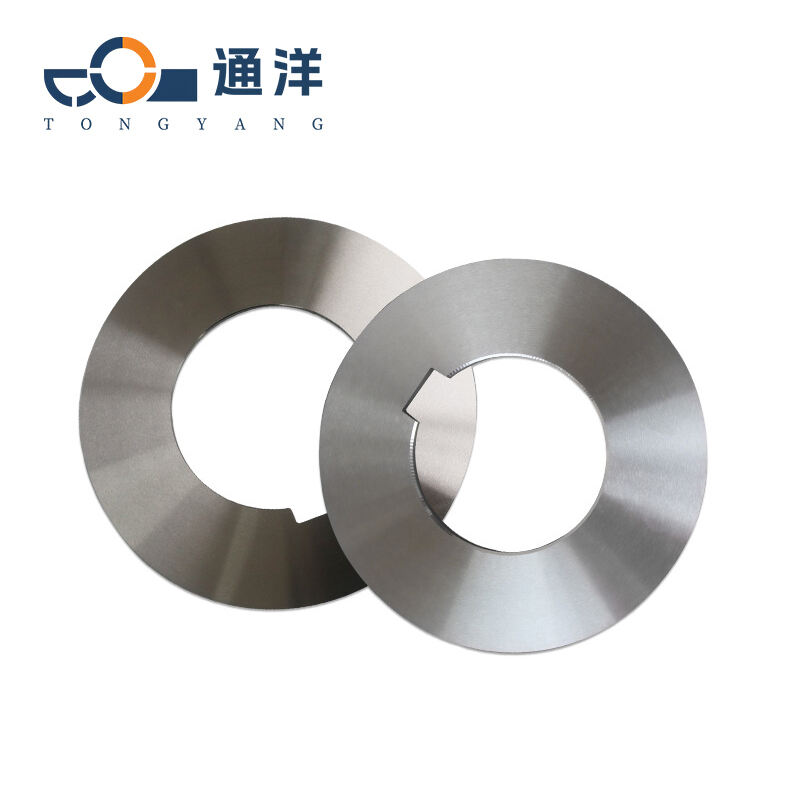
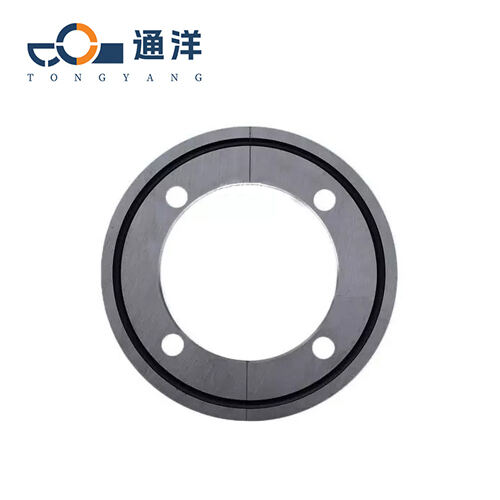
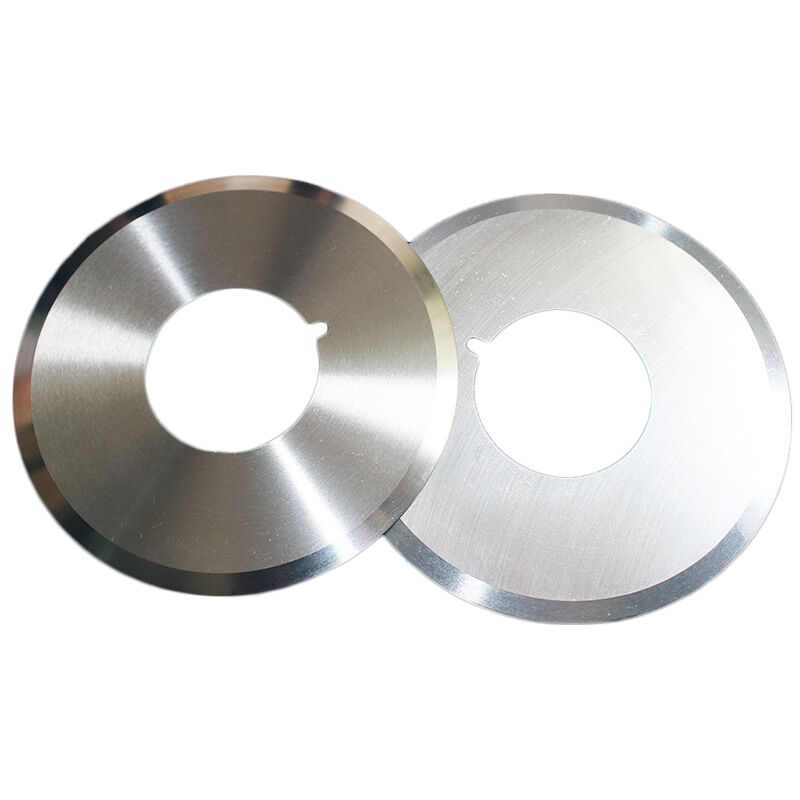
The paper film cutting blade represents a specialized industrial tool designed specifically for precise cutting operations in manufacturing environments where paper products and film materials require exact dimensions. This essential component serves as the primary cutting mechanism in various production lines, delivering consistent performance across diverse materials including kraft paper, coated paper, aluminum foil, plastic films, and laminated substrates. Manufacturing facilities depend on these blades to maintain production efficiency while ensuring clean, accurate cuts that meet stringent quality standards. The paper film cutting blade features advanced metallurgical composition, typically incorporating high-grade steel alloys or tungsten carbide materials that provide exceptional hardness and wear resistance. Engineers design these blades with specific geometric profiles, including precisely calculated edge angles and bevels that optimize cutting performance for different material thicknesses and compositions. The blade's structural integrity enables it to withstand continuous operational stress while maintaining sharpness over extended periods, reducing downtime associated with frequent blade changes. Modern paper film cutting blade variants incorporate innovative edge treatments such as titanium coating or diamond-like carbon layers that further enhance durability and cutting precision. These technological enhancements significantly extend blade lifespan, resulting in lower operational costs and improved production continuity. Applications for paper film cutting blade technology span numerous industries, including packaging manufacturing, printing operations, label production, food packaging, pharmaceutical packaging, and converting operations. In packaging facilities, these blades enable precise cutting of protective films, while printing companies utilize them for trimming finished products to exact specifications. The blade's versatility makes it indispensable for operations requiring clean edges without material deformation or fraying, particularly crucial when working with delicate substrates or multi-layer composites that demand exceptional cutting precision throughout the manufacturing process.

Popular Products

Choosing the right paper film cutting blade delivers substantial operational benefits that directly impact your bottom line and production quality. First and foremost, these specialized blades provide remarkable cutting precision that eliminates waste and ensures every piece meets exact specifications. When your cutting operations achieve consistent accuracy, you reduce material waste significantly, which translates to immediate cost savings on raw materials. The precision cutting capability means fewer rejected products and less rework, allowing your team to focus on productive activities rather than correcting errors. Another significant advantage involves the extended operational life these blades offer compared to standard cutting tools. The advanced materials and manufacturing processes used in creating paper film cutting blade products result in edges that maintain sharpness far longer than conventional alternatives. This longevity means you spend less time changing blades and more time running production, directly improving your facility's overall equipment effectiveness. Fewer blade changes also mean reduced labor costs associated with maintenance activities and less disruption to your production schedule. The versatility of paper film cutting blade technology allows you to handle multiple material types with a single blade configuration, eliminating the need to maintain extensive blade inventories for different applications. Whether you process thin plastic films, thick cardboard, or delicate specialty papers, these blades adapt to varying requirements without compromising cut quality. This adaptability simplifies inventory management and reduces capital tied up in spare parts. Safety represents another crucial advantage, as properly designed paper film cutting blade products incorporate features that minimize operator risk during installation and operation. The precise engineering ensures stable cutting action that reduces vibration and unexpected blade behavior, creating a safer working environment for your team. Additionally, the clean cutting action produces less dust and fewer particles, contributing to better air quality in your facility. From a maintenance perspective, these blades simplify upkeep requirements through straightforward installation procedures and clear indicators for when replacement becomes necessary. Many designs allow for quick blade changes that minimize production interruptions, with some systems enabling blade replacement in minutes rather than hours. The reduced maintenance burden frees up your technical staff to focus on other critical equipment needs. Finally, the consistent performance of quality paper film cutting blade products helps you maintain product quality standards that satisfy customers and protect your brand reputation, creating long-term business value beyond immediate operational benefits.

Tips And Tricks

What is the difference between a combination blade and a ripping or crosscutting blade?

25

Mar

What is the difference between a combination blade and a ripping or crosscutting blade?

What is the Difference Between a Combination Blade and a Ripping or Crosscutting Blade? In woodworking, the type of saw blade you use directly affects the quality of your cuts, the efficiency of your work, and even the lifespan of your tools. Three c...
View More
Maximizing ROI with Quality Corrugated Cardboard Cutting Blade

25

Mar

Maximizing ROI with Quality Corrugated Cardboard Cutting Blade

In today's competitive packaging industry, maximizing return on investment requires strategic investments in high-quality equipment and tools. The efficiency of your corrugated cardboard production line directly impacts your bottom line, and selectin...
View More
Common Slitter Blades Problems and Solutions

30

Mar

Common Slitter Blades Problems and Solutions

Manufacturing operations that rely on slitter blades face a variety of challenges that can significantly impact production efficiency, material quality, and operational costs. Understanding the most common problems associated with slitter blades and ...
View More
Leather Cutting Blade Maintenance: Essential Tips

30

Apr

Leather Cutting Blade Maintenance: Essential Tips

Proper maintenance of your leather cutting blade directly determines the quality of your cuts, the longevity of your equipment, and the efficiency of your production workflow. Whether you operate a small leather workshop or manage a large-scale manuf...
View More

Get a Free Quote

Our representative will contact you soon.
Email
WhatsApp
Name
Company Name
Message
0/1000

paper film cutting blade

Superior Material Engineering Delivers Unmatched Durability

Superior Material Engineering Delivers Unmatched Durability

The foundation of exceptional paper film cutting blade performance lies in the sophisticated material engineering that goes into every blade's construction. Manufacturers select premium-grade steel alloys through rigorous testing protocols that evaluate hardness, toughness, and wear resistance under conditions that simulate years of industrial use. These specialized alloys undergo precise heat treatment processes that optimize the molecular structure, creating blades with hardness ratings that far exceed ordinary cutting tools while maintaining the flexibility needed to resist chipping and cracking during operation. The metallurgical composition typically includes elements like chromium, molybdenum, and vanadium in carefully balanced proportions that enhance specific performance characteristics. Chromium content improves corrosion resistance, ensuring the paper film cutting blade maintains its integrity even in humid environments or when cutting materials with moisture content. Molybdenum additions increase high-temperature strength, allowing the blade to maintain its cutting edge even when friction generates significant heat during continuous operation. Vanadium contributes to grain refinement in the steel structure, resulting in a more uniform material that delivers consistent cutting performance across the entire blade edge. Beyond base material selection, advanced surface treatments multiply the blade's durability and performance capabilities. Titanium nitride coating creates an extremely hard surface layer that resists abrasive wear while reducing friction during the cutting process. This reduced friction generates less heat, which further extends blade life and improves cut quality by preventing material distortion caused by excessive temperature. Some premium paper film cutting blade variants incorporate diamond-like carbon coatings that provide even greater hardness and lower friction coefficients, ideal for applications involving abrasive materials or high-speed cutting operations. The engineering precision extends to the blade's edge geometry, where computer-controlled grinding processes create mathematically optimized angles that balance sharpness with edge strength. This careful balance ensures the blade cuts cleanly through materials without requiring excessive force while maintaining structural integrity that prevents premature edge breakdown. The result is a cutting tool that consistently outperforms conventional alternatives, delivering thousands of cuts before requiring replacement and maintaining cut quality throughout its service life, providing exceptional value for manufacturing operations that demand reliability and performance.
Precision Manufacturing Ensures Consistent Cutting Performance

Precision Manufacturing Ensures Consistent Cutting Performance

The exceptional performance of a paper film cutting blade stems directly from precision manufacturing processes that control every aspect of blade geometry to tolerances measured in micrometers. Modern blade production facilities employ computer numerical control machining centers that execute cutting and grinding operations with repeatability that human operators cannot match, ensuring every blade meets identical specifications regardless of production batch. This manufacturing consistency means you can confidently replace blades knowing the new blade will perform exactly like its predecessor, eliminating the trial-and-error adjustments often required with less precisely manufactured cutting tools. The grinding processes that create the cutting edge represent particularly critical manufacturing stages where specialized equipment shapes the blade profile to exact specifications. Multi-axis grinding machines simultaneously control edge angle, bevel width, and surface finish, creating cutting edges that slice through materials with minimal resistance. The surface finish achieved through precision grinding directly impacts cutting performance, with smoother surfaces generating less friction and heat during operation. Quality manufacturers measure surface roughness using advanced metrology equipment, ensuring every paper film cutting blade meets stringent specifications that guarantee optimal performance. Dimensional accuracy throughout the blade body proves equally important for achieving consistent results. The blade's thickness must remain uniform across its entire length to prevent vibration or deflection during cutting operations. Even minor thickness variations can cause the blade to wander during cuts, producing imperfect edges that fail quality inspections. Precision manufacturing processes maintain thickness tolerances that ensure the blade remains stable during operation, traveling in a perfectly straight path that produces clean, square cuts. Mounting hole locations and blade overall dimensions also require precise control to ensure proper fitment in cutting equipment, preventing alignment issues that compromise cut quality. Temperature control during manufacturing represents another critical factor that affects final blade performance. Heat generated during grinding and other machining operations can alter material properties if not properly managed, potentially softening the blade or creating internal stresses that lead to premature failure. Sophisticated manufacturing facilities employ constant coolant flow and temperature monitoring to maintain optimal conditions throughout production. Quality assurance processes verify every paper film cutting blade before packaging, with inspection protocols that check dimensional accuracy, edge sharpness, and surface finish against established standards, ensuring only blades that meet exacting requirements reach customers who depend on consistent, reliable cutting performance in their production environments.
Optimized Blade Geometry Maximizes Cutting Efficiency

Optimized Blade Geometry Maximizes Cutting Efficiency

The geometric design of a paper film cutting blade profoundly influences its cutting efficiency, edge retention, and the quality of cuts it produces across different materials. Engineers invest considerable effort in optimizing blade geometry through computer modeling and extensive testing that evaluates how different edge angles, bevel configurations, and blade profiles perform under various operating conditions. The primary edge angle represents the most critical geometric parameter, with angles typically ranging from fifteen to thirty degrees depending on the intended application. Smaller angles create sharper edges that slice through thin, delicate materials with minimal force, ideal for cutting plastic films or tissue papers where even slight pressure can cause material deformation. Larger edge angles sacrifice some initial sharpness but provide greater edge strength that resists chipping when cutting abrasive materials or thicker substrates that require more aggressive cutting action. The bevel configuration behind the primary cutting edge significantly impacts how the paper film cutting blade interacts with materials during the cutting process. A properly designed bevel provides clearance that prevents the blade body from dragging against cut material, reducing friction and heat generation. This clearance becomes particularly important when cutting thick materials where the blade must penetrate deeply, as insufficient clearance causes binding that increases cutting force requirements and accelerates blade wear. Advanced blade designs incorporate compound bevels with multiple angle transitions that optimize both initial cutting performance and sustained sharpness over extended use. The overall blade thickness and profile shape also contribute to cutting efficiency and performance consistency. Thinner blades require less force to push through materials and create narrower kerfs that minimize material waste, making them ideal for operations where material cost represents a significant expense. However, thinner blades offer less rigidity and may deflect when cutting dense materials or during high-speed operations. Blade designers carefully balance thickness against the rigidity requirements of specific applications, often incorporating reinforcing ribs or optimized cross-sectional profiles that maximize stiffness while minimizing weight. Some paper film cutting blade designs feature serrated or scalloped edge patterns that enhance cutting performance for specific materials. These specialized geometries create multiple cutting points that reduce the force required to initiate cuts and help prevent material slippage during the cutting action. The geometric optimization extends to the blade's lateral surfaces, where carefully controlled flatness ensures the blade travels true during cutting operations without wobbling or vibrating. This stability proves essential for achieving straight, clean cuts that meet quality standards, particularly in precision applications where tolerances are measured in fractions of millimeters and any deviation results in rejected products that impact profitability and customer satisfaction.

Get a Free Quote

Our representative will contact you soon.
Email
WhatsApp
Name
Company Name
Message
0/1000
Newsletter
Please Leave A Message With Us