Industrial Film Slitting Blade: Precision Cutting Solutions for Manufacturing Excellence

All Categories

Get a Free Quote

Our representative will contact you soon.
Email
WhatsApp
Name
Company Name
Message
0/1000

industrial film slitting blade

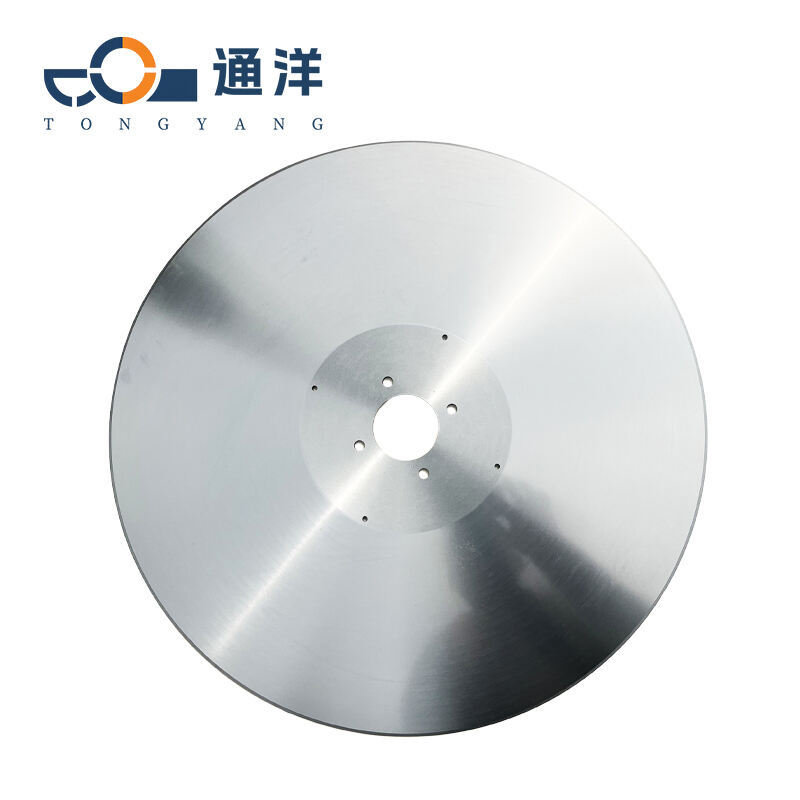
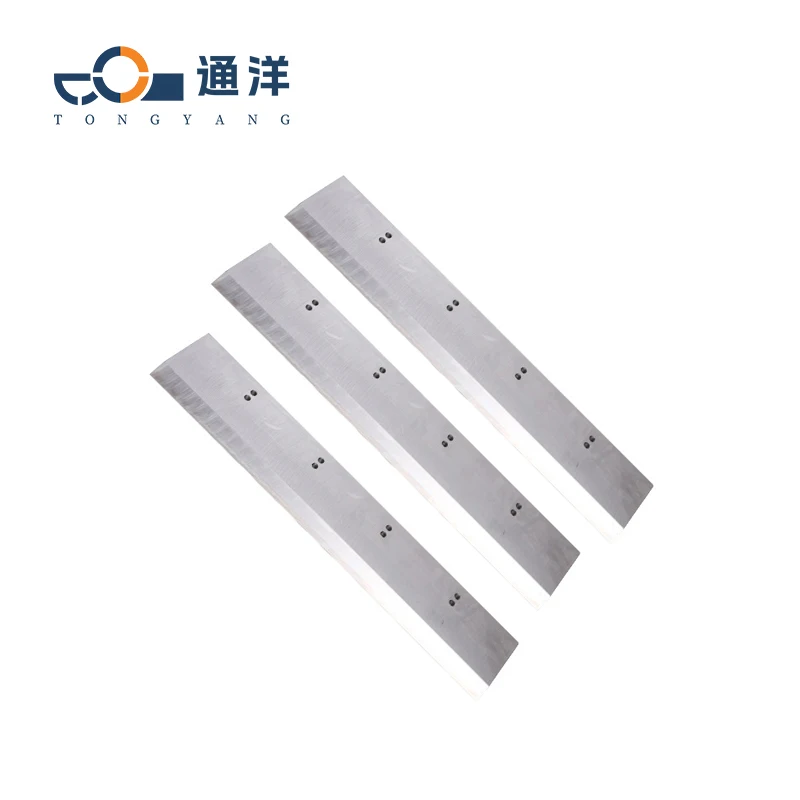
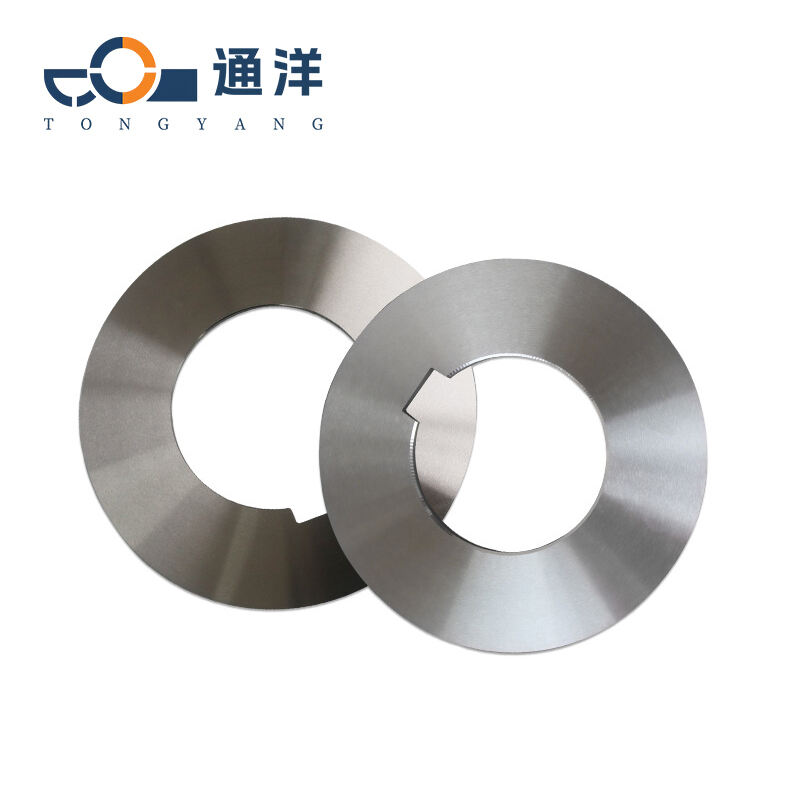
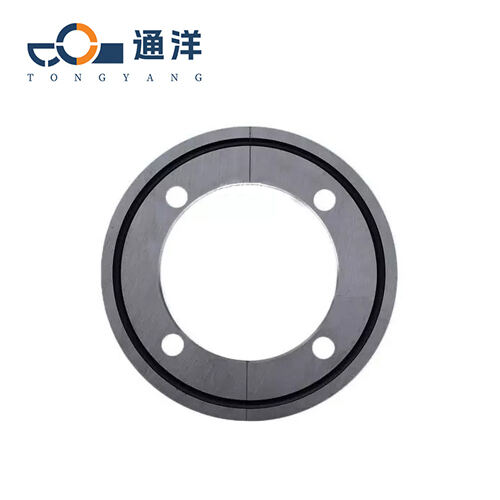
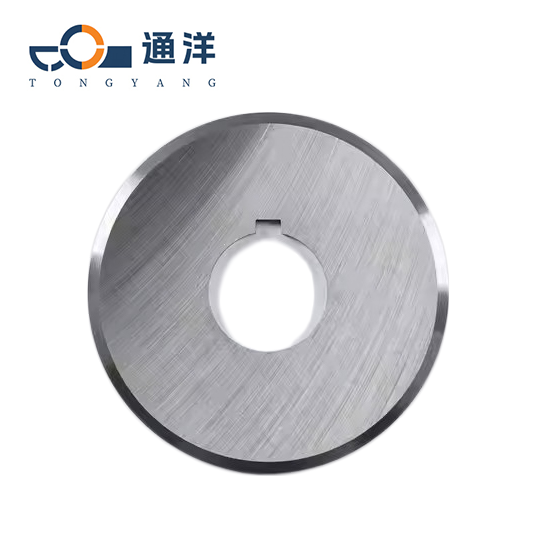
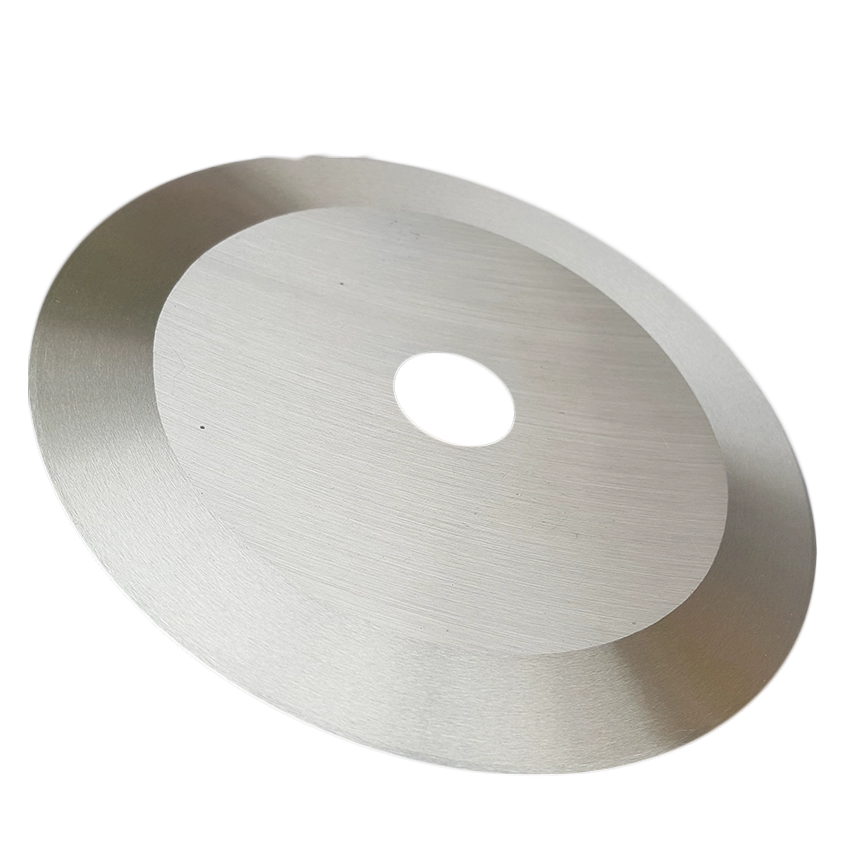
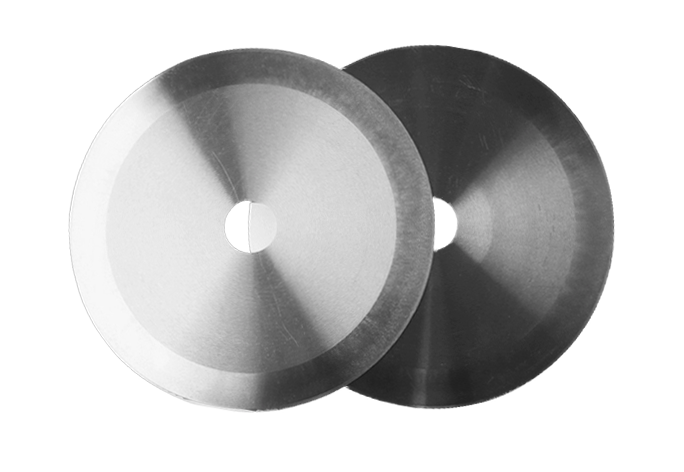
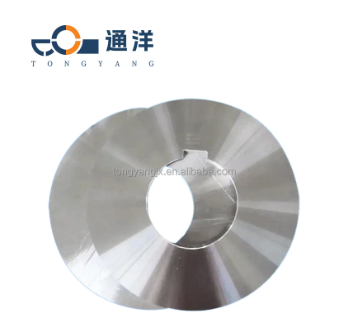
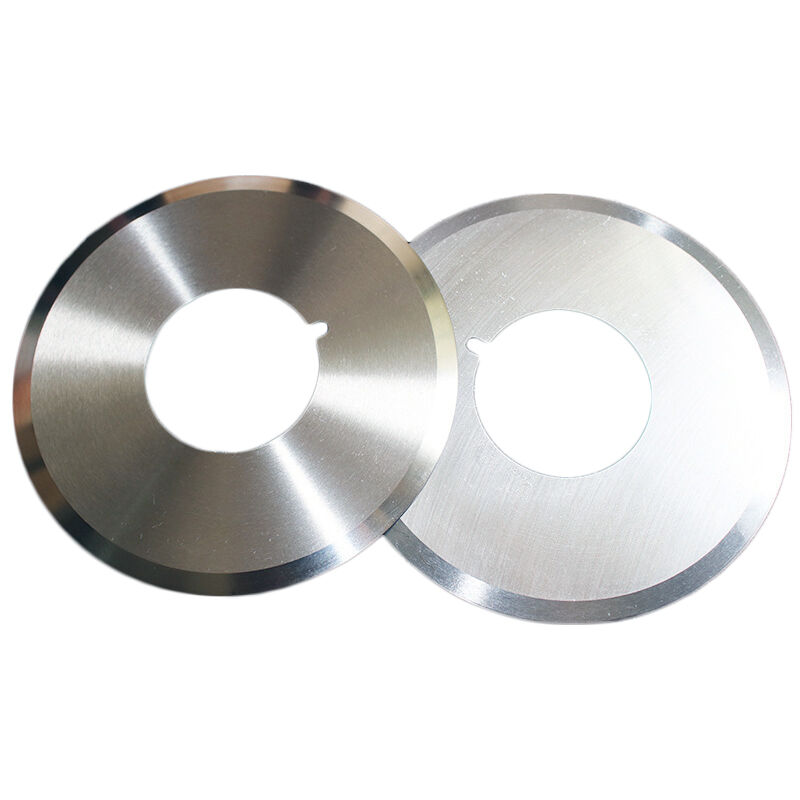
The industrial film slitting blade represents a critical component in modern manufacturing and processing operations, specifically designed to deliver precise cutting performance across various film materials. This specialized cutting tool serves as the cornerstone of film conversion processes, enabling manufacturers to transform large master rolls of plastic film, packaging materials, and other flexible substrates into narrower widths that meet specific application requirements. The industrial film slitting blade operates through advanced metallurgical design, incorporating hardened steel compositions that maintain sharp edges throughout extended production runs. These blades function within sophisticated slitting machinery, working in coordination with anvil rolls or counter blades to achieve clean, burr-free cuts that preserve material integrity. The technological features embedded within each industrial film slitting blade include precision grinding techniques that create micro-level edge geometries, specialized coating applications that reduce friction and adhesive buildup, and carefully controlled heat treatment processes that optimize hardness while maintaining dimensional stability. Manufacturing facilities across packaging, label production, flexible electronics, medical device assembly, and food processing sectors rely upon these cutting tools to maintain production efficiency and product quality. The applications of the industrial film slitting blade extend to processing polyethylene, polypropylene, polyester, vinyl, paper-backed films, adhesive tapes, protective films, and numerous specialized substrates. Each blade design considers material thickness, production speed, required edge quality, and operational environment to deliver consistent results. The industrial film slitting blade must withstand continuous contact with abrasive materials, maintain geometric accuracy under thermal cycling, and resist chemical interactions with various film coatings and adhesives, making material selection and manufacturing precision paramount to performance outcomes.

New Product Recommendations

Investing in quality industrial film slitting blade technology delivers immediate and long-term benefits that directly impact your bottom line and operational efficiency. First and foremost, these precision cutting tools dramatically reduce material waste by creating clean edges that eliminate the need for secondary trimming operations or scrap generation from ragged cuts. When your production line uses properly maintained industrial film slitting blade components, you will notice fewer web breaks and production stoppages, translating directly into higher throughput and improved delivery schedules. The superior edge retention characteristics mean you can process significantly more material between blade changes, reducing downtime associated with tool replacement and minimizing labor costs related to maintenance activities. Your operators will appreciate the consistency these blades provide, as uniform cutting performance eliminates troubleshooting time and reduces the learning curve for new team members. The industrial film slitting blade enables you to expand your service offerings by processing a wider range of materials with confidence, from delicate thin films to robust multilayer constructions, without investing in multiple specialized cutting systems. Energy consumption decreases when using properly designed blades because the cutting action requires less force, reducing motor loads and extending the service life of your entire slitting system. Quality considerations improve across your product line as clean edges prevent delamination issues, reduce dust generation, and create finished rolls that meet or exceed customer specifications consistently. Your maintenance inventory costs decline because premium industrial film slitting blade products last longer and perform more predictably, allowing for better planning and reduced emergency purchases. The industrial film slitting blade contributes to safer working environments by minimizing blade failures that could cause web tangles, equipment damage, or operator hazards. Customer satisfaction rises when delivery schedules become more reliable and product quality shows measurable improvement, leading to repeat business and positive referrals. The return on investment becomes evident within weeks as you calculate savings from reduced scrap, increased machine uptime, lower labor requirements, and enhanced production capacity that allows you to accept additional orders without capital equipment expansion.

Practical Tips

How to Choose the Right Circular Knife for Your Cutting Application

25

Mar

How to Choose the Right Circular Knife for Your Cutting Application

Selecting the appropriate cutting tool for industrial applications can significantly impact productivity, product quality, and operational costs. Among the various cutting instruments available in manufacturing environments, the circular knife stands...
View More
Paper Cutting Blade Safety: Essential Guidelines

23

Apr

Paper Cutting Blade Safety: Essential Guidelines

Workplace safety incidents involving paper cutting blade equipment account for thousands of injuries annually across commercial and industrial facilities. From minor cuts to severe lacerations requiring medical attention, these incidents often stem f...
View More
How to Sharpen Your Circular Knife: Step-by-Step Guide

30

Apr

How to Sharpen Your Circular Knife: Step-by-Step Guide

Maintaining the sharpness of your circular knife is essential for achieving clean, precise cuts in industrial and commercial applications. Whether you work in rubber processing, textile manufacturing, paper cutting, or food production, a dull circula...
View More
Leather Cutting Blade Maintenance: Essential Tips

30

Apr

Leather Cutting Blade Maintenance: Essential Tips

Proper maintenance of your leather cutting blade directly determines the quality of your cuts, the longevity of your equipment, and the efficiency of your production workflow. Whether you operate a small leather workshop or manage a large-scale manuf...
View More

Get a Free Quote

Our representative will contact you soon.
Email
WhatsApp
Name
Company Name
Message
0/1000

industrial film slitting blade

Precision Edge Geometry Engineering for Superior Cutting Performance

Precision Edge Geometry Engineering for Superior Cutting Performance

The industrial film slitting blade achieves exceptional cutting results through meticulously engineered edge geometries that represent the culmination of advanced manufacturing techniques and materials science. Each blade undergoes precision grinding processes that create edge profiles measured in microns, ensuring that the cutting angle, edge radius, and surface finish meet exacting specifications designed for specific film materials and production conditions. This precision engineering directly influences how the blade interacts with the film substrate during the cutting process, determining whether the cut produces clean separation or creates micro-tears, stretched edges, or material deformation. The industrial film slitting blade incorporates mathematically optimized angles that balance sharpness with durability, recognizing that an extremely acute angle may cut effortlessly initially but will dull rapidly under production conditions, while a more obtuse angle maintains effectiveness longer but requires greater cutting force. Manufacturers employ computer-controlled grinding equipment that maintains tolerance levels within micrometers, creating consistent geometry across the entire blade length and from one blade to the next in production batches. This consistency proves essential for operations running multiple slitting positions simultaneously, as uniform blade performance ensures that all output rolls meet identical quality standards regardless of position on the slitting shaft. The edge geometry of the industrial film slitting blade also accounts for the specific characteristics of different film types, with softer materials benefiting from different angles than rigid, brittle films. Surface finish at the cutting edge receives particular attention, as even microscopic irregularities can create friction points that generate heat, cause adhesive buildup, or initiate premature wear patterns. Advanced industrial film slitting blade designs incorporate secondary edge treatments that further refine the cutting surface, removing grinding marks and creating mirror-smooth finishes that glide through materials with minimal resistance. The relationship between edge geometry and cutting performance extends to how force distributes during the cutting action, with optimized designs channeling stress away from vulnerable edge areas and into the blade body structure where superior material thickness provides support. These engineering principles transform the industrial film slitting blade from a simple cutting tool into a precisely calibrated instrument that delivers measurable improvements in edge quality, production speed capability, and operational longevity.
Advanced Material Composition and Heat Treatment for Extended Service Life

Advanced Material Composition and Heat Treatment for Extended Service Life

The industrial film slitting blade derives its exceptional performance characteristics from carefully selected material compositions and sophisticated heat treatment protocols that create optimal combinations of hardness, toughness, and wear resistance. Base materials for premium blades typically include high-carbon tool steels, tungsten carbide composites, or specialized alloy formulations that provide the foundation for superior cutting performance. The selection process considers multiple factors including the abrasiveness of films being processed, production volume requirements, environmental conditions such as humidity and temperature, and compatibility with coating systems that may be applied later in manufacturing. Once base materials are formed into blade blanks, the industrial film slitting blade undergoes precisely controlled heat treatment cycles that fundamentally alter the crystalline structure of the steel, creating the hardness necessary to maintain sharp edges while preserving enough flexibility to resist brittle fracture under stress. These thermal processes involve heating to specific temperatures, holding at those temperatures for calculated durations, and cooling at controlled rates that may involve air, oil, or specialized quenching media. The resulting microstructure determines how the industrial film slitting blade will perform across thousands of hours of production use. Tempering operations follow initial hardening, carefully reducing some hardness to increase toughness, creating blades that resist chipping and cracking when encountering occasional foreign objects or material defects. Advanced manufacturers employ multiple tempering cycles at different temperatures to achieve complex property gradients, creating blades with extremely hard cutting edges supported by tougher core materials. The industrial film slitting blade may also receive cryogenic treatment, exposing the steel to temperatures far below zero to convert retained austenite into harder martensite and precipitate fine carbides that further enhance wear resistance. Material composition affects not only mechanical properties but also how the blade responds to various film chemistries, with some alloys offering superior resistance to corrosive materials or high-temperature applications. Quality control during material processing ensures consistency, with each industrial film slitting blade batch undergoing hardness testing, microstructure examination, and dimensional verification before receiving approval for coating and final finishing operations that prepare these tools for demanding production environments.
Specialized Coating Technologies That Enhance Performance and Reduce Maintenance

Specialized Coating Technologies That Enhance Performance and Reduce Maintenance

Modern industrial film slitting blade technology incorporates advanced coating systems that dramatically improve cutting performance, extend operational life, and reduce maintenance requirements compared to uncoated alternatives. These specialized surface treatments, applied through physical vapor deposition, chemical vapor deposition, or electrochemical processes, create thin layers of engineered materials that modify how the blade interacts with film substrates and production environments. Titanium nitride coatings provide the industrial film slitting blade with a hard, low-friction surface that reduces cutting forces and minimizes heat generation during high-speed operations, while the distinctive gold coloring allows operators to quickly identify coated blades and monitor wear patterns as the underlying steel becomes visible in high-wear areas. Chromium-based coatings offer exceptional chemical resistance, protecting the industrial film slitting blade when processing films with aggressive adhesives, solvent-based coatings, or corrosive additives that would quickly degrade unprotected steel surfaces. Diamond-like carbon coatings create extremely low friction coefficients that prove particularly valuable when slitting pressure-sensitive materials, as the reduced friction prevents adhesive transfer to the blade surface that would otherwise require frequent cleaning and create quality issues. The industrial film slitting blade benefits from these coatings through multiple mechanisms, including reduced adhesive buildup that extends time between cleaning cycles, lower friction that decreases motor loads and energy consumption, and enhanced wear resistance that multiplies the number of linear feet processed before blade replacement becomes necessary. Coating selection depends on specific application requirements, with some operations prioritizing chemical resistance while others emphasize low friction or maximum hardness. Multi-layer coating systems combine different materials in strategic sequences, creating industrial film slitting blade surfaces that deliver complementary benefits such as a hard wear-resistant base layer topped with a low-friction outer layer. The coating process itself requires careful control, as factors like deposition temperature, coating thickness, and adhesion strength directly affect performance outcomes. Properly applied coatings bond at the molecular level with the blade substrate, ensuring that the coating remains intact during cutting operations rather than flaking or peeling. The industrial film slitting blade with appropriate coating technology not only performs better but also contributes to cleaner production environments by reducing dust generation and eliminating the need for lubricants that might contaminate finished products.

Get a Free Quote

Our representative will contact you soon.
Email
WhatsApp
Name
Company Name
Message
0/1000
Newsletter
Please Leave A Message With Us